
German Wirehaired Pointer
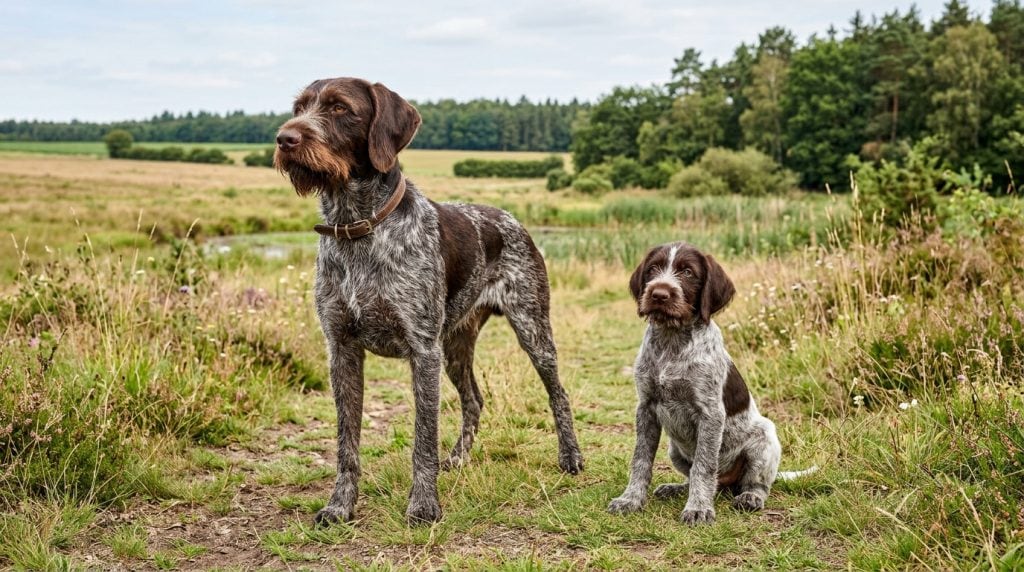
Living with a German Wirehaired Pointer often means embracing an active and engaging lifestyle. These dogs have a strong work ethic, a legacy from their gundog roots, and they thrive on having a purpose, whether that's a long walk, a play session, or a training exercise. Their affectionate nature and keen intelligence make them both a lively companion and a devoted family member, often forming deep bonds with those they live with.
At a glance
Core care
- Size: Large
- Energy: High
- Grooming: Low
- Shedding: Moderate
Support style
- Sensitivity: Moderate
- Training style: Willing
Breed guide
Choose a section to explore. These notes describe common patterns, but individual dogs vary widely.
The German Wirehaired Pointer was developed in the late 19th century in Germany, specifically bred to be an all-purpose hunting dog. This breed’s history as a versatile gundog is evident in their modern-day behaviour, where they often display a strong drive to work and a keen sense of adventure. Their origins in hunting and retrieving have shaped them into dogs that are not only physically capable but also mentally sharp, making them well-suited for active families who enjoy outdoor activities.
Physically, the German Wirehaired Pointer is a robust and athletic dog, designed for endurance and agility. Their wiry coat is not just a distinctive feature but serves a practical purpose, providing protection against harsh weather and rough terrain. This coat, combined with their strong, muscular build, means they are well-equipped for long days in the field or on the trail. Owners often notice how these physical traits translate into a dog that seems tireless and eager for the next adventure.
Temperamentally, these dogs are known for their intelligence and eagerness to please, which can make them relatively easy to train. However, they also have an independent streak, a characteristic that can sometimes surprise new owners. While generally friendly and affectionate, they may be reserved with strangers until they feel comfortable. This mix of traits means they often thrive in environments where they can be both physically and mentally engaged.
It’s important for potential owners to understand that while breed traits provide a general guide, individual dogs can vary significantly. Factors such as genetics, early socialisation, and daily environment all play a role in shaping a dog’s personality and behaviour. Thus, while the German Wirehaired Pointer tends to be energetic and intelligent, each dog will have its own unique quirks and needs.
German Wirehaired Pointers are often described as having a social yet independent nature. They are generally affectionate with their families, forming strong bonds and showing a desire to be involved in daily activities. This social inclination often means they enjoy being around people, whether it’s joining in on a walk or simply lounging nearby as you go about your day.
Their background as working dogs contributes to their intelligence and eagerness to please, which can be seen in their willingness to learn and engage in training. However, their independent streak can sometimes lead to moments of stubbornness, where they might decide to test boundaries or explore their own interests. This independence doesn’t diminish their loyalty; rather, it adds a layer of complexity to their personality that many owners find endearing.
Sensitivity in German Wirehaired Pointers is moderate, meaning they can be quite attuned to their owner’s emotions and environment. This sensitivity can be beneficial in training, as they often respond well to positive reinforcement and gentle guidance. Owners frequently notice that these dogs are quick to pick up on cues and adapt to the household’s rhythm, making them adaptable companions.
While they are generally good-natured, it’s important to remember that each dog is an individual. Some may be more outgoing and social, while others might lean towards being more reserved. Early socialisation and consistent training can help bring out the best in their temperament, ensuring they grow into well-rounded adults. Understanding these nuances helps in appreciating the unique character of each German Wirehaired Pointer.
A typical day for a German Wirehaired Pointer involves plenty of physical activity and mental stimulation. These dogs have high energy levels and thrive on regular exercise, which can include long walks, runs, or even hikes. Many owners find that incorporating variety into their dog’s routine, such as playing fetch or engaging in agility exercises, helps keep them both physically and mentally satisfied.
Given their gundog heritage, these pointers often enjoy activities that mimic their natural instincts, like retrieving games or scent work. These activities not only provide physical exercise but also engage their keen senses and intelligence. Owners often notice that their dogs are happiest when they have a job to do, whether that’s a structured training session or a playful game in the garden.
As they age, the exercise needs of a German Wirehaired Pointer may change, but they generally remain active well into their senior years. It’s important to adjust the intensity and duration of exercise to suit their age and health, ensuring they remain healthy and happy. Puppies, on the other hand, require careful management to avoid over-exercising, which can impact their developing joints.
While they thrive on activity, it’s crucial to balance exercise with rest and relaxation. These dogs can become restless or bored if not given enough stimulation, which can lead to undesirable behaviours. Providing a mix of physical exercise and mental enrichment, such as puzzle toys or training games, helps maintain a well-rounded routine that supports their overall wellbeing.
Training a German Wirehaired Pointer often feels like working with a keen and eager student. Their willingness to learn and intelligent nature means they usually pick up commands quickly, especially when training is approached with consistency and positive reinforcement. Owners often find that these dogs respond well to praise and rewards, making training sessions enjoyable for both parties.
Impulse control can be a challenge, particularly during adolescence when their independent streak might become more pronounced. During this stage, patience and consistency are key, as is maintaining a strong bond built on trust and understanding. Many owners find that incorporating a variety of training exercises helps keep their dog’s interest and focus.
The importance of building a solid relationship cannot be overstated. German Wirehaired Pointers tend to thrive in environments where they feel secure and understood. This means that training should be a positive experience, free from harsh corrections or punitive measures. Instead, focusing on clear communication and mutual respect often yields the best results.
For those new to the breed or dog training in general, enrolling in a training class or seeking guidance from a professional can be beneficial. Understanding the breed’s unique characteristics and how they learn can make the training process smoother and more rewarding. With the right approach, these dogs can become well-mannered and obedient companions, ready to take on any challenge with their owners.
German Wirehaired Pointers tend to thrive in homes where they have plenty of space to move and explore. They are well-suited to active households that can provide the physical and mental stimulation they need. Many owners find that having a garden or access to nearby parks is beneficial, as it allows these energetic dogs to burn off energy and satisfy their curiosity.
Living with children and other pets can be harmonious, provided that proper introductions and socialisation are in place. These dogs often enjoy the company of children, particularly if they are raised together, but it’s important to teach both the dog and the children how to interact respectfully. Supervision is key to ensuring positive interactions.
In terms of lifestyle, German Wirehaired Pointers do best with owners who enjoy spending time outdoors and can commit to regular exercise and training. They may not be the best fit for those who prefer a more sedentary lifestyle or are away from home for long periods, as these dogs can become bored and restless without adequate attention and activity.
Ultimately, the best home for a German Wirehaired Pointer is one that can accommodate their need for exercise, mental stimulation, and companionship. By understanding and meeting these needs, owners can enjoy a fulfilling relationship with a dog that is both a lively companion and a devoted family member.
Health is a crucial aspect of a German Wirehaired Pointer’s overall wellbeing, impacting their behaviour and quality of life. Like many breeds, they can be prone to certain health issues, so regular veterinary check-ups are essential to monitor their health and catch any potential problems early.
Common health concerns for this breed include hip dysplasia, eye conditions, and skin allergies. While not all dogs will experience these issues, being aware of them allows owners to take preventive measures, such as providing a balanced diet, regular exercise, and appropriate supplements if recommended by a vet.
Preventive care plays a significant role in maintaining a German Wirehaired Pointer’s health. This includes vaccinations, flea and tick prevention, and dental care. Regular grooming also contributes to their health by keeping their skin and coat in good condition and allowing owners to spot any changes or abnormalities early.
It’s important for owners to be observant and seek veterinary advice if they notice any changes in their dog’s behaviour, appetite, or physical condition. Early intervention can make a significant difference in managing health issues and ensuring a long, active life for these energetic dogs.
The German Wirehaired Pointer’s history is rooted in the late 19th century, where breeders in Germany sought to create an all-purpose hunting dog. By combining various breeds such as the Pointer, Foxhound, and Poodle, they developed a dog that could point, retrieve, and track game in a variety of terrains and weather conditions. This versatility made them highly valued by hunters and contributed to their popularity.
The breed’s development focused on creating a dog that was not only physically capable but also intelligent and trainable. The result was a dog with a keen sense of smell, strong work ethic, and the ability to work independently or as part of a team. These traits are still evident in modern German Wirehaired Pointers, who often display a strong desire to work and a natural aptitude for training.
Their distinctive wiry coat was specifically bred to provide protection against harsh weather and rough terrain, making them well-suited for outdoor work. This practical feature, combined with their athletic build, allowed them to excel in various hunting tasks, from retrieving waterfowl to tracking larger game.
Today, the German Wirehaired Pointer’s history as a versatile gundog is reflected in their energetic and intelligent nature. While many are still used for hunting, they have also become popular as family companions, thanks to their loyal and affectionate temperament. Understanding their origins helps owners appreciate the breed’s unique characteristics and the role they can play in a modern household.
What shapes individual dogs
- Early social experiences
- Training approach
- Environment & routine
- Genetics & breeding
- Health & pain
- Age / life stage
The German Wirehaired Pointer was developed in the late 19th century in Germany, specifically bred to be an all-purpose hunting dog. This breed’s history as a versatile gundog is evident in their modern-day behaviour, where they often display a strong drive to work and a keen sense of adventure. Their origins in hunting and retrieving have shaped them into dogs that are not only physically capable but also mentally sharp, making them well-suited for active families who enjoy outdoor activities.
Physically, the German Wirehaired Pointer is a robust and athletic dog, designed for endurance and agility. Their wiry coat is not just a distinctive feature but serves a practical purpose, providing protection against harsh weather and rough terrain. This coat, combined with their strong, muscular build, means they are well-equipped for long days in the field or on the trail. Owners often notice how these physical traits translate into a dog that seems tireless and eager for the next adventure.
Temperamentally, these dogs are known for their intelligence and eagerness to please, which can make them relatively easy to train. However, they also have an independent streak, a characteristic that can sometimes surprise new owners. While generally friendly and affectionate, they may be reserved with strangers until they feel comfortable. This mix of traits means they often thrive in environments where they can be both physically and mentally engaged.
It’s important for potential owners to understand that while breed traits provide a general guide, individual dogs can vary significantly. Factors such as genetics, early socialisation, and daily environment all play a role in shaping a dog’s personality and behaviour. Thus, while the German Wirehaired Pointer tends to be energetic and intelligent, each dog will have its own unique quirks and needs.
German Wirehaired Pointers are often described as having a social yet independent nature. They are generally affectionate with their families, forming strong bonds and showing a desire to be involved in daily activities. This social inclination often means they enjoy being around people, whether it’s joining in on a walk or simply lounging nearby as you go about your day.
Their background as working dogs contributes to their intelligence and eagerness to please, which can be seen in their willingness to learn and engage in training. However, their independent streak can sometimes lead to moments of stubbornness, where they might decide to test boundaries or explore their own interests. This independence doesn’t diminish their loyalty; rather, it adds a layer of complexity to their personality that many owners find endearing.
Sensitivity in German Wirehaired Pointers is moderate, meaning they can be quite attuned to their owner’s emotions and environment. This sensitivity can be beneficial in training, as they often respond well to positive reinforcement and gentle guidance. Owners frequently notice that these dogs are quick to pick up on cues and adapt to the household’s rhythm, making them adaptable companions.
While they are generally good-natured, it’s important to remember that each dog is an individual. Some may be more outgoing and social, while others might lean towards being more reserved. Early socialisation and consistent training can help bring out the best in their temperament, ensuring they grow into well-rounded adults. Understanding these nuances helps in appreciating the unique character of each German Wirehaired Pointer.
A typical day for a German Wirehaired Pointer involves plenty of physical activity and mental stimulation. These dogs have high energy levels and thrive on regular exercise, which can include long walks, runs, or even hikes. Many owners find that incorporating variety into their dog’s routine, such as playing fetch or engaging in agility exercises, helps keep them both physically and mentally satisfied.
Given their gundog heritage, these pointers often enjoy activities that mimic their natural instincts, like retrieving games or scent work. These activities not only provide physical exercise but also engage their keen senses and intelligence. Owners often notice that their dogs are happiest when they have a job to do, whether that’s a structured training session or a playful game in the garden.
As they age, the exercise needs of a German Wirehaired Pointer may change, but they generally remain active well into their senior years. It’s important to adjust the intensity and duration of exercise to suit their age and health, ensuring they remain healthy and happy. Puppies, on the other hand, require careful management to avoid over-exercising, which can impact their developing joints.
While they thrive on activity, it’s crucial to balance exercise with rest and relaxation. These dogs can become restless or bored if not given enough stimulation, which can lead to undesirable behaviours. Providing a mix of physical exercise and mental enrichment, such as puzzle toys or training games, helps maintain a well-rounded routine that supports their overall wellbeing.
Training a German Wirehaired Pointer often feels like working with a keen and eager student. Their willingness to learn and intelligent nature means they usually pick up commands quickly, especially when training is approached with consistency and positive reinforcement. Owners often find that these dogs respond well to praise and rewards, making training sessions enjoyable for both parties.
Impulse control can be a challenge, particularly during adolescence when their independent streak might become more pronounced. During this stage, patience and consistency are key, as is maintaining a strong bond built on trust and understanding. Many owners find that incorporating a variety of training exercises helps keep their dog’s interest and focus.
The importance of building a solid relationship cannot be overstated. German Wirehaired Pointers tend to thrive in environments where they feel secure and understood. This means that training should be a positive experience, free from harsh corrections or punitive measures. Instead, focusing on clear communication and mutual respect often yields the best results.
For those new to the breed or dog training in general, enrolling in a training class or seeking guidance from a professional can be beneficial. Understanding the breed’s unique characteristics and how they learn can make the training process smoother and more rewarding. With the right approach, these dogs can become well-mannered and obedient companions, ready to take on any challenge with their owners.
German Wirehaired Pointers tend to thrive in homes where they have plenty of space to move and explore. They are well-suited to active households that can provide the physical and mental stimulation they need. Many owners find that having a garden or access to nearby parks is beneficial, as it allows these energetic dogs to burn off energy and satisfy their curiosity.
Living with children and other pets can be harmonious, provided that proper introductions and socialisation are in place. These dogs often enjoy the company of children, particularly if they are raised together, but it’s important to teach both the dog and the children how to interact respectfully. Supervision is key to ensuring positive interactions.
In terms of lifestyle, German Wirehaired Pointers do best with owners who enjoy spending time outdoors and can commit to regular exercise and training. They may not be the best fit for those who prefer a more sedentary lifestyle or are away from home for long periods, as these dogs can become bored and restless without adequate attention and activity.
Ultimately, the best home for a German Wirehaired Pointer is one that can accommodate their need for exercise, mental stimulation, and companionship. By understanding and meeting these needs, owners can enjoy a fulfilling relationship with a dog that is both a lively companion and a devoted family member.
Health is a crucial aspect of a German Wirehaired Pointer’s overall wellbeing, impacting their behaviour and quality of life. Like many breeds, they can be prone to certain health issues, so regular veterinary check-ups are essential to monitor their health and catch any potential problems early.
Common health concerns for this breed include hip dysplasia, eye conditions, and skin allergies. While not all dogs will experience these issues, being aware of them allows owners to take preventive measures, such as providing a balanced diet, regular exercise, and appropriate supplements if recommended by a vet.
Preventive care plays a significant role in maintaining a German Wirehaired Pointer’s health. This includes vaccinations, flea and tick prevention, and dental care. Regular grooming also contributes to their health by keeping their skin and coat in good condition and allowing owners to spot any changes or abnormalities early.
It’s important for owners to be observant and seek veterinary advice if they notice any changes in their dog’s behaviour, appetite, or physical condition. Early intervention can make a significant difference in managing health issues and ensuring a long, active life for these energetic dogs.
The German Wirehaired Pointer’s history is rooted in the late 19th century, where breeders in Germany sought to create an all-purpose hunting dog. By combining various breeds such as the Pointer, Foxhound, and Poodle, they developed a dog that could point, retrieve, and track game in a variety of terrains and weather conditions. This versatility made them highly valued by hunters and contributed to their popularity.
The breed’s development focused on creating a dog that was not only physically capable but also intelligent and trainable. The result was a dog with a keen sense of smell, strong work ethic, and the ability to work independently or as part of a team. These traits are still evident in modern German Wirehaired Pointers, who often display a strong desire to work and a natural aptitude for training.
Their distinctive wiry coat was specifically bred to provide protection against harsh weather and rough terrain, making them well-suited for outdoor work. This practical feature, combined with their athletic build, allowed them to excel in various hunting tasks, from retrieving waterfowl to tracking larger game.
Today, the German Wirehaired Pointer’s history as a versatile gundog is reflected in their energetic and intelligent nature. While many are still used for hunting, they have also become popular as family companions, thanks to their loyal and affectionate temperament. Understanding their origins helps owners appreciate the breed’s unique characteristics and the role they can play in a modern household.
What shapes individual dogs
- Early social experiences
- Training approach
- Environment & routine
- Genetics & breeding
- Health & pain
- Age / life stage
Want support with this?
This course is relevant for owners of German Wirehaired Pointers to better understand their dog's unique temperament and behavioural nuances.