
German Spitz
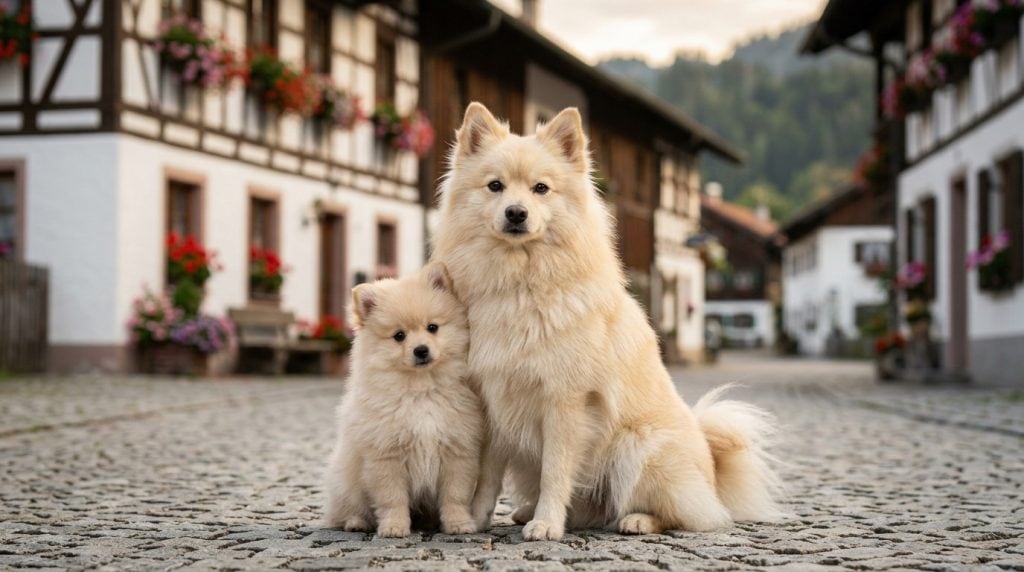
German Spitz dogs are lively and alert companions known for their expressive personalities and strong attachment to their families. Their watchful nature and bright curiosity often make them attentive observers of everyday life at home. Many owners appreciate the breed’s cheerful temperament and the loyal companionship they bring to family routines.
At a glance
Core care
- Size: Small
- Energy: Moderate to high
- Grooming: Low
- Shedding: Moderate
Support style
- Sensitivity: Moderate
- Training style: Willing
Breed guide
Choose a section to explore. These notes describe common patterns, but individual dogs vary widely.
The German Spitz belongs to a group of traditional European Spitz-type dogs that have existed for centuries across Central and Northern Europe. These dogs were commonly kept on farms and in villages, where they served as alert watchdogs and companions. Their intelligence, adaptability, and strong awareness of their surroundings helped them perform these roles effectively.
Physically, the German Spitz is a small but sturdy dog with a distinctive fox-like expression and a profuse double coat. The thick coat provides protection against harsh weather while contributing to the breed’s striking appearance. Although the coat requires regular brushing, many owners find it relatively manageable once a consistent grooming routine is established.
Temperamentally, German Spitz dogs are often described as lively, curious, and deeply attached to their families. Their alert nature makes them attentive watchdogs, and they are often quick to notice unfamiliar sounds or visitors. While generally friendly, they may take a little time to warm up to strangers.
As with all breeds, individual personalities vary depending on genetics, early experiences, and daily environment. Understanding the German Spitz’s history as a watchdog and companion can help owners provide the engagement, structure, and companionship that support a well-balanced dog.
German Spitz dogs are often noted for their social nature and lively spirit. Many owners find that their Spitz enjoys being in the thick of family activities, always eager to be involved in whatever is happening. This breed tends to form strong attachments to its human companions, often displaying a loyalty that is both endearing and steadfast. Their social motivations are deeply rooted in their history as companion animals.
In everyday interactions, German Spitz dogs may exhibit a playful and curious demeanour. They are known for their intelligence and willingness to learn, which can make training a rewarding experience. Owners often notice their Spitz’s quick responses to training cues and their ability to pick up new commands with relative ease. This willingness to engage and learn is a hallmark of the breed, reflecting their adaptable and cooperative nature.
The moderate sensitivity of the German Spitz means they are generally responsive to their owner’s moods and emotions. This sensitivity can be a double-edged sword; while it fosters a deep bond between dog and owner, it also means that harsh training methods or environments can be particularly distressing for them. Positive reinforcement and a gentle approach are often the most effective ways to train and interact with this breed.
Despite their friendly nature, German Spitz dogs can sometimes be reserved with strangers. This cautious approach is a remnant of their watchdog past, where being alert and discerning was a valuable trait. However, with proper socialisation from a young age, they can learn to be more comfortable around new people and situations. As with any breed, individual personalities can vary, and understanding your dog’s unique temperament is key to a harmonious relationship.
A typical day for a German Spitz involves a healthy mix of physical activity and mental engagement. These dogs have moderate to high energy levels, and they thrive on daily walks and play sessions. Owners often find that their Spitz enjoys a good romp in the garden or a lively game of fetch, which helps to burn off energy and keep them physically fit.
In addition to physical exercise, mental enrichment is crucial for this intelligent breed. Puzzle toys, training games, and interactive play can help keep their minds sharp and prevent boredom. Many owners enjoy teaching their Spitz new tricks or engaging in activities like agility, which provides both physical and mental stimulation. It’s important to vary these activities to maintain their interest and challenge their intellect.
As with any breed, the exercise needs of a German Spitz can change throughout their life stages. Puppies require shorter, more frequent bursts of activity, while adult dogs may benefit from longer, more structured exercise routines. Senior Spitz dogs, while still needing regular activity, may require gentler exercises that accommodate any age-related physical limitations.
It’s important to avoid over-exercising young Spitz puppies, as their developing joints can be susceptible to strain. Gradually increasing the intensity and duration of exercise as they grow helps ensure their long-term health and wellbeing. Owners should also be mindful of the weather, as the Spitz’s thick coat can make them prone to overheating in hot conditions. Providing ample water and shade during outdoor activities is essential.
Training a German Spitz often feels like a rewarding partnership between dog and owner. Their willingness to learn and engage makes them a pleasure to train, as they are typically responsive to positive reinforcement techniques. Owners often find that using treats, praise, and play as rewards helps to motivate their Spitz and build a strong training relationship.
Consistency is key when training a German Spitz. These dogs thrive on routine and clear expectations, which help them understand what is required of them. Establishing a consistent training schedule and using the same cues and commands can aid in their learning process. Many owners appreciate the breed’s ability to quickly grasp new concepts, making training sessions both productive and enjoyable.
Impulse control can be an area where German Spitz dogs need guidance, particularly during adolescence. This stage can bring about increased independence and testing of boundaries, which is a normal part of their development. Patience and persistence are essential during this time, as is maintaining a calm and consistent approach to training.
Building a strong relationship with your German Spitz is fundamental to successful training. This breed responds well to a gentle and understanding approach, where mutual respect and trust are at the forefront. Enrolling in a course like “Puppy Beginnings: Building a Calm Start” can provide valuable insights and techniques for fostering a harmonious and cooperative relationship with your Spitz, especially during their formative years.
The German Spitz can adapt well to a variety of living environments, provided their exercise and social needs are met. Their compact size makes them suitable for apartment living, but they also thrive in homes with secure gardens where they can safely explore and play. Owners often find that the Spitz’s adaptable nature allows them to fit into different lifestyles, as long as they receive adequate attention and stimulation.
In homes with children, the German Spitz can be a playful and affectionate companion. They generally enjoy the company of kids and can form strong bonds with them. However, it’s important for interactions to be supervised, especially with younger children, to ensure that both the dog and the child are comfortable and safe. Teaching children how to interact respectfully with the dog is crucial for a harmonious relationship.
When it comes to other pets, the German Spitz can get along well with other dogs, particularly if they are socialised from a young age. Their playful nature can make them good playmates for other dogs, although introductions should be managed carefully to ensure compatibility. With smaller pets, supervision is recommended due to the Spitz’s natural prey drive.
Ultimately, the German Spitz is a versatile breed that can fit into various home settings. Potential owners should consider their ability to meet the breed’s exercise, social, and grooming needs when deciding if this is the right dog for them. Understanding the breed’s characteristics and how they align with your lifestyle is key to a successful and fulfilling companionship.
The health of a German Spitz is supported by responsible breeding practices, attentive daily care, and regular veterinary monitoring. Routine veterinary examinations help identify potential concerns early while supporting preventive care such as vaccinations and parasite control.
Some health considerations occasionally associated with the breed include patellar luxation, which affects the kneecap, and certain dental health issues, which are more common in smaller dog breeds. Maintaining good dental hygiene through brushing and regular veterinary dental checks can help reduce the risk of oral disease.
German Spitz dogs may also be associated with certain eye conditions, including cataracts, which can affect vision over time. Responsible breeders may screen breeding dogs to reduce the likelihood of inherited conditions.
Providing balanced nutrition, appropriate exercise, and attentive veterinary care helps owners support their dog’s overall health throughout its life.
The German Spitz is one of several traditional Spitz-type breeds that developed across Central Europe. These dogs were commonly kept in farming communities where their alert nature made them valuable watchdogs. Their ability to quickly notice unfamiliar activity helped protect homes, livestock, and property.
Over time, different size varieties of German Spitz developed, ranging from small companion dogs to larger farm watchdogs. Despite differences in size, these dogs share many physical and behavioural traits, including a thick double coat, upright ears, and a curled tail carried over the back.
The breed’s history as both a watchdog and companion helped shape its modern temperament. German Spitz dogs remain attentive, lively, and strongly bonded to their families, traits that reflect their long-standing role in human households.
Today the German Spitz is appreciated for its bright personality, adaptability, and loyal nature. Understanding the breed’s historical role provides insight into its alertness, intelligence, and strong attachment to the people it lives with.
What shapes individual dogs
- Early social experiences
- Training approach
- Environment & routine
- Genetics & breeding
- Health & pain
- Age / life stage
The German Spitz belongs to a group of traditional European Spitz-type dogs that have existed for centuries across Central and Northern Europe. These dogs were commonly kept on farms and in villages, where they served as alert watchdogs and companions. Their intelligence, adaptability, and strong awareness of their surroundings helped them perform these roles effectively.
Physically, the German Spitz is a small but sturdy dog with a distinctive fox-like expression and a profuse double coat. The thick coat provides protection against harsh weather while contributing to the breed’s striking appearance. Although the coat requires regular brushing, many owners find it relatively manageable once a consistent grooming routine is established.
Temperamentally, German Spitz dogs are often described as lively, curious, and deeply attached to their families. Their alert nature makes them attentive watchdogs, and they are often quick to notice unfamiliar sounds or visitors. While generally friendly, they may take a little time to warm up to strangers.
As with all breeds, individual personalities vary depending on genetics, early experiences, and daily environment. Understanding the German Spitz’s history as a watchdog and companion can help owners provide the engagement, structure, and companionship that support a well-balanced dog.
German Spitz dogs are often noted for their social nature and lively spirit. Many owners find that their Spitz enjoys being in the thick of family activities, always eager to be involved in whatever is happening. This breed tends to form strong attachments to its human companions, often displaying a loyalty that is both endearing and steadfast. Their social motivations are deeply rooted in their history as companion animals.
In everyday interactions, German Spitz dogs may exhibit a playful and curious demeanour. They are known for their intelligence and willingness to learn, which can make training a rewarding experience. Owners often notice their Spitz’s quick responses to training cues and their ability to pick up new commands with relative ease. This willingness to engage and learn is a hallmark of the breed, reflecting their adaptable and cooperative nature.
The moderate sensitivity of the German Spitz means they are generally responsive to their owner’s moods and emotions. This sensitivity can be a double-edged sword; while it fosters a deep bond between dog and owner, it also means that harsh training methods or environments can be particularly distressing for them. Positive reinforcement and a gentle approach are often the most effective ways to train and interact with this breed.
Despite their friendly nature, German Spitz dogs can sometimes be reserved with strangers. This cautious approach is a remnant of their watchdog past, where being alert and discerning was a valuable trait. However, with proper socialisation from a young age, they can learn to be more comfortable around new people and situations. As with any breed, individual personalities can vary, and understanding your dog’s unique temperament is key to a harmonious relationship.
A typical day for a German Spitz involves a healthy mix of physical activity and mental engagement. These dogs have moderate to high energy levels, and they thrive on daily walks and play sessions. Owners often find that their Spitz enjoys a good romp in the garden or a lively game of fetch, which helps to burn off energy and keep them physically fit.
In addition to physical exercise, mental enrichment is crucial for this intelligent breed. Puzzle toys, training games, and interactive play can help keep their minds sharp and prevent boredom. Many owners enjoy teaching their Spitz new tricks or engaging in activities like agility, which provides both physical and mental stimulation. It’s important to vary these activities to maintain their interest and challenge their intellect.
As with any breed, the exercise needs of a German Spitz can change throughout their life stages. Puppies require shorter, more frequent bursts of activity, while adult dogs may benefit from longer, more structured exercise routines. Senior Spitz dogs, while still needing regular activity, may require gentler exercises that accommodate any age-related physical limitations.
It’s important to avoid over-exercising young Spitz puppies, as their developing joints can be susceptible to strain. Gradually increasing the intensity and duration of exercise as they grow helps ensure their long-term health and wellbeing. Owners should also be mindful of the weather, as the Spitz’s thick coat can make them prone to overheating in hot conditions. Providing ample water and shade during outdoor activities is essential.
Training a German Spitz often feels like a rewarding partnership between dog and owner. Their willingness to learn and engage makes them a pleasure to train, as they are typically responsive to positive reinforcement techniques. Owners often find that using treats, praise, and play as rewards helps to motivate their Spitz and build a strong training relationship.
Consistency is key when training a German Spitz. These dogs thrive on routine and clear expectations, which help them understand what is required of them. Establishing a consistent training schedule and using the same cues and commands can aid in their learning process. Many owners appreciate the breed’s ability to quickly grasp new concepts, making training sessions both productive and enjoyable.
Impulse control can be an area where German Spitz dogs need guidance, particularly during adolescence. This stage can bring about increased independence and testing of boundaries, which is a normal part of their development. Patience and persistence are essential during this time, as is maintaining a calm and consistent approach to training.
Building a strong relationship with your German Spitz is fundamental to successful training. This breed responds well to a gentle and understanding approach, where mutual respect and trust are at the forefront. Enrolling in a course like “Puppy Beginnings: Building a Calm Start” can provide valuable insights and techniques for fostering a harmonious and cooperative relationship with your Spitz, especially during their formative years.
The German Spitz can adapt well to a variety of living environments, provided their exercise and social needs are met. Their compact size makes them suitable for apartment living, but they also thrive in homes with secure gardens where they can safely explore and play. Owners often find that the Spitz’s adaptable nature allows them to fit into different lifestyles, as long as they receive adequate attention and stimulation.
In homes with children, the German Spitz can be a playful and affectionate companion. They generally enjoy the company of kids and can form strong bonds with them. However, it’s important for interactions to be supervised, especially with younger children, to ensure that both the dog and the child are comfortable and safe. Teaching children how to interact respectfully with the dog is crucial for a harmonious relationship.
When it comes to other pets, the German Spitz can get along well with other dogs, particularly if they are socialised from a young age. Their playful nature can make them good playmates for other dogs, although introductions should be managed carefully to ensure compatibility. With smaller pets, supervision is recommended due to the Spitz’s natural prey drive.
Ultimately, the German Spitz is a versatile breed that can fit into various home settings. Potential owners should consider their ability to meet the breed’s exercise, social, and grooming needs when deciding if this is the right dog for them. Understanding the breed’s characteristics and how they align with your lifestyle is key to a successful and fulfilling companionship.
The health of a German Spitz is supported by responsible breeding practices, attentive daily care, and regular veterinary monitoring. Routine veterinary examinations help identify potential concerns early while supporting preventive care such as vaccinations and parasite control.
Some health considerations occasionally associated with the breed include patellar luxation, which affects the kneecap, and certain dental health issues, which are more common in smaller dog breeds. Maintaining good dental hygiene through brushing and regular veterinary dental checks can help reduce the risk of oral disease.
German Spitz dogs may also be associated with certain eye conditions, including cataracts, which can affect vision over time. Responsible breeders may screen breeding dogs to reduce the likelihood of inherited conditions.
Providing balanced nutrition, appropriate exercise, and attentive veterinary care helps owners support their dog’s overall health throughout its life.
The German Spitz is one of several traditional Spitz-type breeds that developed across Central Europe. These dogs were commonly kept in farming communities where their alert nature made them valuable watchdogs. Their ability to quickly notice unfamiliar activity helped protect homes, livestock, and property.
Over time, different size varieties of German Spitz developed, ranging from small companion dogs to larger farm watchdogs. Despite differences in size, these dogs share many physical and behavioural traits, including a thick double coat, upright ears, and a curled tail carried over the back.
The breed’s history as both a watchdog and companion helped shape its modern temperament. German Spitz dogs remain attentive, lively, and strongly bonded to their families, traits that reflect their long-standing role in human households.
Today the German Spitz is appreciated for its bright personality, adaptability, and loyal nature. Understanding the breed’s historical role provides insight into its alertness, intelligence, and strong attachment to the people it lives with.
What shapes individual dogs
- Early social experiences
- Training approach
- Environment & routine
- Genetics & breeding
- Health & pain
- Age / life stage
Want support with this?
This course provides valuable insights into fostering a harmonious relationship with your German Spitz, especially during their formative years.