
Flat-Coated Retriever
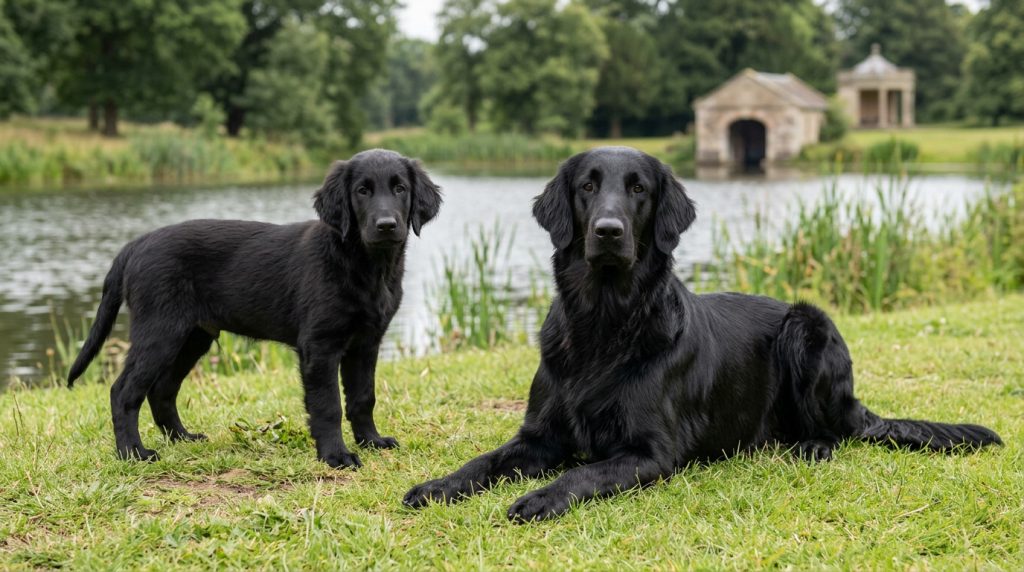
Living with a Flat-Coated Retriever often means having a joyful, enthusiastic companion by your side. These dogs are known for their playful spirit and deep affection for their families. Their energy and eagerness to please make them a lively presence in any home, always ready for the next adventure or cuddle session.
At a glance
Core care
- Size: Large
- Energy: High
- Grooming: Low
- Shedding: Moderate
Support style
- Sensitivity: Moderate
- Training style: Willing
Breed guide
Choose a section to explore. These notes describe common patterns, but individual dogs vary widely.
The Flat-Coated Retriever’s roots trace back to the 19th century, where they were developed as versatile gundogs in the UK. Bred to retrieve game both on land and in water, these dogs were prized for their stamina, intelligence, and cooperative nature. Today, these traits manifest in a breed that is both energetic and eager to engage with their human companions. Their working background explains their love for activity and their tendency to form strong bonds with their families.
Physically, Flat-Coated Retrievers are large dogs with a distinctive glossy black or liver coat. This coat not only gives them their name but also requires regular maintenance to keep it looking its best. Owners often find that their sleek, feathered coat adds a touch of elegance to their appearance, though it does mean that regular brushing is necessary to manage shedding and keep tangles at bay.
Temperamentally, Flat-Coated Retrievers are known for their cheerful and outgoing nature. They often greet everyone as a friend and are known for their wagging tails and bright expressions. While they are generally friendly, each dog can vary in terms of how they express their enthusiasm and sociability. Some may be more reserved, while others are exuberantly social, reflecting their individual personalities.
It’s important for potential owners to understand that, like all breeds, Flat-Coated Retrievers have individual differences. While breed traits offer a general guide, each dog’s personality will be shaped by their unique experiences and environment. Prospective owners should be prepared for a lively and affectionate companion, but also be ready to adapt to the specific needs and quirks of their individual dog.
Flat-Coated Retrievers are often described as perpetual puppies due to their playful and exuberant nature. This breed tends to remain youthful and energetic well into adulthood, which can be both charming and challenging. Owners frequently notice their dog’s enthusiasm for life, whether it’s greeting new people or engaging in play. This social inclination means they often thrive in environments where they can interact regularly with their human family.
Their friendly disposition is rooted in their history as gundogs, where cooperation and a good temperament were essential. This background contributes to their generally positive attitude towards people and other animals. However, their social nature can mean they may not enjoy being left alone for long periods. Many owners find that their Flat-Coat prefers to be included in family activities, whether it’s a walk in the park or a quiet evening at home.
Sensitivity in Flat-Coated Retrievers is moderate, meaning they can be attuned to their owner’s emotions and respond well to positive reinforcement. This sensitivity also means they might pick up on household tensions or changes, so a calm and consistent environment helps them feel secure. Their trainable nature makes them eager to learn, and they often respond well to training methods that are gentle yet consistent.
While they are generally easy-going, it’s important to remember that each Flat-Coated Retriever is an individual. Some may be more independent, while others are more clingy. Understanding and respecting these differences is key to building a strong relationship with your dog. Owners who embrace their dog’s unique personality often find a loyal and loving companion in the Flat-Coated Retriever.
A typical day for a Flat-Coated Retriever involves plenty of activity. These dogs thrive on exercise and enjoy a variety of physical activities. From long walks to vigorous games of fetch, they are happiest when they have the opportunity to burn off their abundant energy. Many owners find that incorporating swimming into their routine is particularly rewarding, as this breed often loves water.
Mental enrichment is equally important for Flat-Coated Retrievers. Puzzle toys, scent games, and training sessions can help keep their minds engaged. These activities not only provide mental stimulation but also strengthen the bond between dog and owner. Owners often notice that their dogs are more settled and content when they have had both physical and mental outlets.
As with any breed, exercise needs can vary with age. Puppies and young adults will require more frequent and intense activity, while older dogs may benefit from gentler exercise. It’s important to tailor activities to your dog’s life stage to ensure they remain healthy and happy. Owners should be mindful of not over-exercising young dogs, as their growing bodies need time to develop properly.
While Flat-Coated Retrievers are energetic, it’s crucial to avoid overexertion, especially in hot weather. Providing plenty of water and opportunities for rest is essential. By understanding and meeting their exercise and enrichment needs, owners can help their Flat-Coat lead a fulfilling and balanced life.
Training a Flat-Coated Retriever is often a rewarding experience due to their eager-to-please nature. Many owners find that these dogs respond well to positive reinforcement techniques, which tap into their desire to work alongside their human companions. Training sessions can become a fun and bonding experience, as these dogs are generally willing learners.
Impulse control can be a challenge, especially during adolescence. Flat-Coated Retrievers are known for their exuberance, which can sometimes translate into jumping up or getting overly excited. Consistent training and patience are key during this stage. Teaching basic commands and reinforcing calm behaviour can help manage their enthusiasm in a positive way.
Building a strong relationship through training is crucial. These dogs thrive on interaction and often excel in environments where they feel understood and supported. Owners who invest time in training often find that their dogs are not only well-behaved but also more confident and secure.
Consistency is important in training, as is understanding that each dog learns at their own pace. While Flat-Coated Retrievers are generally trainable, individual differences mean that some may pick up commands quickly, while others take a bit longer. By maintaining a warm and encouraging approach, owners can help their Flat-Coat reach their full potential.
Flat-Coated Retrievers tend to thrive in homes where they are considered part of the family. They are social dogs that enjoy being involved in daily activities, whether that’s a walk, a play session, or simply lounging with their people. Homes with access to outdoor space can be particularly beneficial, allowing them to expend their energy in a safe environment.
These dogs are generally good with children, often displaying patience and a playful nature. However, as with any breed, interactions between dogs and young children should always be supervised. Their size and energy mean they can inadvertently knock over smaller children, so teaching both the dog and children how to interact safely is important.
Flat-Coated Retrievers can also get along well with other pets, especially if they are introduced at a young age. Their friendly and sociable nature often means they enjoy the company of other dogs. However, individual temperament and early socialisation play significant roles in how well they adapt to multi-pet households.
While they are adaptable, these dogs do best in environments where they are not left alone for long periods. Their social nature means they can become bored or anxious if isolated. Owners who work long hours may need to consider doggy daycare or a pet sitter to ensure their Flat-Coat receives the attention and interaction they need. By understanding their social and environmental needs, owners can create a harmonious home life for their Flat-Coated Retriever.
Health is a vital component of a Flat-Coated Retriever’s overall wellbeing. Like many breeds, they can be prone to certain health conditions, so regular veterinary check-ups are important to catch any issues early. Common concerns in the breed include hip dysplasia and certain types of cancer, which owners should be aware of.
Preventive care plays a significant role in maintaining their health. This includes a balanced diet, regular exercise, and keeping up with vaccinations and parasite control. Many owners find that a healthy lifestyle contributes to their dog’s longevity and quality of life.
Understanding the link between health and behaviour is also important. A dog that is unwell may show changes in behaviour, such as increased irritability or lethargy. Being attuned to these changes can help owners seek veterinary advice promptly, ensuring any health issues are addressed early.
While health concerns can be worrying, it’s important to remember that not every dog will experience these issues. By providing a loving and attentive home, owners can help their Flat-Coated Retriever lead a happy and healthy life. Regular communication with a trusted veterinarian can provide peace of mind and ensure that any health concerns are managed effectively.
The Flat-Coated Retriever’s history is deeply rooted in the gundog tradition of the 19th century. Developed in the UK, they were bred to retrieve game from both water and land, a task that required intelligence, stamina, and a cooperative nature. These qualities were highly valued by hunters, and the breed quickly gained a reputation for their versatility and reliability in the field.
The breed’s development involved crossing several breeds, including the Newfoundland, Labrador, and various Setters, to create a dog that excelled in retrieving. This careful breeding resulted in a dog with a keen nose, a gentle mouth, and a strong desire to work closely with humans. These traits remain evident in the modern Flat-Coated Retriever, who often displays a strong work ethic and a love for retrieving games.
As time went on, the Flat-Coated Retriever became a popular choice not only for hunters but also as a family companion. Their friendly and outgoing nature made them well-suited to life as a pet, and they began to be appreciated for their cheerful disposition and affectionate nature. This transition from working dog to family pet has helped shape the breed’s modern identity.
Today, the Flat-Coated Retriever is cherished for its playful and loving personality. While they may no longer be used primarily for hunting, their history as a gundog continues to influence their behaviour and temperament. Understanding this history helps owners appreciate the breed’s natural instincts and the joy they bring to a household, whether as a working partner or a beloved family member.
What shapes individual dogs
- Early social experiences
- Training approach
- Environment & routine
- Genetics & breeding
- Health & pain
- Age / life stage
The Flat-Coated Retriever’s roots trace back to the 19th century, where they were developed as versatile gundogs in the UK. Bred to retrieve game both on land and in water, these dogs were prized for their stamina, intelligence, and cooperative nature. Today, these traits manifest in a breed that is both energetic and eager to engage with their human companions. Their working background explains their love for activity and their tendency to form strong bonds with their families.
Physically, Flat-Coated Retrievers are large dogs with a distinctive glossy black or liver coat. This coat not only gives them their name but also requires regular maintenance to keep it looking its best. Owners often find that their sleek, feathered coat adds a touch of elegance to their appearance, though it does mean that regular brushing is necessary to manage shedding and keep tangles at bay.
Temperamentally, Flat-Coated Retrievers are known for their cheerful and outgoing nature. They often greet everyone as a friend and are known for their wagging tails and bright expressions. While they are generally friendly, each dog can vary in terms of how they express their enthusiasm and sociability. Some may be more reserved, while others are exuberantly social, reflecting their individual personalities.
It’s important for potential owners to understand that, like all breeds, Flat-Coated Retrievers have individual differences. While breed traits offer a general guide, each dog’s personality will be shaped by their unique experiences and environment. Prospective owners should be prepared for a lively and affectionate companion, but also be ready to adapt to the specific needs and quirks of their individual dog.
Flat-Coated Retrievers are often described as perpetual puppies due to their playful and exuberant nature. This breed tends to remain youthful and energetic well into adulthood, which can be both charming and challenging. Owners frequently notice their dog’s enthusiasm for life, whether it’s greeting new people or engaging in play. This social inclination means they often thrive in environments where they can interact regularly with their human family.
Their friendly disposition is rooted in their history as gundogs, where cooperation and a good temperament were essential. This background contributes to their generally positive attitude towards people and other animals. However, their social nature can mean they may not enjoy being left alone for long periods. Many owners find that their Flat-Coat prefers to be included in family activities, whether it’s a walk in the park or a quiet evening at home.
Sensitivity in Flat-Coated Retrievers is moderate, meaning they can be attuned to their owner’s emotions and respond well to positive reinforcement. This sensitivity also means they might pick up on household tensions or changes, so a calm and consistent environment helps them feel secure. Their trainable nature makes them eager to learn, and they often respond well to training methods that are gentle yet consistent.
While they are generally easy-going, it’s important to remember that each Flat-Coated Retriever is an individual. Some may be more independent, while others are more clingy. Understanding and respecting these differences is key to building a strong relationship with your dog. Owners who embrace their dog’s unique personality often find a loyal and loving companion in the Flat-Coated Retriever.
A typical day for a Flat-Coated Retriever involves plenty of activity. These dogs thrive on exercise and enjoy a variety of physical activities. From long walks to vigorous games of fetch, they are happiest when they have the opportunity to burn off their abundant energy. Many owners find that incorporating swimming into their routine is particularly rewarding, as this breed often loves water.
Mental enrichment is equally important for Flat-Coated Retrievers. Puzzle toys, scent games, and training sessions can help keep their minds engaged. These activities not only provide mental stimulation but also strengthen the bond between dog and owner. Owners often notice that their dogs are more settled and content when they have had both physical and mental outlets.
As with any breed, exercise needs can vary with age. Puppies and young adults will require more frequent and intense activity, while older dogs may benefit from gentler exercise. It’s important to tailor activities to your dog’s life stage to ensure they remain healthy and happy. Owners should be mindful of not over-exercising young dogs, as their growing bodies need time to develop properly.
While Flat-Coated Retrievers are energetic, it’s crucial to avoid overexertion, especially in hot weather. Providing plenty of water and opportunities for rest is essential. By understanding and meeting their exercise and enrichment needs, owners can help their Flat-Coat lead a fulfilling and balanced life.
Training a Flat-Coated Retriever is often a rewarding experience due to their eager-to-please nature. Many owners find that these dogs respond well to positive reinforcement techniques, which tap into their desire to work alongside their human companions. Training sessions can become a fun and bonding experience, as these dogs are generally willing learners.
Impulse control can be a challenge, especially during adolescence. Flat-Coated Retrievers are known for their exuberance, which can sometimes translate into jumping up or getting overly excited. Consistent training and patience are key during this stage. Teaching basic commands and reinforcing calm behaviour can help manage their enthusiasm in a positive way.
Building a strong relationship through training is crucial. These dogs thrive on interaction and often excel in environments where they feel understood and supported. Owners who invest time in training often find that their dogs are not only well-behaved but also more confident and secure.
Consistency is important in training, as is understanding that each dog learns at their own pace. While Flat-Coated Retrievers are generally trainable, individual differences mean that some may pick up commands quickly, while others take a bit longer. By maintaining a warm and encouraging approach, owners can help their Flat-Coat reach their full potential.
Flat-Coated Retrievers tend to thrive in homes where they are considered part of the family. They are social dogs that enjoy being involved in daily activities, whether that’s a walk, a play session, or simply lounging with their people. Homes with access to outdoor space can be particularly beneficial, allowing them to expend their energy in a safe environment.
These dogs are generally good with children, often displaying patience and a playful nature. However, as with any breed, interactions between dogs and young children should always be supervised. Their size and energy mean they can inadvertently knock over smaller children, so teaching both the dog and children how to interact safely is important.
Flat-Coated Retrievers can also get along well with other pets, especially if they are introduced at a young age. Their friendly and sociable nature often means they enjoy the company of other dogs. However, individual temperament and early socialisation play significant roles in how well they adapt to multi-pet households.
While they are adaptable, these dogs do best in environments where they are not left alone for long periods. Their social nature means they can become bored or anxious if isolated. Owners who work long hours may need to consider doggy daycare or a pet sitter to ensure their Flat-Coat receives the attention and interaction they need. By understanding their social and environmental needs, owners can create a harmonious home life for their Flat-Coated Retriever.
Health is a vital component of a Flat-Coated Retriever’s overall wellbeing. Like many breeds, they can be prone to certain health conditions, so regular veterinary check-ups are important to catch any issues early. Common concerns in the breed include hip dysplasia and certain types of cancer, which owners should be aware of.
Preventive care plays a significant role in maintaining their health. This includes a balanced diet, regular exercise, and keeping up with vaccinations and parasite control. Many owners find that a healthy lifestyle contributes to their dog’s longevity and quality of life.
Understanding the link between health and behaviour is also important. A dog that is unwell may show changes in behaviour, such as increased irritability or lethargy. Being attuned to these changes can help owners seek veterinary advice promptly, ensuring any health issues are addressed early.
While health concerns can be worrying, it’s important to remember that not every dog will experience these issues. By providing a loving and attentive home, owners can help their Flat-Coated Retriever lead a happy and healthy life. Regular communication with a trusted veterinarian can provide peace of mind and ensure that any health concerns are managed effectively.
The Flat-Coated Retriever’s history is deeply rooted in the gundog tradition of the 19th century. Developed in the UK, they were bred to retrieve game from both water and land, a task that required intelligence, stamina, and a cooperative nature. These qualities were highly valued by hunters, and the breed quickly gained a reputation for their versatility and reliability in the field.
The breed’s development involved crossing several breeds, including the Newfoundland, Labrador, and various Setters, to create a dog that excelled in retrieving. This careful breeding resulted in a dog with a keen nose, a gentle mouth, and a strong desire to work closely with humans. These traits remain evident in the modern Flat-Coated Retriever, who often displays a strong work ethic and a love for retrieving games.
As time went on, the Flat-Coated Retriever became a popular choice not only for hunters but also as a family companion. Their friendly and outgoing nature made them well-suited to life as a pet, and they began to be appreciated for their cheerful disposition and affectionate nature. This transition from working dog to family pet has helped shape the breed’s modern identity.
Today, the Flat-Coated Retriever is cherished for its playful and loving personality. While they may no longer be used primarily for hunting, their history as a gundog continues to influence their behaviour and temperament. Understanding this history helps owners appreciate the breed’s natural instincts and the joy they bring to a household, whether as a working partner or a beloved family member.
What shapes individual dogs
- Early social experiences
- Training approach
- Environment & routine
- Genetics & breeding
- Health & pain
- Age / life stage
Want support with this?
This course is ideal for new Flat-Coated Retriever owners looking to establish a calm and positive foundation for their puppy's development.