
Entlebucher Mountain Dog
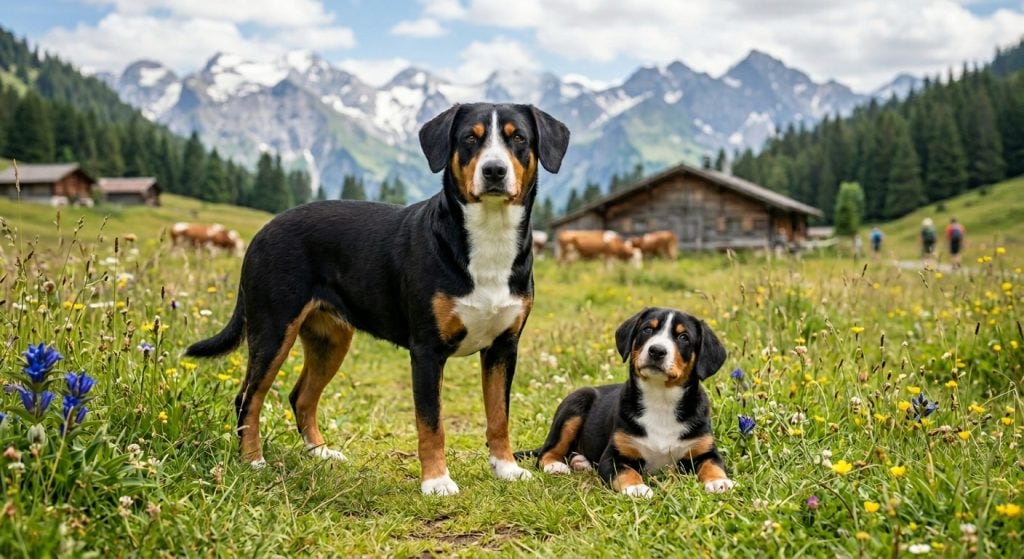
Living with an Entlebucher Mountain Dog often means sharing your space with a lively and devoted companion. They tend to form strong bonds with their families and are known for their alert and watchful nature. Many owners appreciate their enthusiasm for outdoor adventures, as well as their willingness to learn and engage with their human companions.
At a glance
Core care
- Size: Medium
- Energy: High
- Grooming: Low
- Shedding: Moderate
Support style
- Sensitivity: Moderate
- Training style: Willing
Breed guide
Choose a section to explore. These notes describe common patterns, but individual dogs vary widely.
The Entlebucher Mountain Dog’s roots lie in the Swiss Alps, where they were originally bred to herd cattle and guard livestock. This background has shaped them into a breed that is both hardworking and loyal, traits that continue to be evident in their modern-day demeanour. Their history as diligent workers means they often thrive when given a task or purpose, whether it’s participating in dog sports or simply being an active family member.
Physically, the Entlebucher Mountain Dog is a sturdy, medium-sized breed with a strong, muscular build. Their compact size allows them to be agile and quick, a necessity for their original herding duties. In everyday life, this means they are often ready for action, whether that involves a brisk walk, a game of fetch, or exploring new trails. Their tri-coloured coat, while striking, is also practical, providing some protection from the elements.
In terms of temperament, Entlebuchers are known for their enthusiastic and spirited nature. They tend to be affectionate with their families and can be quite protective, making them excellent watchdogs. However, their herding instincts can sometimes manifest as a tendency to try and ‘herd’ children or other pets, a behaviour that can be managed with proper training and socialisation. Owners often notice their keen intelligence and willingness to learn, which can make training both rewarding and enjoyable.
It’s important for potential owners to understand that while Entlebuchers have common breed traits, individual dogs can vary significantly. Factors such as genetics, upbringing, and environment all play a role in shaping a dog’s personality and behaviour. Prospective owners should be prepared for a dog that is active, intelligent, and eager to be part of the family, while also recognising that each Entlebucher will have its own unique quirks and characteristics.
Entlebucher Mountain Dogs are often described as being deeply connected to their families, with a social nature that makes them eager to participate in family activities. This breed tends to form strong bonds with their owners, often showing a preference for being close by, whether that means following you from room to room or waiting patiently for the next adventure. Their social motivations are rooted in their history as working dogs, where collaboration with humans was essential.
Owners frequently notice that Entlebuchers are both alert and protective, making them natural watchdogs. They have a tendency to be wary of strangers at first, but with proper introductions, they can warm up and become friendly. This cautious nature can be attributed to their herding background, where vigilance was a necessary trait. However, their moderate sensitivity means they generally respond well to positive reinforcement and gentle guidance.
The breed’s willingness to learn is a standout trait, often making training a rewarding experience for both dog and owner. Entlebuchers are typically eager to please, which can make them responsive to commands and eager participants in training sessions. This willingness, combined with their intelligence, allows them to excel in various canine activities, from obedience to agility.
While Entlebuchers generally have a consistent temperament, individual variations do exist. Some may be more reserved, while others are outgoing and exuberant. It’s important for owners to understand that these dogs thrive on companionship and mental stimulation. Providing them with opportunities to engage both physically and mentally can help ensure they remain well-adjusted and happy members of the household.
A typical day for an Entlebucher Mountain Dog often involves a good mix of physical activity and mental stimulation. These dogs have high energy levels and benefit from regular, vigorous exercise. Daily walks, combined with play sessions and opportunities to run and explore, are essential to meet their activity needs. Many owners find that their Entlebucher enjoys interactive games like fetch or agility training, which can provide both physical and mental enrichment.
Mental stimulation is just as important as physical exercise for this intelligent breed. Puzzle toys, scent games, and training sessions can keep their minds engaged and prevent boredom. Owners often discover that their Entlebucher thrives on challenges that require problem-solving and learning new skills. Incorporating a variety of activities into their routine can help keep them content and well-behaved.
As Entlebuchers age, their exercise needs may change, but they generally remain active throughout their lives. Puppies and young dogs typically require more frequent and intense exercise sessions to burn off energy, while older dogs might prefer more leisurely walks and gentler play. It’s important for owners to adjust their dog’s exercise routine based on their age and health, ensuring they remain fit and healthy.
While these dogs enjoy being active, it’s crucial to avoid over-exercising them, especially during hot weather. Providing plenty of water and breaks during exercise can help prevent overheating. Additionally, ensuring that exercise is varied and not repetitive can keep an Entlebucher engaged and prevent them from becoming bored or frustrated with their routine.
Training an Entlebucher Mountain Dog often feels like working with a keen and eager partner. Their willingness to learn and please their owners can make training sessions enjoyable and productive. Positive reinforcement techniques, such as treats and praise, tend to work well with this breed, encouraging them to repeat desired behaviours and learn new commands.
Impulse control can be an area to focus on, especially during their adolescent phase when they may test boundaries. Consistency and patience are key during this time, as Entlebuchers can be quite spirited and may require firm but gentle guidance. Establishing a routine and clear expectations can help them understand what is expected and build a strong foundation for good behaviour.
Building a strong relationship with your Entlebucher is crucial for successful training. They respond well to a calm and confident handler who can provide clear leadership without being harsh. Many owners find that incorporating training into daily activities, such as during walks or playtime, helps reinforce commands and strengthens the bond between dog and owner.
Adolescence can bring challenges, as with many breeds, but with consistent training and socialisation, Entlebuchers often mature into well-behaved adults. Enrolling in a course like “Puppy Beginnings: Building a Calm Start” can provide valuable guidance for first-time owners or those looking to refine their training approach, ensuring a smooth transition through the various stages of their dog’s development.
Entlebucher Mountain Dogs tend to thrive in homes where they can be active participants in daily life. They often do well in environments that provide plenty of opportunities for exercise and mental stimulation, making them suitable for families who enjoy outdoor activities. Their medium size means they can adapt to various living situations, but they generally prefer homes with access to a garden or nearby parks.
Owners often find that their Entlebucher enjoys being part of a family, and they can be good companions for children. However, their herding instincts can sometimes lead them to try and ‘herd’ kids, so supervision and training are important. With proper socialisation, they can also get along well with other pets, although their natural protectiveness may require careful introductions.
While Entlebuchers are adaptable, they are not typically suited to being left alone for long periods. They thrive on companionship and can become bored or anxious if left without interaction. Prospective owners should consider whether they can provide the time and attention this breed needs to remain happy and well-adjusted.
Ultimately, the best home for an Entlebucher is one that can offer a balance of activity, companionship, and structure. They tend to do well with owners who appreciate their energetic and loyal nature and are willing to invest time in training and enrichment. Understanding their needs and providing a supportive environment can help ensure a rewarding relationship with this spirited breed.
The health and wellbeing of an Entlebucher Mountain Dog are closely tied to their everyday lifestyle. Like many breeds, they can be prone to certain health issues, so regular veterinary check-ups are essential to catch any potential problems early. Maintaining a healthy weight through proper diet and exercise can help prevent common issues such as joint problems.
Entlebuchers are generally robust dogs, but they can be susceptible to conditions like hip dysplasia and progressive retinal atrophy. Being aware of these potential health concerns allows owners to monitor their dog’s health and seek veterinary advice if they notice any changes in mobility or vision. Early detection and management can make a significant difference in their quality of life.
Preventive care is key to keeping an Entlebucher healthy. Regular vaccinations, flea and tick prevention, and dental care should be part of their routine. Owners should also be mindful of their dog’s diet, ensuring it is balanced and appropriate for their age and activity level. Providing high-quality nutrition supports their overall health and vitality.
Understanding the breed’s health tendencies can help owners make informed decisions about their care. While it’s important to be aware of potential health issues, it’s equally important to remember that many Entlebuchers live long, healthy lives. By providing a loving, attentive environment and seeking veterinary advice when needed, owners can help ensure their dog remains a healthy and happy companion.
The Entlebucher Mountain Dog hails from the picturesque valleys of Switzerland, where they were originally bred as versatile farm dogs. Their primary role was herding cattle, a task that required intelligence, agility, and a strong work ethic. This heritage has left a lasting imprint on the breed, contributing to their modern-day traits of loyalty and energy.
Historically, the Entlebucher was one of four Swiss Mountain Dog breeds, each named after the region they originated from. The breed’s development was influenced by the need for a robust and reliable dog that could handle the rugged terrain and harsh weather conditions of the Swiss Alps. Their ability to work independently and make quick decisions was highly valued by farmers.
As the breed evolved, their role expanded beyond herding to include guarding and companionship. Their protective nature and close bond with humans made them trusted guardians of both livestock and family. This historical context helps explain their modern-day alertness and devotion to their families, traits that many owners appreciate.
Today, the Entlebucher Mountain Dog is cherished not only for their working capabilities but also for their affectionate and spirited nature. While they may not be as widely known as some other breeds, those familiar with the Entlebucher often find them to be a delightful addition to the family. Their rich history continues to influence their behaviour, making them a unique and engaging breed to live with.
What shapes individual dogs
- Early social experiences
- Training approach
- Environment & routine
- Genetics & breeding
- Health & pain
- Age / life stage
The Entlebucher Mountain Dog’s roots lie in the Swiss Alps, where they were originally bred to herd cattle and guard livestock. This background has shaped them into a breed that is both hardworking and loyal, traits that continue to be evident in their modern-day demeanour. Their history as diligent workers means they often thrive when given a task or purpose, whether it’s participating in dog sports or simply being an active family member.
Physically, the Entlebucher Mountain Dog is a sturdy, medium-sized breed with a strong, muscular build. Their compact size allows them to be agile and quick, a necessity for their original herding duties. In everyday life, this means they are often ready for action, whether that involves a brisk walk, a game of fetch, or exploring new trails. Their tri-coloured coat, while striking, is also practical, providing some protection from the elements.
In terms of temperament, Entlebuchers are known for their enthusiastic and spirited nature. They tend to be affectionate with their families and can be quite protective, making them excellent watchdogs. However, their herding instincts can sometimes manifest as a tendency to try and ‘herd’ children or other pets, a behaviour that can be managed with proper training and socialisation. Owners often notice their keen intelligence and willingness to learn, which can make training both rewarding and enjoyable.
It’s important for potential owners to understand that while Entlebuchers have common breed traits, individual dogs can vary significantly. Factors such as genetics, upbringing, and environment all play a role in shaping a dog’s personality and behaviour. Prospective owners should be prepared for a dog that is active, intelligent, and eager to be part of the family, while also recognising that each Entlebucher will have its own unique quirks and characteristics.
Entlebucher Mountain Dogs are often described as being deeply connected to their families, with a social nature that makes them eager to participate in family activities. This breed tends to form strong bonds with their owners, often showing a preference for being close by, whether that means following you from room to room or waiting patiently for the next adventure. Their social motivations are rooted in their history as working dogs, where collaboration with humans was essential.
Owners frequently notice that Entlebuchers are both alert and protective, making them natural watchdogs. They have a tendency to be wary of strangers at first, but with proper introductions, they can warm up and become friendly. This cautious nature can be attributed to their herding background, where vigilance was a necessary trait. However, their moderate sensitivity means they generally respond well to positive reinforcement and gentle guidance.
The breed’s willingness to learn is a standout trait, often making training a rewarding experience for both dog and owner. Entlebuchers are typically eager to please, which can make them responsive to commands and eager participants in training sessions. This willingness, combined with their intelligence, allows them to excel in various canine activities, from obedience to agility.
While Entlebuchers generally have a consistent temperament, individual variations do exist. Some may be more reserved, while others are outgoing and exuberant. It’s important for owners to understand that these dogs thrive on companionship and mental stimulation. Providing them with opportunities to engage both physically and mentally can help ensure they remain well-adjusted and happy members of the household.
A typical day for an Entlebucher Mountain Dog often involves a good mix of physical activity and mental stimulation. These dogs have high energy levels and benefit from regular, vigorous exercise. Daily walks, combined with play sessions and opportunities to run and explore, are essential to meet their activity needs. Many owners find that their Entlebucher enjoys interactive games like fetch or agility training, which can provide both physical and mental enrichment.
Mental stimulation is just as important as physical exercise for this intelligent breed. Puzzle toys, scent games, and training sessions can keep their minds engaged and prevent boredom. Owners often discover that their Entlebucher thrives on challenges that require problem-solving and learning new skills. Incorporating a variety of activities into their routine can help keep them content and well-behaved.
As Entlebuchers age, their exercise needs may change, but they generally remain active throughout their lives. Puppies and young dogs typically require more frequent and intense exercise sessions to burn off energy, while older dogs might prefer more leisurely walks and gentler play. It’s important for owners to adjust their dog’s exercise routine based on their age and health, ensuring they remain fit and healthy.
While these dogs enjoy being active, it’s crucial to avoid over-exercising them, especially during hot weather. Providing plenty of water and breaks during exercise can help prevent overheating. Additionally, ensuring that exercise is varied and not repetitive can keep an Entlebucher engaged and prevent them from becoming bored or frustrated with their routine.
Training an Entlebucher Mountain Dog often feels like working with a keen and eager partner. Their willingness to learn and please their owners can make training sessions enjoyable and productive. Positive reinforcement techniques, such as treats and praise, tend to work well with this breed, encouraging them to repeat desired behaviours and learn new commands.
Impulse control can be an area to focus on, especially during their adolescent phase when they may test boundaries. Consistency and patience are key during this time, as Entlebuchers can be quite spirited and may require firm but gentle guidance. Establishing a routine and clear expectations can help them understand what is expected and build a strong foundation for good behaviour.
Building a strong relationship with your Entlebucher is crucial for successful training. They respond well to a calm and confident handler who can provide clear leadership without being harsh. Many owners find that incorporating training into daily activities, such as during walks or playtime, helps reinforce commands and strengthens the bond between dog and owner.
Adolescence can bring challenges, as with many breeds, but with consistent training and socialisation, Entlebuchers often mature into well-behaved adults. Enrolling in a course like “Puppy Beginnings: Building a Calm Start” can provide valuable guidance for first-time owners or those looking to refine their training approach, ensuring a smooth transition through the various stages of their dog’s development.
Entlebucher Mountain Dogs tend to thrive in homes where they can be active participants in daily life. They often do well in environments that provide plenty of opportunities for exercise and mental stimulation, making them suitable for families who enjoy outdoor activities. Their medium size means they can adapt to various living situations, but they generally prefer homes with access to a garden or nearby parks.
Owners often find that their Entlebucher enjoys being part of a family, and they can be good companions for children. However, their herding instincts can sometimes lead them to try and ‘herd’ kids, so supervision and training are important. With proper socialisation, they can also get along well with other pets, although their natural protectiveness may require careful introductions.
While Entlebuchers are adaptable, they are not typically suited to being left alone for long periods. They thrive on companionship and can become bored or anxious if left without interaction. Prospective owners should consider whether they can provide the time and attention this breed needs to remain happy and well-adjusted.
Ultimately, the best home for an Entlebucher is one that can offer a balance of activity, companionship, and structure. They tend to do well with owners who appreciate their energetic and loyal nature and are willing to invest time in training and enrichment. Understanding their needs and providing a supportive environment can help ensure a rewarding relationship with this spirited breed.
The health and wellbeing of an Entlebucher Mountain Dog are closely tied to their everyday lifestyle. Like many breeds, they can be prone to certain health issues, so regular veterinary check-ups are essential to catch any potential problems early. Maintaining a healthy weight through proper diet and exercise can help prevent common issues such as joint problems.
Entlebuchers are generally robust dogs, but they can be susceptible to conditions like hip dysplasia and progressive retinal atrophy. Being aware of these potential health concerns allows owners to monitor their dog’s health and seek veterinary advice if they notice any changes in mobility or vision. Early detection and management can make a significant difference in their quality of life.
Preventive care is key to keeping an Entlebucher healthy. Regular vaccinations, flea and tick prevention, and dental care should be part of their routine. Owners should also be mindful of their dog’s diet, ensuring it is balanced and appropriate for their age and activity level. Providing high-quality nutrition supports their overall health and vitality.
Understanding the breed’s health tendencies can help owners make informed decisions about their care. While it’s important to be aware of potential health issues, it’s equally important to remember that many Entlebuchers live long, healthy lives. By providing a loving, attentive environment and seeking veterinary advice when needed, owners can help ensure their dog remains a healthy and happy companion.
The Entlebucher Mountain Dog hails from the picturesque valleys of Switzerland, where they were originally bred as versatile farm dogs. Their primary role was herding cattle, a task that required intelligence, agility, and a strong work ethic. This heritage has left a lasting imprint on the breed, contributing to their modern-day traits of loyalty and energy.
Historically, the Entlebucher was one of four Swiss Mountain Dog breeds, each named after the region they originated from. The breed’s development was influenced by the need for a robust and reliable dog that could handle the rugged terrain and harsh weather conditions of the Swiss Alps. Their ability to work independently and make quick decisions was highly valued by farmers.
As the breed evolved, their role expanded beyond herding to include guarding and companionship. Their protective nature and close bond with humans made them trusted guardians of both livestock and family. This historical context helps explain their modern-day alertness and devotion to their families, traits that many owners appreciate.
Today, the Entlebucher Mountain Dog is cherished not only for their working capabilities but also for their affectionate and spirited nature. While they may not be as widely known as some other breeds, those familiar with the Entlebucher often find them to be a delightful addition to the family. Their rich history continues to influence their behaviour, making them a unique and engaging breed to live with.
What shapes individual dogs
- Early social experiences
- Training approach
- Environment & routine
- Genetics & breeding
- Health & pain
- Age / life stage
Want support with this?
This course is relevant for Entlebucher owners to help navigate the challenges of adolescence and build a strong foundation for a well-behaved adult dog.