
Dogo Argentino
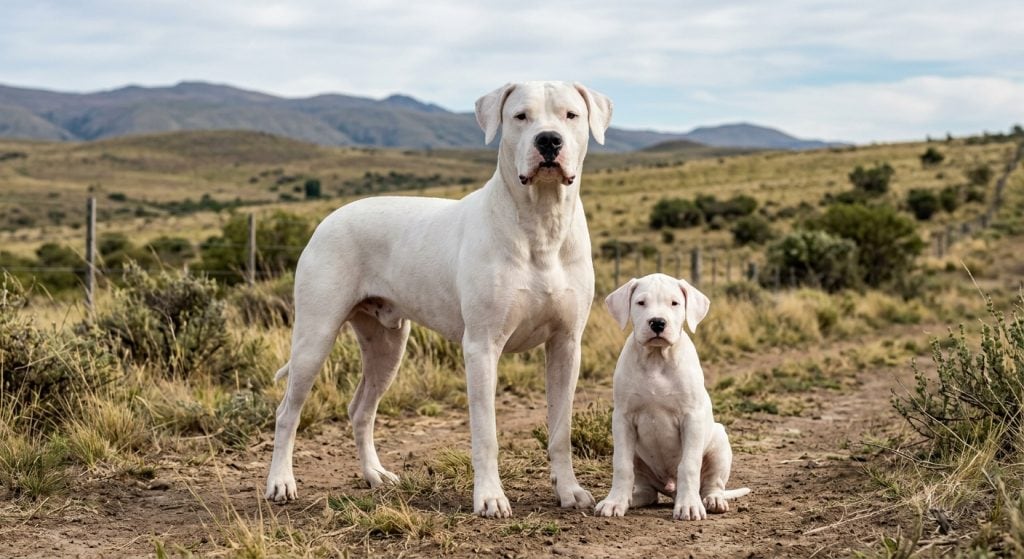
Living with a Dogo Argentino often means sharing your space with a devoted and protective companion. These dogs are known for their strong presence and unwavering loyalty, making them keen guardians of their family. Despite their formidable appearance, many owners find them to be gentle and affectionate with those they trust, creating a unique balance of strength and tenderness.
At a glance
Core care
- Size: Large
- Energy: High
- Grooming: Low
- Shedding: Moderate
Support style
- Sensitivity: Moderate
- Training style: Willing
Breed guide
Choose a section to explore. These notes describe common patterns, but individual dogs vary widely.
The Dogo Argentino was originally bred in Argentina for big-game hunting, a purpose that has shaped its strong, muscular build and courageous nature. This breed’s history as a hunter explains its high energy levels and need for regular physical activity. In modern times, these dogs are often seen as loyal family protectors, their instincts making them both vigilant and affectionate companions.
In terms of physical characteristics, the Dogo Argentino is a large, athletic dog with a striking white coat. This coat, while low in grooming needs, does require regular checks for dirt and debris, especially after outdoor adventures. Owners often notice the breed’s powerful stance and graceful movement, which are a testament to its working background.
Temperamentally, the Dogo Argentino is known for its loyalty and protective nature. Many owners observe a deep bond with their dog, who often seeks to be near family members. While they can be wary of strangers, proper socialisation from a young age helps them become well-adjusted adults. The breed’s moderate sensitivity means they respond well to gentle, consistent training methods.
It’s important for potential owners to understand that while the Dogo Argentino has certain breed tendencies, individual dogs can vary greatly. Factors such as genetics, upbringing, and environment all play a role in shaping a dog’s personality and behaviour. Prospective owners should be prepared for a commitment to training and socialisation to ensure a well-rounded companion.
Many Dogo Argentino owners quickly notice the breed’s strong social nature, often characterised by a deep attachment to their family. This loyalty is a hallmark of the breed, stemming from their history as both hunters and protectors. In everyday life, this means a Dogo Argentino is likely to follow family members from room to room, always wanting to be involved in the action.
The breed’s protective instincts can manifest in a watchful eye over their home and loved ones. While this makes them excellent guardians, it also requires mindful socialisation to ensure they are comfortable with new people and situations. Owners often find that exposing their Dogo Argentino to a variety of environments and experiences from a young age helps them grow into confident adults.
Sensitivity in the Dogo Argentino is moderate, meaning they are generally responsive to their owner’s emotions and commands. This trait, combined with their willingness to learn, makes them relatively trainable. However, they do best with positive reinforcement techniques, as harsh methods can lead to resistance or anxiety.
Overall, living with a Dogo Argentino can be a rewarding experience for those who appreciate their unique blend of strength and affection. While they have strong protective instincts, many owners find that with the right balance of training and socialisation, they become gentle giants who are both loving and reliable companions.
A typical day for a Dogo Argentino involves plenty of physical activity, reflecting their high energy levels and working dog heritage. Owners often find that long walks, runs, or hikes are essential to meet their exercise needs. These dogs thrive on having a job to do, whether it’s playing fetch, participating in agility, or simply accompanying their owner on daily errands.
Mental enrichment is just as important as physical exercise for this intelligent breed. Puzzle toys, scent games, and obedience training sessions can help keep their minds sharp and engaged. Many owners discover that a combination of physical and mental challenges helps prevent boredom and the potential for destructive behaviours.
As Dogo Argentinos age, their exercise needs may change. While younger dogs might require more vigorous activity, older dogs can benefit from gentler, yet still engaging, forms of exercise. Regular vet check-ups can help ensure that their activity level is appropriate for their age and health status.
It’s important to note that while Dogo Argentinos enjoy being active, they also appreciate downtime with their family. A balance of exercise, mental stimulation, and relaxation helps maintain their overall well-being and strengthens the bond between dog and owner.
Training a Dogo Argentino often feels like working with a willing and eager student, as they are generally responsive to their owner’s guidance. Their trainability is enhanced by their desire to please, making positive reinforcement techniques particularly effective. Many owners find that consistency and patience are key to successful training.
Impulse control can be a challenge, especially during adolescence when these dogs are full of energy and curiosity. Structured training sessions that focus on basic commands and impulse control exercises can help guide them through this phase. Owners often notice that a strong foundation in obedience training can make a significant difference in managing their dog’s behaviour.
The relationship between owner and dog is crucial in training a Dogo Argentino. Building trust through regular, positive interactions helps reinforce desired behaviours and creates a harmonious living environment. Many owners find that engaging with their dog in various activities strengthens their bond and enhances training outcomes.
For those new to the breed or dog training in general, seeking guidance from professional trainers or enrolling in obedience classes can be beneficial. These resources provide valuable insights and support, helping owners navigate the challenges and joys of training their Dogo Argentino.
The Dogo Argentino tends to thrive in homes where they have ample space to move and play. They are well-suited to families who enjoy an active lifestyle and can provide plenty of physical and mental stimulation. Many owners find that a home with a secure garden offers the perfect environment for their dog to explore and exercise safely.
Living with children can be a positive experience for the Dogo Argentino, as they are often gentle and protective with their family members. However, supervision and teaching children how to interact respectfully with dogs are crucial to ensure harmonious relationships. Many owners appreciate the breed’s patience and tolerance with kids.
When it comes to other pets, early socialisation plays a significant role in how a Dogo Argentino will interact with them. While some may get along well with other animals, others may have a stronger prey drive due to their hunting background. Introducing them to other pets gradually and under controlled conditions can help foster positive relationships.
Ultimately, the Dogo Argentino is a versatile breed that can adapt to various living situations, provided their needs for exercise, companionship, and training are met. Prospective owners should consider their lifestyle and ability to commit to the breed’s requirements before bringing one into their home.
The health of a Dogo Argentino is closely tied to their overall well-being and quality of life. Regular veterinary check-ups and a balanced diet are fundamental to maintaining their health. Owners often find that preventive care, such as vaccinations and parasite control, plays a crucial role in keeping their dog healthy.
Some health considerations specific to the breed include hip dysplasia and deafness, which can occur in Dogo Argentinos. Regular screenings and early detection can help manage these conditions effectively. Owners should be aware of any changes in their dog’s behaviour or mobility, as these can be indicators of underlying health issues.
Understanding the connection between health and behaviour is important for Dogo Argentino owners. A dog in discomfort or pain may exhibit changes in temperament or activity levels. Being attentive to these signs and seeking veterinary advice when necessary can help address potential health concerns promptly.
Overall, a proactive approach to health care, including regular exercise and mental stimulation, contributes to a Dogo Argentino’s longevity and happiness. By staying informed and vigilant, owners can ensure their dog leads a fulfilling and healthy life.
The Dogo Argentino’s origins trace back to the early 20th century in Argentina, where it was developed by Dr. Antonio Nores Martinez. His vision was to create a versatile hunting dog capable of taking on big game such as wild boar and puma. This purpose required a dog with strength, endurance, and a courageous spirit, all traits that are still evident in the breed today.
Dr. Martinez achieved this by crossbreeding several breeds, including the Cordoba Fighting Dog, Pointer, Boxer, and Great Dane, among others. The result was a dog with a powerful build and a keen hunting instinct, yet with a stable temperament suitable for family life. This careful selection process laid the foundation for the Dogo Argentino’s unique characteristics.
As the breed developed, it gained recognition not only for its hunting prowess but also for its loyalty and protective nature. These traits made the Dogo Argentino a popular choice for families seeking a guardian and companion. Today, the breed is known for its versatility, excelling in roles beyond hunting, such as search and rescue, therapy work, and as a devoted family pet.
Understanding the Dogo Argentino’s history provides insight into its modern-day behaviour and needs. The breed’s working origins explain its high energy levels and need for regular exercise, while its protective instincts underscore the importance of early socialisation and training. This rich history continues to shape the Dogo Argentino, making it a distinctive and cherished breed.
What shapes individual dogs
- Early social experiences
- Training approach
- Environment & routine
- Genetics & breeding
- Health & pain
- Age / life stage
The Dogo Argentino was originally bred in Argentina for big-game hunting, a purpose that has shaped its strong, muscular build and courageous nature. This breed’s history as a hunter explains its high energy levels and need for regular physical activity. In modern times, these dogs are often seen as loyal family protectors, their instincts making them both vigilant and affectionate companions.
In terms of physical characteristics, the Dogo Argentino is a large, athletic dog with a striking white coat. This coat, while low in grooming needs, does require regular checks for dirt and debris, especially after outdoor adventures. Owners often notice the breed’s powerful stance and graceful movement, which are a testament to its working background.
Temperamentally, the Dogo Argentino is known for its loyalty and protective nature. Many owners observe a deep bond with their dog, who often seeks to be near family members. While they can be wary of strangers, proper socialisation from a young age helps them become well-adjusted adults. The breed’s moderate sensitivity means they respond well to gentle, consistent training methods.
It’s important for potential owners to understand that while the Dogo Argentino has certain breed tendencies, individual dogs can vary greatly. Factors such as genetics, upbringing, and environment all play a role in shaping a dog’s personality and behaviour. Prospective owners should be prepared for a commitment to training and socialisation to ensure a well-rounded companion.
Many Dogo Argentino owners quickly notice the breed’s strong social nature, often characterised by a deep attachment to their family. This loyalty is a hallmark of the breed, stemming from their history as both hunters and protectors. In everyday life, this means a Dogo Argentino is likely to follow family members from room to room, always wanting to be involved in the action.
The breed’s protective instincts can manifest in a watchful eye over their home and loved ones. While this makes them excellent guardians, it also requires mindful socialisation to ensure they are comfortable with new people and situations. Owners often find that exposing their Dogo Argentino to a variety of environments and experiences from a young age helps them grow into confident adults.
Sensitivity in the Dogo Argentino is moderate, meaning they are generally responsive to their owner’s emotions and commands. This trait, combined with their willingness to learn, makes them relatively trainable. However, they do best with positive reinforcement techniques, as harsh methods can lead to resistance or anxiety.
Overall, living with a Dogo Argentino can be a rewarding experience for those who appreciate their unique blend of strength and affection. While they have strong protective instincts, many owners find that with the right balance of training and socialisation, they become gentle giants who are both loving and reliable companions.
A typical day for a Dogo Argentino involves plenty of physical activity, reflecting their high energy levels and working dog heritage. Owners often find that long walks, runs, or hikes are essential to meet their exercise needs. These dogs thrive on having a job to do, whether it’s playing fetch, participating in agility, or simply accompanying their owner on daily errands.
Mental enrichment is just as important as physical exercise for this intelligent breed. Puzzle toys, scent games, and obedience training sessions can help keep their minds sharp and engaged. Many owners discover that a combination of physical and mental challenges helps prevent boredom and the potential for destructive behaviours.
As Dogo Argentinos age, their exercise needs may change. While younger dogs might require more vigorous activity, older dogs can benefit from gentler, yet still engaging, forms of exercise. Regular vet check-ups can help ensure that their activity level is appropriate for their age and health status.
It’s important to note that while Dogo Argentinos enjoy being active, they also appreciate downtime with their family. A balance of exercise, mental stimulation, and relaxation helps maintain their overall well-being and strengthens the bond between dog and owner.
Training a Dogo Argentino often feels like working with a willing and eager student, as they are generally responsive to their owner’s guidance. Their trainability is enhanced by their desire to please, making positive reinforcement techniques particularly effective. Many owners find that consistency and patience are key to successful training.
Impulse control can be a challenge, especially during adolescence when these dogs are full of energy and curiosity. Structured training sessions that focus on basic commands and impulse control exercises can help guide them through this phase. Owners often notice that a strong foundation in obedience training can make a significant difference in managing their dog’s behaviour.
The relationship between owner and dog is crucial in training a Dogo Argentino. Building trust through regular, positive interactions helps reinforce desired behaviours and creates a harmonious living environment. Many owners find that engaging with their dog in various activities strengthens their bond and enhances training outcomes.
For those new to the breed or dog training in general, seeking guidance from professional trainers or enrolling in obedience classes can be beneficial. These resources provide valuable insights and support, helping owners navigate the challenges and joys of training their Dogo Argentino.
The Dogo Argentino tends to thrive in homes where they have ample space to move and play. They are well-suited to families who enjoy an active lifestyle and can provide plenty of physical and mental stimulation. Many owners find that a home with a secure garden offers the perfect environment for their dog to explore and exercise safely.
Living with children can be a positive experience for the Dogo Argentino, as they are often gentle and protective with their family members. However, supervision and teaching children how to interact respectfully with dogs are crucial to ensure harmonious relationships. Many owners appreciate the breed’s patience and tolerance with kids.
When it comes to other pets, early socialisation plays a significant role in how a Dogo Argentino will interact with them. While some may get along well with other animals, others may have a stronger prey drive due to their hunting background. Introducing them to other pets gradually and under controlled conditions can help foster positive relationships.
Ultimately, the Dogo Argentino is a versatile breed that can adapt to various living situations, provided their needs for exercise, companionship, and training are met. Prospective owners should consider their lifestyle and ability to commit to the breed’s requirements before bringing one into their home.
The health of a Dogo Argentino is closely tied to their overall well-being and quality of life. Regular veterinary check-ups and a balanced diet are fundamental to maintaining their health. Owners often find that preventive care, such as vaccinations and parasite control, plays a crucial role in keeping their dog healthy.
Some health considerations specific to the breed include hip dysplasia and deafness, which can occur in Dogo Argentinos. Regular screenings and early detection can help manage these conditions effectively. Owners should be aware of any changes in their dog’s behaviour or mobility, as these can be indicators of underlying health issues.
Understanding the connection between health and behaviour is important for Dogo Argentino owners. A dog in discomfort or pain may exhibit changes in temperament or activity levels. Being attentive to these signs and seeking veterinary advice when necessary can help address potential health concerns promptly.
Overall, a proactive approach to health care, including regular exercise and mental stimulation, contributes to a Dogo Argentino’s longevity and happiness. By staying informed and vigilant, owners can ensure their dog leads a fulfilling and healthy life.
The Dogo Argentino’s origins trace back to the early 20th century in Argentina, where it was developed by Dr. Antonio Nores Martinez. His vision was to create a versatile hunting dog capable of taking on big game such as wild boar and puma. This purpose required a dog with strength, endurance, and a courageous spirit, all traits that are still evident in the breed today.
Dr. Martinez achieved this by crossbreeding several breeds, including the Cordoba Fighting Dog, Pointer, Boxer, and Great Dane, among others. The result was a dog with a powerful build and a keen hunting instinct, yet with a stable temperament suitable for family life. This careful selection process laid the foundation for the Dogo Argentino’s unique characteristics.
As the breed developed, it gained recognition not only for its hunting prowess but also for its loyalty and protective nature. These traits made the Dogo Argentino a popular choice for families seeking a guardian and companion. Today, the breed is known for its versatility, excelling in roles beyond hunting, such as search and rescue, therapy work, and as a devoted family pet.
Understanding the Dogo Argentino’s history provides insight into its modern-day behaviour and needs. The breed’s working origins explain its high energy levels and need for regular exercise, while its protective instincts underscore the importance of early socialisation and training. This rich history continues to shape the Dogo Argentino, making it a distinctive and cherished breed.
What shapes individual dogs
- Early social experiences
- Training approach
- Environment & routine
- Genetics & breeding
- Health & pain
- Age / life stage
Want support with this?
This course is ideal for understanding the Dogo Argentino's complex temperament and enhancing your bond with them.