
Collie
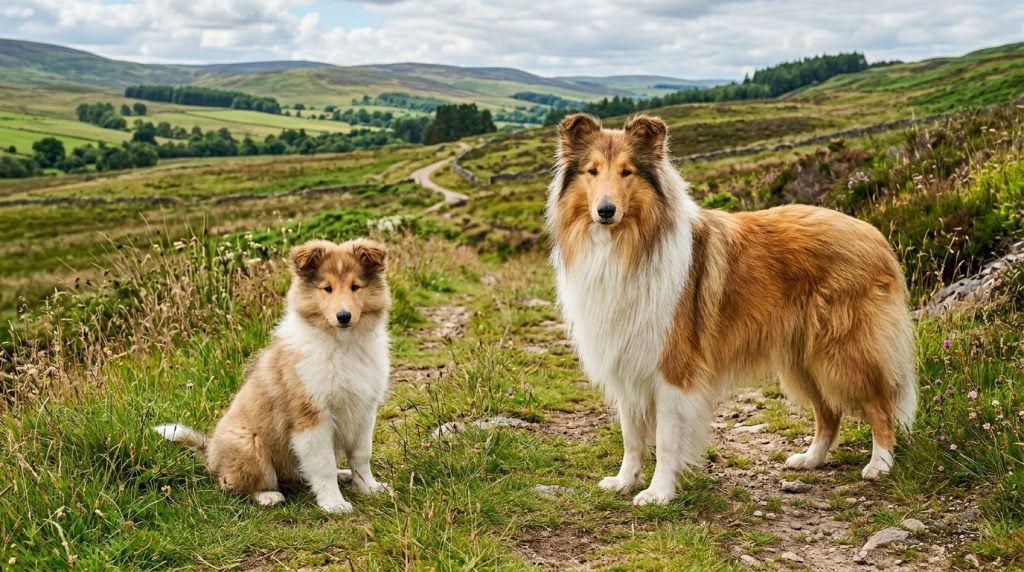
Living with a Collie often means sharing your home with a dog that thrives on interaction and activity. Their keen intelligence and sensitivity make them highly attuned to their family's emotions, often responding with a gentle nudge or a watchful gaze. Many owners find that a Collie is happiest when they have a role to play, whether that's herding children in the garden or simply being a constant companion.
At a glance
Core care
- Size: Medium
- Energy: High
- Grooming: Low
- Shedding: High
Support style
- Sensitivity: High
- Training style: Highly responsive
Breed guide
Choose a section to explore. These notes describe common patterns, but individual dogs vary widely.
The Collie has its roots in the rugged landscapes of Scotland, where it was bred to herd sheep across vast, open fields. This herding background has shaped the Collie into a dog that is both intelligent and eager to work, traits that are still evident in the breed today. Many Collies are happiest when they have a purpose, whether that’s participating in agility sports or simply accompanying their owners on long walks. Their history as working dogs means they often excel in environments where they can use their natural instincts.
Physically, Collies are medium-sized with a graceful build that supports their active lifestyle. Their long, flowing coat is not just for show; it offers protection against harsh weather, a nod to their working past. In everyday life, this means regular grooming is necessary to keep their coat healthy and free from tangles. Owners often find themselves brushing their Collie several times a week to manage shedding and maintain that iconic appearance.
Temperament-wise, Collies are known for their gentle and friendly nature. They tend to form strong bonds with their families and are often very protective of them. This can manifest as a watchful presence, always seeming to know where everyone is and what they’re doing. However, individual Collies can vary, with some being more reserved and others quite outgoing. Their high sensitivity means they often pick up on their owner’s moods, making them excellent companions for those who appreciate a dog that is in tune with their emotions.
While Collies are generally well-mannered, it’s important for potential owners to remember that each dog is an individual. Early socialisation and consistent training can help bring out the best in a Collie, but their inherent traits and personality will also play a significant role in their behaviour. Understanding and appreciating these nuances is key to a fulfilling relationship with this remarkable breed.
Collies are often described as being highly social dogs, thriving in environments where they can interact with both people and other animals. This social nature stems from their herding background, where working closely with shepherds and livestock was essential. Owners typically notice that their Collie enjoys being part of the family activities, whether that’s playing in the garden or simply being nearby during a quiet evening at home.
The breed’s high sensitivity is another notable trait, often making them very responsive to their owner’s emotions. This sensitivity can be both a blessing and a challenge. On one hand, it allows Collies to be incredibly empathetic companions, often providing comfort when their human is feeling down. On the other hand, it means they may become stressed in chaotic or tense environments, so a calm household is often best.
Collies are also known for their trainability, which is frequently attributed to their intelligence and eagerness to please. Training a Collie can be a rewarding experience as they tend to pick up commands quickly and enjoy learning new tasks. However, their intelligence means they can become bored easily if not mentally stimulated, so owners often find success by incorporating variety into training sessions.
Despite their generally friendly disposition, Collies can exhibit a range of personalities. Some may be more reserved with strangers, while others are outgoing and eager to make new friends. This variation means it’s important for owners to spend time getting to know their individual Collie’s preferences and comfort zones. Understanding these tendencies can help foster a strong bond and ensure a happy, well-adjusted pet.
A typical day for a Collie involves a good mix of physical exercise and mental enrichment. Given their high energy levels, Collies benefit from daily walks, play sessions, and opportunities to run freely in a safe, enclosed area. Many owners find that their Collie enjoys activities like fetch or frisbee, which can provide both physical exertion and mental engagement.
In addition to physical exercise, Collies thrive on mental stimulation. Puzzle toys, scent games, and training sessions can all help keep their minds sharp and prevent boredom. Agility and obedience training are also excellent outlets for their energy and intelligence, offering both physical and mental challenges.
As Collies age, their exercise needs may change. While younger dogs may require more vigorous activity, older Collies might prefer more leisurely walks and gentler play. It’s important for owners to adjust their routines to suit their dog’s life stage, ensuring they remain active without overexertion.
Owners should be mindful of not overdoing exercise, especially in extreme weather conditions. Collies are sensitive to heat, so it’s best to schedule outdoor activities during cooler parts of the day. By balancing physical and mental enrichment, owners can help their Collie lead a happy and healthy life.
Training a Collie often feels like a partnership, as these dogs are highly responsive and eager to learn. Their intelligence and willingness to please make them a joy to train, but it’s important to approach training with patience and consistency. Positive reinforcement techniques, such as treats and praise, are particularly effective with this breed.
Impulse control can be an area where Collies need extra support, especially during their adolescent phase. Many owners find that teaching basic commands like ‘sit’, ‘stay’, and ‘leave it’ can help manage their natural enthusiasm. Consistent practice and clear communication are key to helping a Collie understand what is expected of them.
Adolescence can be a challenging time for Collie owners, as their dogs may test boundaries and exhibit more independent behaviour. During this phase, maintaining a strong relationship and continuing regular training sessions can help guide them through this period. Patience and understanding go a long way in helping a young Collie mature into a well-behaved adult.
Ultimately, the bond between a Collie and their owner is central to successful training. Building trust and mutual respect creates a foundation that supports lifelong learning and cooperation. With the right approach, training a Collie can be a rewarding experience for both dog and owner.
Collies tend to thrive in homes where they can be active participants in family life. They often do well in environments that offer plenty of space to move around, such as homes with gardens or access to open areas. However, they can also adapt to smaller living spaces if their exercise needs are met through regular walks and play.
Many Collie owners find that their dogs get along well with children, often displaying a gentle and protective nature. Their herding instincts can sometimes lead to them trying to ’round up’ young children, so supervision is recommended to ensure play remains safe and enjoyable for everyone involved.
When it comes to other pets, Collies generally do well, especially if they are introduced to them at a young age. Their herding background means they may try to herd other animals, but with proper training and socialisation, they can learn to coexist peacefully. It’s important for owners to monitor interactions and provide guidance as needed.
Overall, a Collie can fit well into a variety of lifestyles, provided they receive the attention, exercise, and mental stimulation they need. Understanding their needs and tendencies can help potential owners decide if a Collie is the right match for their home.
Maintaining a Collie’s health is integral to their overall wellbeing and happiness. Regular veterinary check-ups, a balanced diet, and appropriate exercise all contribute to keeping them in good shape. Owners often find that a healthy Collie is a more content and well-behaved companion.
There are certain health considerations that Collie owners should be aware of, such as eye conditions and hip dysplasia. Regular screenings and early detection can help manage these issues effectively. Understanding the signs of potential health problems and seeking veterinary advice promptly can make a significant difference.
Preventive care, such as vaccinations and parasite control, is essential for a Collie’s health. Keeping up with these routine measures helps protect them from common diseases and ensures they remain active and vibrant throughout their lives.
Health can also influence behaviour, as a Collie in discomfort may become withdrawn or irritable. By staying attuned to changes in their dog’s behaviour, owners can often catch health issues early. This attentive approach, combined with professional veterinary care, helps ensure a long and healthy life for their Collie.
The Collie’s history is deeply rooted in the pastoral landscapes of Scotland, where they were originally bred to herd sheep. Their ability to work tirelessly across rough terrain made them invaluable to shepherds, who relied on their intelligence and agility to manage flocks. This working heritage has left a lasting imprint on the breed, influencing their temperament and abilities today.
As the breed developed, Collies gained recognition for their versatility and loyalty. They were not only adept at herding but also became cherished companions for families. Queen Victoria’s fondness for the breed in the 19th century further popularised Collies, leading to their spread beyond the Scottish borders.
The breed’s evolution continued as they were refined for both their working capabilities and their appearance. This dual focus resulted in the Collie we know today, a dog that is both beautiful and highly functional. Their history as working dogs explains their need for mental and physical stimulation, as well as their strong bond with humans.
Understanding the Collie’s origins helps owners appreciate their natural instincts and behaviours. Their past as herding dogs is reflected in their intelligence, sensitivity, and eagerness to please, qualities that make them both capable working dogs and beloved family members.
What shapes individual dogs
- Early social experiences
- Training approach
- Environment & routine
- Genetics & breeding
- Health & pain
- Age / life stage
The Collie has its roots in the rugged landscapes of Scotland, where it was bred to herd sheep across vast, open fields. This herding background has shaped the Collie into a dog that is both intelligent and eager to work, traits that are still evident in the breed today. Many Collies are happiest when they have a purpose, whether that’s participating in agility sports or simply accompanying their owners on long walks. Their history as working dogs means they often excel in environments where they can use their natural instincts.
Physically, Collies are medium-sized with a graceful build that supports their active lifestyle. Their long, flowing coat is not just for show; it offers protection against harsh weather, a nod to their working past. In everyday life, this means regular grooming is necessary to keep their coat healthy and free from tangles. Owners often find themselves brushing their Collie several times a week to manage shedding and maintain that iconic appearance.
Temperament-wise, Collies are known for their gentle and friendly nature. They tend to form strong bonds with their families and are often very protective of them. This can manifest as a watchful presence, always seeming to know where everyone is and what they’re doing. However, individual Collies can vary, with some being more reserved and others quite outgoing. Their high sensitivity means they often pick up on their owner’s moods, making them excellent companions for those who appreciate a dog that is in tune with their emotions.
While Collies are generally well-mannered, it’s important for potential owners to remember that each dog is an individual. Early socialisation and consistent training can help bring out the best in a Collie, but their inherent traits and personality will also play a significant role in their behaviour. Understanding and appreciating these nuances is key to a fulfilling relationship with this remarkable breed.
Collies are often described as being highly social dogs, thriving in environments where they can interact with both people and other animals. This social nature stems from their herding background, where working closely with shepherds and livestock was essential. Owners typically notice that their Collie enjoys being part of the family activities, whether that’s playing in the garden or simply being nearby during a quiet evening at home.
The breed’s high sensitivity is another notable trait, often making them very responsive to their owner’s emotions. This sensitivity can be both a blessing and a challenge. On one hand, it allows Collies to be incredibly empathetic companions, often providing comfort when their human is feeling down. On the other hand, it means they may become stressed in chaotic or tense environments, so a calm household is often best.
Collies are also known for their trainability, which is frequently attributed to their intelligence and eagerness to please. Training a Collie can be a rewarding experience as they tend to pick up commands quickly and enjoy learning new tasks. However, their intelligence means they can become bored easily if not mentally stimulated, so owners often find success by incorporating variety into training sessions.
Despite their generally friendly disposition, Collies can exhibit a range of personalities. Some may be more reserved with strangers, while others are outgoing and eager to make new friends. This variation means it’s important for owners to spend time getting to know their individual Collie’s preferences and comfort zones. Understanding these tendencies can help foster a strong bond and ensure a happy, well-adjusted pet.
A typical day for a Collie involves a good mix of physical exercise and mental enrichment. Given their high energy levels, Collies benefit from daily walks, play sessions, and opportunities to run freely in a safe, enclosed area. Many owners find that their Collie enjoys activities like fetch or frisbee, which can provide both physical exertion and mental engagement.
In addition to physical exercise, Collies thrive on mental stimulation. Puzzle toys, scent games, and training sessions can all help keep their minds sharp and prevent boredom. Agility and obedience training are also excellent outlets for their energy and intelligence, offering both physical and mental challenges.
As Collies age, their exercise needs may change. While younger dogs may require more vigorous activity, older Collies might prefer more leisurely walks and gentler play. It’s important for owners to adjust their routines to suit their dog’s life stage, ensuring they remain active without overexertion.
Owners should be mindful of not overdoing exercise, especially in extreme weather conditions. Collies are sensitive to heat, so it’s best to schedule outdoor activities during cooler parts of the day. By balancing physical and mental enrichment, owners can help their Collie lead a happy and healthy life.
Training a Collie often feels like a partnership, as these dogs are highly responsive and eager to learn. Their intelligence and willingness to please make them a joy to train, but it’s important to approach training with patience and consistency. Positive reinforcement techniques, such as treats and praise, are particularly effective with this breed.
Impulse control can be an area where Collies need extra support, especially during their adolescent phase. Many owners find that teaching basic commands like ‘sit’, ‘stay’, and ‘leave it’ can help manage their natural enthusiasm. Consistent practice and clear communication are key to helping a Collie understand what is expected of them.
Adolescence can be a challenging time for Collie owners, as their dogs may test boundaries and exhibit more independent behaviour. During this phase, maintaining a strong relationship and continuing regular training sessions can help guide them through this period. Patience and understanding go a long way in helping a young Collie mature into a well-behaved adult.
Ultimately, the bond between a Collie and their owner is central to successful training. Building trust and mutual respect creates a foundation that supports lifelong learning and cooperation. With the right approach, training a Collie can be a rewarding experience for both dog and owner.
Collies tend to thrive in homes where they can be active participants in family life. They often do well in environments that offer plenty of space to move around, such as homes with gardens or access to open areas. However, they can also adapt to smaller living spaces if their exercise needs are met through regular walks and play.
Many Collie owners find that their dogs get along well with children, often displaying a gentle and protective nature. Their herding instincts can sometimes lead to them trying to ’round up’ young children, so supervision is recommended to ensure play remains safe and enjoyable for everyone involved.
When it comes to other pets, Collies generally do well, especially if they are introduced to them at a young age. Their herding background means they may try to herd other animals, but with proper training and socialisation, they can learn to coexist peacefully. It’s important for owners to monitor interactions and provide guidance as needed.
Overall, a Collie can fit well into a variety of lifestyles, provided they receive the attention, exercise, and mental stimulation they need. Understanding their needs and tendencies can help potential owners decide if a Collie is the right match for their home.
Maintaining a Collie’s health is integral to their overall wellbeing and happiness. Regular veterinary check-ups, a balanced diet, and appropriate exercise all contribute to keeping them in good shape. Owners often find that a healthy Collie is a more content and well-behaved companion.
There are certain health considerations that Collie owners should be aware of, such as eye conditions and hip dysplasia. Regular screenings and early detection can help manage these issues effectively. Understanding the signs of potential health problems and seeking veterinary advice promptly can make a significant difference.
Preventive care, such as vaccinations and parasite control, is essential for a Collie’s health. Keeping up with these routine measures helps protect them from common diseases and ensures they remain active and vibrant throughout their lives.
Health can also influence behaviour, as a Collie in discomfort may become withdrawn or irritable. By staying attuned to changes in their dog’s behaviour, owners can often catch health issues early. This attentive approach, combined with professional veterinary care, helps ensure a long and healthy life for their Collie.
The Collie’s history is deeply rooted in the pastoral landscapes of Scotland, where they were originally bred to herd sheep. Their ability to work tirelessly across rough terrain made them invaluable to shepherds, who relied on their intelligence and agility to manage flocks. This working heritage has left a lasting imprint on the breed, influencing their temperament and abilities today.
As the breed developed, Collies gained recognition for their versatility and loyalty. They were not only adept at herding but also became cherished companions for families. Queen Victoria’s fondness for the breed in the 19th century further popularised Collies, leading to their spread beyond the Scottish borders.
The breed’s evolution continued as they were refined for both their working capabilities and their appearance. This dual focus resulted in the Collie we know today, a dog that is both beautiful and highly functional. Their history as working dogs explains their need for mental and physical stimulation, as well as their strong bond with humans.
Understanding the Collie’s origins helps owners appreciate their natural instincts and behaviours. Their past as herding dogs is reflected in their intelligence, sensitivity, and eagerness to please, qualities that make them both capable working dogs and beloved family members.
What shapes individual dogs
- Early social experiences
- Training approach
- Environment & routine
- Genetics & breeding
- Health & pain
- Age / life stage
Want support with this?
This course offers valuable insights into the Collie's complex temperament and sensitivity, helping owners build a deeper understanding of their dog's behaviour.