
Clumber Spaniel
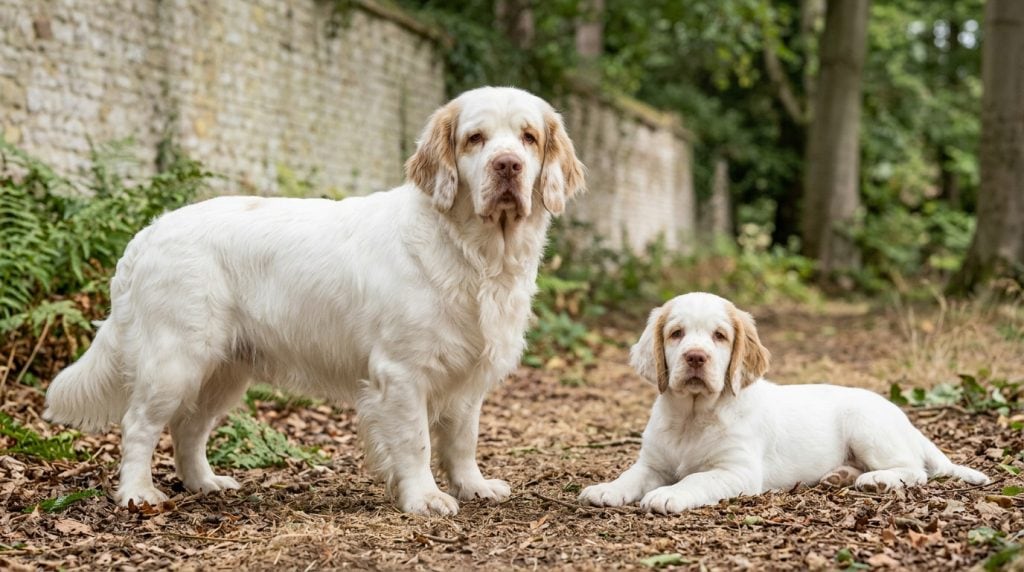
Living with a Clumber Spaniel often means sharing your space with a dog that is both laid-back and affectionate. They tend to enjoy being part of family activities, whether that means lounging on the couch or joining a leisurely walk. Their gentle nature and steady temperament make them a comforting presence in many homes.
At a glance
Core care
- Size: Large
- Energy: Moderate
- Grooming: Low
- Shedding: High
Support style
- Sensitivity: Moderate
- Training style: Willing
Breed guide
Choose a section to explore. These notes describe common patterns, but individual dogs vary widely.
The Clumber Spaniel’s roots trace back to the gundog group, where they were originally bred for their ability to work closely with hunters, retrieving game with a gentle mouth. This working heritage is evident in their modern-day disposition, as many Clumbers display a natural inclination to stay close to their human companions. They often enjoy being involved in family activities, whether it’s a simple walk in the park or a game of fetch in the backyard.
Physically, Clumber Spaniels are large dogs with a sturdy build, which gives them a distinctive presence. Their broad heads and expressive eyes often convey a sense of wisdom and calmness. Owners frequently notice their dog’s powerful yet deliberate movements, which reflect their historical role as steady retrievers. Despite their size, they are not particularly high-energy, making them well-suited for a more relaxed lifestyle.
In terms of temperament, Clumber Spaniels are known for their gentle and friendly nature. They tend to be affectionate with their families and are generally good with children and other pets. However, like any breed, individual personalities can vary. Some Clumbers may be more reserved, while others are outgoing and sociable. Their moderate sensitivity means they can pick up on their owner’s emotions, often responding with empathy.
When considering a Clumber Spaniel, it’s important to remember that while breed traits provide a general guide, each dog is unique. Factors such as genetics, upbringing, and individual experiences all play a role in shaping a Clumber’s personality and behaviour. Prospective owners should be prepared for the commitment of understanding and nurturing their dog’s individual needs.
Clumber Spaniels often exhibit a social nature that endears them to many families. They tend to form strong bonds with their human companions, often enjoying the company of both adults and children. This social inclination stems from their history as cooperative working dogs, where they were bred to work closely with people.
Their moderate sensitivity means that Clumbers can be quite attuned to the moods of their household. Many owners notice that their Clumber will often seek out a comforting presence when things are hectic or stressful. This sensitivity can also mean they respond well to gentle guidance and positive reinforcement during training, as harsh methods may not suit their temperament.
Trainability in Clumber Spaniels is generally high, as they are willing learners who enjoy pleasing their owners. This willingness, combined with their moderate energy levels, often results in a dog that is eager to engage in training sessions and learn new commands. However, they may require patience and consistency, particularly during adolescence, when their independent streak might become more pronounced.
Overall, Clumber Spaniels are known for their calm and steady demeanour, which makes them a good fit for a variety of households. They are often happiest when included in family activities and given opportunities to interact socially. While they may not be as overtly enthusiastic as some other breeds, their quiet loyalty and gentle companionship are qualities that many owners deeply appreciate.
A typical day for a Clumber Spaniel involves moderate exercise, which suits their energy levels perfectly. They are not the type to demand hours of vigorous activity, but they do enjoy regular walks and playtime. A couple of leisurely walks each day, combined with some interactive play, usually keeps them content and healthy.
While Clumbers are not high-energy dogs, they still benefit from mental enrichment. Puzzle toys, scent games, and gentle training sessions can provide the mental stimulation they need. These activities tap into their natural instincts and help prevent boredom, which can sometimes lead to unwanted behaviours.
As Clumber Spaniels age, their exercise needs may change. Older Clumbers might prefer shorter, more frequent walks rather than long outings. Paying attention to their comfort and mobility is important, as they can be prone to joint issues. Adjusting their routine to suit their life stage helps maintain their wellbeing and happiness.
It’s important to avoid over-exercising Clumber Spaniels, especially when they are young and still developing. Their large, sturdy bodies can be prone to joint stress, so activities should be appropriate for their age and physical condition. Owners often find that a balanced approach to exercise and enrichment keeps their Clumber Spaniel both physically and mentally satisfied.
Training a Clumber Spaniel often feels like working with a willing and eager partner. They generally respond well to positive reinforcement techniques, enjoying the process of learning and the rewards that come with it. Their cooperative nature, rooted in their gundog history, makes them receptive to training when approached with patience and consistency.
What tends to work best with Clumber Spaniels is a calm and encouraging approach. They thrive in environments where they feel supported and understood. Consistent routines and clear communication help them understand what is expected, making training sessions more productive and enjoyable for both dog and owner.
During adolescence, Clumber Spaniels may exhibit a bit more independence, which can be a challenge for some owners. This phase requires patience and persistence, as their natural curiosity and occasional stubbornness might come to the fore. Continuing with positive reinforcement and maintaining a strong bond through regular interaction can help navigate this stage effectively.
The importance of relationship and consistency cannot be overstated when training a Clumber Spaniel. They are dogs that value connection with their humans, and this bond can be a powerful motivator in training. By fostering a trusting relationship, owners often find that their Clumber is not only willing to learn but also eager to please, making the training journey a rewarding experience.
Clumber Spaniels tend to fit well into a variety of home environments, provided their moderate exercise and grooming needs are met. They are often well-suited to families who appreciate a calm and steady canine companion. Their gentle nature makes them a good match for homes with children, as they generally enjoy the company and playfulness of kids.
Living with other pets can also be harmonious for Clumber Spaniels, as they tend to be sociable and tolerant. However, as with any breed, introductions should be managed carefully, and individual temperaments considered. Some Clumbers may be more reserved, while others are quite outgoing, so getting to know your dog’s personality is key.
A home with a garden or access to outdoor space can be beneficial, allowing them to explore and enjoy some off-leash time in a safe environment. However, they can also adapt to apartment living, provided they receive sufficient daily walks and mental stimulation. Their moderate energy levels mean they do not require a large amount of space to be happy.
Ultimately, the Clumber Spaniel’s adaptability and gentle disposition make them a versatile breed that can thrive in various settings. Prospective owners should consider their own lifestyle and ability to meet the breed’s needs, ensuring a harmonious fit for both the dog and the family.
Health is a key component of a Clumber Spaniel’s overall wellbeing, and understanding their specific health considerations can help owners provide the best care. Like many breeds, Clumbers can be prone to certain genetic conditions, including hip dysplasia and eye issues. Regular veterinary check-ups are crucial to monitor their health and catch any potential problems early.
Their large size and build mean that joint health is particularly important. Maintaining a healthy weight through a balanced diet and appropriate exercise can help reduce stress on their joints and prevent related issues. Owners often find that regular, moderate activity is beneficial in keeping their Clumber fit and healthy.
Preventive care, such as vaccinations and parasite control, is essential for keeping Clumber Spaniels in good health. Dental hygiene should also not be overlooked, as dental issues can affect their overall health. Regular brushing and dental check-ups can help prevent problems.
If any health concerns arise, seeking veterinary advice promptly is always recommended. While Clumber Spaniels can have specific health needs, with attentive care and regular monitoring, many owners find that their dogs lead happy and healthy lives. Being proactive about their health helps ensure that they remain a cherished part of the family for many years.
The Clumber Spaniel’s history is both intriguing and significant in understanding the breed today. Originating in the UK, they are believed to have been developed in the late 18th century, with strong ties to the Clumber Park estate in Nottinghamshire. Their role as gundogs was to work closely with hunters, retrieving game in dense cover, which required a dog that was both steady and reliable.
Their development was influenced by a desire for a dog that could work in various terrains and weather conditions. The Clumber Spaniel’s sturdy build and keen sense of smell made them ideal for this purpose. They were known for their ability to work methodically and tirelessly, traits that are still evident in the breed today.
As the breed evolved, their reputation as dependable and gentle companions grew. They became popular among British nobility, who valued their calm temperament and effectiveness in the field. This history of close human interaction has contributed to their modern-day social nature and strong bond with their families.
Today, while many Clumber Spaniels are cherished family pets, their working heritage remains a part of their character. Owners often notice their dog’s keen interest in scent work and their methodical approach to tasks. Understanding their history helps explain the Clumber’s unique blend of steadiness, sociability, and gentle companionship that continues to endear them to many.
What shapes individual dogs
- Early social experiences
- Training approach
- Environment & routine
- Genetics & breeding
- Health & pain
- Age / life stage
The Clumber Spaniel’s roots trace back to the gundog group, where they were originally bred for their ability to work closely with hunters, retrieving game with a gentle mouth. This working heritage is evident in their modern-day disposition, as many Clumbers display a natural inclination to stay close to their human companions. They often enjoy being involved in family activities, whether it’s a simple walk in the park or a game of fetch in the backyard.
Physically, Clumber Spaniels are large dogs with a sturdy build, which gives them a distinctive presence. Their broad heads and expressive eyes often convey a sense of wisdom and calmness. Owners frequently notice their dog’s powerful yet deliberate movements, which reflect their historical role as steady retrievers. Despite their size, they are not particularly high-energy, making them well-suited for a more relaxed lifestyle.
In terms of temperament, Clumber Spaniels are known for their gentle and friendly nature. They tend to be affectionate with their families and are generally good with children and other pets. However, like any breed, individual personalities can vary. Some Clumbers may be more reserved, while others are outgoing and sociable. Their moderate sensitivity means they can pick up on their owner’s emotions, often responding with empathy.
When considering a Clumber Spaniel, it’s important to remember that while breed traits provide a general guide, each dog is unique. Factors such as genetics, upbringing, and individual experiences all play a role in shaping a Clumber’s personality and behaviour. Prospective owners should be prepared for the commitment of understanding and nurturing their dog’s individual needs.
Clumber Spaniels often exhibit a social nature that endears them to many families. They tend to form strong bonds with their human companions, often enjoying the company of both adults and children. This social inclination stems from their history as cooperative working dogs, where they were bred to work closely with people.
Their moderate sensitivity means that Clumbers can be quite attuned to the moods of their household. Many owners notice that their Clumber will often seek out a comforting presence when things are hectic or stressful. This sensitivity can also mean they respond well to gentle guidance and positive reinforcement during training, as harsh methods may not suit their temperament.
Trainability in Clumber Spaniels is generally high, as they are willing learners who enjoy pleasing their owners. This willingness, combined with their moderate energy levels, often results in a dog that is eager to engage in training sessions and learn new commands. However, they may require patience and consistency, particularly during adolescence, when their independent streak might become more pronounced.
Overall, Clumber Spaniels are known for their calm and steady demeanour, which makes them a good fit for a variety of households. They are often happiest when included in family activities and given opportunities to interact socially. While they may not be as overtly enthusiastic as some other breeds, their quiet loyalty and gentle companionship are qualities that many owners deeply appreciate.
A typical day for a Clumber Spaniel involves moderate exercise, which suits their energy levels perfectly. They are not the type to demand hours of vigorous activity, but they do enjoy regular walks and playtime. A couple of leisurely walks each day, combined with some interactive play, usually keeps them content and healthy.
While Clumbers are not high-energy dogs, they still benefit from mental enrichment. Puzzle toys, scent games, and gentle training sessions can provide the mental stimulation they need. These activities tap into their natural instincts and help prevent boredom, which can sometimes lead to unwanted behaviours.
As Clumber Spaniels age, their exercise needs may change. Older Clumbers might prefer shorter, more frequent walks rather than long outings. Paying attention to their comfort and mobility is important, as they can be prone to joint issues. Adjusting their routine to suit their life stage helps maintain their wellbeing and happiness.
It’s important to avoid over-exercising Clumber Spaniels, especially when they are young and still developing. Their large, sturdy bodies can be prone to joint stress, so activities should be appropriate for their age and physical condition. Owners often find that a balanced approach to exercise and enrichment keeps their Clumber Spaniel both physically and mentally satisfied.
Training a Clumber Spaniel often feels like working with a willing and eager partner. They generally respond well to positive reinforcement techniques, enjoying the process of learning and the rewards that come with it. Their cooperative nature, rooted in their gundog history, makes them receptive to training when approached with patience and consistency.
What tends to work best with Clumber Spaniels is a calm and encouraging approach. They thrive in environments where they feel supported and understood. Consistent routines and clear communication help them understand what is expected, making training sessions more productive and enjoyable for both dog and owner.
During adolescence, Clumber Spaniels may exhibit a bit more independence, which can be a challenge for some owners. This phase requires patience and persistence, as their natural curiosity and occasional stubbornness might come to the fore. Continuing with positive reinforcement and maintaining a strong bond through regular interaction can help navigate this stage effectively.
The importance of relationship and consistency cannot be overstated when training a Clumber Spaniel. They are dogs that value connection with their humans, and this bond can be a powerful motivator in training. By fostering a trusting relationship, owners often find that their Clumber is not only willing to learn but also eager to please, making the training journey a rewarding experience.
Clumber Spaniels tend to fit well into a variety of home environments, provided their moderate exercise and grooming needs are met. They are often well-suited to families who appreciate a calm and steady canine companion. Their gentle nature makes them a good match for homes with children, as they generally enjoy the company and playfulness of kids.
Living with other pets can also be harmonious for Clumber Spaniels, as they tend to be sociable and tolerant. However, as with any breed, introductions should be managed carefully, and individual temperaments considered. Some Clumbers may be more reserved, while others are quite outgoing, so getting to know your dog’s personality is key.
A home with a garden or access to outdoor space can be beneficial, allowing them to explore and enjoy some off-leash time in a safe environment. However, they can also adapt to apartment living, provided they receive sufficient daily walks and mental stimulation. Their moderate energy levels mean they do not require a large amount of space to be happy.
Ultimately, the Clumber Spaniel’s adaptability and gentle disposition make them a versatile breed that can thrive in various settings. Prospective owners should consider their own lifestyle and ability to meet the breed’s needs, ensuring a harmonious fit for both the dog and the family.
Health is a key component of a Clumber Spaniel’s overall wellbeing, and understanding their specific health considerations can help owners provide the best care. Like many breeds, Clumbers can be prone to certain genetic conditions, including hip dysplasia and eye issues. Regular veterinary check-ups are crucial to monitor their health and catch any potential problems early.
Their large size and build mean that joint health is particularly important. Maintaining a healthy weight through a balanced diet and appropriate exercise can help reduce stress on their joints and prevent related issues. Owners often find that regular, moderate activity is beneficial in keeping their Clumber fit and healthy.
Preventive care, such as vaccinations and parasite control, is essential for keeping Clumber Spaniels in good health. Dental hygiene should also not be overlooked, as dental issues can affect their overall health. Regular brushing and dental check-ups can help prevent problems.
If any health concerns arise, seeking veterinary advice promptly is always recommended. While Clumber Spaniels can have specific health needs, with attentive care and regular monitoring, many owners find that their dogs lead happy and healthy lives. Being proactive about their health helps ensure that they remain a cherished part of the family for many years.
The Clumber Spaniel’s history is both intriguing and significant in understanding the breed today. Originating in the UK, they are believed to have been developed in the late 18th century, with strong ties to the Clumber Park estate in Nottinghamshire. Their role as gundogs was to work closely with hunters, retrieving game in dense cover, which required a dog that was both steady and reliable.
Their development was influenced by a desire for a dog that could work in various terrains and weather conditions. The Clumber Spaniel’s sturdy build and keen sense of smell made them ideal for this purpose. They were known for their ability to work methodically and tirelessly, traits that are still evident in the breed today.
As the breed evolved, their reputation as dependable and gentle companions grew. They became popular among British nobility, who valued their calm temperament and effectiveness in the field. This history of close human interaction has contributed to their modern-day social nature and strong bond with their families.
Today, while many Clumber Spaniels are cherished family pets, their working heritage remains a part of their character. Owners often notice their dog’s keen interest in scent work and their methodical approach to tasks. Understanding their history helps explain the Clumber’s unique blend of steadiness, sociability, and gentle companionship that continues to endear them to many.
What shapes individual dogs
- Early social experiences
- Training approach
- Environment & routine
- Genetics & breeding
- Health & pain
- Age / life stage
Want support with this?
This course is relevant for Clumber Spaniel owners due to the breed's notable health considerations, helping you stay prepared and informed.