
Chinook
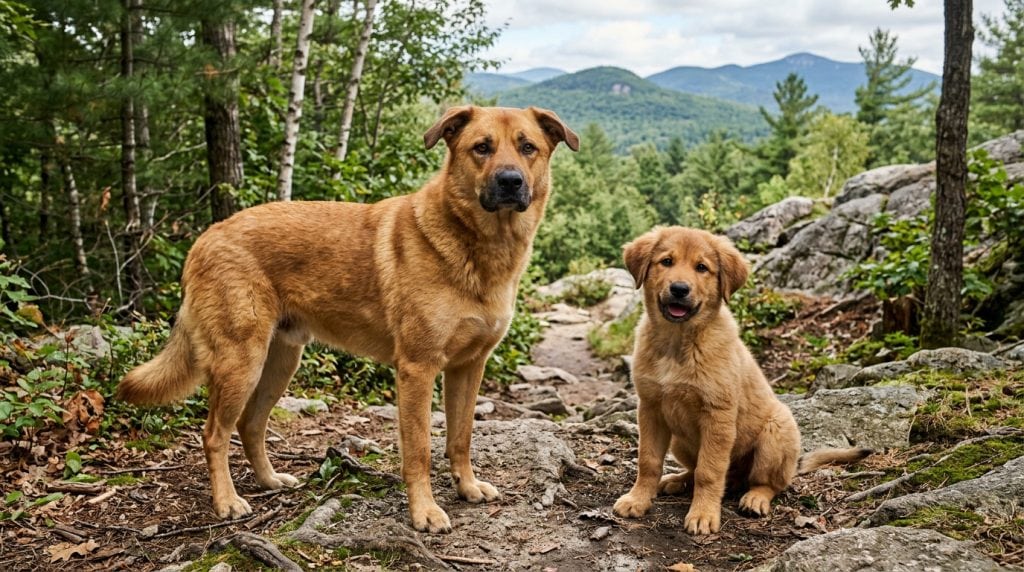
Living with a Chinook often feels like having a steadfast companion who is both gentle and eager to join in on family activities. Their balanced nature means they can be quite adaptable, enjoying both outdoor adventures and quiet evenings at home. Owners frequently appreciate their calm presence and willingness to engage, making them a cherished part of the household.
At a glance
Core care
- Size: Large
- Energy: Moderate to high
- Grooming: Low
- Shedding: Moderate
Support style
- Sensitivity: Moderate
- Training style: Willing
Breed guide
Choose a section to explore. These notes describe common patterns, but individual dogs vary widely.
The Chinook’s origins as a sled dog in the snowy terrains of New Hampshire have shaped its character today. Developed by Arthur Treadwell Walden in the early 20th century, Chinooks were bred for strength and endurance, capable of pulling heavy loads over long distances. This working background is evident in their modern-day disposition, where they often display a strong work ethic and a desire to be part of a team, whether that means participating in family activities or simply being a loyal companion.
Physically, Chinooks are large and muscular, yet they carry themselves with a certain grace. Their size can be imposing at first glance, but their gentle demeanor quickly puts people at ease. Owners often notice their Chinook’s expressive eyes and warm, tawny coat, which requires surprisingly little grooming despite its moderate shedding. This combination of physical strength and gentle nature makes them well-suited to various activities, from hiking trails to lounging in the garden.
Temperamentally, Chinooks are known for their friendly and sociable nature. Many owners find that their Chinook enjoys being around people and other dogs, often displaying an eagerness to please. This breed tends to form strong bonds with its family, showing loyalty and affection in abundance. However, like any breed, individual Chinooks can vary in their social preferences, with some being more reserved than others.
When considering a Chinook, it’s important to remember that while they have common breed traits, each dog is unique. Their working heritage means they often thrive with a purpose or job, but they are also adaptable to different lifestyles. Prospective owners should be prepared for a dog that enjoys companionship and is happiest when included in family life, yet they should also appreciate the individual quirks that make each Chinook special.
Chinooks are often described as having a naturally sociable and gentle temperament, making them a joy to have around. Their history as sled dogs, working closely with people and other dogs, has fostered a breed that tends to enjoy being part of a group. Many owners notice that their Chinook is happiest when surrounded by family, whether that means joining in on a walk or simply being nearby during a quiet evening at home.
This breed’s moderate sensitivity means they are generally attuned to their environment and the emotions of those around them. Owners often find that their Chinook responds well to positive reinforcement and gentle guidance, making them relatively easy to train. Their willingness to learn and please their owners is a trait that endears them to many, though it also means they thrive on clear communication and consistency.
Chinooks are not typically known for being overly vocal, but they do have a way of expressing themselves through body language and occasional vocalisations. They tend to be observant and thoughtful, often taking a moment to assess a situation before reacting. This can be particularly noticeable in new environments, where a Chinook might take a little time to warm up before fully engaging.
While Chinooks generally enjoy social interactions, it’s important to remember that each dog is an individual. Some may be more outgoing, while others might prefer quieter settings. Owners should be mindful of their Chinook’s unique personality and provide opportunities for socialisation that match their dog’s comfort level. Understanding these tendencies helps ensure a harmonious relationship between the Chinook and its family.
A typical day for a Chinook involves a mix of physical activity and mental engagement, reflecting their moderate to high energy levels. Owners often find that their Chinook enjoys a good walk or run, particularly in cooler weather, which harkens back to their sled dog roots. These dogs thrive on outdoor adventures, whether it’s a hike through the woods or a romp in the park.
While physical exercise is important, Chinooks also benefit from mental stimulation. Puzzle toys, training sessions, and interactive games can help keep their minds sharp and engaged. Owners might notice that their Chinook enjoys tasks that challenge them, tapping into their working dog heritage. This combination of physical and mental enrichment helps prevent boredom and the associated behavioural issues that can arise from under-stimulation.
As Chinooks age, their exercise needs may change. Puppies and young adults generally require more frequent and varied activities to help burn off energy and develop their muscles and coordination. In contrast, older Chinooks might prefer gentler activities, though they still appreciate regular outings and mental challenges. Adjusting the routine to suit their life stage ensures they remain happy and healthy.
Owners should be mindful not to over-exercise their Chinook, especially in warmer weather, as their thick coat can make them prone to overheating. Providing plenty of water and shade during summer months is crucial. By balancing physical activity with mental enrichment, owners can help their Chinook lead a fulfilling and contented life.
Training a Chinook often feels like a collaborative effort, with the dog showing a genuine willingness to learn and engage. Their eagerness to please and cooperative nature make them responsive to positive reinforcement techniques. Many owners find that their Chinook responds well to praise, treats, and play, making training sessions enjoyable for both dog and owner.
Consistency is key when training a Chinook, as they thrive on routine and clear expectations. Establishing a regular training schedule helps reinforce desired behaviours and builds a strong bond between dog and owner. It’s important to approach training with patience and understanding, as Chinooks can sometimes be sensitive to harsh corrections.
Adolescence can be a challenging time for many dog breeds, and Chinooks are no exception. During this stage, they may test boundaries and exhibit more independent behaviour. Owners should remain patient and consistent, reinforcing training with positive methods and maintaining a calm, supportive environment. This helps Chinooks navigate this developmental phase and emerge as well-adjusted adults.
Building a strong relationship with a Chinook through training not only enhances their behaviour but also strengthens the bond between dog and owner. By focusing on positive reinforcement and consistency, owners can help their Chinook develop into a well-mannered and confident companion. For those new to dog training, enrolling in a course like “Puppy Beginnings: Building a Calm Start” can provide valuable guidance and support.
Chinooks tend to adapt well to a variety of living environments, provided they receive adequate exercise and companionship. Their moderate to high energy levels mean they appreciate having space to move, making them well-suited to homes with gardens or access to outdoor areas. However, they can also thrive in more urban settings if given regular opportunities for exercise and mental stimulation.
Many owners find that Chinooks integrate well into family life, often forming strong bonds with both adults and children. Their gentle and patient nature makes them a good fit for households with kids, although supervision is always recommended to ensure positive interactions. Chinooks typically enjoy being part of family activities, whether it’s a day out or a quiet evening at home.
When it comes to other pets, Chinooks generally get along well with other dogs and can coexist peacefully with cats if introduced properly. Their sociable nature means they often enjoy the company of other animals, though individual temperament can vary. Early socialisation is key to fostering positive relationships with other pets.
Prospective owners should consider their lifestyle and how a Chinook might fit into it. These dogs thrive on companionship and may not do well if left alone for long periods. Ensuring they have plenty of interaction and activity helps keep them content. By understanding their needs and providing a supportive environment, owners can enjoy a rewarding relationship with their Chinook.
A Chinook’s health is closely tied to their overall wellbeing and quality of life. Like all breeds, they have some health considerations that owners should be aware of. Regular veterinary check-ups are important for monitoring their health and catching any potential issues early. Preventive care, such as vaccinations and parasite control, helps maintain their health and happiness.
Chinooks are generally a healthy breed, but they can be prone to certain genetic conditions like hip dysplasia. Owners should be mindful of their dog’s movement and seek veterinary advice if they notice any signs of discomfort or lameness. Maintaining a healthy weight and providing appropriate exercise can help manage joint health and reduce the risk of related issues.
Their moderate sensitivity means that Chinooks can sometimes be affected by environmental changes or stress. Owners might notice changes in behaviour if their Chinook is unwell or stressed, such as decreased appetite or increased lethargy. Being attuned to these signs and seeking veterinary advice when needed is crucial for their wellbeing.
Overall, with proper care and attention, Chinooks can lead healthy and active lives. Understanding their health needs and providing a supportive environment helps ensure they remain a happy and integral part of the family. For those interested in learning more about health care, the “Canine First Aid: A Practical Guide” course can offer valuable insights into managing their Chinook’s health effectively.
The Chinook breed has a rich history rooted in the rugged landscapes of New Hampshire, USA. Developed by Arthur Treadwell Walden in the early 20th century, the breed was created to be the ultimate sled dog, combining strength, endurance, and a gentle temperament. Walden’s vision was to produce a dog capable of pulling heavy loads over long distances, and the Chinook was the result of careful breeding and selection.
The breed’s foundation dog, named Chinook, was a remarkable sled dog known for his strength and reliability. He became the cornerstone of the breed, passing on his desirable traits to his offspring. The Chinook’s development involved crossing various breeds, including Mastiffs, Huskies, and German Shepherds, to achieve the desired characteristics. This blend of breeds contributed to the Chinook’s unique combination of power and gentleness.
Chinooks gained recognition for their performance in sled dog races and expeditions, showcasing their capabilities and earning a reputation as dependable working dogs. Despite their prowess, the breed faced challenges in maintaining its numbers, leading to efforts by dedicated breeders to preserve and promote the Chinook. Today, they are cherished for their historical significance and their role as versatile companions.
The Chinook’s history is reflected in their modern traits, such as their strong work ethic and sociable nature. Owners often notice these qualities in their Chinook’s desire to be involved in family activities and their gentle disposition. Understanding their origins helps appreciate the Chinook’s unique blend of strength and companionship, making them a valued member of any household.
What shapes individual dogs
- Early social experiences
- Training approach
- Environment & routine
- Genetics & breeding
- Health & pain
- Age / life stage
The Chinook’s origins as a sled dog in the snowy terrains of New Hampshire have shaped its character today. Developed by Arthur Treadwell Walden in the early 20th century, Chinooks were bred for strength and endurance, capable of pulling heavy loads over long distances. This working background is evident in their modern-day disposition, where they often display a strong work ethic and a desire to be part of a team, whether that means participating in family activities or simply being a loyal companion.
Physically, Chinooks are large and muscular, yet they carry themselves with a certain grace. Their size can be imposing at first glance, but their gentle demeanor quickly puts people at ease. Owners often notice their Chinook’s expressive eyes and warm, tawny coat, which requires surprisingly little grooming despite its moderate shedding. This combination of physical strength and gentle nature makes them well-suited to various activities, from hiking trails to lounging in the garden.
Temperamentally, Chinooks are known for their friendly and sociable nature. Many owners find that their Chinook enjoys being around people and other dogs, often displaying an eagerness to please. This breed tends to form strong bonds with its family, showing loyalty and affection in abundance. However, like any breed, individual Chinooks can vary in their social preferences, with some being more reserved than others.
When considering a Chinook, it’s important to remember that while they have common breed traits, each dog is unique. Their working heritage means they often thrive with a purpose or job, but they are also adaptable to different lifestyles. Prospective owners should be prepared for a dog that enjoys companionship and is happiest when included in family life, yet they should also appreciate the individual quirks that make each Chinook special.
Chinooks are often described as having a naturally sociable and gentle temperament, making them a joy to have around. Their history as sled dogs, working closely with people and other dogs, has fostered a breed that tends to enjoy being part of a group. Many owners notice that their Chinook is happiest when surrounded by family, whether that means joining in on a walk or simply being nearby during a quiet evening at home.
This breed’s moderate sensitivity means they are generally attuned to their environment and the emotions of those around them. Owners often find that their Chinook responds well to positive reinforcement and gentle guidance, making them relatively easy to train. Their willingness to learn and please their owners is a trait that endears them to many, though it also means they thrive on clear communication and consistency.
Chinooks are not typically known for being overly vocal, but they do have a way of expressing themselves through body language and occasional vocalisations. They tend to be observant and thoughtful, often taking a moment to assess a situation before reacting. This can be particularly noticeable in new environments, where a Chinook might take a little time to warm up before fully engaging.
While Chinooks generally enjoy social interactions, it’s important to remember that each dog is an individual. Some may be more outgoing, while others might prefer quieter settings. Owners should be mindful of their Chinook’s unique personality and provide opportunities for socialisation that match their dog’s comfort level. Understanding these tendencies helps ensure a harmonious relationship between the Chinook and its family.
A typical day for a Chinook involves a mix of physical activity and mental engagement, reflecting their moderate to high energy levels. Owners often find that their Chinook enjoys a good walk or run, particularly in cooler weather, which harkens back to their sled dog roots. These dogs thrive on outdoor adventures, whether it’s a hike through the woods or a romp in the park.
While physical exercise is important, Chinooks also benefit from mental stimulation. Puzzle toys, training sessions, and interactive games can help keep their minds sharp and engaged. Owners might notice that their Chinook enjoys tasks that challenge them, tapping into their working dog heritage. This combination of physical and mental enrichment helps prevent boredom and the associated behavioural issues that can arise from under-stimulation.
As Chinooks age, their exercise needs may change. Puppies and young adults generally require more frequent and varied activities to help burn off energy and develop their muscles and coordination. In contrast, older Chinooks might prefer gentler activities, though they still appreciate regular outings and mental challenges. Adjusting the routine to suit their life stage ensures they remain happy and healthy.
Owners should be mindful not to over-exercise their Chinook, especially in warmer weather, as their thick coat can make them prone to overheating. Providing plenty of water and shade during summer months is crucial. By balancing physical activity with mental enrichment, owners can help their Chinook lead a fulfilling and contented life.
Training a Chinook often feels like a collaborative effort, with the dog showing a genuine willingness to learn and engage. Their eagerness to please and cooperative nature make them responsive to positive reinforcement techniques. Many owners find that their Chinook responds well to praise, treats, and play, making training sessions enjoyable for both dog and owner.
Consistency is key when training a Chinook, as they thrive on routine and clear expectations. Establishing a regular training schedule helps reinforce desired behaviours and builds a strong bond between dog and owner. It’s important to approach training with patience and understanding, as Chinooks can sometimes be sensitive to harsh corrections.
Adolescence can be a challenging time for many dog breeds, and Chinooks are no exception. During this stage, they may test boundaries and exhibit more independent behaviour. Owners should remain patient and consistent, reinforcing training with positive methods and maintaining a calm, supportive environment. This helps Chinooks navigate this developmental phase and emerge as well-adjusted adults.
Building a strong relationship with a Chinook through training not only enhances their behaviour but also strengthens the bond between dog and owner. By focusing on positive reinforcement and consistency, owners can help their Chinook develop into a well-mannered and confident companion. For those new to dog training, enrolling in a course like “Puppy Beginnings: Building a Calm Start” can provide valuable guidance and support.
Chinooks tend to adapt well to a variety of living environments, provided they receive adequate exercise and companionship. Their moderate to high energy levels mean they appreciate having space to move, making them well-suited to homes with gardens or access to outdoor areas. However, they can also thrive in more urban settings if given regular opportunities for exercise and mental stimulation.
Many owners find that Chinooks integrate well into family life, often forming strong bonds with both adults and children. Their gentle and patient nature makes them a good fit for households with kids, although supervision is always recommended to ensure positive interactions. Chinooks typically enjoy being part of family activities, whether it’s a day out or a quiet evening at home.
When it comes to other pets, Chinooks generally get along well with other dogs and can coexist peacefully with cats if introduced properly. Their sociable nature means they often enjoy the company of other animals, though individual temperament can vary. Early socialisation is key to fostering positive relationships with other pets.
Prospective owners should consider their lifestyle and how a Chinook might fit into it. These dogs thrive on companionship and may not do well if left alone for long periods. Ensuring they have plenty of interaction and activity helps keep them content. By understanding their needs and providing a supportive environment, owners can enjoy a rewarding relationship with their Chinook.
A Chinook’s health is closely tied to their overall wellbeing and quality of life. Like all breeds, they have some health considerations that owners should be aware of. Regular veterinary check-ups are important for monitoring their health and catching any potential issues early. Preventive care, such as vaccinations and parasite control, helps maintain their health and happiness.
Chinooks are generally a healthy breed, but they can be prone to certain genetic conditions like hip dysplasia. Owners should be mindful of their dog’s movement and seek veterinary advice if they notice any signs of discomfort or lameness. Maintaining a healthy weight and providing appropriate exercise can help manage joint health and reduce the risk of related issues.
Their moderate sensitivity means that Chinooks can sometimes be affected by environmental changes or stress. Owners might notice changes in behaviour if their Chinook is unwell or stressed, such as decreased appetite or increased lethargy. Being attuned to these signs and seeking veterinary advice when needed is crucial for their wellbeing.
Overall, with proper care and attention, Chinooks can lead healthy and active lives. Understanding their health needs and providing a supportive environment helps ensure they remain a happy and integral part of the family. For those interested in learning more about health care, the “Canine First Aid: A Practical Guide” course can offer valuable insights into managing their Chinook’s health effectively.
The Chinook breed has a rich history rooted in the rugged landscapes of New Hampshire, USA. Developed by Arthur Treadwell Walden in the early 20th century, the breed was created to be the ultimate sled dog, combining strength, endurance, and a gentle temperament. Walden’s vision was to produce a dog capable of pulling heavy loads over long distances, and the Chinook was the result of careful breeding and selection.
The breed’s foundation dog, named Chinook, was a remarkable sled dog known for his strength and reliability. He became the cornerstone of the breed, passing on his desirable traits to his offspring. The Chinook’s development involved crossing various breeds, including Mastiffs, Huskies, and German Shepherds, to achieve the desired characteristics. This blend of breeds contributed to the Chinook’s unique combination of power and gentleness.
Chinooks gained recognition for their performance in sled dog races and expeditions, showcasing their capabilities and earning a reputation as dependable working dogs. Despite their prowess, the breed faced challenges in maintaining its numbers, leading to efforts by dedicated breeders to preserve and promote the Chinook. Today, they are cherished for their historical significance and their role as versatile companions.
The Chinook’s history is reflected in their modern traits, such as their strong work ethic and sociable nature. Owners often notice these qualities in their Chinook’s desire to be involved in family activities and their gentle disposition. Understanding their origins helps appreciate the Chinook’s unique blend of strength and companionship, making them a valued member of any household.
What shapes individual dogs
- Early social experiences
- Training approach
- Environment & routine
- Genetics & breeding
- Health & pain
- Age / life stage
Want support with this?
This course is helpful for Chinook owners to establish a strong foundation during the early stages of their dog's life, promoting calm and confident behaviour.