
Cesky Terrier
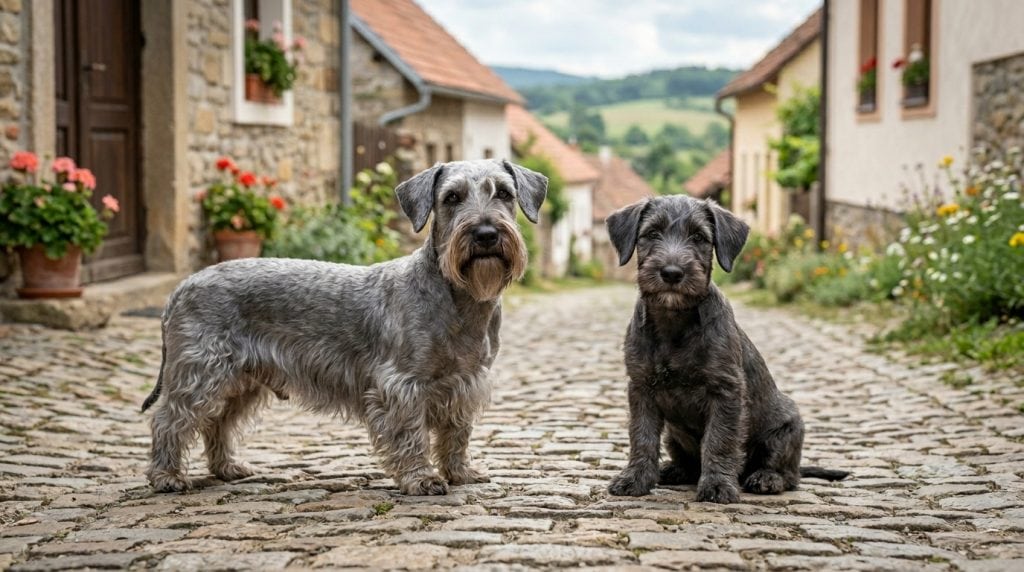
Living with a Cesky Terrier often means having a curious and engaging companion by your side. They are known for their adaptability and willingness to participate in family activities, making them a delightful addition to many households. With their unique blend of independence and affection, Cesky Terriers offer a charming balance for those who appreciate a dog that is both spirited and loving.
At a glance
Core care
- Size: Small
- Energy: Moderate
- Grooming: Low
- Shedding: Low
Support style
- Sensitivity: Moderate
- Training style: Willing
Breed guide
Choose a section to explore. These notes describe common patterns, but individual dogs vary widely.
The Cesky Terrier’s journey began in Czechoslovakia, where it was developed by crossing the Scottish Terrier and the Sealyham Terrier. This blend was intended to create a versatile hunting dog with a keen sense of smell and a manageable size. Today, these roots are evident in their alert and inquisitive nature, making them excellent companions for those who enjoy outdoor activities and exploring new environments.
Physically, the Cesky Terrier is a small but sturdy dog, with a distinctive long, silky coat that requires regular grooming. This coat not only adds to their charming appearance but also serves a practical purpose, offering protection during their original hunting tasks. In day-to-day life, owners often find themselves brushing and trimming their Cesky to maintain its unique look and prevent matting.
When it comes to temperament, Cesky Terriers are known for their moderate sensitivity and willingness to engage with their families. They often display a blend of independence and affection, which can vary from one dog to another. Some may be more reserved with strangers, while others are quite sociable, reflecting the breed’s adaptable nature. Owners frequently notice their Cesky’s keen intelligence and playful spirit, which can make them both delightful and occasionally challenging.
It’s important for potential owners to understand that while breed traits provide a general guide, each Cesky Terrier is an individual. Factors such as genetics, upbringing, and environment all play a role in shaping their personality. This means that while many Cesky Terriers share common characteristics, there will always be variations that make each dog unique.
Cesky Terriers are often noted for their engaging social nature. They tend to form strong bonds with their families, often seeking out companionship and involvement in daily activities. This desire for interaction can be traced back to their origins as hunting dogs, where working closely with humans was essential.
Owners frequently observe that Cesky Terriers are both independent and affectionate. They may enjoy a good cuddle on the sofa, but they also appreciate having their own space to explore and think. This balance can make them adaptable to various household dynamics, whether it’s a lively family environment or a quieter home.
Their moderate sensitivity means that Cesky Terriers are generally aware of their surroundings and the emotions of those around them. This can make them responsive to training and quick to pick up on cues, but it also means they may be more affected by changes in routine or environment. Owners often find that a consistent approach helps these dogs feel secure and content.
Trainability is another notable trait, as Cesky Terriers are typically willing learners. They respond well to positive reinforcement and enjoy tasks that challenge their minds. However, like any breed, individual differences exist, and some Cesky Terriers may require more patience and creativity in training than others. Understanding these nuances helps owners create a harmonious relationship with their Cesky.
A typical day for a Cesky Terrier involves a moderate amount of exercise, balanced with mental enrichment activities. These dogs enjoy a couple of walks each day, allowing them to stretch their legs and satisfy their curiosity about the world around them. Their moderate energy levels mean they don’t require excessive physical activity, but they do appreciate regular opportunities to explore.
Mental stimulation is equally important for this breed. Puzzle toys, scent games, and interactive play are excellent ways to engage their sharp minds. Cesky Terriers often thrive when given tasks that challenge their problem-solving abilities, reflecting their heritage as working dogs. Owners who incorporate a variety of activities into their routine often find their Cesky to be more content and well-behaved.
As Cesky Terriers age, their exercise needs may change. Puppies and younger dogs typically have bursts of energy and may require more frequent play sessions, while older Cesky Terriers might prefer gentler walks and more relaxed activities. It’s important for owners to adjust their routines to accommodate these changes, ensuring their dog remains healthy and happy throughout its life.
While Cesky Terriers are adaptable, it’s crucial to avoid over-exercising them, especially in extreme weather conditions. Their coat provides some protection, but they can still be sensitive to heat and cold. By paying attention to their individual needs and preferences, owners can create a balanced exercise routine that suits their Cesky Terrier perfectly.
Training a Cesky Terrier often feels like a rewarding partnership. These dogs are generally willing to learn and respond well to positive reinforcement techniques. Owners frequently find that using treats, praise, and play as rewards helps to motivate their Cesky and build a strong bond.
Impulse control can be an area where Cesky Terriers may need extra guidance. Their curious nature might lead them to chase after small animals or investigate interesting scents. Teaching commands like ‘stay’ and ‘leave it’ can be particularly useful, helping to manage their natural instincts while keeping them safe.
Adolescence can bring its own set of challenges, as Cesky Terriers may test boundaries and exhibit more independent behaviour. Consistency and patience are key during this stage, as is maintaining a positive and encouraging training environment. Many owners find that enrolling in a training class or working with a professional can provide valuable support and guidance.
Building a strong relationship with a Cesky Terrier is crucial for successful training. These dogs thrive on interaction and engagement, so incorporating training into daily activities can be beneficial. By understanding their unique personality and adapting training methods accordingly, owners can foster a cooperative and enjoyable learning experience for their Cesky Terrier.
Cesky Terriers tend to adapt well to various living environments, making them suitable for both city and country life. Their moderate size and energy levels mean they don’t require a large home or extensive outdoor space, but they do appreciate having access to a garden or nearby park for regular exercise and exploration.
Owners often find that Cesky Terriers fit well into family life, as they generally enjoy being part of the household activities. Their playful nature can make them good companions for children, although interactions should always be supervised to ensure safety for both the dog and the child. With other pets, Cesky Terriers may display some territorial behaviour, but with proper introductions and socialisation, they can coexist peacefully.
For those who live in apartments or smaller homes, Cesky Terriers can be a good match as long as their exercise and mental stimulation needs are met. They tend to be relatively quiet indoors, which can be a bonus for those with close neighbours. However, they may bark to alert their owners of visitors or unusual noises, reflecting their alert nature.
Ultimately, the Cesky Terrier’s adaptability and moderate needs make them a versatile choice for many different lifestyles. Prospective owners should consider their ability to provide the necessary attention, exercise, and grooming to ensure a happy and healthy life for their Cesky Terrier. By understanding the breed’s tendencies and individual needs, owners can create a harmonious living environment for their furry friend.
The health of a Cesky Terrier is closely tied to their overall wellbeing and quality of life. Regular veterinary check-ups and preventive care are essential to catch any potential health issues early. Cesky Terriers are generally healthy dogs, but like all breeds, they can be prone to certain conditions.
Some health considerations for Cesky Terriers include hip dysplasia and certain eye conditions. Regular screenings and monitoring can help manage these risks. Additionally, maintaining a healthy weight through a balanced diet and regular exercise is crucial in preventing joint issues and other health problems.
Behaviour can also be influenced by health, as discomfort or pain may lead to changes in temperament or activity levels. Owners should be attentive to any signs of distress or unusual behaviour, as these may indicate underlying health concerns. Early intervention and consultation with a veterinarian can make a significant difference.
Preventive care, including vaccinations, parasite control, and dental hygiene, plays a vital role in keeping a Cesky Terrier healthy. By staying informed about the breed’s specific health needs and working closely with a veterinarian, owners can ensure their Cesky Terrier enjoys a long, healthy, and happy life.
The Cesky Terrier’s story begins in the mid-20th century in Czechoslovakia, where it was developed by František Horák. Horák aimed to create a versatile hunting dog that combined the best traits of the Scottish Terrier and the Sealyham Terrier. His goal was to produce a dog that was not only effective in hunting but also manageable in size and temperament.
The breed was specifically designed to hunt in the dense forests and challenging terrains of Bohemia. Its long, silky coat provided protection against the elements, while its keen sense of smell and determination made it an excellent hunter. This background explains the Cesky Terrier’s alert and inquisitive nature, traits that are still evident in the breed today.
As the breed developed, it gained recognition for its unique appearance and adaptable personality. The Cesky Terrier’s moderate size and energy levels made it suitable for various living environments, and its friendly disposition endeared it to many families. Over time, the breed’s popularity spread beyond its homeland, and it became recognised by kennel clubs around the world.
Today, the Cesky Terrier is cherished not only for its hunting heritage but also for its companionship qualities. Its history as a working dog has shaped its character, making it a loyal and engaging companion for those who appreciate its blend of independence and affection. Understanding the breed’s origins provides valuable insight into the traits and behaviours that owners can expect in their Cesky Terrier.
What shapes individual dogs
- Early social experiences
- Training approach
- Environment & routine
- Genetics & breeding
- Health & pain
- Age / life stage
The Cesky Terrier’s journey began in Czechoslovakia, where it was developed by crossing the Scottish Terrier and the Sealyham Terrier. This blend was intended to create a versatile hunting dog with a keen sense of smell and a manageable size. Today, these roots are evident in their alert and inquisitive nature, making them excellent companions for those who enjoy outdoor activities and exploring new environments.
Physically, the Cesky Terrier is a small but sturdy dog, with a distinctive long, silky coat that requires regular grooming. This coat not only adds to their charming appearance but also serves a practical purpose, offering protection during their original hunting tasks. In day-to-day life, owners often find themselves brushing and trimming their Cesky to maintain its unique look and prevent matting.
When it comes to temperament, Cesky Terriers are known for their moderate sensitivity and willingness to engage with their families. They often display a blend of independence and affection, which can vary from one dog to another. Some may be more reserved with strangers, while others are quite sociable, reflecting the breed’s adaptable nature. Owners frequently notice their Cesky’s keen intelligence and playful spirit, which can make them both delightful and occasionally challenging.
It’s important for potential owners to understand that while breed traits provide a general guide, each Cesky Terrier is an individual. Factors such as genetics, upbringing, and environment all play a role in shaping their personality. This means that while many Cesky Terriers share common characteristics, there will always be variations that make each dog unique.
Cesky Terriers are often noted for their engaging social nature. They tend to form strong bonds with their families, often seeking out companionship and involvement in daily activities. This desire for interaction can be traced back to their origins as hunting dogs, where working closely with humans was essential.
Owners frequently observe that Cesky Terriers are both independent and affectionate. They may enjoy a good cuddle on the sofa, but they also appreciate having their own space to explore and think. This balance can make them adaptable to various household dynamics, whether it’s a lively family environment or a quieter home.
Their moderate sensitivity means that Cesky Terriers are generally aware of their surroundings and the emotions of those around them. This can make them responsive to training and quick to pick up on cues, but it also means they may be more affected by changes in routine or environment. Owners often find that a consistent approach helps these dogs feel secure and content.
Trainability is another notable trait, as Cesky Terriers are typically willing learners. They respond well to positive reinforcement and enjoy tasks that challenge their minds. However, like any breed, individual differences exist, and some Cesky Terriers may require more patience and creativity in training than others. Understanding these nuances helps owners create a harmonious relationship with their Cesky.
A typical day for a Cesky Terrier involves a moderate amount of exercise, balanced with mental enrichment activities. These dogs enjoy a couple of walks each day, allowing them to stretch their legs and satisfy their curiosity about the world around them. Their moderate energy levels mean they don’t require excessive physical activity, but they do appreciate regular opportunities to explore.
Mental stimulation is equally important for this breed. Puzzle toys, scent games, and interactive play are excellent ways to engage their sharp minds. Cesky Terriers often thrive when given tasks that challenge their problem-solving abilities, reflecting their heritage as working dogs. Owners who incorporate a variety of activities into their routine often find their Cesky to be more content and well-behaved.
As Cesky Terriers age, their exercise needs may change. Puppies and younger dogs typically have bursts of energy and may require more frequent play sessions, while older Cesky Terriers might prefer gentler walks and more relaxed activities. It’s important for owners to adjust their routines to accommodate these changes, ensuring their dog remains healthy and happy throughout its life.
While Cesky Terriers are adaptable, it’s crucial to avoid over-exercising them, especially in extreme weather conditions. Their coat provides some protection, but they can still be sensitive to heat and cold. By paying attention to their individual needs and preferences, owners can create a balanced exercise routine that suits their Cesky Terrier perfectly.
Training a Cesky Terrier often feels like a rewarding partnership. These dogs are generally willing to learn and respond well to positive reinforcement techniques. Owners frequently find that using treats, praise, and play as rewards helps to motivate their Cesky and build a strong bond.
Impulse control can be an area where Cesky Terriers may need extra guidance. Their curious nature might lead them to chase after small animals or investigate interesting scents. Teaching commands like ‘stay’ and ‘leave it’ can be particularly useful, helping to manage their natural instincts while keeping them safe.
Adolescence can bring its own set of challenges, as Cesky Terriers may test boundaries and exhibit more independent behaviour. Consistency and patience are key during this stage, as is maintaining a positive and encouraging training environment. Many owners find that enrolling in a training class or working with a professional can provide valuable support and guidance.
Building a strong relationship with a Cesky Terrier is crucial for successful training. These dogs thrive on interaction and engagement, so incorporating training into daily activities can be beneficial. By understanding their unique personality and adapting training methods accordingly, owners can foster a cooperative and enjoyable learning experience for their Cesky Terrier.
Cesky Terriers tend to adapt well to various living environments, making them suitable for both city and country life. Their moderate size and energy levels mean they don’t require a large home or extensive outdoor space, but they do appreciate having access to a garden or nearby park for regular exercise and exploration.
Owners often find that Cesky Terriers fit well into family life, as they generally enjoy being part of the household activities. Their playful nature can make them good companions for children, although interactions should always be supervised to ensure safety for both the dog and the child. With other pets, Cesky Terriers may display some territorial behaviour, but with proper introductions and socialisation, they can coexist peacefully.
For those who live in apartments or smaller homes, Cesky Terriers can be a good match as long as their exercise and mental stimulation needs are met. They tend to be relatively quiet indoors, which can be a bonus for those with close neighbours. However, they may bark to alert their owners of visitors or unusual noises, reflecting their alert nature.
Ultimately, the Cesky Terrier’s adaptability and moderate needs make them a versatile choice for many different lifestyles. Prospective owners should consider their ability to provide the necessary attention, exercise, and grooming to ensure a happy and healthy life for their Cesky Terrier. By understanding the breed’s tendencies and individual needs, owners can create a harmonious living environment for their furry friend.
The health of a Cesky Terrier is closely tied to their overall wellbeing and quality of life. Regular veterinary check-ups and preventive care are essential to catch any potential health issues early. Cesky Terriers are generally healthy dogs, but like all breeds, they can be prone to certain conditions.
Some health considerations for Cesky Terriers include hip dysplasia and certain eye conditions. Regular screenings and monitoring can help manage these risks. Additionally, maintaining a healthy weight through a balanced diet and regular exercise is crucial in preventing joint issues and other health problems.
Behaviour can also be influenced by health, as discomfort or pain may lead to changes in temperament or activity levels. Owners should be attentive to any signs of distress or unusual behaviour, as these may indicate underlying health concerns. Early intervention and consultation with a veterinarian can make a significant difference.
Preventive care, including vaccinations, parasite control, and dental hygiene, plays a vital role in keeping a Cesky Terrier healthy. By staying informed about the breed’s specific health needs and working closely with a veterinarian, owners can ensure their Cesky Terrier enjoys a long, healthy, and happy life.
The Cesky Terrier’s story begins in the mid-20th century in Czechoslovakia, where it was developed by František Horák. Horák aimed to create a versatile hunting dog that combined the best traits of the Scottish Terrier and the Sealyham Terrier. His goal was to produce a dog that was not only effective in hunting but also manageable in size and temperament.
The breed was specifically designed to hunt in the dense forests and challenging terrains of Bohemia. Its long, silky coat provided protection against the elements, while its keen sense of smell and determination made it an excellent hunter. This background explains the Cesky Terrier’s alert and inquisitive nature, traits that are still evident in the breed today.
As the breed developed, it gained recognition for its unique appearance and adaptable personality. The Cesky Terrier’s moderate size and energy levels made it suitable for various living environments, and its friendly disposition endeared it to many families. Over time, the breed’s popularity spread beyond its homeland, and it became recognised by kennel clubs around the world.
Today, the Cesky Terrier is cherished not only for its hunting heritage but also for its companionship qualities. Its history as a working dog has shaped its character, making it a loyal and engaging companion for those who appreciate its blend of independence and affection. Understanding the breed’s origins provides valuable insight into the traits and behaviours that owners can expect in their Cesky Terrier.
What shapes individual dogs
- Early social experiences
- Training approach
- Environment & routine
- Genetics & breeding
- Health & pain
- Age / life stage
Want support with this?
This course is relevant for Cesky Terrier owners to better understand their dog's social nature and behavioural tendencies.