
Cane Corso
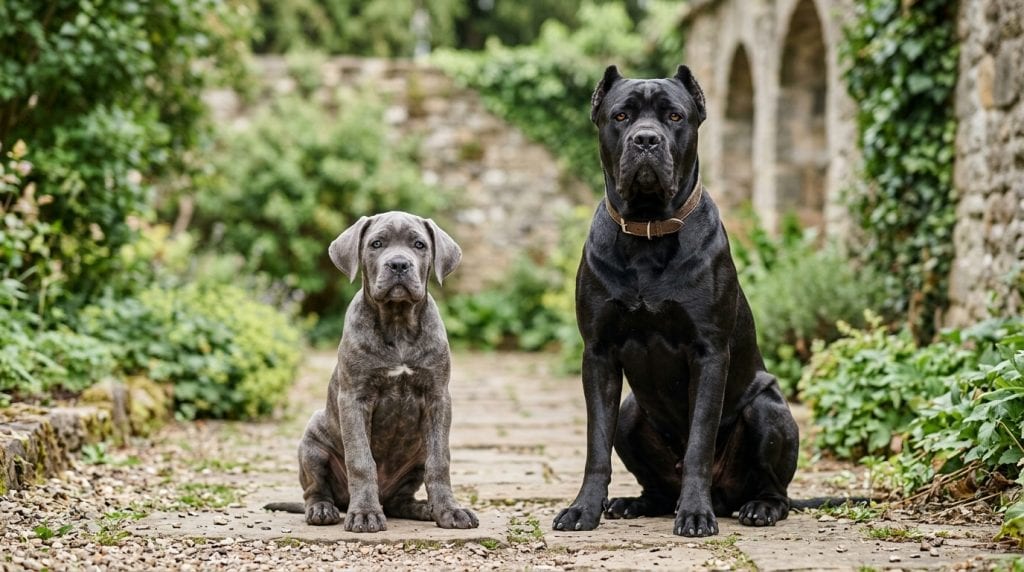
Living with a Cane Corso often feels like sharing your home with a vigilant yet affectionate guardian. Their imposing presence is balanced by a deep loyalty to their family, making them both protective and loving companions. Owners frequently notice their calm confidence, which can be both reassuring and impressive.
At a glance
Core care
- Size: Giant
- Energy: Moderate to high
- Grooming: Low
- Shedding: Moderate
Support style
- Sensitivity: Moderate
- Training style: Willing
Breed guide
Choose a section to explore. These notes describe common patterns, but individual dogs vary widely.
The Cane Corso’s history as a working dog is deeply embedded in its character today. Originally bred in Italy for guarding property and livestock, this breed retains a strong protective instinct and a keen sense of awareness. This background helps explain why many Cane Corsos are naturally vigilant and often take their role as family guardians seriously.
Physically, the Cane Corso is a giant breed, and their size can be quite striking in person. This means they need space to move comfortably, and their strength is something owners quickly become aware of. Despite their size, they are known for their agility and grace, which can be surprising to those unfamiliar with the breed.
Temperamentally, Cane Corsos are often described as confident and intelligent. They tend to form strong bonds with their families and can be quite affectionate with those they trust. However, they may be reserved or cautious around strangers, reflecting their protective nature. Owners often notice their dog’s ability to remain calm and composed, even in new situations.
While Cane Corsos have many common traits, individual dogs can vary. Some may be more outgoing, while others are more reserved. It’s important for potential owners to meet several Cane Corsos to understand the range of personalities within the breed. This helps ensure that new owners can provide an environment that suits their dog’s unique needs.
Cane Corsos are known for their strong social bonds, particularly with their immediate family. Many owners find that these dogs thrive on being part of the family unit, often seeking out companionship and showing a deep loyalty to their loved ones. This social nature is likely rooted in their historical role as protectors, where close bonds would have been essential.
Their protective instincts are a notable part of their temperament. Cane Corsos tend to be naturally wary of strangers, which can make them excellent watchdogs. However, this also means that socialisation from a young age is crucial to help them distinguish between genuine threats and everyday visitors. Owners often notice that with proper socialisation, their Cane Corso can be both a vigilant guardian and a gentle family member.
Sensitivity in Cane Corsos can vary, but many are attuned to the emotions of their owners. This sensitivity, combined with their intelligence, means they often respond well to training that is consistent and positive. Owners frequently find that their Cane Corso is eager to please, especially when training is approached with patience and understanding.
While they are generally willing learners, Cane Corsos can sometimes exhibit stubbornness, particularly if they sense inconsistency. It’s important for owners to establish clear boundaries and maintain a routine that reinforces desired behaviours. This helps the Cane Corso understand their role within the family, fostering a harmonious home environment.
A typical day for a Cane Corso involves a balance of physical activity and mental stimulation. Given their moderate to high energy levels, they benefit from daily walks and playtime that allows them to stretch their legs and explore their surroundings. Owners often find that incorporating variety into their routine, such as different walking routes or interactive games, keeps their Cane Corso engaged and happy.
While they enjoy physical exercise, Cane Corsos also thrive on mental challenges. Puzzle toys, training sessions, and scent games can provide the mental enrichment they need. These activities not only keep their minds sharp but also help strengthen the bond between the dog and their owner.
As Cane Corsos age, their exercise needs may change. Puppies and young adults often require more frequent and varied activities to expend their energy, while older dogs might prefer shorter, more leisurely walks. Owners should be attentive to their dog’s energy levels and adjust their routines accordingly to prevent overexertion.
It’s important to avoid high-impact activities, especially in young Cane Corsos, as their joints are still developing. Owners should aim for a balanced approach that combines moderate exercise with mental engagement, ensuring their Cane Corso remains healthy and content throughout their life.
Training a Cane Corso often feels like a rewarding journey of mutual understanding. These dogs are known for their willingness to learn, particularly when training is approached with consistency and positivity. Owners frequently find that building a strong relationship based on trust and respect is key to successful training.
Positive reinforcement techniques tend to work well with Cane Corsos, as they respond to praise and rewards. It’s important to start training early, focusing on basic commands and socialisation to help them become well-rounded adults. Consistent routines and clear expectations help Cane Corsos understand what is expected of them, reducing the likelihood of behavioural issues.
Adolescence can bring its own set of challenges, as Cane Corsos may test boundaries during this stage. Patience and consistency are crucial, as is maintaining a calm and assertive presence. Owners often find that continuing training during this period helps reinforce good behaviour and strengthens the bond between dog and owner.
The importance of impulse control cannot be overstated, particularly given the Cane Corso’s size and strength. Training that focuses on self-control, such as waiting at doorways and not jumping up, can be beneficial. With the right approach, owners can enjoy a well-behaved and cooperative companion.
Cane Corsos tend to do well in homes that can accommodate their size and energy levels. They often thrive in environments where they have space to move and explore, such as homes with large gardens or access to open spaces. Owners frequently notice that these dogs appreciate having a designated area to call their own, whether it’s a cosy bed or a quiet corner.
While they can adapt to various living situations, Cane Corsos benefit from a family that understands their protective nature. They often form strong bonds with their family members, making them loyal companions. However, their size and strength mean they might not be the best match for very small children, unless closely supervised.
When it comes to other pets, Cane Corsos can coexist peacefully, especially if they are introduced at a young age. Early socialisation is key to ensuring they understand how to interact appropriately with other animals. Owners often find that with the right introductions, their Cane Corso can become a harmonious part of a multi-pet household.
Ultimately, the Cane Corso’s suitability to a home depends on the owner’s ability to provide the necessary exercise, training, and socialisation. With the right environment and care, they can be a wonderful addition to many families, offering both protection and companionship.
The health of a Cane Corso is closely tied to their overall wellbeing and quality of life. Regular veterinary check-ups are essential to monitor their health and catch any potential issues early. Owners often find that maintaining a healthy diet and exercise routine supports their Cane Corso’s physical health.
Certain health considerations are more common in Cane Corsos, such as hip dysplasia and certain heart conditions. Being aware of these potential issues can help owners take preventive measures, such as providing joint supplements and regular exercise to maintain muscle tone and joint health.
Behaviour can sometimes be an indicator of health issues. Changes in activity levels, appetite, or behaviour can signal that something might be amiss. Owners should be attentive to these changes and consult a veterinarian if they have concerns.
Preventive care, including vaccinations and parasite control, is crucial for keeping a Cane Corso healthy. Regular dental care is also important, as dental issues can affect overall health. By staying proactive about their Cane Corso’s health, owners can help ensure a long and happy life for their canine companion.
The Cane Corso’s origins trace back to ancient Italy, where they were bred as versatile working dogs. These dogs were used for a variety of tasks, including guarding property, hunting large game, and even herding cattle. Their historical role as protectors and workers has shaped the modern Cane Corso’s temperament and abilities.
Throughout history, the Cane Corso was valued for its strength, intelligence, and loyalty. These traits made them indispensable to Italian farmers and landowners who relied on them for protection and assistance with daily tasks. The breed’s ability to adapt to different roles highlights their versatility and working capability.
The Cane Corso’s development was influenced by various factors, including the need for a dog that could handle the rugged Italian terrain and the demands of rural life. Over time, selective breeding refined their physical and behavioural traits, resulting in the confident and capable dogs we see today.
Understanding the Cane Corso’s history helps explain many of their modern characteristics. Their protective instincts, loyalty, and intelligence are all rooted in their past as working dogs. This connection to their history is something that owners often appreciate, as it provides insight into the breed’s unique qualities and how they fit into a modern family setting.
What shapes individual dogs
- Early social experiences
- Training approach
- Environment & routine
- Genetics & breeding
- Health & pain
- Age / life stage
The Cane Corso’s history as a working dog is deeply embedded in its character today. Originally bred in Italy for guarding property and livestock, this breed retains a strong protective instinct and a keen sense of awareness. This background helps explain why many Cane Corsos are naturally vigilant and often take their role as family guardians seriously.
Physically, the Cane Corso is a giant breed, and their size can be quite striking in person. This means they need space to move comfortably, and their strength is something owners quickly become aware of. Despite their size, they are known for their agility and grace, which can be surprising to those unfamiliar with the breed.
Temperamentally, Cane Corsos are often described as confident and intelligent. They tend to form strong bonds with their families and can be quite affectionate with those they trust. However, they may be reserved or cautious around strangers, reflecting their protective nature. Owners often notice their dog’s ability to remain calm and composed, even in new situations.
While Cane Corsos have many common traits, individual dogs can vary. Some may be more outgoing, while others are more reserved. It’s important for potential owners to meet several Cane Corsos to understand the range of personalities within the breed. This helps ensure that new owners can provide an environment that suits their dog’s unique needs.
Cane Corsos are known for their strong social bonds, particularly with their immediate family. Many owners find that these dogs thrive on being part of the family unit, often seeking out companionship and showing a deep loyalty to their loved ones. This social nature is likely rooted in their historical role as protectors, where close bonds would have been essential.
Their protective instincts are a notable part of their temperament. Cane Corsos tend to be naturally wary of strangers, which can make them excellent watchdogs. However, this also means that socialisation from a young age is crucial to help them distinguish between genuine threats and everyday visitors. Owners often notice that with proper socialisation, their Cane Corso can be both a vigilant guardian and a gentle family member.
Sensitivity in Cane Corsos can vary, but many are attuned to the emotions of their owners. This sensitivity, combined with their intelligence, means they often respond well to training that is consistent and positive. Owners frequently find that their Cane Corso is eager to please, especially when training is approached with patience and understanding.
While they are generally willing learners, Cane Corsos can sometimes exhibit stubbornness, particularly if they sense inconsistency. It’s important for owners to establish clear boundaries and maintain a routine that reinforces desired behaviours. This helps the Cane Corso understand their role within the family, fostering a harmonious home environment.
A typical day for a Cane Corso involves a balance of physical activity and mental stimulation. Given their moderate to high energy levels, they benefit from daily walks and playtime that allows them to stretch their legs and explore their surroundings. Owners often find that incorporating variety into their routine, such as different walking routes or interactive games, keeps their Cane Corso engaged and happy.
While they enjoy physical exercise, Cane Corsos also thrive on mental challenges. Puzzle toys, training sessions, and scent games can provide the mental enrichment they need. These activities not only keep their minds sharp but also help strengthen the bond between the dog and their owner.
As Cane Corsos age, their exercise needs may change. Puppies and young adults often require more frequent and varied activities to expend their energy, while older dogs might prefer shorter, more leisurely walks. Owners should be attentive to their dog’s energy levels and adjust their routines accordingly to prevent overexertion.
It’s important to avoid high-impact activities, especially in young Cane Corsos, as their joints are still developing. Owners should aim for a balanced approach that combines moderate exercise with mental engagement, ensuring their Cane Corso remains healthy and content throughout their life.
Training a Cane Corso often feels like a rewarding journey of mutual understanding. These dogs are known for their willingness to learn, particularly when training is approached with consistency and positivity. Owners frequently find that building a strong relationship based on trust and respect is key to successful training.
Positive reinforcement techniques tend to work well with Cane Corsos, as they respond to praise and rewards. It’s important to start training early, focusing on basic commands and socialisation to help them become well-rounded adults. Consistent routines and clear expectations help Cane Corsos understand what is expected of them, reducing the likelihood of behavioural issues.
Adolescence can bring its own set of challenges, as Cane Corsos may test boundaries during this stage. Patience and consistency are crucial, as is maintaining a calm and assertive presence. Owners often find that continuing training during this period helps reinforce good behaviour and strengthens the bond between dog and owner.
The importance of impulse control cannot be overstated, particularly given the Cane Corso’s size and strength. Training that focuses on self-control, such as waiting at doorways and not jumping up, can be beneficial. With the right approach, owners can enjoy a well-behaved and cooperative companion.
Cane Corsos tend to do well in homes that can accommodate their size and energy levels. They often thrive in environments where they have space to move and explore, such as homes with large gardens or access to open spaces. Owners frequently notice that these dogs appreciate having a designated area to call their own, whether it’s a cosy bed or a quiet corner.
While they can adapt to various living situations, Cane Corsos benefit from a family that understands their protective nature. They often form strong bonds with their family members, making them loyal companions. However, their size and strength mean they might not be the best match for very small children, unless closely supervised.
When it comes to other pets, Cane Corsos can coexist peacefully, especially if they are introduced at a young age. Early socialisation is key to ensuring they understand how to interact appropriately with other animals. Owners often find that with the right introductions, their Cane Corso can become a harmonious part of a multi-pet household.
Ultimately, the Cane Corso’s suitability to a home depends on the owner’s ability to provide the necessary exercise, training, and socialisation. With the right environment and care, they can be a wonderful addition to many families, offering both protection and companionship.
The health of a Cane Corso is closely tied to their overall wellbeing and quality of life. Regular veterinary check-ups are essential to monitor their health and catch any potential issues early. Owners often find that maintaining a healthy diet and exercise routine supports their Cane Corso’s physical health.
Certain health considerations are more common in Cane Corsos, such as hip dysplasia and certain heart conditions. Being aware of these potential issues can help owners take preventive measures, such as providing joint supplements and regular exercise to maintain muscle tone and joint health.
Behaviour can sometimes be an indicator of health issues. Changes in activity levels, appetite, or behaviour can signal that something might be amiss. Owners should be attentive to these changes and consult a veterinarian if they have concerns.
Preventive care, including vaccinations and parasite control, is crucial for keeping a Cane Corso healthy. Regular dental care is also important, as dental issues can affect overall health. By staying proactive about their Cane Corso’s health, owners can help ensure a long and happy life for their canine companion.
The Cane Corso’s origins trace back to ancient Italy, where they were bred as versatile working dogs. These dogs were used for a variety of tasks, including guarding property, hunting large game, and even herding cattle. Their historical role as protectors and workers has shaped the modern Cane Corso’s temperament and abilities.
Throughout history, the Cane Corso was valued for its strength, intelligence, and loyalty. These traits made them indispensable to Italian farmers and landowners who relied on them for protection and assistance with daily tasks. The breed’s ability to adapt to different roles highlights their versatility and working capability.
The Cane Corso’s development was influenced by various factors, including the need for a dog that could handle the rugged Italian terrain and the demands of rural life. Over time, selective breeding refined their physical and behavioural traits, resulting in the confident and capable dogs we see today.
Understanding the Cane Corso’s history helps explain many of their modern characteristics. Their protective instincts, loyalty, and intelligence are all rooted in their past as working dogs. This connection to their history is something that owners often appreciate, as it provides insight into the breed’s unique qualities and how they fit into a modern family setting.
What shapes individual dogs
- Early social experiences
- Training approach
- Environment & routine
- Genetics & breeding
- Health & pain
- Age / life stage
Want support with this?
This course is helpful for understanding the Cane Corso's complex temperament and social nuances.