
Cairn Terrier
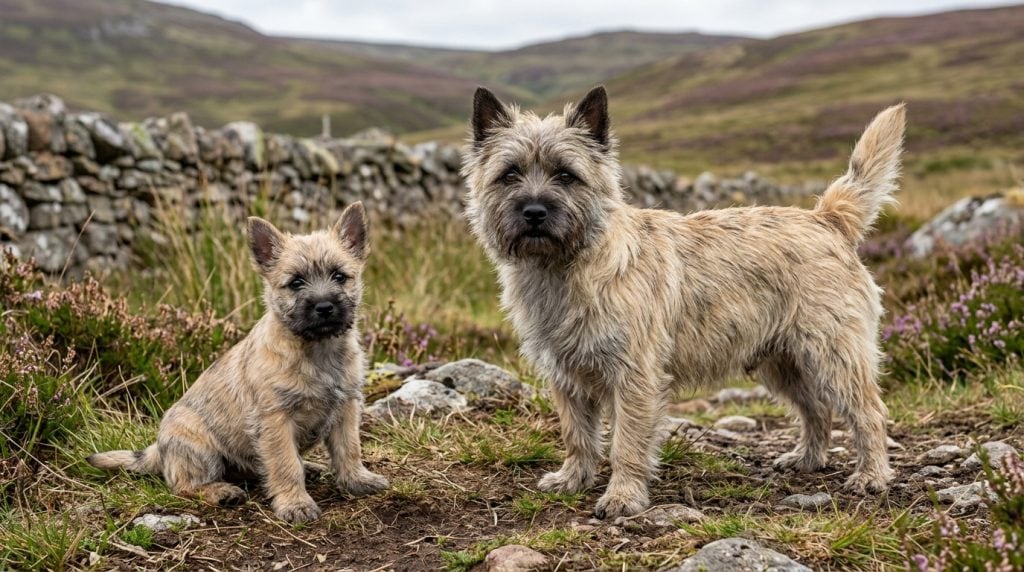
Living with a Cairn Terrier often means embracing a lively and spirited companion. These small dogs are known for their adventurous nature and independent spirit, which can bring a delightful energy to the home. Their curious and confident demeanor often leads them to explore every nook and cranny, making them both entertaining and engaging companions.
At a glance
Core care
- Size: Small
- Energy: Moderate to high
- Grooming: Low
- Shedding: Low
Support style
- Sensitivity: Moderate
- Training style: Independent
Breed guide
Choose a section to explore. These notes describe common patterns, but individual dogs vary widely.
The Cairn Terrier’s history as a working dog in the rugged Scottish Highlands is deeply woven into its character today. Originally bred to hunt vermin among the cairns, or stone piles, these terriers were prized for their tenacity and independence. This background explains their spirited nature and strong prey drive, traits that continue to manifest in their love for exploration and digging.
Physically, the Cairn Terrier is compact and sturdy, with a weather-resistant coat that served them well in the harsh Scottish climate. Their small size makes them well-suited for various living environments, from city flats to country homes. Owners often appreciate their manageable size, which allows them to fit comfortably into most households, yet their robust build ensures they can keep up with more active pursuits.
Temperamentally, Cairn Terriers are known for their boldness and curiosity. Many owners note their dog’s keen interest in the world around them, often leading to amusing antics and a lively household. While they are generally friendly, their independent streak can sometimes make them appear aloof or stubborn. This independence is a hallmark of the breed, requiring a patient and understanding approach to training.
It’s important for potential owners to recognise that while Cairn Terriers share common traits, individual personalities can vary. Factors such as early socialisation, environment, and training play significant roles in shaping each dog’s behaviour. Understanding these nuances helps in setting realistic expectations and fostering a harmonious relationship with this spirited breed.
Cairn Terriers are often described as having a lively and engaging social nature. Their history as working dogs has endowed them with a strong sense of independence, yet they also possess a playful side that endears them to many families. Owners frequently observe their Cairn’s tendency to form close bonds with their human companions, often seeking out interaction and companionship.
This breed’s independent streak is balanced by their curiosity and intelligence, which can sometimes lead to mischief if not properly channeled. Many Cairn Terriers enjoy problem-solving activities and games that challenge their minds, making them excellent candidates for interactive toys and training exercises. Their moderate sensitivity means they respond well to positive reinforcement but may become stubborn if they sense harshness or inconsistency.
Owners often note that Cairn Terriers can be quite vocal, a trait that stems from their alert nature. They tend to bark at unfamiliar noises or visitors, serving as effective watchdogs despite their small size. This vocal tendency can be managed with appropriate training and socialisation, helping to ensure that their barking remains a useful alert rather than a nuisance.
While Cairn Terriers are generally friendly, they can be reserved with strangers initially. Socialisation from a young age helps them become well-adjusted adults who are comfortable in various situations. It’s important to remember that while they have common breed traits, individual Cairns may vary in their social preferences and behaviours, influenced by their unique experiences and environments.
A typical day for a Cairn Terrier involves a mix of physical activity and mental stimulation. These energetic dogs thrive on regular walks and playtime, which help to satisfy their natural curiosity and need for exploration. Owners often find that short, frequent walks combined with interactive play sessions work well to keep their Cairn engaged and happy.
Given their moderate to high energy levels, Cairn Terriers benefit from activities that challenge both their bodies and minds. Agility courses, puzzle toys, and scent games are excellent ways to provide enrichment and prevent boredom. These activities not only cater to their physical needs but also tap into their problem-solving abilities, keeping them mentally sharp.
It’s important to adjust exercise routines as Cairn Terriers age. While young Cairns may require more frequent and intense activity, older dogs may prefer gentler, more leisurely walks. Owners should be attentive to their dog’s energy levels and adapt accordingly, ensuring that exercise remains a positive and enjoyable part of their routine.
Avoiding excessive exercise is crucial, especially in extreme weather conditions. Cairn Terriers have a weather-resistant coat, but they can still be sensitive to heat and cold. Providing opportunities for indoor play during harsh weather ensures they remain active without compromising their wellbeing. Balancing physical and mental exercise helps maintain a healthy, happy Cairn Terrier throughout their life.
Training a Cairn Terrier often feels like a dance between independence and cooperation. These dogs are intelligent and quick to learn, but their independent nature can sometimes lead to selective listening. Owners often find that patience and consistency are key to successful training, as Cairns respond best to positive reinforcement methods.
Given their independent streak, Cairn Terriers may test boundaries, especially during adolescence. It’s important to establish clear and consistent rules early on, using rewards and praise to reinforce desired behaviours. Training sessions should be kept short and engaging, as Cairns can become bored with repetitive tasks.
Impulse control can be a challenge with this breed, particularly when it comes to their prey drive. Teaching reliable recall and practising leash manners are essential for ensuring their safety and the peace of mind of their owners. Incorporating games that focus on impulse control, such as ‘wait’ or ‘leave it’, can be both fun and beneficial.
Building a strong relationship based on trust and mutual respect is crucial for training success. Cairn Terriers thrive in environments where they feel understood and valued. By approaching training with a positive and encouraging attitude, owners can foster a bond that enhances cooperation and makes training a rewarding experience for both dog and owner.
Cairn Terriers tend to adapt well to various living environments, making them suitable companions for both urban and rural settings. Their small size allows them to fit comfortably in flats or houses, although they do appreciate access to a secure outdoor space where they can explore and satisfy their natural curiosity.
Many owners find that Cairn Terriers do well in homes with families, as their playful and affectionate nature often endears them to children. However, it’s important to supervise interactions between young children and dogs to ensure positive experiences for both. Teaching children how to interact respectfully with their Cairn helps foster a harmonious relationship.
When it comes to other pets, Cairn Terriers can coexist peacefully, especially if introduced at a young age. Their strong prey drive means they may be inclined to chase smaller animals, so careful introductions and supervision are recommended. With proper socialisation, many Cairns learn to live amicably with other dogs and even cats.
Realistic lifestyle matching is crucial for potential owners. Cairn Terriers thrive in environments where they receive plenty of attention and mental stimulation. They may not be the best fit for households where they are left alone for long periods, as they can become bored and develop unwanted behaviours. Understanding their needs and providing a balanced lifestyle helps ensure a happy and well-adjusted Cairn Terrier.
Health is a key component of a Cairn Terrier’s overall wellbeing, influencing their behaviour and quality of life. While generally robust, Cairn Terriers are prone to certain breed-specific health issues, such as hip dysplasia and eye conditions. Regular veterinary check-ups and preventive care play an essential role in maintaining their health.
Owners should be mindful of their Cairn’s weight, as obesity can exacerbate joint problems and lead to other health complications. A balanced diet and regular exercise help keep them at a healthy weight, supporting their active lifestyle. Monitoring their diet and adjusting portions as needed ensures they receive the right nutrients without overfeeding.
Dental care is another important aspect of maintaining a Cairn Terrier’s health. Regular brushing and dental check-ups help prevent periodontal disease, which is common in small breeds. Providing dental chews and toys can also aid in keeping their teeth clean and healthy.
Understanding when to seek veterinary advice is crucial. Changes in behaviour, appetite, or mobility can be indicators of underlying health issues. Early intervention and treatment can make a significant difference in outcomes. By staying informed and proactive about their Cairn’s health, owners can help ensure a long, happy life for their furry companion.
The Cairn Terrier’s origins trace back to the rugged landscapes of Scotland, where they were bred to hunt vermin among the cairns, or stone piles, that dotted the countryside. These small, tenacious dogs were valued for their ability to work independently, flushing out foxes and other pests from their hiding places. This working heritage is reflected in their spirited and adventurous nature today.
The breed’s development was shaped by the need for a hardy and resilient dog that could withstand the harsh Scottish climate. Their weather-resistant coat and sturdy build were essential traits for a working terrier, enabling them to perform their duties in challenging conditions. These physical characteristics remain evident in modern Cairn Terriers, contributing to their adaptability and endurance.
As the breed gained popularity beyond its working roots, Cairn Terriers became known for their charming personalities and lively dispositions. Their transition from working dogs to beloved companions was facilitated by their appealing temperament and manageable size. Despite this shift, the breed has retained its independent spirit and strong prey drive, traits that continue to define them.
Today, the Cairn Terrier is cherished for its combination of historical tenacity and modern companionship. Understanding their origins helps owners appreciate the breed’s unique characteristics and provides insight into their behaviours. This rich history is a testament to the Cairn Terrier’s enduring appeal and adaptability, making them a beloved choice for many dog enthusiasts.
What shapes individual dogs
- Early social experiences
- Training approach
- Environment & routine
- Genetics & breeding
- Health & pain
- Age / life stage
The Cairn Terrier’s history as a working dog in the rugged Scottish Highlands is deeply woven into its character today. Originally bred to hunt vermin among the cairns, or stone piles, these terriers were prized for their tenacity and independence. This background explains their spirited nature and strong prey drive, traits that continue to manifest in their love for exploration and digging.
Physically, the Cairn Terrier is compact and sturdy, with a weather-resistant coat that served them well in the harsh Scottish climate. Their small size makes them well-suited for various living environments, from city flats to country homes. Owners often appreciate their manageable size, which allows them to fit comfortably into most households, yet their robust build ensures they can keep up with more active pursuits.
Temperamentally, Cairn Terriers are known for their boldness and curiosity. Many owners note their dog’s keen interest in the world around them, often leading to amusing antics and a lively household. While they are generally friendly, their independent streak can sometimes make them appear aloof or stubborn. This independence is a hallmark of the breed, requiring a patient and understanding approach to training.
It’s important for potential owners to recognise that while Cairn Terriers share common traits, individual personalities can vary. Factors such as early socialisation, environment, and training play significant roles in shaping each dog’s behaviour. Understanding these nuances helps in setting realistic expectations and fostering a harmonious relationship with this spirited breed.
Cairn Terriers are often described as having a lively and engaging social nature. Their history as working dogs has endowed them with a strong sense of independence, yet they also possess a playful side that endears them to many families. Owners frequently observe their Cairn’s tendency to form close bonds with their human companions, often seeking out interaction and companionship.
This breed’s independent streak is balanced by their curiosity and intelligence, which can sometimes lead to mischief if not properly channeled. Many Cairn Terriers enjoy problem-solving activities and games that challenge their minds, making them excellent candidates for interactive toys and training exercises. Their moderate sensitivity means they respond well to positive reinforcement but may become stubborn if they sense harshness or inconsistency.
Owners often note that Cairn Terriers can be quite vocal, a trait that stems from their alert nature. They tend to bark at unfamiliar noises or visitors, serving as effective watchdogs despite their small size. This vocal tendency can be managed with appropriate training and socialisation, helping to ensure that their barking remains a useful alert rather than a nuisance.
While Cairn Terriers are generally friendly, they can be reserved with strangers initially. Socialisation from a young age helps them become well-adjusted adults who are comfortable in various situations. It’s important to remember that while they have common breed traits, individual Cairns may vary in their social preferences and behaviours, influenced by their unique experiences and environments.
A typical day for a Cairn Terrier involves a mix of physical activity and mental stimulation. These energetic dogs thrive on regular walks and playtime, which help to satisfy their natural curiosity and need for exploration. Owners often find that short, frequent walks combined with interactive play sessions work well to keep their Cairn engaged and happy.
Given their moderate to high energy levels, Cairn Terriers benefit from activities that challenge both their bodies and minds. Agility courses, puzzle toys, and scent games are excellent ways to provide enrichment and prevent boredom. These activities not only cater to their physical needs but also tap into their problem-solving abilities, keeping them mentally sharp.
It’s important to adjust exercise routines as Cairn Terriers age. While young Cairns may require more frequent and intense activity, older dogs may prefer gentler, more leisurely walks. Owners should be attentive to their dog’s energy levels and adapt accordingly, ensuring that exercise remains a positive and enjoyable part of their routine.
Avoiding excessive exercise is crucial, especially in extreme weather conditions. Cairn Terriers have a weather-resistant coat, but they can still be sensitive to heat and cold. Providing opportunities for indoor play during harsh weather ensures they remain active without compromising their wellbeing. Balancing physical and mental exercise helps maintain a healthy, happy Cairn Terrier throughout their life.
Training a Cairn Terrier often feels like a dance between independence and cooperation. These dogs are intelligent and quick to learn, but their independent nature can sometimes lead to selective listening. Owners often find that patience and consistency are key to successful training, as Cairns respond best to positive reinforcement methods.
Given their independent streak, Cairn Terriers may test boundaries, especially during adolescence. It’s important to establish clear and consistent rules early on, using rewards and praise to reinforce desired behaviours. Training sessions should be kept short and engaging, as Cairns can become bored with repetitive tasks.
Impulse control can be a challenge with this breed, particularly when it comes to their prey drive. Teaching reliable recall and practising leash manners are essential for ensuring their safety and the peace of mind of their owners. Incorporating games that focus on impulse control, such as ‘wait’ or ‘leave it’, can be both fun and beneficial.
Building a strong relationship based on trust and mutual respect is crucial for training success. Cairn Terriers thrive in environments where they feel understood and valued. By approaching training with a positive and encouraging attitude, owners can foster a bond that enhances cooperation and makes training a rewarding experience for both dog and owner.
Cairn Terriers tend to adapt well to various living environments, making them suitable companions for both urban and rural settings. Their small size allows them to fit comfortably in flats or houses, although they do appreciate access to a secure outdoor space where they can explore and satisfy their natural curiosity.
Many owners find that Cairn Terriers do well in homes with families, as their playful and affectionate nature often endears them to children. However, it’s important to supervise interactions between young children and dogs to ensure positive experiences for both. Teaching children how to interact respectfully with their Cairn helps foster a harmonious relationship.
When it comes to other pets, Cairn Terriers can coexist peacefully, especially if introduced at a young age. Their strong prey drive means they may be inclined to chase smaller animals, so careful introductions and supervision are recommended. With proper socialisation, many Cairns learn to live amicably with other dogs and even cats.
Realistic lifestyle matching is crucial for potential owners. Cairn Terriers thrive in environments where they receive plenty of attention and mental stimulation. They may not be the best fit for households where they are left alone for long periods, as they can become bored and develop unwanted behaviours. Understanding their needs and providing a balanced lifestyle helps ensure a happy and well-adjusted Cairn Terrier.
Health is a key component of a Cairn Terrier’s overall wellbeing, influencing their behaviour and quality of life. While generally robust, Cairn Terriers are prone to certain breed-specific health issues, such as hip dysplasia and eye conditions. Regular veterinary check-ups and preventive care play an essential role in maintaining their health.
Owners should be mindful of their Cairn’s weight, as obesity can exacerbate joint problems and lead to other health complications. A balanced diet and regular exercise help keep them at a healthy weight, supporting their active lifestyle. Monitoring their diet and adjusting portions as needed ensures they receive the right nutrients without overfeeding.
Dental care is another important aspect of maintaining a Cairn Terrier’s health. Regular brushing and dental check-ups help prevent periodontal disease, which is common in small breeds. Providing dental chews and toys can also aid in keeping their teeth clean and healthy.
Understanding when to seek veterinary advice is crucial. Changes in behaviour, appetite, or mobility can be indicators of underlying health issues. Early intervention and treatment can make a significant difference in outcomes. By staying informed and proactive about their Cairn’s health, owners can help ensure a long, happy life for their furry companion.
The Cairn Terrier’s origins trace back to the rugged landscapes of Scotland, where they were bred to hunt vermin among the cairns, or stone piles, that dotted the countryside. These small, tenacious dogs were valued for their ability to work independently, flushing out foxes and other pests from their hiding places. This working heritage is reflected in their spirited and adventurous nature today.
The breed’s development was shaped by the need for a hardy and resilient dog that could withstand the harsh Scottish climate. Their weather-resistant coat and sturdy build were essential traits for a working terrier, enabling them to perform their duties in challenging conditions. These physical characteristics remain evident in modern Cairn Terriers, contributing to their adaptability and endurance.
As the breed gained popularity beyond its working roots, Cairn Terriers became known for their charming personalities and lively dispositions. Their transition from working dogs to beloved companions was facilitated by their appealing temperament and manageable size. Despite this shift, the breed has retained its independent spirit and strong prey drive, traits that continue to define them.
Today, the Cairn Terrier is cherished for its combination of historical tenacity and modern companionship. Understanding their origins helps owners appreciate the breed’s unique characteristics and provides insight into their behaviours. This rich history is a testament to the Cairn Terrier’s enduring appeal and adaptability, making them a beloved choice for many dog enthusiasts.
What shapes individual dogs
- Early social experiences
- Training approach
- Environment & routine
- Genetics & breeding
- Health & pain
- Age / life stage
Want support with this?
This course is ideal for owners looking to deepen their understanding of the Cairn Terrier's independent and spirited nature.