
Bull Terrier
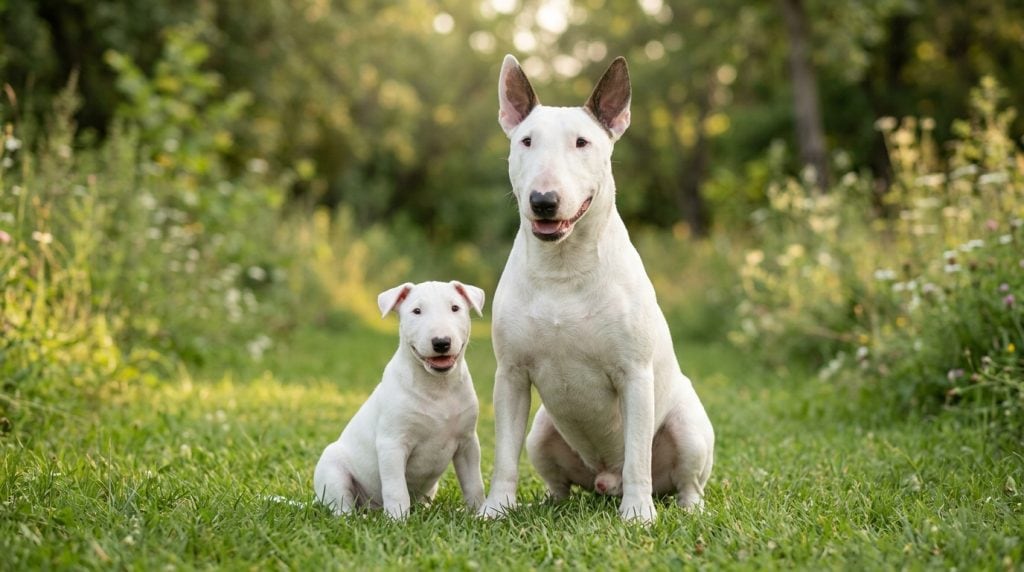
Living with a Bull Terrier is like having a lively, charismatic companion who brings energy and humour to daily life. Known for their distinctive egg-shaped heads and muscular build, they often surprise owners with their playful antics and affectionate nature. While they can be independent thinkers, many Bull Terriers thrive on interaction and enjoy being part of the family dynamic.
At a glance
Core care
- Size: Medium
- Energy: High
- Grooming: Low
- Shedding: Low
Support style
- Sensitivity: Moderate
- Training style: Independent
Breed guide
Choose a section to explore. These notes describe common patterns, but individual dogs vary widely.
The Bull Terrier’s roots trace back to the 19th century when they were bred in England for bull-baiting and later as companions. This history of strength and resilience is still evident today, as Bull Terriers are known for their robust and energetic nature. They have transitioned from their working origins to become beloved family pets, bringing a unique blend of tenacity and affection to their homes.
Physically, Bull Terriers are unmistakable with their distinctive egg-shaped heads and muscular bodies. These features are not just for show; they reflect a dog built for endurance and agility. In everyday life, this means a Bull Terrier is often ready for a game of fetch or a brisk walk, using their physical prowess to engage in various activities. Despite their strength, they are surprisingly gentle with their families, often seeking out cuddles and affection.
Temperamentally, Bull Terriers are known for their spirited and sometimes stubborn nature. Owners often notice their dog’s independent streak, which can be both amusing and challenging. They are generally friendly and enjoy social interactions, but their moderate sensitivity means they can be affected by changes in their environment or routine. This makes them intriguing companions, as they balance independence with a need for social engagement.
When considering a Bull Terrier, it’s important to remember that each dog is an individual. While many share common traits, such as a love for play and a strong-willed personality, they can vary widely in their behaviour. Factors like genetics, upbringing, and daily experiences all play a role in shaping a Bull Terrier’s character. This breed can be a delightful addition to the right household, offering both challenges and rewards in equal measure.
Bull Terriers are often described as clowns of the dog world, thanks to their playful and mischievous nature. Owners frequently observe their dog’s love for play, whether it’s a game of tug-of-war or a romp in the garden. This playful disposition is deeply rooted in their social nature, as they thrive on interaction and enjoy being the centre of attention. Their antics can bring a lot of joy to a household, but they also require an understanding of their unique personality.
The breed’s independent streak is another notable trait. Bull Terriers can be quite headstrong, which means they sometimes prefer to do things their own way. This independence can make training a bit of a challenge, but it also adds to their charm. Owners often find that a Bull Terrier’s stubbornness is balanced by their affectionate side, as they enjoy spending time with their families and are usually eager to please once they understand what’s expected.
Sensitivity is a moderate trait in Bull Terriers, and it often shows up in how they react to their environment. They can pick up on their owner’s moods and may become anxious if there’s too much chaos or change. This sensitivity means they benefit from a stable routine and a calm, consistent approach to training and interaction. Understanding this aspect of their temperament can help owners create a supportive environment that allows their Bull Terrier to thrive.
Overall, living with a Bull Terrier requires a balance of patience and humour. They are dogs that love to entertain and be entertained, and they often form strong bonds with their families. While they may test boundaries from time to time, their loyalty and affection make them rewarding companions. Recognising their individual needs and quirks is key to enjoying life with a Bull Terrier.
A typical day with a Bull Terrier often involves a mix of physical activity and mental stimulation. These dogs have high energy levels, so they benefit from regular exercise, such as brisk walks, play sessions in the garden, or even agility training. Owners often find that a tired Bull Terrier is a happy Bull Terrier, as they tend to settle more easily after a good workout.
In addition to physical exercise, mental enrichment is crucial for this intelligent breed. Bull Terriers enjoy problem-solving games and interactive toys that challenge their minds. Activities like scent work or puzzle feeders can keep them engaged and help prevent boredom, which can sometimes lead to mischievous behaviour. Owners often notice that a well-stimulated Bull Terrier is less likely to engage in unwanted behaviours.
It’s important to tailor exercise and enrichment to the Bull Terrier’s life stage. Puppies and young dogs typically require more frequent, shorter bursts of activity, while adults may enjoy longer, more sustained exercise. As they age, Bull Terriers might slow down a bit, but they still benefit from regular walks and gentle play to keep them healthy and engaged.
Owners should be mindful of avoiding over-exercise, especially in hot weather, as Bull Terriers can be prone to overheating due to their muscular build. It’s also wise to mix up activities to keep them interested, as they can become bored with repetitive routines. By understanding their exercise and enrichment needs, owners can help their Bull Terrier lead a happy, balanced life.
Training a Bull Terrier often feels like a dance between patience and creativity. Their independent nature means they can be a bit stubborn, but they are also intelligent and capable of learning a wide range of commands. Owners often find that positive reinforcement techniques, such as treats and praise, work well to motivate these dogs.
Impulse control can be an area where Bull Terriers need extra support. They are enthusiastic and can sometimes get carried away, especially when excited. Training sessions that focus on self-control, like waiting at doorways or sitting calmly before meals, can be beneficial. Consistency is key, as these dogs respond well to clear expectations and routine.
Adolescence can be a particularly challenging time for Bull Terrier owners. During this phase, they may test boundaries and exhibit more stubborn behaviour. It’s important to remain patient and consistent, reinforcing training with kindness and understanding. Many owners find that enrolling in a training class can provide valuable support and help their Bull Terrier navigate this stage successfully.
Building a strong relationship with a Bull Terrier is essential for effective training. They are dogs that thrive on connection and often respond best when they feel understood and appreciated. By focusing on positive interactions and celebrating small victories, owners can foster a cooperative and rewarding training experience with their Bull Terrier.
Bull Terriers can adapt to a variety of living environments, but they thrive best in homes where they have space to play and explore. They are active dogs that enjoy having a garden to romp in, but they can also do well in apartments if they receive sufficient exercise and mental stimulation. Many owners find that a Bull Terrier’s playful nature fits well with an active lifestyle.
When it comes to living with children, Bull Terriers are often affectionate and protective. They can be great playmates, but supervision is important to ensure interactions are safe and positive. Their energetic nature means they may inadvertently knock over small children, so teaching both the dog and the children how to interact respectfully is key.
Bull Terriers can coexist with other pets, but early socialisation is crucial. Their terrier instincts may lead them to chase smaller animals, so introductions should be managed carefully. With proper training and socialisation, many Bull Terriers learn to live harmoniously with other dogs and pets.
Ultimately, a Bull Terrier’s suitability for a home depends on the owner’s ability to meet their exercise, training, and social needs. They are dogs that thrive on interaction and can bring a lot of joy to a household willing to embrace their lively and spirited nature. Understanding their individual needs helps ensure a happy and fulfilling life together.
Health is a vital aspect of a Bull Terrier’s overall wellbeing, and attentive care can make a significant difference. Regular veterinary check-ups are essential to monitor their health and catch any potential issues early. Preventive care, including vaccinations and parasite control, helps maintain their health and prevent common ailments.
Bull Terriers are prone to certain breed-specific health conditions, such as skin allergies and kidney disease. Owners should be aware of these potential issues and work closely with their vet to manage any symptoms. Maintaining a balanced diet and regular exercise can support their health and reduce the risk of obesity-related problems.
Behaviour can sometimes be an indicator of health issues in Bull Terriers. Changes in energy levels, appetite, or behaviour may signal an underlying health concern. It’s important for owners to be observant and seek veterinary advice if they notice anything unusual. Early intervention can often lead to better outcomes.
A practical approach to health care involves being proactive and informed. Understanding the breed’s specific health needs and working with a trusted vet ensures that a Bull Terrier receives the best possible care. By prioritising their health, owners can enjoy many happy years with their Bull Terrier.
The Bull Terrier’s history is a fascinating journey from a working dog to a beloved family companion. Originating in 19th century England, they were initially bred for bull-baiting, a practice that required strength, tenacity, and courage. As these activities were outlawed, Bull Terriers transitioned to roles as companion animals, valued for their loyalty and unique appearance.
The breed was developed by crossing Bulldogs with Terriers, resulting in a dog that combined the best traits of both. This mix gave Bull Terriers their distinctive egg-shaped heads and muscular build, traits that have become iconic. Their physical attributes were matched by a spirited temperament, making them both formidable and endearing.
As Bull Terriers evolved from working dogs to companions, their roles expanded. They became popular among the gentry for their striking appearance and engaging personalities. This transition helped shape the modern Bull Terrier, known for their playful nature and affectionate disposition.
Today, Bull Terriers are recognised for their unique blend of strength and charm. Their history as working dogs explains their energetic and sometimes stubborn nature, traits that are still evident in their behaviour. Understanding their origins helps owners appreciate the breed’s distinctive characteristics and the legacy that continues to influence them.
What shapes individual dogs
- Early social experiences
- Training approach
- Environment & routine
- Genetics & breeding
- Health & pain
- Age / life stage
The Bull Terrier’s roots trace back to the 19th century when they were bred in England for bull-baiting and later as companions. This history of strength and resilience is still evident today, as Bull Terriers are known for their robust and energetic nature. They have transitioned from their working origins to become beloved family pets, bringing a unique blend of tenacity and affection to their homes.
Physically, Bull Terriers are unmistakable with their distinctive egg-shaped heads and muscular bodies. These features are not just for show; they reflect a dog built for endurance and agility. In everyday life, this means a Bull Terrier is often ready for a game of fetch or a brisk walk, using their physical prowess to engage in various activities. Despite their strength, they are surprisingly gentle with their families, often seeking out cuddles and affection.
Temperamentally, Bull Terriers are known for their spirited and sometimes stubborn nature. Owners often notice their dog’s independent streak, which can be both amusing and challenging. They are generally friendly and enjoy social interactions, but their moderate sensitivity means they can be affected by changes in their environment or routine. This makes them intriguing companions, as they balance independence with a need for social engagement.
When considering a Bull Terrier, it’s important to remember that each dog is an individual. While many share common traits, such as a love for play and a strong-willed personality, they can vary widely in their behaviour. Factors like genetics, upbringing, and daily experiences all play a role in shaping a Bull Terrier’s character. This breed can be a delightful addition to the right household, offering both challenges and rewards in equal measure.
Bull Terriers are often described as clowns of the dog world, thanks to their playful and mischievous nature. Owners frequently observe their dog’s love for play, whether it’s a game of tug-of-war or a romp in the garden. This playful disposition is deeply rooted in their social nature, as they thrive on interaction and enjoy being the centre of attention. Their antics can bring a lot of joy to a household, but they also require an understanding of their unique personality.
The breed’s independent streak is another notable trait. Bull Terriers can be quite headstrong, which means they sometimes prefer to do things their own way. This independence can make training a bit of a challenge, but it also adds to their charm. Owners often find that a Bull Terrier’s stubbornness is balanced by their affectionate side, as they enjoy spending time with their families and are usually eager to please once they understand what’s expected.
Sensitivity is a moderate trait in Bull Terriers, and it often shows up in how they react to their environment. They can pick up on their owner’s moods and may become anxious if there’s too much chaos or change. This sensitivity means they benefit from a stable routine and a calm, consistent approach to training and interaction. Understanding this aspect of their temperament can help owners create a supportive environment that allows their Bull Terrier to thrive.
Overall, living with a Bull Terrier requires a balance of patience and humour. They are dogs that love to entertain and be entertained, and they often form strong bonds with their families. While they may test boundaries from time to time, their loyalty and affection make them rewarding companions. Recognising their individual needs and quirks is key to enjoying life with a Bull Terrier.
A typical day with a Bull Terrier often involves a mix of physical activity and mental stimulation. These dogs have high energy levels, so they benefit from regular exercise, such as brisk walks, play sessions in the garden, or even agility training. Owners often find that a tired Bull Terrier is a happy Bull Terrier, as they tend to settle more easily after a good workout.
In addition to physical exercise, mental enrichment is crucial for this intelligent breed. Bull Terriers enjoy problem-solving games and interactive toys that challenge their minds. Activities like scent work or puzzle feeders can keep them engaged and help prevent boredom, which can sometimes lead to mischievous behaviour. Owners often notice that a well-stimulated Bull Terrier is less likely to engage in unwanted behaviours.
It’s important to tailor exercise and enrichment to the Bull Terrier’s life stage. Puppies and young dogs typically require more frequent, shorter bursts of activity, while adults may enjoy longer, more sustained exercise. As they age, Bull Terriers might slow down a bit, but they still benefit from regular walks and gentle play to keep them healthy and engaged.
Owners should be mindful of avoiding over-exercise, especially in hot weather, as Bull Terriers can be prone to overheating due to their muscular build. It’s also wise to mix up activities to keep them interested, as they can become bored with repetitive routines. By understanding their exercise and enrichment needs, owners can help their Bull Terrier lead a happy, balanced life.
Training a Bull Terrier often feels like a dance between patience and creativity. Their independent nature means they can be a bit stubborn, but they are also intelligent and capable of learning a wide range of commands. Owners often find that positive reinforcement techniques, such as treats and praise, work well to motivate these dogs.
Impulse control can be an area where Bull Terriers need extra support. They are enthusiastic and can sometimes get carried away, especially when excited. Training sessions that focus on self-control, like waiting at doorways or sitting calmly before meals, can be beneficial. Consistency is key, as these dogs respond well to clear expectations and routine.
Adolescence can be a particularly challenging time for Bull Terrier owners. During this phase, they may test boundaries and exhibit more stubborn behaviour. It’s important to remain patient and consistent, reinforcing training with kindness and understanding. Many owners find that enrolling in a training class can provide valuable support and help their Bull Terrier navigate this stage successfully.
Building a strong relationship with a Bull Terrier is essential for effective training. They are dogs that thrive on connection and often respond best when they feel understood and appreciated. By focusing on positive interactions and celebrating small victories, owners can foster a cooperative and rewarding training experience with their Bull Terrier.
Bull Terriers can adapt to a variety of living environments, but they thrive best in homes where they have space to play and explore. They are active dogs that enjoy having a garden to romp in, but they can also do well in apartments if they receive sufficient exercise and mental stimulation. Many owners find that a Bull Terrier’s playful nature fits well with an active lifestyle.
When it comes to living with children, Bull Terriers are often affectionate and protective. They can be great playmates, but supervision is important to ensure interactions are safe and positive. Their energetic nature means they may inadvertently knock over small children, so teaching both the dog and the children how to interact respectfully is key.
Bull Terriers can coexist with other pets, but early socialisation is crucial. Their terrier instincts may lead them to chase smaller animals, so introductions should be managed carefully. With proper training and socialisation, many Bull Terriers learn to live harmoniously with other dogs and pets.
Ultimately, a Bull Terrier’s suitability for a home depends on the owner’s ability to meet their exercise, training, and social needs. They are dogs that thrive on interaction and can bring a lot of joy to a household willing to embrace their lively and spirited nature. Understanding their individual needs helps ensure a happy and fulfilling life together.
Health is a vital aspect of a Bull Terrier’s overall wellbeing, and attentive care can make a significant difference. Regular veterinary check-ups are essential to monitor their health and catch any potential issues early. Preventive care, including vaccinations and parasite control, helps maintain their health and prevent common ailments.
Bull Terriers are prone to certain breed-specific health conditions, such as skin allergies and kidney disease. Owners should be aware of these potential issues and work closely with their vet to manage any symptoms. Maintaining a balanced diet and regular exercise can support their health and reduce the risk of obesity-related problems.
Behaviour can sometimes be an indicator of health issues in Bull Terriers. Changes in energy levels, appetite, or behaviour may signal an underlying health concern. It’s important for owners to be observant and seek veterinary advice if they notice anything unusual. Early intervention can often lead to better outcomes.
A practical approach to health care involves being proactive and informed. Understanding the breed’s specific health needs and working with a trusted vet ensures that a Bull Terrier receives the best possible care. By prioritising their health, owners can enjoy many happy years with their Bull Terrier.
The Bull Terrier’s history is a fascinating journey from a working dog to a beloved family companion. Originating in 19th century England, they were initially bred for bull-baiting, a practice that required strength, tenacity, and courage. As these activities were outlawed, Bull Terriers transitioned to roles as companion animals, valued for their loyalty and unique appearance.
The breed was developed by crossing Bulldogs with Terriers, resulting in a dog that combined the best traits of both. This mix gave Bull Terriers their distinctive egg-shaped heads and muscular build, traits that have become iconic. Their physical attributes were matched by a spirited temperament, making them both formidable and endearing.
As Bull Terriers evolved from working dogs to companions, their roles expanded. They became popular among the gentry for their striking appearance and engaging personalities. This transition helped shape the modern Bull Terrier, known for their playful nature and affectionate disposition.
Today, Bull Terriers are recognised for their unique blend of strength and charm. Their history as working dogs explains their energetic and sometimes stubborn nature, traits that are still evident in their behaviour. Understanding their origins helps owners appreciate the breed’s distinctive characteristics and the legacy that continues to influence them.
What shapes individual dogs
- Early social experiences
- Training approach
- Environment & routine
- Genetics & breeding
- Health & pain
- Age / life stage
Want support with this?
This course offers valuable insights into the Bull Terrier's unique temperament and behaviour, helping owners build a deeper connection with their dog.