
Brussels Griffon
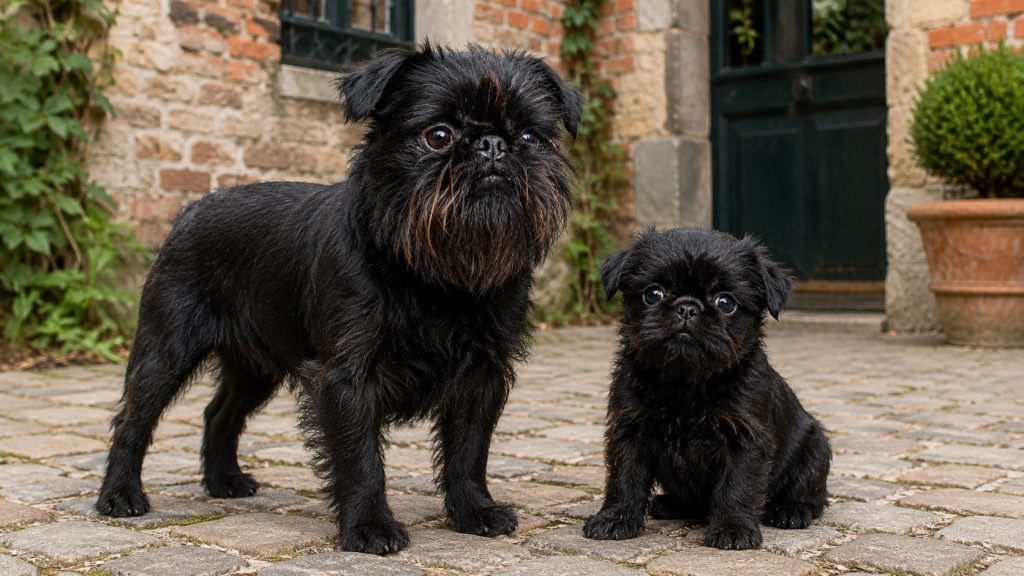
Living with a Brussels Griffon often feels like having a charmingly quirky companion by your side. Their expressive faces and alert nature make them engaging housemates, always keen to be involved in whatever you’re doing. Many owners find that these dogs thrive on companionship, often seeking out their favourite people for a cuddle or a game.
At a glance
Core care
- Size: Small
- Energy: Moderate
- Grooming: Low
- Shedding: Low
Support style
- Sensitivity: High
- Training style: Willing
Breed guide
Choose a section to explore. These notes describe common patterns, but individual dogs vary widely.
The Brussels Griffon has its roots in Belgium, where it was originally bred to hunt and eliminate vermin in stables. This working background has contributed to their keen alertness and lively nature, traits that are still evident today. As companions, they often exhibit a curious and spirited disposition, making them delightful household members who enjoy being part of the daily activities.
Physically, the Brussels Griffon is a small dog with a distinctive face that often draws comparisons to a monkey or an Ewok. Their compact size makes them well-suited to apartment living, but their sturdy build and expressive eyes suggest a dog that is both robust and full of character. Owners often find that their small stature belies a big personality, as these dogs carry themselves with a confident air.
In terms of temperament, Brussels Griffons are known for their affectionate and sometimes comical nature. They tend to form strong bonds with their families and can be quite sensitive to changes in their environment. This sensitivity often means they thrive in stable, loving homes where they are treated as part of the family. While they are generally friendly, they can be wary of strangers, a trait that reflects their alert and protective instincts.
It’s important for potential owners to understand that while breed traits offer a general guide, each Brussels Griffon is an individual. Their behaviour and personality can be influenced by a variety of factors, including genetics, socialisation, and training. Prospective owners should be prepared for a dog that may require a bit of patience and understanding but will reward them with loyalty and affection.
Brussels Griffons are often described as having a social yet sensitive nature, making them intriguing companions. Their desire to be close to their human family members is usually evident, as they often follow their owners from room to room. This breed tends to thrive on interaction, and many owners notice how their Griffon seeks out attention and affection, often curling up next to them on the sofa.
Their high sensitivity means they are quite attuned to the moods and emotions of those around them. This can be a double-edged sword; while they can be incredibly empathetic and responsive, they may also become anxious if there is tension or upheaval in the home. Owners often find that maintaining a calm and consistent environment helps their Griffon feel secure and content.
Trainability in Brussels Griffons is generally good, as they are eager to please and enjoy learning new things. However, their sensitive nature means that positive reinforcement methods work best. They respond well to praise and treats, and training sessions are often most successful when they are short, fun, and engaging. Owners often find that patience and consistency are key to nurturing their Griffon’s cooperative spirit.
Despite their affectionate nature, Brussels Griffons can be a bit reserved with strangers. They may take some time to warm up to new people, which is a reflection of their cautious and observant temperament. This trait can be managed with early socialisation, helping them to become more comfortable in a variety of situations. Overall, their temperament is a blend of affectionate loyalty and a touch of independence, making them unique and endearing companions.
A typical day for a Brussels Griffon involves moderate exercise coupled with plenty of mental enrichment. These dogs enjoy a couple of short walks each day, which not only help them expend energy but also satisfy their curious nature. Many owners find that their Griffon loves to explore new scents and sights, making walks an important part of their routine.
While they don’t require extensive physical exercise, Brussels Griffons do benefit from activities that engage their minds. Puzzle toys, interactive games, and basic training exercises can all provide the mental stimulation they crave. Owners often discover that these dogs enjoy learning new tricks or playing games that challenge their problem-solving skills.
As with many breeds, the exercise needs of a Brussels Griffon can change with age. Puppies are typically more energetic and may require more frequent play sessions to tire them out. In contrast, older Griffons might prefer a more relaxed pace, enjoying leisurely strolls and gentle play. It’s important for owners to adjust their dog’s routine to match their energy levels and physical capabilities.
It’s worth noting that Brussels Griffons can be sensitive to extreme weather conditions due to their small size and brachycephalic facial structure. Owners should be cautious during very hot or cold weather, ensuring their dog remains comfortable and safe. Overall, a balanced routine of moderate exercise and mental enrichment helps keep a Brussels Griffon happy and healthy.
Training a Brussels Griffon often feels like a rewarding experience, as these dogs are both intelligent and eager to please. Owners frequently find that their Griffon is quick to pick up new commands, especially when training sessions are approached with positivity and patience. Their willingness to learn makes them enjoyable students, provided that the training is consistent and engaging.
Positive reinforcement is particularly effective with this breed. Treats, praise, and play are all excellent motivators for a Brussels Griffon, and these methods help to build a strong bond between dog and owner. Many owners notice that their Griffon responds well to a gentle approach, as harsh methods can lead to anxiety or resistance.
Adolescence can bring some challenges, as with many breeds, but maintaining a consistent training routine helps to navigate this period smoothly. Owners often find that their Griffon may test boundaries during this stage, but with patience and continued positive reinforcement, these behaviours can be managed effectively. Socialisation remains important throughout this time, helping the dog to remain well-adjusted and confident.
The relationship between a Brussels Griffon and their owner plays a crucial role in training success. These dogs thrive on close connections and are often more responsive when they feel secure and understood. Consistency in commands and expectations helps to reinforce learning and ensures that the Griffon understands what is expected of them. With the right approach, training can be a fulfilling and enjoyable experience for both dog and owner.
The Brussels Griffon tends to fit well in a variety of living environments, from city apartments to country homes, thanks to their small size and adaptable nature. They are often happiest in homes where they can be close to their human companions, as they thrive on interaction and companionship. Many owners find that their Griffon enjoys being involved in family activities, whether it’s a walk in the park or a quiet evening at home.
While they are generally good with children, it’s important to supervise interactions to ensure that both the dog and the child are comfortable and respectful of each other. Their small size can make them more vulnerable to rough handling, so teaching children how to interact gently is crucial. Similarly, Brussels Griffons can live harmoniously with other pets if introduced properly and given time to adjust.
These dogs are known for their sensitivity, which means they may not cope well with chaotic or overly noisy environments. A calm, stable home suits them best, where they can feel secure and loved. Owners often find that their Griffon appreciates a predictable routine, which helps them feel more at ease.
Ultimately, the Brussels Griffon is a breed that thrives on companionship and involvement. They are well-suited to owners who can provide them with the attention and affection they crave. By understanding their needs and temperament, potential owners can create a harmonious living environment that benefits both the dog and the family.
Health and wellbeing are closely linked in the Brussels Griffon, as their small size and unique facial structure can present specific challenges. Owners often find that regular veterinary check-ups are essential to monitor their health and catch any potential issues early. Preventive care, including vaccinations and dental hygiene, plays a crucial role in maintaining their overall wellbeing.
Brussels Griffons can be prone to certain health conditions, such as respiratory issues due to their brachycephalic face, and patellar luxation. While these conditions can be managed with proper care and attention, it’s important for owners to be aware of the signs and seek veterinary advice if they have any concerns. Regular monitoring and a proactive approach to health can help mitigate these risks.
Their sensitive nature means that stress and anxiety can also impact their health. Many owners find that providing a stable and loving environment helps their Griffon to feel secure and reduces the likelihood of stress-related issues. Understanding their behaviour and responding to their needs can contribute significantly to their overall health.
In terms of daily care, a balanced diet and appropriate exercise are key components of a healthy lifestyle for a Brussels Griffon. Owners often find that maintaining a healthy weight helps prevent joint issues and supports their overall vitality. By focusing on preventive care and understanding their specific health needs, owners can help ensure a long and happy life for their Griffon.
The Brussels Griffon originated in Belgium, where it was initially bred as a stable dog to hunt and eliminate vermin. Its small size and tenacious nature made it well-suited to this role, and it quickly became a favourite among stable workers and coachmen. This practical beginning laid the foundation for the breed’s alert and lively temperament.
Over time, the Brussels Griffon gained popularity beyond its working roots, becoming a cherished companion for Belgian nobility. Its unique appearance, characterized by a distinctive face and expressive eyes, captured the hearts of many, leading to its rise in status as a companion dog. This transition from working dog to companion is reflected in the breed’s affectionate and social nature today.
The breed’s development involved the introduction of other breeds, such as the Pug and the King Charles Spaniel, which contributed to its distinctive appearance and temperament. These influences helped shape the Brussels Griffon into the charming and engaging dog we know today, with its blend of intelligence, sensitivity, and loyalty.
Understanding the history of the Brussels Griffon provides insight into its modern traits. The breed’s working origins explain its alertness and confidence, while its evolution as a companion dog highlights its need for close human interaction. This historical context helps owners appreciate the unique qualities of the Brussels Griffon and informs how they care for and interact with their dog.
What shapes individual dogs
- Early social experiences
- Training approach
- Environment & routine
- Genetics & breeding
- Health & pain
- Age / life stage
The Brussels Griffon has its roots in Belgium, where it was originally bred to hunt and eliminate vermin in stables. This working background has contributed to their keen alertness and lively nature, traits that are still evident today. As companions, they often exhibit a curious and spirited disposition, making them delightful household members who enjoy being part of the daily activities.
Physically, the Brussels Griffon is a small dog with a distinctive face that often draws comparisons to a monkey or an Ewok. Their compact size makes them well-suited to apartment living, but their sturdy build and expressive eyes suggest a dog that is both robust and full of character. Owners often find that their small stature belies a big personality, as these dogs carry themselves with a confident air.
In terms of temperament, Brussels Griffons are known for their affectionate and sometimes comical nature. They tend to form strong bonds with their families and can be quite sensitive to changes in their environment. This sensitivity often means they thrive in stable, loving homes where they are treated as part of the family. While they are generally friendly, they can be wary of strangers, a trait that reflects their alert and protective instincts.
It’s important for potential owners to understand that while breed traits offer a general guide, each Brussels Griffon is an individual. Their behaviour and personality can be influenced by a variety of factors, including genetics, socialisation, and training. Prospective owners should be prepared for a dog that may require a bit of patience and understanding but will reward them with loyalty and affection.
Brussels Griffons are often described as having a social yet sensitive nature, making them intriguing companions. Their desire to be close to their human family members is usually evident, as they often follow their owners from room to room. This breed tends to thrive on interaction, and many owners notice how their Griffon seeks out attention and affection, often curling up next to them on the sofa.
Their high sensitivity means they are quite attuned to the moods and emotions of those around them. This can be a double-edged sword; while they can be incredibly empathetic and responsive, they may also become anxious if there is tension or upheaval in the home. Owners often find that maintaining a calm and consistent environment helps their Griffon feel secure and content.
Trainability in Brussels Griffons is generally good, as they are eager to please and enjoy learning new things. However, their sensitive nature means that positive reinforcement methods work best. They respond well to praise and treats, and training sessions are often most successful when they are short, fun, and engaging. Owners often find that patience and consistency are key to nurturing their Griffon’s cooperative spirit.
Despite their affectionate nature, Brussels Griffons can be a bit reserved with strangers. They may take some time to warm up to new people, which is a reflection of their cautious and observant temperament. This trait can be managed with early socialisation, helping them to become more comfortable in a variety of situations. Overall, their temperament is a blend of affectionate loyalty and a touch of independence, making them unique and endearing companions.
A typical day for a Brussels Griffon involves moderate exercise coupled with plenty of mental enrichment. These dogs enjoy a couple of short walks each day, which not only help them expend energy but also satisfy their curious nature. Many owners find that their Griffon loves to explore new scents and sights, making walks an important part of their routine.
While they don’t require extensive physical exercise, Brussels Griffons do benefit from activities that engage their minds. Puzzle toys, interactive games, and basic training exercises can all provide the mental stimulation they crave. Owners often discover that these dogs enjoy learning new tricks or playing games that challenge their problem-solving skills.
As with many breeds, the exercise needs of a Brussels Griffon can change with age. Puppies are typically more energetic and may require more frequent play sessions to tire them out. In contrast, older Griffons might prefer a more relaxed pace, enjoying leisurely strolls and gentle play. It’s important for owners to adjust their dog’s routine to match their energy levels and physical capabilities.
It’s worth noting that Brussels Griffons can be sensitive to extreme weather conditions due to their small size and brachycephalic facial structure. Owners should be cautious during very hot or cold weather, ensuring their dog remains comfortable and safe. Overall, a balanced routine of moderate exercise and mental enrichment helps keep a Brussels Griffon happy and healthy.
Training a Brussels Griffon often feels like a rewarding experience, as these dogs are both intelligent and eager to please. Owners frequently find that their Griffon is quick to pick up new commands, especially when training sessions are approached with positivity and patience. Their willingness to learn makes them enjoyable students, provided that the training is consistent and engaging.
Positive reinforcement is particularly effective with this breed. Treats, praise, and play are all excellent motivators for a Brussels Griffon, and these methods help to build a strong bond between dog and owner. Many owners notice that their Griffon responds well to a gentle approach, as harsh methods can lead to anxiety or resistance.
Adolescence can bring some challenges, as with many breeds, but maintaining a consistent training routine helps to navigate this period smoothly. Owners often find that their Griffon may test boundaries during this stage, but with patience and continued positive reinforcement, these behaviours can be managed effectively. Socialisation remains important throughout this time, helping the dog to remain well-adjusted and confident.
The relationship between a Brussels Griffon and their owner plays a crucial role in training success. These dogs thrive on close connections and are often more responsive when they feel secure and understood. Consistency in commands and expectations helps to reinforce learning and ensures that the Griffon understands what is expected of them. With the right approach, training can be a fulfilling and enjoyable experience for both dog and owner.
The Brussels Griffon tends to fit well in a variety of living environments, from city apartments to country homes, thanks to their small size and adaptable nature. They are often happiest in homes where they can be close to their human companions, as they thrive on interaction and companionship. Many owners find that their Griffon enjoys being involved in family activities, whether it’s a walk in the park or a quiet evening at home.
While they are generally good with children, it’s important to supervise interactions to ensure that both the dog and the child are comfortable and respectful of each other. Their small size can make them more vulnerable to rough handling, so teaching children how to interact gently is crucial. Similarly, Brussels Griffons can live harmoniously with other pets if introduced properly and given time to adjust.
These dogs are known for their sensitivity, which means they may not cope well with chaotic or overly noisy environments. A calm, stable home suits them best, where they can feel secure and loved. Owners often find that their Griffon appreciates a predictable routine, which helps them feel more at ease.
Ultimately, the Brussels Griffon is a breed that thrives on companionship and involvement. They are well-suited to owners who can provide them with the attention and affection they crave. By understanding their needs and temperament, potential owners can create a harmonious living environment that benefits both the dog and the family.
Health and wellbeing are closely linked in the Brussels Griffon, as their small size and unique facial structure can present specific challenges. Owners often find that regular veterinary check-ups are essential to monitor their health and catch any potential issues early. Preventive care, including vaccinations and dental hygiene, plays a crucial role in maintaining their overall wellbeing.
Brussels Griffons can be prone to certain health conditions, such as respiratory issues due to their brachycephalic face, and patellar luxation. While these conditions can be managed with proper care and attention, it’s important for owners to be aware of the signs and seek veterinary advice if they have any concerns. Regular monitoring and a proactive approach to health can help mitigate these risks.
Their sensitive nature means that stress and anxiety can also impact their health. Many owners find that providing a stable and loving environment helps their Griffon to feel secure and reduces the likelihood of stress-related issues. Understanding their behaviour and responding to their needs can contribute significantly to their overall health.
In terms of daily care, a balanced diet and appropriate exercise are key components of a healthy lifestyle for a Brussels Griffon. Owners often find that maintaining a healthy weight helps prevent joint issues and supports their overall vitality. By focusing on preventive care and understanding their specific health needs, owners can help ensure a long and happy life for their Griffon.
The Brussels Griffon originated in Belgium, where it was initially bred as a stable dog to hunt and eliminate vermin. Its small size and tenacious nature made it well-suited to this role, and it quickly became a favourite among stable workers and coachmen. This practical beginning laid the foundation for the breed’s alert and lively temperament.
Over time, the Brussels Griffon gained popularity beyond its working roots, becoming a cherished companion for Belgian nobility. Its unique appearance, characterized by a distinctive face and expressive eyes, captured the hearts of many, leading to its rise in status as a companion dog. This transition from working dog to companion is reflected in the breed’s affectionate and social nature today.
The breed’s development involved the introduction of other breeds, such as the Pug and the King Charles Spaniel, which contributed to its distinctive appearance and temperament. These influences helped shape the Brussels Griffon into the charming and engaging dog we know today, with its blend of intelligence, sensitivity, and loyalty.
Understanding the history of the Brussels Griffon provides insight into its modern traits. The breed’s working origins explain its alertness and confidence, while its evolution as a companion dog highlights its need for close human interaction. This historical context helps owners appreciate the unique qualities of the Brussels Griffon and informs how they care for and interact with their dog.
What shapes individual dogs
- Early social experiences
- Training approach
- Environment & routine
- Genetics & breeding
- Health & pain
- Age / life stage
Want support with this?
This course is ideal for understanding the sensitive and nuanced temperament of the Brussels Griffon.