
Bouvier Des Flandres
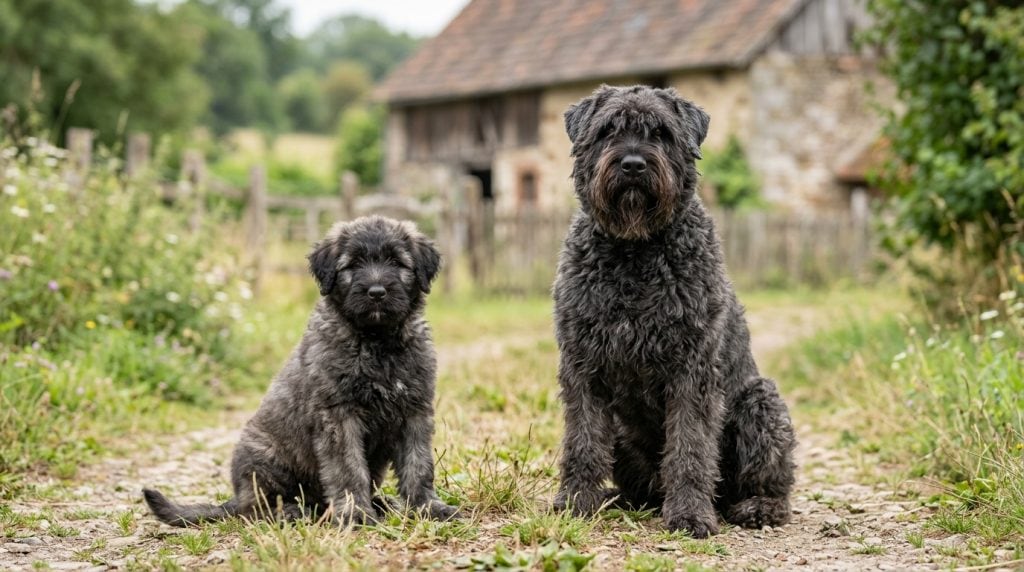
Living with a Bouvier Des Flandres often feels like having a steadfast companion by your side. These dogs are known for their loyalty and protective instincts, which can make them both reliable and attentive family members. Their presence is often felt in the home as they tend to keep a watchful eye on their surroundings, ensuring everything is as it should be.
At a glance
Core care
- Size: Large
- Energy: Moderate to high
- Grooming: Low
- Shedding: Moderate
Support style
- Sensitivity: Moderate
- Training style: Willing
Breed guide
Choose a section to explore. These notes describe common patterns, but individual dogs vary widely.
The Bouvier Des Flandres has its roots deeply embedded in the pastoral landscapes of Belgium, where it was originally bred to be a versatile farm dog. This breed’s history as a herding and working dog is evident in its robust and resilient nature today. Many Bouvier owners find that their dogs retain a strong work ethic, often eager to take on tasks and stay engaged with family activities. This historical backdrop helps explain their alertness and dedication, traits that are still valued by those who share their lives with a Bouvier.
Physically, the Bouvier Des Flandres is a large and sturdy dog, with a distinctive rough coat that serves as both protection and a hallmark of the breed. This coat requires regular grooming to maintain its health and appearance, something that becomes a routine part of living with a Bouvier. Their physical presence is commanding yet approachable, often leading them to be both admired and respected by those who encounter them.
Temperamentally, Bouviers are known for their balanced nature, combining a calm demeanor with a readiness to spring into action when needed. Owners often notice their dog’s keen intelligence and willingness to learn, which can make training a rewarding experience. However, like any breed, there can be variations in temperament, with some Bouviers being more reserved or independent than others. This variation means that understanding and patience are key in nurturing their individual personalities.
When considering a Bouvier Des Flandres, it’s important to have realistic expectations about the time and effort involved in their care. While they are generally adaptable, their size and grooming needs require commitment. Each Bouvier is unique, and while breed traits offer a general guide, individual differences influenced by genetics and environment will shape their specific behaviours and needs.
Bouviers Des Flandres are often described as having a dignified and thoughtful presence, which is a reflection of their herding heritage. They tend to be observant and may take some time to assess new situations or people before fully engaging. This thoughtful approach is part of what makes them such reliable companions, as they often consider their actions carefully.
Socially, Bouviers can be quite protective of their families, which is a trait that many owners appreciate. This protective nature can manifest in a watchful eye over the household, making them excellent watchdogs. However, their moderate sensitivity means they are also attuned to the emotions and dynamics within the home, often responding to changes in mood or routine.
Training a Bouvier Des Flandres can be a rewarding experience due to their willingness to learn and their desire to please. They tend to respond well to positive reinforcement and consistent training methods. Their intelligence means they can quickly pick up new commands, though they may also test boundaries if they sense inconsistency in expectations.
While Bouviers generally have a steady temperament, individual dogs can vary significantly in their social preferences and energy levels. Some may be more outgoing and eager to meet new people, while others might prefer the company of familiar faces. Understanding these nuances and providing appropriate socialisation and training can help each Bouvier thrive in their unique way.
A typical day for a Bouvier Des Flandres involves a balance of physical and mental activity, reflecting their moderate to high energy levels. These dogs benefit from daily walks and play sessions that allow them to stretch their legs and explore their environment. Owners often find that incorporating a variety of activities helps keep their Bouvier engaged and content.
Physical exercise is important, but mental enrichment is equally crucial for this intelligent breed. Puzzle toys, scent games, and training exercises can provide the mental stimulation they crave. Many Bouviers enjoy having a job to do, whether it’s participating in dog sports like agility or simply helping out around the house with simple tasks.
As Bouviers age, their exercise needs may change, with older dogs often requiring less intense activity. However, they still benefit from regular walks and gentle play to maintain their health and mobility. It’s important for owners to adjust their routines to accommodate these changes, ensuring their Bouvier remains active and engaged throughout their life.
Avoiding excessive exercise, especially in young Bouviers, is important to prevent strain on their developing joints. Owners should aim for a balanced approach that meets their dog’s needs without overexertion. By paying attention to their Bouvier’s individual energy levels and preferences, owners can create a routine that supports their dog’s overall wellbeing.
Training a Bouvier Des Flandres often feels like a collaborative experience, as these dogs are known for their willingness to learn and engage with their owners. Many find that a positive and consistent approach works best, as Bouviers respond well to encouragement and clear guidance.
Given their intelligence and herding instincts, Bouviers tend to excel in training environments that challenge their minds and encourage problem-solving. They often enjoy learning new commands and tricks, and their trainability can make them a joy to work with. However, like all dogs, they may have moments of stubbornness, especially during adolescence when testing boundaries is common.
Impulse control can be an area where Bouviers need extra support, particularly in situations that excite or stimulate them. Consistent training and reinforcement of calm behaviours can help manage these impulses, making everyday interactions smoother. Building a strong relationship based on trust and mutual respect is key to successful training with this breed.
For first-time Bouvier owners, understanding their dog’s unique temperament and learning style can be crucial. Enrolling in training classes or seeking guidance from experienced trainers can provide valuable support and ensure that both the dog and owner enjoy the training process. With patience and dedication, Bouviers can thrive in a variety of training settings.
The Bouvier Des Flandres tends to fit well in homes where they have space to move and a family that appreciates their protective and loyal nature. They often thrive in environments where they can be part of the daily routine, enjoying both active play and relaxed downtime with their people.
While Bouviers can adapt to various living situations, they generally do best in homes with access to a secure outdoor area where they can explore and stretch their legs. Their size and energy levels mean they may not be the best fit for very small living spaces, but they can adapt if given sufficient exercise and mental stimulation.
Bouviers are known for their gentle and patient demeanour, which can make them good companions for families with children. However, as with any breed, supervision and teaching children how to interact respectfully with dogs is important. Their protective instincts may also extend to other pets, though early socialisation can help them coexist peacefully.
Ultimately, the Bouvier Des Flandres is a breed that benefits from a lifestyle that values companionship and engagement. Prospective owners should consider whether they can meet the breed’s needs for exercise, grooming, and social interaction. With the right environment and care, Bouviers can make loyal and loving family members.
Health is a key component of a Bouvier Des Flandres’ overall wellbeing, influencing their behaviour and quality of life. Owners often find that maintaining their dog’s health through regular veterinary check-ups and preventive care is essential to ensuring a long and happy life.
Bouviers can be prone to certain health issues, such as hip dysplasia and eye conditions, which are common in larger breeds. Regular monitoring and early detection through veterinary screenings can help manage these conditions effectively. Maintaining a healthy weight and providing a balanced diet also play crucial roles in supporting their joint health and overall vitality.
Preventive care, including vaccinations and parasite control, is important for keeping Bouviers healthy and preventing common illnesses. Owners should also be attentive to any changes in their dog’s behaviour or physical condition, as these can be early indicators of health issues. Consulting with a veterinarian when concerns arise can provide peace of mind and timely intervention if needed.
Overall, caring for a Bouvier Des Flandres involves a proactive approach to health, with an emphasis on regular care and attention to their specific needs. By staying informed and engaged with their dog’s health, owners can help ensure their Bouvier enjoys a vibrant and active life.
The Bouvier Des Flandres originated in the Flanders region, straddling parts of modern-day Belgium and France. This breed was developed as a versatile farm dog, capable of herding cattle, pulling carts, and guarding property. Their robust and adaptable nature made them invaluable to farmers who relied on their strength and intelligence for various tasks.
As the breed developed, Bouviers became known for their resilience and work ethic, traits that were essential in the demanding rural environments of their origin. Their ability to perform a wide range of duties meant they were highly valued, and their reputation as reliable workers spread beyond their native region.
During the World Wars, the Bouvier Des Flandres faced challenges, as many were used in military roles or affected by the devastation of the conflicts. However, dedicated breeders worked to preserve the breed, recognising the importance of maintaining their unique characteristics and capabilities.
Today, the Bouvier Des Flandres is appreciated not only for its historical role as a working dog but also for its qualities as a loyal and protective companion. Their history of versatility and resilience is still evident in their modern-day temperament, making them cherished members of many families around the world.
What shapes individual dogs
- Early social experiences
- Training approach
- Environment & routine
- Genetics & breeding
- Health & pain
- Age / life stage
The Bouvier Des Flandres has its roots deeply embedded in the pastoral landscapes of Belgium, where it was originally bred to be a versatile farm dog. This breed’s history as a herding and working dog is evident in its robust and resilient nature today. Many Bouvier owners find that their dogs retain a strong work ethic, often eager to take on tasks and stay engaged with family activities. This historical backdrop helps explain their alertness and dedication, traits that are still valued by those who share their lives with a Bouvier.
Physically, the Bouvier Des Flandres is a large and sturdy dog, with a distinctive rough coat that serves as both protection and a hallmark of the breed. This coat requires regular grooming to maintain its health and appearance, something that becomes a routine part of living with a Bouvier. Their physical presence is commanding yet approachable, often leading them to be both admired and respected by those who encounter them.
Temperamentally, Bouviers are known for their balanced nature, combining a calm demeanor with a readiness to spring into action when needed. Owners often notice their dog’s keen intelligence and willingness to learn, which can make training a rewarding experience. However, like any breed, there can be variations in temperament, with some Bouviers being more reserved or independent than others. This variation means that understanding and patience are key in nurturing their individual personalities.
When considering a Bouvier Des Flandres, it’s important to have realistic expectations about the time and effort involved in their care. While they are generally adaptable, their size and grooming needs require commitment. Each Bouvier is unique, and while breed traits offer a general guide, individual differences influenced by genetics and environment will shape their specific behaviours and needs.
Bouviers Des Flandres are often described as having a dignified and thoughtful presence, which is a reflection of their herding heritage. They tend to be observant and may take some time to assess new situations or people before fully engaging. This thoughtful approach is part of what makes them such reliable companions, as they often consider their actions carefully.
Socially, Bouviers can be quite protective of their families, which is a trait that many owners appreciate. This protective nature can manifest in a watchful eye over the household, making them excellent watchdogs. However, their moderate sensitivity means they are also attuned to the emotions and dynamics within the home, often responding to changes in mood or routine.
Training a Bouvier Des Flandres can be a rewarding experience due to their willingness to learn and their desire to please. They tend to respond well to positive reinforcement and consistent training methods. Their intelligence means they can quickly pick up new commands, though they may also test boundaries if they sense inconsistency in expectations.
While Bouviers generally have a steady temperament, individual dogs can vary significantly in their social preferences and energy levels. Some may be more outgoing and eager to meet new people, while others might prefer the company of familiar faces. Understanding these nuances and providing appropriate socialisation and training can help each Bouvier thrive in their unique way.
A typical day for a Bouvier Des Flandres involves a balance of physical and mental activity, reflecting their moderate to high energy levels. These dogs benefit from daily walks and play sessions that allow them to stretch their legs and explore their environment. Owners often find that incorporating a variety of activities helps keep their Bouvier engaged and content.
Physical exercise is important, but mental enrichment is equally crucial for this intelligent breed. Puzzle toys, scent games, and training exercises can provide the mental stimulation they crave. Many Bouviers enjoy having a job to do, whether it’s participating in dog sports like agility or simply helping out around the house with simple tasks.
As Bouviers age, their exercise needs may change, with older dogs often requiring less intense activity. However, they still benefit from regular walks and gentle play to maintain their health and mobility. It’s important for owners to adjust their routines to accommodate these changes, ensuring their Bouvier remains active and engaged throughout their life.
Avoiding excessive exercise, especially in young Bouviers, is important to prevent strain on their developing joints. Owners should aim for a balanced approach that meets their dog’s needs without overexertion. By paying attention to their Bouvier’s individual energy levels and preferences, owners can create a routine that supports their dog’s overall wellbeing.
Training a Bouvier Des Flandres often feels like a collaborative experience, as these dogs are known for their willingness to learn and engage with their owners. Many find that a positive and consistent approach works best, as Bouviers respond well to encouragement and clear guidance.
Given their intelligence and herding instincts, Bouviers tend to excel in training environments that challenge their minds and encourage problem-solving. They often enjoy learning new commands and tricks, and their trainability can make them a joy to work with. However, like all dogs, they may have moments of stubbornness, especially during adolescence when testing boundaries is common.
Impulse control can be an area where Bouviers need extra support, particularly in situations that excite or stimulate them. Consistent training and reinforcement of calm behaviours can help manage these impulses, making everyday interactions smoother. Building a strong relationship based on trust and mutual respect is key to successful training with this breed.
For first-time Bouvier owners, understanding their dog’s unique temperament and learning style can be crucial. Enrolling in training classes or seeking guidance from experienced trainers can provide valuable support and ensure that both the dog and owner enjoy the training process. With patience and dedication, Bouviers can thrive in a variety of training settings.
The Bouvier Des Flandres tends to fit well in homes where they have space to move and a family that appreciates their protective and loyal nature. They often thrive in environments where they can be part of the daily routine, enjoying both active play and relaxed downtime with their people.
While Bouviers can adapt to various living situations, they generally do best in homes with access to a secure outdoor area where they can explore and stretch their legs. Their size and energy levels mean they may not be the best fit for very small living spaces, but they can adapt if given sufficient exercise and mental stimulation.
Bouviers are known for their gentle and patient demeanour, which can make them good companions for families with children. However, as with any breed, supervision and teaching children how to interact respectfully with dogs is important. Their protective instincts may also extend to other pets, though early socialisation can help them coexist peacefully.
Ultimately, the Bouvier Des Flandres is a breed that benefits from a lifestyle that values companionship and engagement. Prospective owners should consider whether they can meet the breed’s needs for exercise, grooming, and social interaction. With the right environment and care, Bouviers can make loyal and loving family members.
Health is a key component of a Bouvier Des Flandres’ overall wellbeing, influencing their behaviour and quality of life. Owners often find that maintaining their dog’s health through regular veterinary check-ups and preventive care is essential to ensuring a long and happy life.
Bouviers can be prone to certain health issues, such as hip dysplasia and eye conditions, which are common in larger breeds. Regular monitoring and early detection through veterinary screenings can help manage these conditions effectively. Maintaining a healthy weight and providing a balanced diet also play crucial roles in supporting their joint health and overall vitality.
Preventive care, including vaccinations and parasite control, is important for keeping Bouviers healthy and preventing common illnesses. Owners should also be attentive to any changes in their dog’s behaviour or physical condition, as these can be early indicators of health issues. Consulting with a veterinarian when concerns arise can provide peace of mind and timely intervention if needed.
Overall, caring for a Bouvier Des Flandres involves a proactive approach to health, with an emphasis on regular care and attention to their specific needs. By staying informed and engaged with their dog’s health, owners can help ensure their Bouvier enjoys a vibrant and active life.
The Bouvier Des Flandres originated in the Flanders region, straddling parts of modern-day Belgium and France. This breed was developed as a versatile farm dog, capable of herding cattle, pulling carts, and guarding property. Their robust and adaptable nature made them invaluable to farmers who relied on their strength and intelligence for various tasks.
As the breed developed, Bouviers became known for their resilience and work ethic, traits that were essential in the demanding rural environments of their origin. Their ability to perform a wide range of duties meant they were highly valued, and their reputation as reliable workers spread beyond their native region.
During the World Wars, the Bouvier Des Flandres faced challenges, as many were used in military roles or affected by the devastation of the conflicts. However, dedicated breeders worked to preserve the breed, recognising the importance of maintaining their unique characteristics and capabilities.
Today, the Bouvier Des Flandres is appreciated not only for its historical role as a working dog but also for its qualities as a loyal and protective companion. Their history of versatility and resilience is still evident in their modern-day temperament, making them cherished members of many families around the world.
What shapes individual dogs
- Early social experiences
- Training approach
- Environment & routine
- Genetics & breeding
- Health & pain
- Age / life stage
Want support with this?
This course is relevant for Bouvier owners to better understand their dog's unique temperament and behavioural tendencies.