
Belgian Laekenois
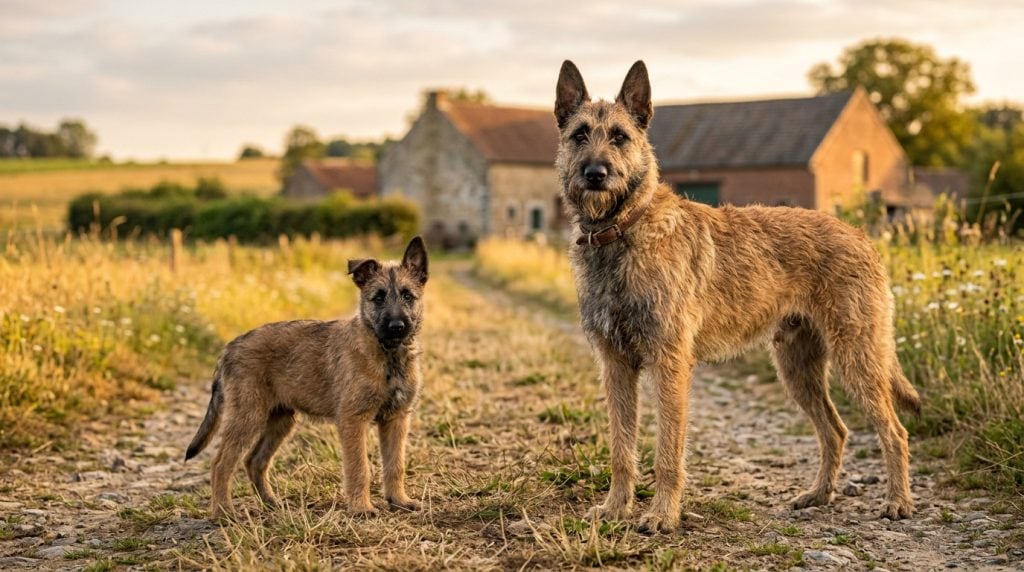
Living with a Belgian Laekenois means embracing a dog that is both attentive and energetic. They often form strong bonds with their families, showing a keen interest in being involved in daily activities. Owners frequently notice their alert nature, always ready to respond to changes in their environment, which reflects their herding background.
At a glance
Core care
- Size: Medium
- Energy: High
- Grooming: Low
- Shedding: Moderate
Support style
- Sensitivity: High
- Training style: Willing
Breed guide
Choose a section to explore. These notes describe common patterns, but individual dogs vary widely.
The Belgian Laekenois has its roots deeply embedded in the pastoral landscapes of Belgium, where it was originally bred as a herding dog. This history of working closely with shepherds to manage flocks has shaped the Laekenois into a breed that is both intelligent and alert. Today, these dogs retain their strong work ethic and are often seen as diligent companions who thrive on having a purpose, whether that means participating in agility sports or simply being a vigilant family member.
Physically, the Belgian Laekenois is a medium-sized dog with a distinctive rough coat that sets it apart from its Belgian Shepherd relatives. This coat is not just for show; it provides protection from the elements, reflecting the breed’s origins in outdoor work. In everyday life, owners find that this coat requires regular grooming to maintain its texture and manage shedding. The Laekenois’ athletic build means they are well-suited to active lifestyles, enjoying long walks and opportunities to run freely.
Temperamentally, the Belgian Laekenois is known for its loyalty and protective instincts. Many owners observe their dog’s natural inclination to be watchful, often acting as a guardian of the home. This breed tends to be reserved with strangers but is usually affectionate and playful with family members. Sensitivity is a notable trait, meaning they respond well to gentle, consistent training methods that build trust and understanding.
While the Belgian Laekenois has many endearing qualities, it’s important for potential owners to recognise that individual dogs can vary significantly. Factors such as genetics, upbringing, and environment all play a role in shaping a dog’s personality and behaviour. Prospective owners should be prepared for a dog that requires both mental and physical stimulation and be willing to invest time in training and socialisation.
The Belgian Laekenois often displays a strong sense of loyalty and attachment to its family, which is a hallmark of its temperament. This breed tends to form deep bonds with those it considers part of its pack, often showing a preference for being involved in family activities. Owners frequently notice how these dogs enjoy following them around the house, always keeping an eye on the goings-on, which is a behaviour rooted in their herding instincts.
Socially, the Laekenois can be somewhat reserved with strangers, a trait that reflects its protective nature. This doesn’t mean they are unfriendly, but rather that they take their time to warm up to new people. Once they feel comfortable, they can be quite playful and affectionate. Owners often find that early socialisation is key to ensuring their Laekenois grows into a well-rounded adult, capable of handling various social situations with ease.
The breed’s high sensitivity means they are particularly attuned to the emotions and moods of their human companions. This can be a double-edged sword; while it allows them to be incredibly empathetic and responsive, it also means they can be affected by tension or stress in the household. Positive reinforcement and a calm, consistent approach in training are essential to help them feel secure and understood.
Trainability is another notable aspect of the Belgian Laekenois’ temperament. They are generally eager to learn and respond well to training that is engaging and rewarding. Owners often find that these dogs excel in activities that challenge both their minds and bodies, such as obedience trials or agility courses. However, it’s important to remember that each Laekenois is an individual, and while many share these common traits, there will always be variations in personality and behaviour.
A typical day for a Belgian Laekenois involves plenty of activity to satisfy their high energy levels. Owners often find that this breed thrives on a mix of physical exercise and mental stimulation. Long walks, runs, or hikes are ideal for burning off energy, while interactive games and puzzle toys can keep their minds sharp. Many Laekenois enjoy having a job to do, whether that’s participating in dog sports or learning new tricks.
Given their working heritage, Belgian Laekenois benefit from structured activities that mimic the tasks they were originally bred for. Herding trials or agility courses can be particularly fulfilling, allowing them to use their natural skills in a controlled environment. Owners often notice that these activities not only provide physical exercise but also help to reinforce training and build a stronger bond between dog and owner.
As with many active breeds, it’s important to adjust the level of exercise based on the dog’s age and health. Puppies and young dogs may have bursts of energy but require careful management to avoid over-exertion, while older dogs might need more gentle activities to keep them fit and healthy. Owners should be mindful of their dog’s individual needs and adapt their routines accordingly.
While the Belgian Laekenois enjoys being active, it’s crucial to avoid over-stimulation, which can lead to stress or behavioural issues. Providing a balance of exercise, rest, and mental enrichment helps maintain their overall wellbeing. Owners often find that a well-exercised Laekenois is a happy and content companion, ready to relax with the family after a day of activity.
Training a Belgian Laekenois can be a rewarding experience, often characterised by the dog’s eagerness to learn and willingness to please. Owners frequently describe the training process as engaging, as these dogs respond well to positive reinforcement techniques. They thrive on praise, treats, and interactive sessions that challenge their intelligence and keep them motivated.
Consistency and patience are key when training this breed. The Laekenois’ high sensitivity means they can be particularly receptive to the tone and mood of their trainer. A calm and encouraging approach helps them feel secure and willing to try new things. Many owners find that building a strong, trusting relationship with their dog is crucial for successful training outcomes.
Adolescence can present some challenges, as with many breeds. During this time, the Laekenois may test boundaries and exhibit more independent behaviour. It’s important for owners to remain consistent with training and continue to reinforce good behaviours. Providing clear guidelines and maintaining a structured routine can help navigate this developmental stage effectively.
Overall, the Belgian Laekenois benefits from training that is both mentally stimulating and physically engaging. Activities like agility, obedience, and herding trials can provide the perfect outlet for their energy and intelligence. Owners who invest time in training often find that their Laekenois becomes a well-mannered and adaptable companion, capable of thriving in a variety of environments.
The Belgian Laekenois tends to thrive in homes where there is ample space for them to move and play. While they can adapt to various living situations, they generally do best in environments that offer access to a secure garden or nearby parks for regular exercise. Owners often find that a home with an active lifestyle suits this breed well, as they enjoy being part of family activities and outings.
Families with children may find the Laekenois to be a playful and protective companion. However, it’s important to supervise interactions between dogs and young children to ensure a harmonious relationship. Teaching children how to interact respectfully with dogs can help foster a positive bond. The Laekenois’ herding instincts may occasionally lead to attempts to herd children or other pets, so early training and socialisation are key to managing these behaviours.
When it comes to living with other pets, the Belgian Laekenois can coexist peacefully, especially if raised together from a young age. Their herding background means they may have a strong prey drive, so introductions to smaller animals should be managed carefully. Owners often find that proper socialisation and training help their Laekenois learn to live harmoniously with other pets.
Ultimately, the Belgian Laekenois is a versatile breed that can adapt to different lifestyles, provided their physical and mental needs are met. Prospective owners should consider whether they can provide the time, space, and attention this breed requires to thrive. Those who do often find the Laekenois to be a loyal and engaging companion, ready to be part of the family.
The health of a Belgian Laekenois is closely tied to their overall wellbeing and quality of life. Like many breeds, they can be prone to certain health issues, so regular veterinary check-ups are essential to catch any potential problems early. Owners often find that maintaining a balanced diet and regular exercise routine contributes significantly to their dog’s health and happiness.
Common health considerations for the Laekenois include hip dysplasia and certain skin conditions, which can affect their comfort and mobility. Regular monitoring and preventive care, such as joint supplements and a suitable diet, can help manage these conditions. Owners should also be vigilant about any changes in their dog’s behaviour or physical condition, as these can be early indicators of health issues.
The breed’s high sensitivity means that stress and anxiety can impact their health, so creating a calm and stable environment is important. Owners often find that providing mental enrichment and maintaining a consistent routine helps reduce stress and supports their dog’s emotional wellbeing. Regular grooming and ear care also play a role in preventing infections and maintaining overall health.
It’s important for owners to seek veterinary advice if they notice any unusual symptoms or changes in their dog’s behaviour. Early intervention can make a significant difference in managing health issues and ensuring a good quality of life. By staying informed and proactive about their Laekenois’ health, owners can help their dog live a long and healthy life.
The Belgian Laekenois is one of the four varieties of Belgian Shepherd dogs, each named after a region in Belgium. The Laekenois hails from the area around the Château de Laeken, where it was originally used as a herding and guard dog. Its rough coat distinguished it from its smoother-coated relatives, providing protection against the harsh weather conditions typical of the region.
Historically, the Laekenois was valued for its versatility and work ethic, often tasked with guarding flocks and property. This background has contributed to the breed’s reputation for being both diligent and protective. The Laekenois’ ability to adapt to different roles and environments made it a popular choice among shepherds and farmers who needed a reliable working dog.
As the breed developed, it maintained its strong herding instincts and intelligence, traits that are still evident in the modern Laekenois. These dogs are known for their ability to learn quickly and respond to training, making them well-suited to a variety of activities beyond herding, such as obedience and agility competitions.
Today, the Belgian Laekenois is recognised for its unique appearance and loyal temperament. While it may not be as widely known as some other breeds, those who appreciate its history and characteristics often find it to be a devoted and capable companion. Understanding the breed’s origins helps explain the traits that owners see in their Laekenois, from their protective nature to their eagerness to work alongside their human companions.
What shapes individual dogs
- Early social experiences
- Training approach
- Environment & routine
- Genetics & breeding
- Health & pain
- Age / life stage
The Belgian Laekenois has its roots deeply embedded in the pastoral landscapes of Belgium, where it was originally bred as a herding dog. This history of working closely with shepherds to manage flocks has shaped the Laekenois into a breed that is both intelligent and alert. Today, these dogs retain their strong work ethic and are often seen as diligent companions who thrive on having a purpose, whether that means participating in agility sports or simply being a vigilant family member.
Physically, the Belgian Laekenois is a medium-sized dog with a distinctive rough coat that sets it apart from its Belgian Shepherd relatives. This coat is not just for show; it provides protection from the elements, reflecting the breed’s origins in outdoor work. In everyday life, owners find that this coat requires regular grooming to maintain its texture and manage shedding. The Laekenois’ athletic build means they are well-suited to active lifestyles, enjoying long walks and opportunities to run freely.
Temperamentally, the Belgian Laekenois is known for its loyalty and protective instincts. Many owners observe their dog’s natural inclination to be watchful, often acting as a guardian of the home. This breed tends to be reserved with strangers but is usually affectionate and playful with family members. Sensitivity is a notable trait, meaning they respond well to gentle, consistent training methods that build trust and understanding.
While the Belgian Laekenois has many endearing qualities, it’s important for potential owners to recognise that individual dogs can vary significantly. Factors such as genetics, upbringing, and environment all play a role in shaping a dog’s personality and behaviour. Prospective owners should be prepared for a dog that requires both mental and physical stimulation and be willing to invest time in training and socialisation.
The Belgian Laekenois often displays a strong sense of loyalty and attachment to its family, which is a hallmark of its temperament. This breed tends to form deep bonds with those it considers part of its pack, often showing a preference for being involved in family activities. Owners frequently notice how these dogs enjoy following them around the house, always keeping an eye on the goings-on, which is a behaviour rooted in their herding instincts.
Socially, the Laekenois can be somewhat reserved with strangers, a trait that reflects its protective nature. This doesn’t mean they are unfriendly, but rather that they take their time to warm up to new people. Once they feel comfortable, they can be quite playful and affectionate. Owners often find that early socialisation is key to ensuring their Laekenois grows into a well-rounded adult, capable of handling various social situations with ease.
The breed’s high sensitivity means they are particularly attuned to the emotions and moods of their human companions. This can be a double-edged sword; while it allows them to be incredibly empathetic and responsive, it also means they can be affected by tension or stress in the household. Positive reinforcement and a calm, consistent approach in training are essential to help them feel secure and understood.
Trainability is another notable aspect of the Belgian Laekenois’ temperament. They are generally eager to learn and respond well to training that is engaging and rewarding. Owners often find that these dogs excel in activities that challenge both their minds and bodies, such as obedience trials or agility courses. However, it’s important to remember that each Laekenois is an individual, and while many share these common traits, there will always be variations in personality and behaviour.
A typical day for a Belgian Laekenois involves plenty of activity to satisfy their high energy levels. Owners often find that this breed thrives on a mix of physical exercise and mental stimulation. Long walks, runs, or hikes are ideal for burning off energy, while interactive games and puzzle toys can keep their minds sharp. Many Laekenois enjoy having a job to do, whether that’s participating in dog sports or learning new tricks.
Given their working heritage, Belgian Laekenois benefit from structured activities that mimic the tasks they were originally bred for. Herding trials or agility courses can be particularly fulfilling, allowing them to use their natural skills in a controlled environment. Owners often notice that these activities not only provide physical exercise but also help to reinforce training and build a stronger bond between dog and owner.
As with many active breeds, it’s important to adjust the level of exercise based on the dog’s age and health. Puppies and young dogs may have bursts of energy but require careful management to avoid over-exertion, while older dogs might need more gentle activities to keep them fit and healthy. Owners should be mindful of their dog’s individual needs and adapt their routines accordingly.
While the Belgian Laekenois enjoys being active, it’s crucial to avoid over-stimulation, which can lead to stress or behavioural issues. Providing a balance of exercise, rest, and mental enrichment helps maintain their overall wellbeing. Owners often find that a well-exercised Laekenois is a happy and content companion, ready to relax with the family after a day of activity.
Training a Belgian Laekenois can be a rewarding experience, often characterised by the dog’s eagerness to learn and willingness to please. Owners frequently describe the training process as engaging, as these dogs respond well to positive reinforcement techniques. They thrive on praise, treats, and interactive sessions that challenge their intelligence and keep them motivated.
Consistency and patience are key when training this breed. The Laekenois’ high sensitivity means they can be particularly receptive to the tone and mood of their trainer. A calm and encouraging approach helps them feel secure and willing to try new things. Many owners find that building a strong, trusting relationship with their dog is crucial for successful training outcomes.
Adolescence can present some challenges, as with many breeds. During this time, the Laekenois may test boundaries and exhibit more independent behaviour. It’s important for owners to remain consistent with training and continue to reinforce good behaviours. Providing clear guidelines and maintaining a structured routine can help navigate this developmental stage effectively.
Overall, the Belgian Laekenois benefits from training that is both mentally stimulating and physically engaging. Activities like agility, obedience, and herding trials can provide the perfect outlet for their energy and intelligence. Owners who invest time in training often find that their Laekenois becomes a well-mannered and adaptable companion, capable of thriving in a variety of environments.
The Belgian Laekenois tends to thrive in homes where there is ample space for them to move and play. While they can adapt to various living situations, they generally do best in environments that offer access to a secure garden or nearby parks for regular exercise. Owners often find that a home with an active lifestyle suits this breed well, as they enjoy being part of family activities and outings.
Families with children may find the Laekenois to be a playful and protective companion. However, it’s important to supervise interactions between dogs and young children to ensure a harmonious relationship. Teaching children how to interact respectfully with dogs can help foster a positive bond. The Laekenois’ herding instincts may occasionally lead to attempts to herd children or other pets, so early training and socialisation are key to managing these behaviours.
When it comes to living with other pets, the Belgian Laekenois can coexist peacefully, especially if raised together from a young age. Their herding background means they may have a strong prey drive, so introductions to smaller animals should be managed carefully. Owners often find that proper socialisation and training help their Laekenois learn to live harmoniously with other pets.
Ultimately, the Belgian Laekenois is a versatile breed that can adapt to different lifestyles, provided their physical and mental needs are met. Prospective owners should consider whether they can provide the time, space, and attention this breed requires to thrive. Those who do often find the Laekenois to be a loyal and engaging companion, ready to be part of the family.
The health of a Belgian Laekenois is closely tied to their overall wellbeing and quality of life. Like many breeds, they can be prone to certain health issues, so regular veterinary check-ups are essential to catch any potential problems early. Owners often find that maintaining a balanced diet and regular exercise routine contributes significantly to their dog’s health and happiness.
Common health considerations for the Laekenois include hip dysplasia and certain skin conditions, which can affect their comfort and mobility. Regular monitoring and preventive care, such as joint supplements and a suitable diet, can help manage these conditions. Owners should also be vigilant about any changes in their dog’s behaviour or physical condition, as these can be early indicators of health issues.
The breed’s high sensitivity means that stress and anxiety can impact their health, so creating a calm and stable environment is important. Owners often find that providing mental enrichment and maintaining a consistent routine helps reduce stress and supports their dog’s emotional wellbeing. Regular grooming and ear care also play a role in preventing infections and maintaining overall health.
It’s important for owners to seek veterinary advice if they notice any unusual symptoms or changes in their dog’s behaviour. Early intervention can make a significant difference in managing health issues and ensuring a good quality of life. By staying informed and proactive about their Laekenois’ health, owners can help their dog live a long and healthy life.
The Belgian Laekenois is one of the four varieties of Belgian Shepherd dogs, each named after a region in Belgium. The Laekenois hails from the area around the Château de Laeken, where it was originally used as a herding and guard dog. Its rough coat distinguished it from its smoother-coated relatives, providing protection against the harsh weather conditions typical of the region.
Historically, the Laekenois was valued for its versatility and work ethic, often tasked with guarding flocks and property. This background has contributed to the breed’s reputation for being both diligent and protective. The Laekenois’ ability to adapt to different roles and environments made it a popular choice among shepherds and farmers who needed a reliable working dog.
As the breed developed, it maintained its strong herding instincts and intelligence, traits that are still evident in the modern Laekenois. These dogs are known for their ability to learn quickly and respond to training, making them well-suited to a variety of activities beyond herding, such as obedience and agility competitions.
Today, the Belgian Laekenois is recognised for its unique appearance and loyal temperament. While it may not be as widely known as some other breeds, those who appreciate its history and characteristics often find it to be a devoted and capable companion. Understanding the breed’s origins helps explain the traits that owners see in their Laekenois, from their protective nature to their eagerness to work alongside their human companions.
What shapes individual dogs
- Early social experiences
- Training approach
- Environment & routine
- Genetics & breeding
- Health & pain
- Age / life stage
Want support with this?
This course is relevant for owners of the Belgian Laekenois, helping them understand the breed's complex temperament and high sensitivity.