
Bedlington Terrier
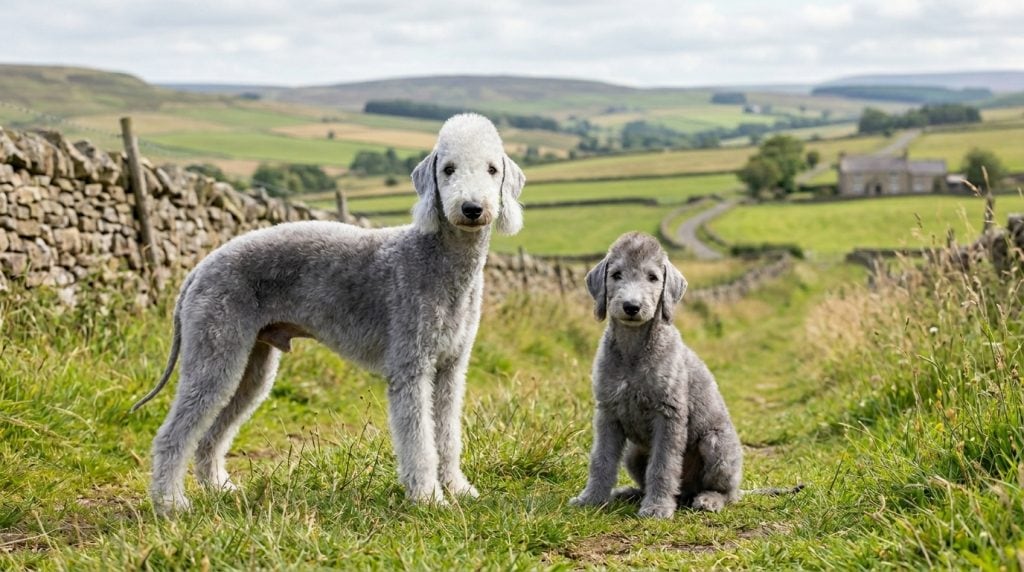
Living with a Bedlington Terrier often feels like sharing your home with a lively and affectionate companion. Their unique lamb-like appearance belies a spirited nature, and they often thrive on being part of family activities. Owners frequently notice their Bedlington's keen intelligence and sensitivity, which can make them particularly attuned to their human companions.
At a glance
Core care
- Size: Medium
- Energy: Moderate to high
- Grooming: Low
- Shedding: Low
Support style
- Sensitivity: High
- Training style: Willing
Breed guide
Choose a section to explore. These notes describe common patterns, but individual dogs vary widely.
The Bedlington Terrier’s origins are deeply rooted in the mining communities of Northumberland, where they were bred for their agility and tenacity in hunting vermin. This working background has shaped the breed into a dog that is both spirited and adaptable, traits that continue to be evident in their modern-day counterparts. While they no longer hunt for a living, Bedlingtons still carry the keen instincts and lively energy that made them valuable to their early owners.
Physically, the Bedlington Terrier is distinct with its curly, woolly coat and arched back, resembling a lamb more than a traditional terrier. This unique appearance often draws attention and curiosity from those unfamiliar with the breed. In everyday life, their coat requires regular grooming to maintain its characteristic look, but it also means they shed minimally, making them a more manageable choice for those concerned about dog hair around the home.
Temperamentally, Bedlingtons are known for their affectionate and gentle nature, particularly with their families. They often form strong bonds with their human companions and can be quite sensitive to their owners’ moods and emotions. While generally friendly, they may exhibit a reserved nature with strangers until they feel comfortable. This sensitivity, combined with their intelligence, makes them responsive to training, though they can also display a stubborn streak typical of terriers.
Prospective owners should be prepared for a dog that thrives on companionship and mental stimulation. While they enjoy a good romp and play session, they also appreciate quiet time with their family. It’s important to remember that, like all breeds, individual Bedlingtons can vary in temperament and behaviour, influenced by factors such as genetics, upbringing, and environment.
Bedlington Terriers are often noted for their affectionate and gentle disposition, particularly towards their families. Many owners find that their Bedlington is happiest when involved in family activities, whether it’s a walk in the park or a quiet evening at home. This social nature stems from their history as companionable working dogs, and it often translates into a dog that enjoys being part of the action.
Their sensitivity is a key aspect of their temperament, making them particularly attuned to their owners’ emotions and moods. This can be both a blessing and a challenge, as a Bedlington may pick up on household tensions or stress. Owners often notice that their Bedlington is quick to offer comfort or companionship in times of need, showcasing their empathetic nature.
Despite their gentle demeanor, Bedlingtons retain a terrier’s spirited personality and can display a certain level of stubbornness. This trait often surfaces during training or when they are focused on something that piques their interest. However, their intelligence and willingness to please generally make them responsive to gentle, consistent training methods.
Each Bedlington Terrier is unique, and while many share these common traits, individual dogs may exhibit variations in behaviour and temperament. Factors such as early socialisation, training, and the home environment play significant roles in shaping a Bedlington’s personality. This means that while general tendencies can be expected, each Bedlington will have its own quirks and charms.
A typical day for a Bedlington Terrier involves a healthy mix of physical activity and mental stimulation. With moderate to high energy levels, these dogs benefit from regular walks and play sessions to keep them physically fit and mentally engaged. Many owners find that their Bedlington enjoys a good run or a game of fetch, activities that cater to their lively and agile nature.
While they enjoy physical exercise, Bedlingtons also thrive on mental challenges. Puzzle toys, interactive games, and basic obedience training can provide the mental enrichment they crave. These activities not only keep them entertained but also help channel their natural intelligence and curiosity in positive ways.
As Bedlingtons age, their exercise needs may change. Puppies and young adults are often more energetic and require more frequent play sessions, while older Bedlingtons might appreciate gentler activities and more rest. It’s important for owners to adjust their dog’s routine according to their life stage and individual energy levels.
Owners should be mindful of not over-exercising their Bedlington, especially in hot weather, as their unique coat can make them sensitive to heat. Providing a balanced routine that includes both physical and mental activities is key to ensuring a happy and healthy Bedlington Terrier.
Training a Bedlington Terrier often feels like a rewarding experience due to their intelligence and eagerness to please. Many owners find that these dogs respond well to positive reinforcement techniques, which help build a trusting and cooperative relationship. Treats, praise, and play are effective motivators for this breed.
Impulse control can be a challenge, particularly during adolescence when their terrier instincts are more pronounced. Consistent training and patience are crucial during this stage, as Bedlingtons may test boundaries and exhibit independent thinking. However, their willingness to learn often shines through with gentle guidance and clear expectations.
Building a strong relationship based on trust and respect is essential for effective training. Bedlingtons are sensitive and can become discouraged if training is too harsh or demanding. A calm and encouraging approach helps them feel secure and more willing to engage in learning new commands or behaviours.
Consistency and routine are important for Bedlingtons, as they thrive in environments where they know what to expect. Regular training sessions, combined with plenty of positive interactions, can help reinforce good behaviour and strengthen the bond between dog and owner. For those new to dog training, enrolling in a course like ‘Puppy Beginnings: Building a Calm Start’ can provide valuable insights and support.
Bedlington Terriers can adapt well to a variety of living environments, from apartments to larger homes with gardens. Their moderate size and low shedding make them a manageable choice for urban living, provided they receive adequate exercise and mental stimulation.
Many owners find that Bedlingtons thrive in homes where they are part of the family activities. They enjoy being involved and often form strong bonds with their human companions. This breed tends to do well with children, displaying patience and playfulness, although supervision is always recommended, especially with younger kids.
When it comes to other pets, Bedlingtons can coexist peacefully, particularly if they are socialised from a young age. Their terrier instincts might make them inclined to chase smaller animals, so introductions should be managed carefully. With proper training and socialisation, they can become well-adjusted members of a multi-pet household.
It’s important for potential owners to consider their lifestyle and how a Bedlington Terrier might fit into it. They thrive in environments where they receive attention, companionship, and mental stimulation. Understanding these needs helps ensure a harmonious and fulfilling relationship with this unique breed.
Health plays a crucial role in the everyday wellbeing of a Bedlington Terrier. Like all breeds, they have specific health considerations that owners should be aware of. Regular veterinary check-ups and preventive care are essential to maintain their health and catch any potential issues early.
One health aspect to be mindful of is Copper Toxicosis, a genetic condition that Bedlingtons can be predisposed to. Regular blood tests and monitoring can help manage this condition effectively. Owners often find that being proactive about their dog’s health leads to better outcomes and a higher quality of life.
Behavioural changes can sometimes indicate health issues, so it’s important for owners to be observant of their Bedlington’s habits and routines. Sudden changes in behaviour, appetite, or energy levels warrant a visit to the vet to rule out underlying health concerns.
A practical approach to health care includes a balanced diet, regular exercise, and mental stimulation, all of which contribute to a Bedlington’s overall wellbeing. By staying informed and attentive to their dog’s needs, owners can help ensure their Bedlington Terrier leads a healthy and happy life.
The Bedlington Terrier’s history begins in the mining communities of Northumberland, England, where they were originally bred to hunt vermin and assist in poaching. Their agility and tenacity made them ideal for this role, and they quickly became valued companions to miners and hunters alike. This working background has left a lasting imprint on the breed’s character, contributing to their spirited and adaptable nature.
Originally known as the ‘Rothbury Terrier,’ the breed was later named after the mining town of Bedlington, where they gained popularity. Their distinctive appearance and versatile skills soon caught the attention of the nobility, and they began to be seen as both working dogs and companions to the elite.
As the breed developed, Bedlingtons were selectively bred for their unique lamb-like appearance, characterised by their arched back and curly coat. This distinctive look, combined with their lively personality, has made them a favourite among dog enthusiasts who appreciate their blend of elegance and energy.
Today, the Bedlington Terrier is known for its affectionate nature and adaptability, traits that can be traced back to their working origins. Understanding their history helps owners appreciate the breed’s unique characteristics and the role they can play in a modern household.
What shapes individual dogs
- Early social experiences
- Training approach
- Environment & routine
- Genetics & breeding
- Health & pain
- Age / life stage
The Bedlington Terrier’s origins are deeply rooted in the mining communities of Northumberland, where they were bred for their agility and tenacity in hunting vermin. This working background has shaped the breed into a dog that is both spirited and adaptable, traits that continue to be evident in their modern-day counterparts. While they no longer hunt for a living, Bedlingtons still carry the keen instincts and lively energy that made them valuable to their early owners.
Physically, the Bedlington Terrier is distinct with its curly, woolly coat and arched back, resembling a lamb more than a traditional terrier. This unique appearance often draws attention and curiosity from those unfamiliar with the breed. In everyday life, their coat requires regular grooming to maintain its characteristic look, but it also means they shed minimally, making them a more manageable choice for those concerned about dog hair around the home.
Temperamentally, Bedlingtons are known for their affectionate and gentle nature, particularly with their families. They often form strong bonds with their human companions and can be quite sensitive to their owners’ moods and emotions. While generally friendly, they may exhibit a reserved nature with strangers until they feel comfortable. This sensitivity, combined with their intelligence, makes them responsive to training, though they can also display a stubborn streak typical of terriers.
Prospective owners should be prepared for a dog that thrives on companionship and mental stimulation. While they enjoy a good romp and play session, they also appreciate quiet time with their family. It’s important to remember that, like all breeds, individual Bedlingtons can vary in temperament and behaviour, influenced by factors such as genetics, upbringing, and environment.
Bedlington Terriers are often noted for their affectionate and gentle disposition, particularly towards their families. Many owners find that their Bedlington is happiest when involved in family activities, whether it’s a walk in the park or a quiet evening at home. This social nature stems from their history as companionable working dogs, and it often translates into a dog that enjoys being part of the action.
Their sensitivity is a key aspect of their temperament, making them particularly attuned to their owners’ emotions and moods. This can be both a blessing and a challenge, as a Bedlington may pick up on household tensions or stress. Owners often notice that their Bedlington is quick to offer comfort or companionship in times of need, showcasing their empathetic nature.
Despite their gentle demeanor, Bedlingtons retain a terrier’s spirited personality and can display a certain level of stubbornness. This trait often surfaces during training or when they are focused on something that piques their interest. However, their intelligence and willingness to please generally make them responsive to gentle, consistent training methods.
Each Bedlington Terrier is unique, and while many share these common traits, individual dogs may exhibit variations in behaviour and temperament. Factors such as early socialisation, training, and the home environment play significant roles in shaping a Bedlington’s personality. This means that while general tendencies can be expected, each Bedlington will have its own quirks and charms.
A typical day for a Bedlington Terrier involves a healthy mix of physical activity and mental stimulation. With moderate to high energy levels, these dogs benefit from regular walks and play sessions to keep them physically fit and mentally engaged. Many owners find that their Bedlington enjoys a good run or a game of fetch, activities that cater to their lively and agile nature.
While they enjoy physical exercise, Bedlingtons also thrive on mental challenges. Puzzle toys, interactive games, and basic obedience training can provide the mental enrichment they crave. These activities not only keep them entertained but also help channel their natural intelligence and curiosity in positive ways.
As Bedlingtons age, their exercise needs may change. Puppies and young adults are often more energetic and require more frequent play sessions, while older Bedlingtons might appreciate gentler activities and more rest. It’s important for owners to adjust their dog’s routine according to their life stage and individual energy levels.
Owners should be mindful of not over-exercising their Bedlington, especially in hot weather, as their unique coat can make them sensitive to heat. Providing a balanced routine that includes both physical and mental activities is key to ensuring a happy and healthy Bedlington Terrier.
Training a Bedlington Terrier often feels like a rewarding experience due to their intelligence and eagerness to please. Many owners find that these dogs respond well to positive reinforcement techniques, which help build a trusting and cooperative relationship. Treats, praise, and play are effective motivators for this breed.
Impulse control can be a challenge, particularly during adolescence when their terrier instincts are more pronounced. Consistent training and patience are crucial during this stage, as Bedlingtons may test boundaries and exhibit independent thinking. However, their willingness to learn often shines through with gentle guidance and clear expectations.
Building a strong relationship based on trust and respect is essential for effective training. Bedlingtons are sensitive and can become discouraged if training is too harsh or demanding. A calm and encouraging approach helps them feel secure and more willing to engage in learning new commands or behaviours.
Consistency and routine are important for Bedlingtons, as they thrive in environments where they know what to expect. Regular training sessions, combined with plenty of positive interactions, can help reinforce good behaviour and strengthen the bond between dog and owner. For those new to dog training, enrolling in a course like ‘Puppy Beginnings: Building a Calm Start’ can provide valuable insights and support.
Bedlington Terriers can adapt well to a variety of living environments, from apartments to larger homes with gardens. Their moderate size and low shedding make them a manageable choice for urban living, provided they receive adequate exercise and mental stimulation.
Many owners find that Bedlingtons thrive in homes where they are part of the family activities. They enjoy being involved and often form strong bonds with their human companions. This breed tends to do well with children, displaying patience and playfulness, although supervision is always recommended, especially with younger kids.
When it comes to other pets, Bedlingtons can coexist peacefully, particularly if they are socialised from a young age. Their terrier instincts might make them inclined to chase smaller animals, so introductions should be managed carefully. With proper training and socialisation, they can become well-adjusted members of a multi-pet household.
It’s important for potential owners to consider their lifestyle and how a Bedlington Terrier might fit into it. They thrive in environments where they receive attention, companionship, and mental stimulation. Understanding these needs helps ensure a harmonious and fulfilling relationship with this unique breed.
Health plays a crucial role in the everyday wellbeing of a Bedlington Terrier. Like all breeds, they have specific health considerations that owners should be aware of. Regular veterinary check-ups and preventive care are essential to maintain their health and catch any potential issues early.
One health aspect to be mindful of is Copper Toxicosis, a genetic condition that Bedlingtons can be predisposed to. Regular blood tests and monitoring can help manage this condition effectively. Owners often find that being proactive about their dog’s health leads to better outcomes and a higher quality of life.
Behavioural changes can sometimes indicate health issues, so it’s important for owners to be observant of their Bedlington’s habits and routines. Sudden changes in behaviour, appetite, or energy levels warrant a visit to the vet to rule out underlying health concerns.
A practical approach to health care includes a balanced diet, regular exercise, and mental stimulation, all of which contribute to a Bedlington’s overall wellbeing. By staying informed and attentive to their dog’s needs, owners can help ensure their Bedlington Terrier leads a healthy and happy life.
The Bedlington Terrier’s history begins in the mining communities of Northumberland, England, where they were originally bred to hunt vermin and assist in poaching. Their agility and tenacity made them ideal for this role, and they quickly became valued companions to miners and hunters alike. This working background has left a lasting imprint on the breed’s character, contributing to their spirited and adaptable nature.
Originally known as the ‘Rothbury Terrier,’ the breed was later named after the mining town of Bedlington, where they gained popularity. Their distinctive appearance and versatile skills soon caught the attention of the nobility, and they began to be seen as both working dogs and companions to the elite.
As the breed developed, Bedlingtons were selectively bred for their unique lamb-like appearance, characterised by their arched back and curly coat. This distinctive look, combined with their lively personality, has made them a favourite among dog enthusiasts who appreciate their blend of elegance and energy.
Today, the Bedlington Terrier is known for its affectionate nature and adaptability, traits that can be traced back to their working origins. Understanding their history helps owners appreciate the breed’s unique characteristics and the role they can play in a modern household.
What shapes individual dogs
- Early social experiences
- Training approach
- Environment & routine
- Genetics & breeding
- Health & pain
- Age / life stage
Want support with this?
This course is ideal for new Bedlington owners looking to build a strong foundation with their sensitive and intelligent pup.