
Basset Fauve De Bretagne
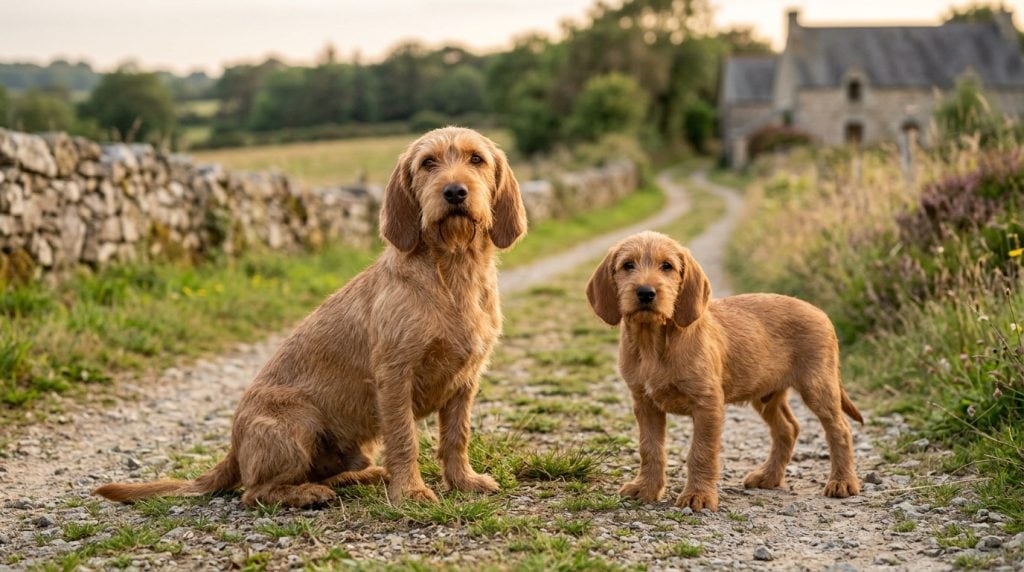
Living with a Basset Fauve De Bretagne often means sharing your space with a keen-nosed, spirited companion. Known for their tenacious nature and cheerful disposition, these dogs bring a lively presence to a home. Their innate curiosity and zest for life make them delightful companions, especially for those who appreciate a dog with a bit of independent spirit.
At a glance
Core care
- Size: Small
- Energy: Moderate to high
- Grooming: Low
- Shedding: Moderate
Support style
- Sensitivity: Moderate
- Training style: Willing
Breed guide
Choose a section to explore. These notes describe common patterns, but individual dogs vary widely.
The Basset Fauve De Bretagne has its roots in France, where it was originally bred for hunting small game. This background as a scent hound is still evident today in their keen noses and persistent nature. Many owners find that their Basset Fauve retains a strong desire to explore and follow scents, a testament to their working origins. This breed’s history as a diligent hunter shapes its modern-day personality, often seen in their alertness and enthusiasm for outdoor activities.
Physically, the Basset Fauve De Bretagne is a small yet sturdy dog, with a distinctive wiry coat that offers some protection against the elements. Their low-set body and elongated form are characteristic of the basset family, allowing them to navigate through dense underbrush with ease. In everyday life, this translates to a dog that can be surprisingly agile and quick, despite their short stature. Their coat requires minimal grooming, which many owners appreciate.
Temperamentally, these dogs are known for their cheerful and friendly nature. They often form strong bonds with their families and enjoy being part of the household activities. While they can be independent thinkers, they are generally willing to please and respond well to positive reinforcement. Owners often notice their Basset Fauve’s playful side, which can be a source of joy and amusement in the home.
As with any breed, individual variation is to be expected. While many Basset Fauves are outgoing and sociable, some may be more reserved or cautious. It’s important for potential owners to meet the dog they are considering and spend time understanding their unique personality. This breed’s adaptability means they can fit into various lifestyles, but understanding their needs and tendencies is key to a harmonious relationship.
The Basset Fauve De Bretagne is often described as a social and engaging companion, thriving on interaction with both humans and other animals. Their history as pack hunters contributes to their generally amicable nature, as they were bred to work closely with other dogs. Many owners notice that their Basset Fauve enjoys being part of family activities, often seeking out company and companionship.
Their moderate sensitivity means they can be attuned to their owner’s emotions and moods, often responding to changes in the household dynamic. This sensitivity can make them quite empathetic companions, though it also means they may require gentle handling and reassurance in new or stressful situations. Owners frequently find that a calm and consistent approach works best when interacting with their Basset Fauve.
Trainability is another notable aspect of the Basset Fauve’s temperament. While they are generally willing to learn, their independent streak can sometimes pose a challenge. Positive reinforcement techniques, such as treats and praise, tend to be effective in capturing their interest and encouraging cooperation. Patience and consistency are key, as these dogs may take a bit longer to learn new commands compared to more eager-to-please breeds.
Overall, the Basset Fauve De Bretagne’s temperament is a blend of friendliness, curiosity, and a touch of independence. They are often happiest when they have a job to do or a scent to follow, which can make them excellent companions for active families who enjoy outdoor adventures. As with any breed, individual personalities can vary, so it’s important for potential owners to spend time getting to know their specific dog.
A typical day for a Basset Fauve De Bretagne involves a healthy mix of physical activity and mental stimulation. These dogs have moderate to high energy levels, so regular walks and play sessions are essential to keep them content. Many owners find that their Basset Fauve thrives on opportunities to explore new environments, making them excellent companions for hiking or long walks in nature.
Given their history as scent hounds, these dogs greatly benefit from activities that engage their keen sense of smell. Scent games, such as hide and seek with treats or toys, can provide both mental enrichment and physical exercise. These activities not only satisfy their natural instincts but also help prevent boredom, which can lead to unwanted behaviours.
As they age, the exercise needs of a Basset Fauve De Bretagne may change. While younger dogs may require more vigorous activity, older dogs might prefer leisurely strolls and gentler play. It’s important for owners to adjust their dog’s exercise routine to match their current energy levels and physical capabilities, ensuring they remain healthy and happy throughout their life.
While these dogs enjoy being active, it’s also important to avoid over-exercising them, especially during hot weather. Their low-slung bodies can be prone to overheating, so providing plenty of water and rest breaks is crucial. By balancing physical exercise with mental enrichment, owners can help their Basset Fauve De Bretagne lead a fulfilling and well-rounded life.
Training a Basset Fauve De Bretagne can be a rewarding experience, though it often requires a bit of patience and creativity. These dogs are generally willing to learn, but their independent nature means they may not always be immediately responsive. Many owners find that training sessions are most successful when they are kept short, engaging, and fun.
Positive reinforcement is key when working with this breed. Treats, praise, and play are effective motivators that can help capture their attention and encourage good behaviour. Consistency is crucial, as these dogs may take a little longer to grasp new commands compared to more eager-to-please breeds. Building a strong bond based on trust and respect can go a long way in facilitating successful training.
Adolescence can be a challenging time for Basset Fauve De Bretagne owners, as this is when their independent streak might be most pronounced. During this stage, maintaining a consistent training routine and reinforcing positive behaviours is particularly important. Owners may benefit from enrolling in a training class or seeking guidance from a professional trainer to navigate this period effectively.
Ultimately, the key to training a Basset Fauve De Bretagne lies in understanding their unique personality and working with their natural instincts. By fostering a positive and encouraging training environment, owners can help their dogs develop into well-behaved and confident companions. The journey may require some patience, but the rewards of a well-trained Basset Fauve are well worth the effort.
The Basset Fauve De Bretagne can adapt well to a variety of living environments, provided their exercise and social needs are met. They are generally well-suited to homes with access to a garden or outdoor space where they can explore and play. However, they can also thrive in urban settings if they receive regular walks and opportunities to engage their senses.
Families with children often find that the Basset Fauve’s friendly and playful nature makes them excellent companions for kids. They tend to be patient and tolerant, enjoying the company of both young and older family members. As with any breed, supervision and teaching children how to interact appropriately with dogs are important to ensure harmonious relationships.
When it comes to living with other pets, the Basset Fauve De Bretagne’s social nature can be a positive attribute. They often get along well with other dogs, especially if they have been socialised from a young age. Their hunting instincts may mean they are less suited to homes with small animals, unless carefully managed and introduced.
Ultimately, the Basset Fauve De Bretagne is a versatile breed that can fit into various lifestyles. They do best in homes where they are included in daily activities and have opportunities to exercise both their bodies and minds. Prospective owners should consider their ability to meet these needs before bringing a Basset Fauve into their home, ensuring a happy and fulfilling life for both dog and owner.
Maintaining the health of a Basset Fauve De Bretagne is integral to their overall well-being and quality of life. Regular veterinary check-ups and preventive care are crucial in ensuring they remain healthy. This breed is generally robust, but like all dogs, they can be prone to certain health issues that owners should be aware of.
One common concern for Basset Fauves is ear infections, due to their floppy ears which can trap moisture and debris. Regular ear checks and cleaning can help prevent infections and keep their ears healthy. Additionally, their skin should be monitored for any signs of irritation or allergies, which can sometimes occur.
Weight management is another important aspect of their health care. Due to their small stature and love for food, Basset Fauves can be prone to weight gain if not monitored carefully. A balanced diet and regular exercise are key to maintaining a healthy weight, which in turn supports their overall health and longevity.
Owners should also be vigilant for any changes in behaviour or physical condition that might indicate a health issue. Prompt veterinary attention can make a significant difference in addressing potential problems early. By staying informed and proactive about their dog’s health, owners can help ensure their Basset Fauve De Bretagne leads a happy and healthy life.
The Basset Fauve De Bretagne hails from France, where it was developed as a hunting dog in the Brittany region. Originally bred for hunting small game like rabbits and hares, this breed was valued for its keen sense of smell and determination. The Basset Fauve’s ability to track scents over challenging terrain made it a popular choice among hunters.
The breed’s development was influenced by the now-extinct Grand Fauve de Bretagne, a larger hunting dog. Breeders sought to create a smaller, more versatile hound that could navigate dense underbrush and cover ground efficiently. This led to the creation of the Basset Fauve De Bretagne, a dog that retained the hunting prowess of its ancestors but in a more compact form.
Throughout its history, the Basset Fauve has been celebrated for its tenacity and cheerful disposition. These traits have made it a beloved companion not only for hunters but also for families seeking a lively and engaging pet. While their primary role has shifted from hunting to companionship, their instincts remain a core part of their identity.
Today, the Basset Fauve De Bretagne is appreciated for its unique blend of hunting heritage and friendly temperament. Understanding their origins helps explain many of their modern behaviours, such as their love for scent work and their independent yet sociable nature. This rich history is a testament to the breed’s enduring appeal and adaptability.
What shapes individual dogs
- Early social experiences
- Training approach
- Environment & routine
- Genetics & breeding
- Health & pain
- Age / life stage
The Basset Fauve De Bretagne has its roots in France, where it was originally bred for hunting small game. This background as a scent hound is still evident today in their keen noses and persistent nature. Many owners find that their Basset Fauve retains a strong desire to explore and follow scents, a testament to their working origins. This breed’s history as a diligent hunter shapes its modern-day personality, often seen in their alertness and enthusiasm for outdoor activities.
Physically, the Basset Fauve De Bretagne is a small yet sturdy dog, with a distinctive wiry coat that offers some protection against the elements. Their low-set body and elongated form are characteristic of the basset family, allowing them to navigate through dense underbrush with ease. In everyday life, this translates to a dog that can be surprisingly agile and quick, despite their short stature. Their coat requires minimal grooming, which many owners appreciate.
Temperamentally, these dogs are known for their cheerful and friendly nature. They often form strong bonds with their families and enjoy being part of the household activities. While they can be independent thinkers, they are generally willing to please and respond well to positive reinforcement. Owners often notice their Basset Fauve’s playful side, which can be a source of joy and amusement in the home.
As with any breed, individual variation is to be expected. While many Basset Fauves are outgoing and sociable, some may be more reserved or cautious. It’s important for potential owners to meet the dog they are considering and spend time understanding their unique personality. This breed’s adaptability means they can fit into various lifestyles, but understanding their needs and tendencies is key to a harmonious relationship.
The Basset Fauve De Bretagne is often described as a social and engaging companion, thriving on interaction with both humans and other animals. Their history as pack hunters contributes to their generally amicable nature, as they were bred to work closely with other dogs. Many owners notice that their Basset Fauve enjoys being part of family activities, often seeking out company and companionship.
Their moderate sensitivity means they can be attuned to their owner’s emotions and moods, often responding to changes in the household dynamic. This sensitivity can make them quite empathetic companions, though it also means they may require gentle handling and reassurance in new or stressful situations. Owners frequently find that a calm and consistent approach works best when interacting with their Basset Fauve.
Trainability is another notable aspect of the Basset Fauve’s temperament. While they are generally willing to learn, their independent streak can sometimes pose a challenge. Positive reinforcement techniques, such as treats and praise, tend to be effective in capturing their interest and encouraging cooperation. Patience and consistency are key, as these dogs may take a bit longer to learn new commands compared to more eager-to-please breeds.
Overall, the Basset Fauve De Bretagne’s temperament is a blend of friendliness, curiosity, and a touch of independence. They are often happiest when they have a job to do or a scent to follow, which can make them excellent companions for active families who enjoy outdoor adventures. As with any breed, individual personalities can vary, so it’s important for potential owners to spend time getting to know their specific dog.
A typical day for a Basset Fauve De Bretagne involves a healthy mix of physical activity and mental stimulation. These dogs have moderate to high energy levels, so regular walks and play sessions are essential to keep them content. Many owners find that their Basset Fauve thrives on opportunities to explore new environments, making them excellent companions for hiking or long walks in nature.
Given their history as scent hounds, these dogs greatly benefit from activities that engage their keen sense of smell. Scent games, such as hide and seek with treats or toys, can provide both mental enrichment and physical exercise. These activities not only satisfy their natural instincts but also help prevent boredom, which can lead to unwanted behaviours.
As they age, the exercise needs of a Basset Fauve De Bretagne may change. While younger dogs may require more vigorous activity, older dogs might prefer leisurely strolls and gentler play. It’s important for owners to adjust their dog’s exercise routine to match their current energy levels and physical capabilities, ensuring they remain healthy and happy throughout their life.
While these dogs enjoy being active, it’s also important to avoid over-exercising them, especially during hot weather. Their low-slung bodies can be prone to overheating, so providing plenty of water and rest breaks is crucial. By balancing physical exercise with mental enrichment, owners can help their Basset Fauve De Bretagne lead a fulfilling and well-rounded life.
Training a Basset Fauve De Bretagne can be a rewarding experience, though it often requires a bit of patience and creativity. These dogs are generally willing to learn, but their independent nature means they may not always be immediately responsive. Many owners find that training sessions are most successful when they are kept short, engaging, and fun.
Positive reinforcement is key when working with this breed. Treats, praise, and play are effective motivators that can help capture their attention and encourage good behaviour. Consistency is crucial, as these dogs may take a little longer to grasp new commands compared to more eager-to-please breeds. Building a strong bond based on trust and respect can go a long way in facilitating successful training.
Adolescence can be a challenging time for Basset Fauve De Bretagne owners, as this is when their independent streak might be most pronounced. During this stage, maintaining a consistent training routine and reinforcing positive behaviours is particularly important. Owners may benefit from enrolling in a training class or seeking guidance from a professional trainer to navigate this period effectively.
Ultimately, the key to training a Basset Fauve De Bretagne lies in understanding their unique personality and working with their natural instincts. By fostering a positive and encouraging training environment, owners can help their dogs develop into well-behaved and confident companions. The journey may require some patience, but the rewards of a well-trained Basset Fauve are well worth the effort.
The Basset Fauve De Bretagne can adapt well to a variety of living environments, provided their exercise and social needs are met. They are generally well-suited to homes with access to a garden or outdoor space where they can explore and play. However, they can also thrive in urban settings if they receive regular walks and opportunities to engage their senses.
Families with children often find that the Basset Fauve’s friendly and playful nature makes them excellent companions for kids. They tend to be patient and tolerant, enjoying the company of both young and older family members. As with any breed, supervision and teaching children how to interact appropriately with dogs are important to ensure harmonious relationships.
When it comes to living with other pets, the Basset Fauve De Bretagne’s social nature can be a positive attribute. They often get along well with other dogs, especially if they have been socialised from a young age. Their hunting instincts may mean they are less suited to homes with small animals, unless carefully managed and introduced.
Ultimately, the Basset Fauve De Bretagne is a versatile breed that can fit into various lifestyles. They do best in homes where they are included in daily activities and have opportunities to exercise both their bodies and minds. Prospective owners should consider their ability to meet these needs before bringing a Basset Fauve into their home, ensuring a happy and fulfilling life for both dog and owner.
Maintaining the health of a Basset Fauve De Bretagne is integral to their overall well-being and quality of life. Regular veterinary check-ups and preventive care are crucial in ensuring they remain healthy. This breed is generally robust, but like all dogs, they can be prone to certain health issues that owners should be aware of.
One common concern for Basset Fauves is ear infections, due to their floppy ears which can trap moisture and debris. Regular ear checks and cleaning can help prevent infections and keep their ears healthy. Additionally, their skin should be monitored for any signs of irritation or allergies, which can sometimes occur.
Weight management is another important aspect of their health care. Due to their small stature and love for food, Basset Fauves can be prone to weight gain if not monitored carefully. A balanced diet and regular exercise are key to maintaining a healthy weight, which in turn supports their overall health and longevity.
Owners should also be vigilant for any changes in behaviour or physical condition that might indicate a health issue. Prompt veterinary attention can make a significant difference in addressing potential problems early. By staying informed and proactive about their dog’s health, owners can help ensure their Basset Fauve De Bretagne leads a happy and healthy life.
The Basset Fauve De Bretagne hails from France, where it was developed as a hunting dog in the Brittany region. Originally bred for hunting small game like rabbits and hares, this breed was valued for its keen sense of smell and determination. The Basset Fauve’s ability to track scents over challenging terrain made it a popular choice among hunters.
The breed’s development was influenced by the now-extinct Grand Fauve de Bretagne, a larger hunting dog. Breeders sought to create a smaller, more versatile hound that could navigate dense underbrush and cover ground efficiently. This led to the creation of the Basset Fauve De Bretagne, a dog that retained the hunting prowess of its ancestors but in a more compact form.
Throughout its history, the Basset Fauve has been celebrated for its tenacity and cheerful disposition. These traits have made it a beloved companion not only for hunters but also for families seeking a lively and engaging pet. While their primary role has shifted from hunting to companionship, their instincts remain a core part of their identity.
Today, the Basset Fauve De Bretagne is appreciated for its unique blend of hunting heritage and friendly temperament. Understanding their origins helps explain many of their modern behaviours, such as their love for scent work and their independent yet sociable nature. This rich history is a testament to the breed’s enduring appeal and adaptability.
What shapes individual dogs
- Early social experiences
- Training approach
- Environment & routine
- Genetics & breeding
- Health & pain
- Age / life stage
Want support with this?
This course is ideal for owners looking to deepen their understanding of their Basset Fauve's unique temperament and behaviour.