
Barbet
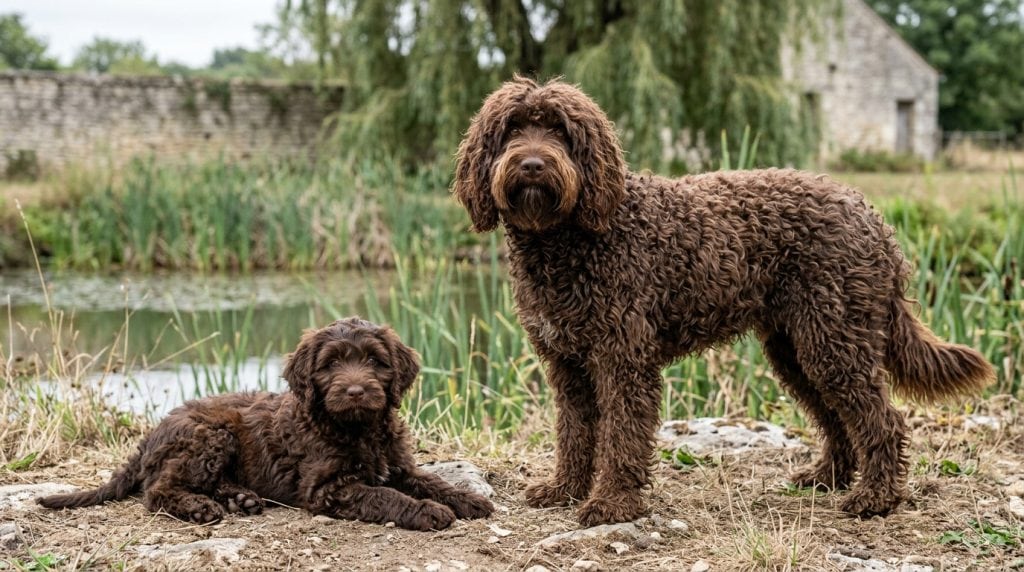
Living with a Barbet often feels like having a joyful companion who thrives on being part of the family. These dogs are known for their friendly demeanor and adaptability, making them a delightful presence in many households. Their natural curiosity and eagerness to join in activities make them a charming addition to daily life.
At a glance
Core care
- Size: Medium
- Energy: Moderate to high
- Grooming: Low
- Shedding: Moderate
Support style
- Sensitivity: Moderate
- Training style: Willing
Breed guide
Choose a section to explore. These notes describe common patterns, but individual dogs vary widely.
The Barbet, with its roots as a versatile water dog in France, has long been cherished for its ability to retrieve game from water with ease. This history as a working gundog is reflected in the breed’s modern-day love for water and outdoor activities. Many Barbets still display a strong affinity for swimming and enjoy being active, which ties back to their origins as reliable and diligent working dogs.
Physically, the Barbet is a medium-sized dog, often characterised by its distinctive curly coat. This coat, while beautiful, requires regular grooming to maintain its condition and manage shedding. Owners often find themselves brushing their Barbet several times a week to prevent matting. The coat’s texture and density mean that Barbets are well-suited to various weather conditions, a nod to their historical role in retrieving game in diverse environments.
Temperamentally, Barbets are known for their friendly and sociable nature. They tend to form strong bonds with their families and are often eager to please, which can make them relatively easy to train. However, like all breeds, individual personalities can vary, and some Barbets may be more reserved or independent. Owners often notice their Barbet’s gentle and affectionate side, making them excellent companions.
It’s important to remember that while breed traits provide a general guideline, each Barbet is an individual. Factors such as genetics, early socialisation, and environment play significant roles in shaping a dog’s personality. Prospective owners should be prepared for the grooming needs and the active lifestyle that a Barbet typically enjoys, while also embracing the unique quirks and characteristics of their individual dog.
Barbets are often described as sociable and friendly dogs, traits that make them well-suited to family life. Their social nature means they typically enjoy being around people and other animals, often seeking out companionship and interaction. This tendency to be social can be seen in their eagerness to participate in family activities, whether it’s a walk in the park or a quiet evening at home.
The breed’s moderate sensitivity means that Barbets are generally responsive to their environment and the emotions of those around them. This sensitivity can make them particularly attuned to their owner’s moods, often providing comfort and companionship. However, it also means they may require gentle handling and positive reinforcement in training to build confidence and trust.
Barbets are known for their willingness to learn, which can make training a rewarding experience for both the dog and the owner. Their trainability is often linked to their desire to please, a trait that stems from their working dog background. Owners typically find that Barbets respond well to consistent and positive training methods, which can help reinforce good behaviour and strengthen the bond between dog and owner.
While Barbets are generally friendly and adaptable, it’s important to acknowledge that individual dogs may vary. Some Barbets might be more reserved or independent, while others are more outgoing and energetic. Understanding these variations can help owners provide the right environment and support for their Barbet, ensuring a harmonious and fulfilling relationship.
A typical day for a Barbet often includes a mix of physical exercise and mental enrichment. These dogs generally enjoy a moderate to high level of activity, which can be satisfied through daily walks, play sessions, and opportunities to explore their surroundings. Many Barbets love water-based activities, reflecting their historical role as water retrievers, and a swim can be a great way to burn off energy.
In addition to physical exercise, mental stimulation is crucial for keeping a Barbet happy and engaged. Puzzle toys, training sessions, and interactive games can help satisfy their intelligent and curious nature. Owners often find that incorporating a variety of activities into their Barbet’s routine helps prevent boredom and supports overall wellbeing.
As Barbets age, their exercise needs may change. While young Barbets are often energetic and require more frequent activity, older dogs might appreciate a more relaxed pace. It’s important for owners to adjust their dog’s routine according to their life stage, ensuring that exercise remains enjoyable and appropriate.
Avoiding over-exercise, especially in young Barbets, is crucial to prevent strain on developing joints. Owners should be mindful of their Barbet’s limits and provide rest periods as needed. By balancing physical and mental activities, owners can help their Barbet lead a fulfilling and healthy life.
Training a Barbet often feels like a collaborative journey, as these dogs are typically eager to learn and responsive to positive reinforcement. Their willingness to please and intelligent nature can make training sessions enjoyable and productive. Owners often find that Barbets thrive in environments where training is consistent and engaging.
Positive reinforcement techniques, such as treats, praise, and play, are often effective with Barbets. These methods help build a strong bond between the dog and owner, reinforcing desirable behaviours and encouraging the Barbet’s natural eagerness to learn. Consistency is key, as it helps the dog understand expectations and develop good habits.
During adolescence, some Barbets may exhibit a degree of stubbornness or test boundaries, a common phase in many breeds. Patience and persistence during this time are important, as is maintaining a positive and supportive approach. Structured training and clear communication can help guide a Barbet through this stage.
The relationship between a Barbet and its owner is central to successful training. By fostering trust and understanding, owners can create an environment where their Barbet feels secure and motivated to learn. This approach not only supports effective training but also enhances the overall bond between dog and owner.
Barbets tend to adapt well to a variety of living environments, provided they receive enough exercise and mental stimulation. They often thrive in homes where they can be part of family activities and enjoy regular outdoor adventures. A garden or nearby park can be beneficial for providing the space they need to explore and play.
Many owners find that Barbets get along well with children and other pets, thanks to their friendly and sociable nature. Their gentle disposition often makes them suitable companions for families, although supervision is recommended with young children to ensure interactions remain positive for both the dog and the child.
While Barbets are adaptable, they do best in homes where they are not left alone for extended periods. Their social nature means they enjoy company, and they may become bored or anxious if isolated for too long. Owners who can involve their Barbet in daily activities often find the dog to be a happy and contented member of the household.
Ultimately, the Barbet’s suitability for a particular home depends on the individual dog’s personality and the lifestyle of the owners. By considering the breed’s needs and tendencies, prospective owners can determine whether a Barbet is a good match for their family and living situation.
The overall health and wellbeing of a Barbet are closely linked to their daily care and lifestyle. Regular veterinary check-ups, a balanced diet, and appropriate exercise are key components of maintaining a Barbet’s health. Preventive care, such as vaccinations and parasite control, helps protect against common health issues.
Barbets are generally a healthy breed, but like all dogs, they can be prone to certain health conditions. Hip dysplasia and ear infections are among the concerns that owners should be aware of. Regular monitoring and early intervention can help manage these conditions effectively.
Understanding the connection between health and behaviour is important for Barbet owners. Changes in behaviour, such as increased irritability or lethargy, can sometimes indicate underlying health issues. Being attentive to these signs and seeking veterinary advice when needed can ensure that any health concerns are addressed promptly.
By providing a supportive and attentive environment, owners can help their Barbet lead a healthy and fulfilling life. Regular exercise, mental stimulation, and a loving home all contribute to the overall wellbeing of this delightful breed.
The Barbet’s history dates back several centuries, with its origins rooted in France as a versatile water dog. Originally bred for retrieving game from water, the Barbet was highly valued for its ability to work in challenging conditions. This working heritage is still evident in the breed’s love for water and its natural retrieving instincts.
Throughout its history, the Barbet has been associated with French nobility and hunters, admired for its intelligence and adaptability. The breed’s name is derived from the French word ‘barbe’, meaning beard, a nod to its distinctive facial hair. This characteristic look has been maintained over the years, contributing to the Barbet’s unique appearance.
The breed’s development was influenced by its role as a gundog, which required a dog that was not only skilled in retrieving but also cooperative and trainable. These traits have been preserved in the modern Barbet, making it a versatile companion that excels in various activities, from water sports to obedience training.
Today, the Barbet is appreciated not only for its historical significance but also for its charming personality and adaptability. Its rich history as a working dog continues to shape the breed’s characteristics, making it a beloved choice for those seeking a friendly and active canine companion.
What shapes individual dogs
- Early social experiences
- Training approach
- Environment & routine
- Genetics & breeding
- Health & pain
- Age / life stage
The Barbet, with its roots as a versatile water dog in France, has long been cherished for its ability to retrieve game from water with ease. This history as a working gundog is reflected in the breed’s modern-day love for water and outdoor activities. Many Barbets still display a strong affinity for swimming and enjoy being active, which ties back to their origins as reliable and diligent working dogs.
Physically, the Barbet is a medium-sized dog, often characterised by its distinctive curly coat. This coat, while beautiful, requires regular grooming to maintain its condition and manage shedding. Owners often find themselves brushing their Barbet several times a week to prevent matting. The coat’s texture and density mean that Barbets are well-suited to various weather conditions, a nod to their historical role in retrieving game in diverse environments.
Temperamentally, Barbets are known for their friendly and sociable nature. They tend to form strong bonds with their families and are often eager to please, which can make them relatively easy to train. However, like all breeds, individual personalities can vary, and some Barbets may be more reserved or independent. Owners often notice their Barbet’s gentle and affectionate side, making them excellent companions.
It’s important to remember that while breed traits provide a general guideline, each Barbet is an individual. Factors such as genetics, early socialisation, and environment play significant roles in shaping a dog’s personality. Prospective owners should be prepared for the grooming needs and the active lifestyle that a Barbet typically enjoys, while also embracing the unique quirks and characteristics of their individual dog.
Barbets are often described as sociable and friendly dogs, traits that make them well-suited to family life. Their social nature means they typically enjoy being around people and other animals, often seeking out companionship and interaction. This tendency to be social can be seen in their eagerness to participate in family activities, whether it’s a walk in the park or a quiet evening at home.
The breed’s moderate sensitivity means that Barbets are generally responsive to their environment and the emotions of those around them. This sensitivity can make them particularly attuned to their owner’s moods, often providing comfort and companionship. However, it also means they may require gentle handling and positive reinforcement in training to build confidence and trust.
Barbets are known for their willingness to learn, which can make training a rewarding experience for both the dog and the owner. Their trainability is often linked to their desire to please, a trait that stems from their working dog background. Owners typically find that Barbets respond well to consistent and positive training methods, which can help reinforce good behaviour and strengthen the bond between dog and owner.
While Barbets are generally friendly and adaptable, it’s important to acknowledge that individual dogs may vary. Some Barbets might be more reserved or independent, while others are more outgoing and energetic. Understanding these variations can help owners provide the right environment and support for their Barbet, ensuring a harmonious and fulfilling relationship.
A typical day for a Barbet often includes a mix of physical exercise and mental enrichment. These dogs generally enjoy a moderate to high level of activity, which can be satisfied through daily walks, play sessions, and opportunities to explore their surroundings. Many Barbets love water-based activities, reflecting their historical role as water retrievers, and a swim can be a great way to burn off energy.
In addition to physical exercise, mental stimulation is crucial for keeping a Barbet happy and engaged. Puzzle toys, training sessions, and interactive games can help satisfy their intelligent and curious nature. Owners often find that incorporating a variety of activities into their Barbet’s routine helps prevent boredom and supports overall wellbeing.
As Barbets age, their exercise needs may change. While young Barbets are often energetic and require more frequent activity, older dogs might appreciate a more relaxed pace. It’s important for owners to adjust their dog’s routine according to their life stage, ensuring that exercise remains enjoyable and appropriate.
Avoiding over-exercise, especially in young Barbets, is crucial to prevent strain on developing joints. Owners should be mindful of their Barbet’s limits and provide rest periods as needed. By balancing physical and mental activities, owners can help their Barbet lead a fulfilling and healthy life.
Training a Barbet often feels like a collaborative journey, as these dogs are typically eager to learn and responsive to positive reinforcement. Their willingness to please and intelligent nature can make training sessions enjoyable and productive. Owners often find that Barbets thrive in environments where training is consistent and engaging.
Positive reinforcement techniques, such as treats, praise, and play, are often effective with Barbets. These methods help build a strong bond between the dog and owner, reinforcing desirable behaviours and encouraging the Barbet’s natural eagerness to learn. Consistency is key, as it helps the dog understand expectations and develop good habits.
During adolescence, some Barbets may exhibit a degree of stubbornness or test boundaries, a common phase in many breeds. Patience and persistence during this time are important, as is maintaining a positive and supportive approach. Structured training and clear communication can help guide a Barbet through this stage.
The relationship between a Barbet and its owner is central to successful training. By fostering trust and understanding, owners can create an environment where their Barbet feels secure and motivated to learn. This approach not only supports effective training but also enhances the overall bond between dog and owner.
Barbets tend to adapt well to a variety of living environments, provided they receive enough exercise and mental stimulation. They often thrive in homes where they can be part of family activities and enjoy regular outdoor adventures. A garden or nearby park can be beneficial for providing the space they need to explore and play.
Many owners find that Barbets get along well with children and other pets, thanks to their friendly and sociable nature. Their gentle disposition often makes them suitable companions for families, although supervision is recommended with young children to ensure interactions remain positive for both the dog and the child.
While Barbets are adaptable, they do best in homes where they are not left alone for extended periods. Their social nature means they enjoy company, and they may become bored or anxious if isolated for too long. Owners who can involve their Barbet in daily activities often find the dog to be a happy and contented member of the household.
Ultimately, the Barbet’s suitability for a particular home depends on the individual dog’s personality and the lifestyle of the owners. By considering the breed’s needs and tendencies, prospective owners can determine whether a Barbet is a good match for their family and living situation.
The overall health and wellbeing of a Barbet are closely linked to their daily care and lifestyle. Regular veterinary check-ups, a balanced diet, and appropriate exercise are key components of maintaining a Barbet’s health. Preventive care, such as vaccinations and parasite control, helps protect against common health issues.
Barbets are generally a healthy breed, but like all dogs, they can be prone to certain health conditions. Hip dysplasia and ear infections are among the concerns that owners should be aware of. Regular monitoring and early intervention can help manage these conditions effectively.
Understanding the connection between health and behaviour is important for Barbet owners. Changes in behaviour, such as increased irritability or lethargy, can sometimes indicate underlying health issues. Being attentive to these signs and seeking veterinary advice when needed can ensure that any health concerns are addressed promptly.
By providing a supportive and attentive environment, owners can help their Barbet lead a healthy and fulfilling life. Regular exercise, mental stimulation, and a loving home all contribute to the overall wellbeing of this delightful breed.
The Barbet’s history dates back several centuries, with its origins rooted in France as a versatile water dog. Originally bred for retrieving game from water, the Barbet was highly valued for its ability to work in challenging conditions. This working heritage is still evident in the breed’s love for water and its natural retrieving instincts.
Throughout its history, the Barbet has been associated with French nobility and hunters, admired for its intelligence and adaptability. The breed’s name is derived from the French word ‘barbe’, meaning beard, a nod to its distinctive facial hair. This characteristic look has been maintained over the years, contributing to the Barbet’s unique appearance.
The breed’s development was influenced by its role as a gundog, which required a dog that was not only skilled in retrieving but also cooperative and trainable. These traits have been preserved in the modern Barbet, making it a versatile companion that excels in various activities, from water sports to obedience training.
Today, the Barbet is appreciated not only for its historical significance but also for its charming personality and adaptability. Its rich history as a working dog continues to shape the breed’s characteristics, making it a beloved choice for those seeking a friendly and active canine companion.
What shapes individual dogs
- Early social experiences
- Training approach
- Environment & routine
- Genetics & breeding
- Health & pain
- Age / life stage
Want support with this?
This course is ideal for Barbet owners who want to deepen their understanding of their dog's behaviour and social needs.