
Azawakh
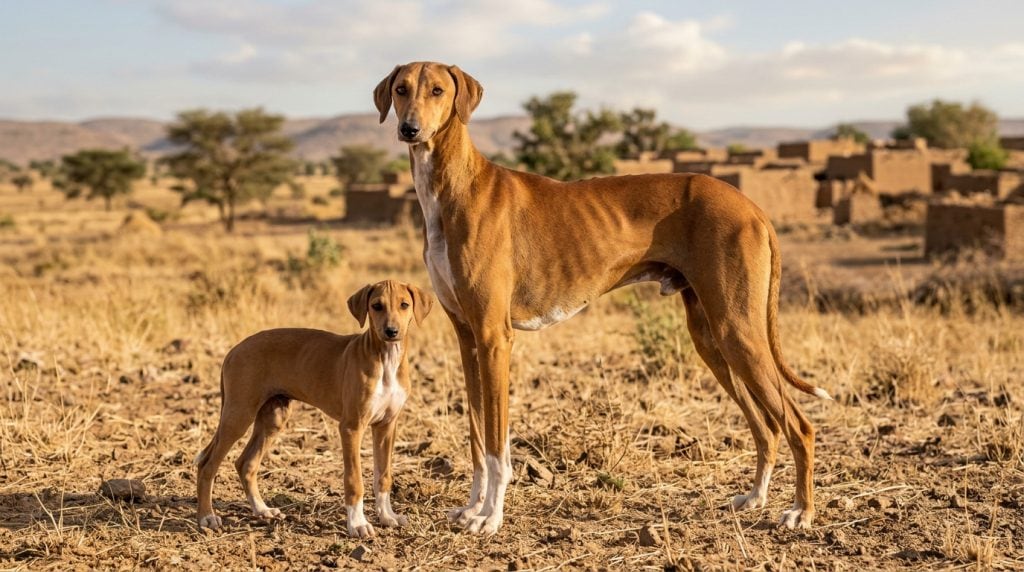
Living with an Azawakh is like sharing your home with a graceful and independent spirit. They are often reserved with strangers but form deep bonds with their families. Their presence is subtle yet profound, and they tend to observe the world with a quiet dignity that sets them apart.
At a glance
Core care
- Size: Medium
- Energy: Moderate to high
- Grooming: Low
- Shedding: Low
Support style
- Sensitivity: High
- Training style: Independent
Breed guide
Choose a section to explore. These notes describe common patterns, but individual dogs vary widely.
The Azawakh hails from the Sahel region of Africa, where they were traditionally used by nomadic tribes for hunting and guarding. This history of working alongside humans in harsh environments has shaped them into resilient and independent dogs. Today, these qualities remain evident in their behaviour, as they often exhibit a strong sense of loyalty and a keen awareness of their surroundings.
Physically, the Azawakh is a sight to behold with its lean, elegant frame and long legs built for speed and endurance. This build allows them to cover ground effortlessly, a trait that owners may notice during walks or playtime. Their short coat requires minimal grooming, making them relatively low-maintenance in terms of physical care, though their exercise needs are a different story.
Temperamentally, Azawakhs are known for their aloofness with strangers, a trait that can be traced back to their guarding origins. However, they are deeply affectionate with their families and thrive on companionship. Owners often observe that Azawakhs are sensitive and attuned to their environment, reacting to changes with alertness and curiosity. This sensitivity means they may require a gentle approach in training and socialisation.
While Azawakhs have distinct breed traits, it’s important to remember that individual dogs may vary. Some may be more outgoing, while others might be more reserved. Their independent nature can sometimes be mistaken for aloofness, but with the right understanding and care, they can be wonderful companions. Each Azawakh is unique, shaped by their genetics, upbringing, and daily life experiences.
Azawakhs are often described as independent yet deeply loyal, a combination that can be both intriguing and challenging for owners. Their independence stems from their history as hunters and guardians, where they needed to make quick decisions on their own. This trait is still evident today, as they often prefer to assess situations before reacting.
Socially, Azawakhs can be reserved with strangers but are known to form strong bonds with their families. Owners frequently notice that these dogs are more comfortable in familiar settings and may take time to warm up to new people or environments. This sensitivity to their surroundings means they are often very aware of changes and can react accordingly, sometimes with caution.
Their high sensitivity can also mean they are more attuned to the emotions and moods of their human companions. This can be a comforting trait, as they often seem to know when their presence is needed. However, it also means they can be easily affected by stress or tension in the household, so a calm and stable environment is beneficial.
Training an Azawakh requires patience and understanding. Their independent nature means they may not always respond to commands immediately, preferring to consider their options first. Positive reinforcement and a consistent approach tend to work best, as harsh methods can lead to mistrust. With time and patience, many owners find that their Azawakh becomes a devoted and attentive companion.
A typical day for an Azawakh involves a good mix of physical activity and mental stimulation. These dogs have moderate to high energy levels, so regular exercise is essential. Many owners find that brisk walks or runs, ideally in a secure area where they can stretch their legs, help to satisfy their natural instincts and keep them happy.
Mental enrichment is equally important for Azawakhs, as they are intelligent and curious dogs. Puzzle toys, scent games, and interactive play can help keep their minds engaged. Given their independent nature, they may not always be interested in repetitive games like fetch, so variety is key to maintaining their interest.
As they age, the exercise needs of an Azawakh may change. Puppies and young adults typically require more activity to burn off their energy, while older dogs might prefer shorter, more leisurely walks. It’s important to adjust their routine to suit their life stage, ensuring they remain healthy and content.
Owners should be mindful of the Azawakh’s sensitivity to extreme weather conditions. Their short coat offers little protection against the cold, so in colder climates, they may need a coat or sweater during winter walks. Similarly, during hot weather, it’s best to exercise them in the cooler parts of the day to prevent overheating.
Training an Azawakh can sometimes feel like a test of patience and creativity. Their independent nature means they aren’t always eager to follow commands, preferring to think things through on their own terms. However, this doesn’t mean they can’t be trained; it just requires a different approach.
Positive reinforcement is key when working with this breed. Rewards-based training, using treats and praise, tends to yield the best results. Azawakhs respond well to consistency and clear communication, so it’s important to establish a routine and stick to it. Building a strong relationship based on trust and respect is crucial.
During adolescence, Azawakhs might test boundaries more than usual, which can be challenging for some owners. This is a time when patience and consistency are particularly important. Providing them with plenty of mental and physical stimulation can help manage any behavioural challenges that arise during this period.
Overall, training an Azawakh is about finding the right balance between guidance and allowing them the space to be themselves. Understanding their unique temperament and working with it, rather than against it, can lead to a rewarding and fulfilling partnership. For those new to the breed, courses like “Understand Your Dog: Dog Psychology for Beginners” can offer valuable insights into their behaviour.
Azawakhs tend to thrive in homes where they can form close bonds with their family members. They aren’t typically suited to environments with constant noise or chaos, as their sensitivity means they prefer a more peaceful setting. A home with a secure garden can be ideal, allowing them space to run and play safely.
While they can adapt to various living situations, Azawakhs often do best in homes where they aren’t left alone for long periods. They enjoy companionship and can become unhappy if isolated too frequently. Many owners find that their Azawakh enjoys being part of family activities, whether that’s lounging on the sofa or joining in on a walk.
When it comes to living with children and other pets, Azawakhs can be gentle and tolerant, but it’s important to supervise interactions, especially with younger children who may not understand a dog’s boundaries. Early socialisation can help them become more comfortable with different people and animals.
Ultimately, the Azawakh’s suitability to a particular home depends on the individual dog’s personality and the lifestyle of the family. They are adaptable dogs but are happiest in environments where their needs for companionship, exercise, and mental stimulation are met.
The health of an Azawakh is closely tied to their overall wellbeing and quality of life. Like all breeds, they can be prone to certain health issues, so regular veterinary check-ups are important. Keeping an eye on their weight and ensuring they maintain a healthy diet can help prevent obesity-related problems.
Azawakhs are generally healthy dogs, but they can be susceptible to conditions like hip dysplasia and heart issues. Early detection and management of these conditions can make a significant difference, so it’s important to be aware of any changes in their behaviour or physical condition.
Preventive care is key to maintaining an Azawakh’s health. Regular vaccinations, parasite control, and dental care are all important aspects of their routine healthcare. Owners should also be mindful of their dog’s exercise and dietary needs to keep them in optimal health.
If you ever notice any unusual symptoms or changes in your Azawakh’s behaviour, it’s always best to consult with a veterinarian. Early intervention can often prevent more serious issues from developing, ensuring your dog remains healthy and happy for years to come.
The Azawakh is a breed with deep roots in the Sahel region of Africa, where they were bred by the nomadic Tuareg people. Their primary role was as a hunting dog, chasing down game across the vast, open landscapes. This history has endowed them with speed, endurance, and a keen hunting instinct, traits that are still evident in the breed today.
Over the centuries, Azawakhs developed a close bond with the people they lived alongside, serving not only as hunters but also as guardians of the camps. Their loyalty and protective nature were highly valued, and these characteristics continue to define the breed in modern times.
The Azawakh’s distinct appearance, with its lean and elegant frame, is a result of generations of selective breeding for speed and agility. This physicality allowed them to thrive in the challenging conditions of their native environment, and today, it contributes to their unique presence and capabilities as companions.
Understanding the Azawakh’s history helps explain many of their modern traits, from their reserved nature with strangers to their deep loyalty to their family. While they may no longer be required to hunt or guard, these instincts remain a part of who they are, influencing their behaviour and interactions in everyday life.
What shapes individual dogs
- Early social experiences
- Training approach
- Environment & routine
- Genetics & breeding
- Health & pain
- Age / life stage
The Azawakh hails from the Sahel region of Africa, where they were traditionally used by nomadic tribes for hunting and guarding. This history of working alongside humans in harsh environments has shaped them into resilient and independent dogs. Today, these qualities remain evident in their behaviour, as they often exhibit a strong sense of loyalty and a keen awareness of their surroundings.
Physically, the Azawakh is a sight to behold with its lean, elegant frame and long legs built for speed and endurance. This build allows them to cover ground effortlessly, a trait that owners may notice during walks or playtime. Their short coat requires minimal grooming, making them relatively low-maintenance in terms of physical care, though their exercise needs are a different story.
Temperamentally, Azawakhs are known for their aloofness with strangers, a trait that can be traced back to their guarding origins. However, they are deeply affectionate with their families and thrive on companionship. Owners often observe that Azawakhs are sensitive and attuned to their environment, reacting to changes with alertness and curiosity. This sensitivity means they may require a gentle approach in training and socialisation.
While Azawakhs have distinct breed traits, it’s important to remember that individual dogs may vary. Some may be more outgoing, while others might be more reserved. Their independent nature can sometimes be mistaken for aloofness, but with the right understanding and care, they can be wonderful companions. Each Azawakh is unique, shaped by their genetics, upbringing, and daily life experiences.
Azawakhs are often described as independent yet deeply loyal, a combination that can be both intriguing and challenging for owners. Their independence stems from their history as hunters and guardians, where they needed to make quick decisions on their own. This trait is still evident today, as they often prefer to assess situations before reacting.
Socially, Azawakhs can be reserved with strangers but are known to form strong bonds with their families. Owners frequently notice that these dogs are more comfortable in familiar settings and may take time to warm up to new people or environments. This sensitivity to their surroundings means they are often very aware of changes and can react accordingly, sometimes with caution.
Their high sensitivity can also mean they are more attuned to the emotions and moods of their human companions. This can be a comforting trait, as they often seem to know when their presence is needed. However, it also means they can be easily affected by stress or tension in the household, so a calm and stable environment is beneficial.
Training an Azawakh requires patience and understanding. Their independent nature means they may not always respond to commands immediately, preferring to consider their options first. Positive reinforcement and a consistent approach tend to work best, as harsh methods can lead to mistrust. With time and patience, many owners find that their Azawakh becomes a devoted and attentive companion.
A typical day for an Azawakh involves a good mix of physical activity and mental stimulation. These dogs have moderate to high energy levels, so regular exercise is essential. Many owners find that brisk walks or runs, ideally in a secure area where they can stretch their legs, help to satisfy their natural instincts and keep them happy.
Mental enrichment is equally important for Azawakhs, as they are intelligent and curious dogs. Puzzle toys, scent games, and interactive play can help keep their minds engaged. Given their independent nature, they may not always be interested in repetitive games like fetch, so variety is key to maintaining their interest.
As they age, the exercise needs of an Azawakh may change. Puppies and young adults typically require more activity to burn off their energy, while older dogs might prefer shorter, more leisurely walks. It’s important to adjust their routine to suit their life stage, ensuring they remain healthy and content.
Owners should be mindful of the Azawakh’s sensitivity to extreme weather conditions. Their short coat offers little protection against the cold, so in colder climates, they may need a coat or sweater during winter walks. Similarly, during hot weather, it’s best to exercise them in the cooler parts of the day to prevent overheating.
Training an Azawakh can sometimes feel like a test of patience and creativity. Their independent nature means they aren’t always eager to follow commands, preferring to think things through on their own terms. However, this doesn’t mean they can’t be trained; it just requires a different approach.
Positive reinforcement is key when working with this breed. Rewards-based training, using treats and praise, tends to yield the best results. Azawakhs respond well to consistency and clear communication, so it’s important to establish a routine and stick to it. Building a strong relationship based on trust and respect is crucial.
During adolescence, Azawakhs might test boundaries more than usual, which can be challenging for some owners. This is a time when patience and consistency are particularly important. Providing them with plenty of mental and physical stimulation can help manage any behavioural challenges that arise during this period.
Overall, training an Azawakh is about finding the right balance between guidance and allowing them the space to be themselves. Understanding their unique temperament and working with it, rather than against it, can lead to a rewarding and fulfilling partnership. For those new to the breed, courses like “Understand Your Dog: Dog Psychology for Beginners” can offer valuable insights into their behaviour.
Azawakhs tend to thrive in homes where they can form close bonds with their family members. They aren’t typically suited to environments with constant noise or chaos, as their sensitivity means they prefer a more peaceful setting. A home with a secure garden can be ideal, allowing them space to run and play safely.
While they can adapt to various living situations, Azawakhs often do best in homes where they aren’t left alone for long periods. They enjoy companionship and can become unhappy if isolated too frequently. Many owners find that their Azawakh enjoys being part of family activities, whether that’s lounging on the sofa or joining in on a walk.
When it comes to living with children and other pets, Azawakhs can be gentle and tolerant, but it’s important to supervise interactions, especially with younger children who may not understand a dog’s boundaries. Early socialisation can help them become more comfortable with different people and animals.
Ultimately, the Azawakh’s suitability to a particular home depends on the individual dog’s personality and the lifestyle of the family. They are adaptable dogs but are happiest in environments where their needs for companionship, exercise, and mental stimulation are met.
The health of an Azawakh is closely tied to their overall wellbeing and quality of life. Like all breeds, they can be prone to certain health issues, so regular veterinary check-ups are important. Keeping an eye on their weight and ensuring they maintain a healthy diet can help prevent obesity-related problems.
Azawakhs are generally healthy dogs, but they can be susceptible to conditions like hip dysplasia and heart issues. Early detection and management of these conditions can make a significant difference, so it’s important to be aware of any changes in their behaviour or physical condition.
Preventive care is key to maintaining an Azawakh’s health. Regular vaccinations, parasite control, and dental care are all important aspects of their routine healthcare. Owners should also be mindful of their dog’s exercise and dietary needs to keep them in optimal health.
If you ever notice any unusual symptoms or changes in your Azawakh’s behaviour, it’s always best to consult with a veterinarian. Early intervention can often prevent more serious issues from developing, ensuring your dog remains healthy and happy for years to come.
The Azawakh is a breed with deep roots in the Sahel region of Africa, where they were bred by the nomadic Tuareg people. Their primary role was as a hunting dog, chasing down game across the vast, open landscapes. This history has endowed them with speed, endurance, and a keen hunting instinct, traits that are still evident in the breed today.
Over the centuries, Azawakhs developed a close bond with the people they lived alongside, serving not only as hunters but also as guardians of the camps. Their loyalty and protective nature were highly valued, and these characteristics continue to define the breed in modern times.
The Azawakh’s distinct appearance, with its lean and elegant frame, is a result of generations of selective breeding for speed and agility. This physicality allowed them to thrive in the challenging conditions of their native environment, and today, it contributes to their unique presence and capabilities as companions.
Understanding the Azawakh’s history helps explain many of their modern traits, from their reserved nature with strangers to their deep loyalty to their family. While they may no longer be required to hunt or guard, these instincts remain a part of who they are, influencing their behaviour and interactions in everyday life.
What shapes individual dogs
- Early social experiences
- Training approach
- Environment & routine
- Genetics & breeding
- Health & pain
- Age / life stage
Want support with this?
This course offers valuable insights into the Azawakh's unique behaviour and temperament, helping you build a strong, understanding relationship.