
Australian Cattle Dog
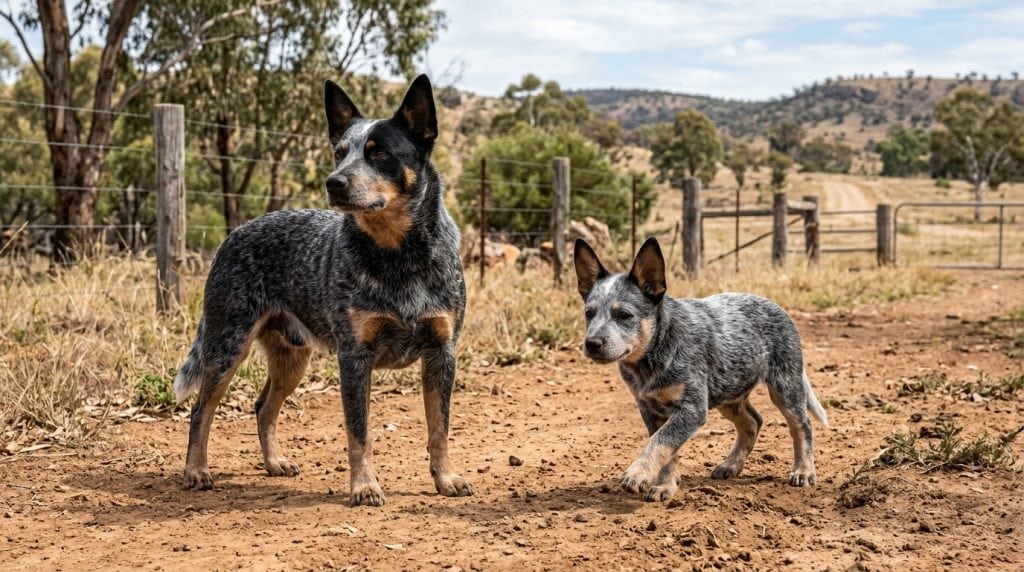
Living with an Australian Cattle Dog means embracing a dynamic and intelligent companion. They often thrive on having a purpose, reflecting their heritage as tireless herders. Owners frequently notice their alertness and eagerness to engage, making them both attentive and spirited members of the household.
At a glance
Core care
- Size: Medium
- Energy: High
- Grooming: Low
- Shedding: Moderate
Support style
- Sensitivity: Moderate
- Training style: Willing
Breed guide
Choose a section to explore. These notes describe common patterns, but individual dogs vary widely.
The Australian Cattle Dog, originally bred for herding cattle in the rugged Australian outback, has retained much of its working dog essence. These dogs were developed to handle tough conditions and long days, which is evident in their robust energy and keen intelligence today. Their history as diligent workers translates into a breed that often seeks tasks and thrives on mental and physical challenges.
Physically, the Australian Cattle Dog is a medium-sized, muscular breed with a strong, compact body built for endurance. Their coat is dense and weather-resistant, enabling them to work in various climates. While they may not require extensive grooming, their coat does shed moderately, and regular brushing can help manage this. Owners often appreciate their sturdy build, which allows them to be active and agile companions.
In terms of temperament, Australian Cattle Dogs are known for their loyalty and protective nature. Many owners find them to be deeply devoted, often forming strong bonds with their families. Their herding instincts can sometimes manifest as nipping or herding behaviours, especially in younger dogs. However, with proper training and socialisation, these tendencies can be channelled into positive interactions. They are typically alert and watchful, making them excellent watchdogs.
It’s important for potential owners to understand that while Australian Cattle Dogs share common traits, individual personalities can vary. Some may be more reserved, while others are outgoing and sociable. Their adaptability and intelligence mean they can fit into various lifestyles, provided their needs for exercise and mental stimulation are met. Understanding these nuances helps set realistic expectations for living with this breed.
Australian Cattle Dogs are often described as having a strong sense of loyalty and a keen awareness of their surroundings. This breed tends to form close bonds with their families, often showing a protective streak that can be both endearing and practical. Their natural inclination to herd can sometimes translate into behaviours like nudging or nipping, especially with young children or other pets. However, many owners find these tendencies manageable with consistent training and positive reinforcement.
Their moderate sensitivity means they can be quite attuned to the emotions and behaviours of those around them. This can make them responsive to training, as they often pick up on cues quickly. However, it also means they may react to changes in their environment or routine. Owners often notice that these dogs thrive in stable, predictable settings where they can rely on a consistent routine.
Trainability is generally high in Australian Cattle Dogs, thanks to their intelligence and eagerness to please. They tend to respond well to structured training sessions that challenge their minds as well as their bodies. Many owners find that incorporating games and problem-solving tasks into training keeps these dogs engaged and motivated. It’s not uncommon for them to excel in activities like agility or obedience competitions.
Despite their working dog roots, Australian Cattle Dogs can vary widely in personality. Some may be more independent, while others are extremely people-oriented. This variation means that while general tendencies can guide expectations, each dog may present unique characteristics. Understanding and embracing these individual differences can lead to a more harmonious and fulfilling relationship with this breed.
A day in the life of an Australian Cattle Dog typically involves plenty of activity. These dogs are known for their high energy levels, which means they often require more than just a daily walk to stay satisfied. Many owners find that incorporating activities like running, hiking, or playing fetch helps to meet their physical needs. These dogs also benefit from having a job to do, whether it’s participating in dog sports or helping with household tasks.
Mental enrichment is just as important as physical exercise for this breed. Australian Cattle Dogs are highly intelligent and enjoy problem-solving activities. Interactive toys, puzzle feeders, and training sessions that challenge their minds can help keep them mentally stimulated. Owners often notice that a bored Cattle Dog may resort to undesirable behaviours, so keeping them engaged is key.
As these dogs age, their exercise needs may change. While young Cattle Dogs often have boundless energy, older dogs may appreciate more moderate activities. It’s important to adjust their routine to accommodate their changing abilities while still providing opportunities for enrichment. Regular check-ins with a vet can help ensure that their exercise regimen is appropriate for their age and health.
Avoiding monotony is crucial for this breed. They thrive on variety and new experiences, so mixing up their routine can prevent boredom. Whether it’s exploring a new trail or introducing a new game, keeping things fresh can make a significant difference in their overall happiness. This dynamic approach to exercise and enrichment helps maintain a well-balanced and content Australian Cattle Dog.
Training an Australian Cattle Dog often feels like working with a highly intelligent and eager student. These dogs typically enjoy learning and are quick to pick up new commands, making them a pleasure to train for those who invest the time. Owners often find that positive reinforcement techniques, such as using treats and praise, work well to motivate these dogs.
Impulse control can be a challenge, particularly during adolescence when their energy levels are at their peak. It’s not uncommon for young Cattle Dogs to test boundaries, so consistent training and clear expectations are crucial during this stage. Many owners find that establishing a routine and sticking to it helps these dogs understand what is expected of them.
Building a strong relationship based on trust and respect is essential for training success. Australian Cattle Dogs respond well to handlers who are calm, confident, and consistent. This breed often thrives on structured activities that allow them to use their intelligence and energy in productive ways. Incorporating games and activities that challenge their problem-solving skills can make training sessions more enjoyable for both dog and owner.
Despite their trainability, it’s important to remember that each Australian Cattle Dog is an individual. Some may be more stubborn or independent, requiring a bit more patience and creativity in training. Understanding these individual differences and adapting training methods accordingly can lead to a more successful and rewarding experience. For those looking to deepen their understanding of canine behaviour, the course “Understand Your Dog: Dog Psychology for Beginners” can provide valuable insights.
Australian Cattle Dogs tend to thrive in environments where they have space to move and opportunities to engage in activities. They often do well in homes with large gardens or access to open spaces where they can run and explore. Urban living can work if their exercise needs are met, but it’s important to ensure they have enough outlets for their energy.
Many owners find that these dogs integrate well into active households that enjoy outdoor activities. Whether it’s hiking, running, or participating in dog sports, Australian Cattle Dogs often enjoy being part of the action. Their loyalty and protective nature can make them excellent companions for families who appreciate their spirited presence.
When it comes to living with children and other pets, Australian Cattle Dogs can vary. Some are gentle and patient, while others may exhibit herding behaviours that require management. Early socialisation and training can help them learn appropriate interactions. It’s important for families to supervise interactions between these dogs and young children to ensure positive experiences for all.
Ultimately, the best fit for an Australian Cattle Dog is a home that can provide the mental and physical stimulation they crave. They often do best with owners who understand their working dog heritage and are willing to invest time in training and enrichment. When their needs are met, these dogs can be incredibly rewarding companions, offering loyalty, intelligence, and an adventurous spirit.
Health is a key aspect of an Australian Cattle Dog’s overall wellbeing, and maintaining it involves a combination of preventive care and attentive observation. Regular veterinary check-ups are essential to monitor their health and catch any potential issues early. This proactive approach helps ensure they remain active and healthy throughout their lives.
Some health considerations relevant to this breed include hip dysplasia and progressive retinal atrophy. While not every Australian Cattle Dog will experience these issues, being aware of them allows owners to take preventive measures. Maintaining a healthy weight and providing joint supplements can support their joint health, while regular eye exams can help monitor their vision.
Health can also influence behaviour. For example, a dog experiencing discomfort may become more irritable or less active. Observing changes in behaviour or energy levels can provide clues to underlying health issues. Owners often find that staying in tune with their dog’s normal behaviours helps them notice when something might be amiss.
In addition to regular vet visits, a balanced diet and appropriate exercise are crucial for maintaining an Australian Cattle Dog’s health. Providing high-quality food and ensuring they get enough physical activity supports their overall wellbeing. When in doubt, consulting with a veterinarian can provide guidance on the best care practices for this energetic breed.
The Australian Cattle Dog’s history is deeply rooted in the rugged landscapes of Australia, where they were developed to herd cattle over long distances in challenging conditions. This breed was created in the 19th century by crossing various dogs, including the native Dingo, to produce a resilient and hardworking herding dog. Their ability to handle harsh environments and their tenacity in driving cattle made them invaluable to Australian ranchers.
The breed’s development focused on creating a dog that was not only physically capable but also intelligent and independent. These traits were essential for managing cattle with minimal human intervention. The result was a dog that could think on its feet and make decisions, traits that are still evident in today’s Australian Cattle Dogs.
Understanding their history helps explain many of the breed’s modern traits. Their herding instincts, intelligence, and energy levels are a direct reflection of their working origins. Owners often notice that these dogs enjoy having a job to do and can become restless without sufficient mental and physical stimulation. Their alertness and protective nature also stem from their role as guardians of livestock.
Today, the Australian Cattle Dog is appreciated not only for its working capabilities but also as a loyal and energetic companion. While they may no longer be herding cattle in the outback, their history continues to shape their behaviour and needs. Recognising this connection to their past can help owners provide an environment where these dogs can thrive.
What shapes individual dogs
- Early social experiences
- Training approach
- Environment & routine
- Genetics & breeding
- Health & pain
- Age / life stage
The Australian Cattle Dog, originally bred for herding cattle in the rugged Australian outback, has retained much of its working dog essence. These dogs were developed to handle tough conditions and long days, which is evident in their robust energy and keen intelligence today. Their history as diligent workers translates into a breed that often seeks tasks and thrives on mental and physical challenges.
Physically, the Australian Cattle Dog is a medium-sized, muscular breed with a strong, compact body built for endurance. Their coat is dense and weather-resistant, enabling them to work in various climates. While they may not require extensive grooming, their coat does shed moderately, and regular brushing can help manage this. Owners often appreciate their sturdy build, which allows them to be active and agile companions.
In terms of temperament, Australian Cattle Dogs are known for their loyalty and protective nature. Many owners find them to be deeply devoted, often forming strong bonds with their families. Their herding instincts can sometimes manifest as nipping or herding behaviours, especially in younger dogs. However, with proper training and socialisation, these tendencies can be channelled into positive interactions. They are typically alert and watchful, making them excellent watchdogs.
It’s important for potential owners to understand that while Australian Cattle Dogs share common traits, individual personalities can vary. Some may be more reserved, while others are outgoing and sociable. Their adaptability and intelligence mean they can fit into various lifestyles, provided their needs for exercise and mental stimulation are met. Understanding these nuances helps set realistic expectations for living with this breed.
Australian Cattle Dogs are often described as having a strong sense of loyalty and a keen awareness of their surroundings. This breed tends to form close bonds with their families, often showing a protective streak that can be both endearing and practical. Their natural inclination to herd can sometimes translate into behaviours like nudging or nipping, especially with young children or other pets. However, many owners find these tendencies manageable with consistent training and positive reinforcement.
Their moderate sensitivity means they can be quite attuned to the emotions and behaviours of those around them. This can make them responsive to training, as they often pick up on cues quickly. However, it also means they may react to changes in their environment or routine. Owners often notice that these dogs thrive in stable, predictable settings where they can rely on a consistent routine.
Trainability is generally high in Australian Cattle Dogs, thanks to their intelligence and eagerness to please. They tend to respond well to structured training sessions that challenge their minds as well as their bodies. Many owners find that incorporating games and problem-solving tasks into training keeps these dogs engaged and motivated. It’s not uncommon for them to excel in activities like agility or obedience competitions.
Despite their working dog roots, Australian Cattle Dogs can vary widely in personality. Some may be more independent, while others are extremely people-oriented. This variation means that while general tendencies can guide expectations, each dog may present unique characteristics. Understanding and embracing these individual differences can lead to a more harmonious and fulfilling relationship with this breed.
A day in the life of an Australian Cattle Dog typically involves plenty of activity. These dogs are known for their high energy levels, which means they often require more than just a daily walk to stay satisfied. Many owners find that incorporating activities like running, hiking, or playing fetch helps to meet their physical needs. These dogs also benefit from having a job to do, whether it’s participating in dog sports or helping with household tasks.
Mental enrichment is just as important as physical exercise for this breed. Australian Cattle Dogs are highly intelligent and enjoy problem-solving activities. Interactive toys, puzzle feeders, and training sessions that challenge their minds can help keep them mentally stimulated. Owners often notice that a bored Cattle Dog may resort to undesirable behaviours, so keeping them engaged is key.
As these dogs age, their exercise needs may change. While young Cattle Dogs often have boundless energy, older dogs may appreciate more moderate activities. It’s important to adjust their routine to accommodate their changing abilities while still providing opportunities for enrichment. Regular check-ins with a vet can help ensure that their exercise regimen is appropriate for their age and health.
Avoiding monotony is crucial for this breed. They thrive on variety and new experiences, so mixing up their routine can prevent boredom. Whether it’s exploring a new trail or introducing a new game, keeping things fresh can make a significant difference in their overall happiness. This dynamic approach to exercise and enrichment helps maintain a well-balanced and content Australian Cattle Dog.
Training an Australian Cattle Dog often feels like working with a highly intelligent and eager student. These dogs typically enjoy learning and are quick to pick up new commands, making them a pleasure to train for those who invest the time. Owners often find that positive reinforcement techniques, such as using treats and praise, work well to motivate these dogs.
Impulse control can be a challenge, particularly during adolescence when their energy levels are at their peak. It’s not uncommon for young Cattle Dogs to test boundaries, so consistent training and clear expectations are crucial during this stage. Many owners find that establishing a routine and sticking to it helps these dogs understand what is expected of them.
Building a strong relationship based on trust and respect is essential for training success. Australian Cattle Dogs respond well to handlers who are calm, confident, and consistent. This breed often thrives on structured activities that allow them to use their intelligence and energy in productive ways. Incorporating games and activities that challenge their problem-solving skills can make training sessions more enjoyable for both dog and owner.
Despite their trainability, it’s important to remember that each Australian Cattle Dog is an individual. Some may be more stubborn or independent, requiring a bit more patience and creativity in training. Understanding these individual differences and adapting training methods accordingly can lead to a more successful and rewarding experience. For those looking to deepen their understanding of canine behaviour, the course “Understand Your Dog: Dog Psychology for Beginners” can provide valuable insights.
Australian Cattle Dogs tend to thrive in environments where they have space to move and opportunities to engage in activities. They often do well in homes with large gardens or access to open spaces where they can run and explore. Urban living can work if their exercise needs are met, but it’s important to ensure they have enough outlets for their energy.
Many owners find that these dogs integrate well into active households that enjoy outdoor activities. Whether it’s hiking, running, or participating in dog sports, Australian Cattle Dogs often enjoy being part of the action. Their loyalty and protective nature can make them excellent companions for families who appreciate their spirited presence.
When it comes to living with children and other pets, Australian Cattle Dogs can vary. Some are gentle and patient, while others may exhibit herding behaviours that require management. Early socialisation and training can help them learn appropriate interactions. It’s important for families to supervise interactions between these dogs and young children to ensure positive experiences for all.
Ultimately, the best fit for an Australian Cattle Dog is a home that can provide the mental and physical stimulation they crave. They often do best with owners who understand their working dog heritage and are willing to invest time in training and enrichment. When their needs are met, these dogs can be incredibly rewarding companions, offering loyalty, intelligence, and an adventurous spirit.
Health is a key aspect of an Australian Cattle Dog’s overall wellbeing, and maintaining it involves a combination of preventive care and attentive observation. Regular veterinary check-ups are essential to monitor their health and catch any potential issues early. This proactive approach helps ensure they remain active and healthy throughout their lives.
Some health considerations relevant to this breed include hip dysplasia and progressive retinal atrophy. While not every Australian Cattle Dog will experience these issues, being aware of them allows owners to take preventive measures. Maintaining a healthy weight and providing joint supplements can support their joint health, while regular eye exams can help monitor their vision.
Health can also influence behaviour. For example, a dog experiencing discomfort may become more irritable or less active. Observing changes in behaviour or energy levels can provide clues to underlying health issues. Owners often find that staying in tune with their dog’s normal behaviours helps them notice when something might be amiss.
In addition to regular vet visits, a balanced diet and appropriate exercise are crucial for maintaining an Australian Cattle Dog’s health. Providing high-quality food and ensuring they get enough physical activity supports their overall wellbeing. When in doubt, consulting with a veterinarian can provide guidance on the best care practices for this energetic breed.
The Australian Cattle Dog’s history is deeply rooted in the rugged landscapes of Australia, where they were developed to herd cattle over long distances in challenging conditions. This breed was created in the 19th century by crossing various dogs, including the native Dingo, to produce a resilient and hardworking herding dog. Their ability to handle harsh environments and their tenacity in driving cattle made them invaluable to Australian ranchers.
The breed’s development focused on creating a dog that was not only physically capable but also intelligent and independent. These traits were essential for managing cattle with minimal human intervention. The result was a dog that could think on its feet and make decisions, traits that are still evident in today’s Australian Cattle Dogs.
Understanding their history helps explain many of the breed’s modern traits. Their herding instincts, intelligence, and energy levels are a direct reflection of their working origins. Owners often notice that these dogs enjoy having a job to do and can become restless without sufficient mental and physical stimulation. Their alertness and protective nature also stem from their role as guardians of livestock.
Today, the Australian Cattle Dog is appreciated not only for its working capabilities but also as a loyal and energetic companion. While they may no longer be herding cattle in the outback, their history continues to shape their behaviour and needs. Recognising this connection to their past can help owners provide an environment where these dogs can thrive.
What shapes individual dogs
- Early social experiences
- Training approach
- Environment & routine
- Genetics & breeding
- Health & pain
- Age / life stage
Want support with this?
This course is relevant for understanding the complex temperament and behaviour nuances of the Australian Cattle Dog.