
American Hairless Terrier
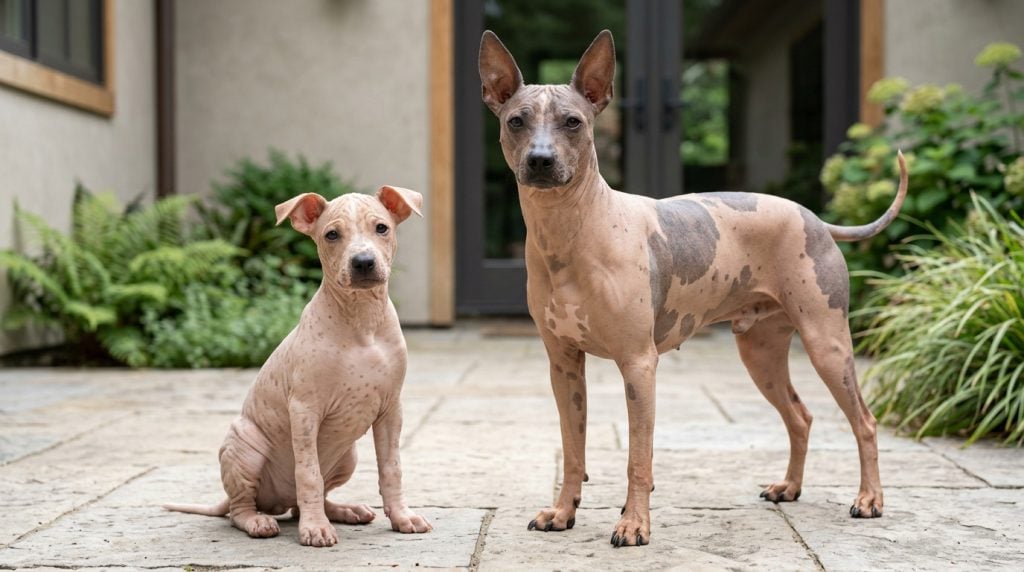
Living with an American Hairless Terrier often means sharing your space with a lively and curious companion. These dogs are known for their spirited nature and enjoy being involved in family activities. Their unique hairless appearance is a conversation starter, but it's their affectionate and playful personality that truly stands out.
At a glance
Core care
- Size: Small
- Energy: Moderate to high
- Grooming: Low
- Shedding: Minimal
Support style
- Sensitivity: Moderate
- Training style: Willing
Breed guide
Choose a section to explore. These notes describe common patterns, but individual dogs vary widely.
The American Hairless Terrier traces its roots back to the Rat Terrier, a breed originally developed for hunting and farm work. This history of being a working dog is still evident in their alertness and energy levels. Today, these traits translate into a lively companion that thrives on interaction and enjoys having a role within the family. They are keen observers and often seem to be aware of everything happening around them.
Physically, the American Hairless Terrier is small and agile, making them well-suited to a variety of living situations. Their lack of fur means they require less grooming than many other breeds, but it also means they need protection from the elements, particularly the sun and cold. Owners often find themselves investing in doggy sweaters or sunscreen to keep their terrier comfortable.
Temperamentally, these terriers are known for being affectionate and sociable. They tend to form strong bonds with their families and enjoy being part of daily activities. Their moderate sensitivity means they respond well to gentle guidance and positive reinforcement. However, like all dogs, individual personalities can vary, with some being more reserved or independent than others.
Prospective owners should be prepared for a dog that thrives on companionship and mental stimulation. While they are generally adaptable, each American Hairless Terrier will have its own quirks and preferences. Understanding and appreciating these individual differences is key to a harmonious relationship with this unique breed.
American Hairless Terriers are often described as social butterflies within their family circles. They tend to enjoy being in the thick of things, whether that means joining in on a game or simply lounging nearby while you go about your day. This social nature is likely a remnant of their terrier roots, where working closely with humans was a daily necessity.
Their moderate sensitivity means they are typically attuned to the emotions of their owners, often reacting to changes in mood or routine. This can make them excellent companions for those who appreciate a dog that seems to understand them on a deeper level. However, it also means they may require reassurance in new or stressful situations.
Owners often notice that American Hairless Terriers are quick to learn and eager to please, making training a generally positive experience. Their willingness to engage and their curiosity can be harnessed to teach them a variety of tricks and commands. It’s important to keep training sessions fun and rewarding to maintain their enthusiasm.
While they are generally friendly, it’s important to remember that each dog is an individual. Some may be more outgoing, while others might take a little time to warm up to new people or environments. Understanding these nuances helps in fostering a strong and trusting relationship with your American Hairless Terrier.
A typical day for an American Hairless Terrier involves a good mix of physical activity and mental stimulation. These dogs have moderate to high energy levels, so regular walks and play sessions are essential to keep them happy and healthy. They enjoy activities that challenge their agility and intelligence, such as fetch or puzzle toys.
While they are energetic, American Hairless Terriers are also adaptable to their owner’s lifestyle. They can be quite content with a couple of brisk walks a day, supplemented by interactive playtime at home. It’s important to tailor their exercise routine to their age and health, as younger dogs will naturally have more energy to burn than their older counterparts.
Mental enrichment is just as important as physical exercise for this breed. Engaging their minds with training sessions, scent games, or even agility courses can help prevent boredom and the behavioural issues that can accompany it. Owners often find that a well-exercised and mentally stimulated American Hairless Terrier is a content and well-behaved companion.
As with any breed, it’s crucial to avoid over-exercising, especially in extreme weather conditions. Their lack of fur makes them more susceptible to temperature extremes, so adjusting their activity levels accordingly is important. This consideration ensures they remain comfortable and healthy throughout their lives.
Training an American Hairless Terrier often feels like a collaborative effort. These dogs are known for their willingness to learn and their eagerness to please, which can make training sessions both enjoyable and rewarding. They respond well to positive reinforcement techniques, such as treats and praise, which help to build a strong bond between dog and owner.
Consistency and patience are key when training this breed. While they are generally quick learners, it’s important to maintain a calm and encouraging environment. This helps to keep their attention and motivation high, especially during adolescence when they might test boundaries more frequently.
Impulse control can be a challenge for some American Hairless Terriers, particularly when it comes to their natural curiosity. Training sessions that focus on self-control, such as ‘leave it’ or ‘wait’, can be particularly beneficial. These exercises not only improve behaviour but also enhance the communication between you and your dog.
Building a relationship based on trust and understanding is crucial. Each dog is unique, and what works for one may not work for another. Being adaptable in your training approach and recognising your dog’s individual needs will help foster a positive and cooperative training experience.
American Hairless Terriers tend to adapt well to a variety of living environments, making them suitable for both city apartments and suburban homes. Their small size and minimal shedding make them a practical choice for those who live in close quarters. However, they do appreciate having space to move and explore, whether that’s a small garden or regular trips to the park.
These dogs often thrive in homes where they can be involved in daily activities. They enjoy being part of the family and can be quite content as long as they receive adequate attention and stimulation. Their sociable nature means they usually get along well with children, provided interactions are supervised and respectful.
When it comes to other pets, American Hairless Terriers can generally coexist peacefully, especially if they are introduced properly. Their terrier instincts might make them a bit more interested in smaller animals, so supervision is recommended until you are confident in their behaviour.
Ultimately, the best fit for an American Hairless Terrier is a home where they are valued as a member of the family. Understanding their need for companionship and mental engagement will help ensure a harmonious living situation for both dog and owner.
Health is a vital component of an American Hairless Terrier’s overall wellbeing. While they are generally healthy dogs, their unique hairless nature requires specific care to maintain their skin health. Regular checks for dryness or irritation, along with appropriate sun protection, help prevent common skin issues.
Their active nature means they benefit from a balanced diet and regular exercise to maintain a healthy weight and overall fitness. Owners often find that a well-exercised dog is not only healthier but also happier and better behaved. Monitoring their diet and activity levels is a key part of preventive care.
Dental health is another important consideration. Regular brushing and dental check-ups can help prevent periodontal disease, which is common in small breeds. Keeping an eye on their teeth and gums can prevent more serious health issues down the line.
As with any breed, it’s crucial to establish a relationship with a trusted veterinarian who understands the specific needs of the American Hairless Terrier. Regular health checks and vaccinations are essential to catch any potential issues early and ensure your dog leads a long, healthy life.
The American Hairless Terrier’s history is a fascinating journey from a genetic anomaly to a beloved breed. Originating from the Rat Terrier, the first hairless pup was born in a litter in the 1970s in Louisiana. This unique trait caught the attention of breeders, who saw potential in developing a new breed.
Initially, these hairless dogs were a curiosity, but their unique appearance and charming personalities quickly won over enthusiasts. Breeders focused on preserving the hairless gene while maintaining the terrier’s characteristic traits of alertness and agility. Over time, the American Hairless Terrier became recognised as its own distinct breed.
This breed’s development highlights the importance of adaptability and resilience. Their history of working alongside humans in various roles has shaped their modern-day temperament. Today, they are known for their lively and affectionate nature, traits that are deeply rooted in their working past.
Understanding the American Hairless Terrier’s origins provides insight into their behaviour and needs. Their history as a working dog explains their energy levels and desire for companionship, making them a unique and engaging breed to share your life with.
What shapes individual dogs
- Early social experiences
- Training approach
- Environment & routine
- Genetics & breeding
- Health & pain
- Age / life stage
The American Hairless Terrier traces its roots back to the Rat Terrier, a breed originally developed for hunting and farm work. This history of being a working dog is still evident in their alertness and energy levels. Today, these traits translate into a lively companion that thrives on interaction and enjoys having a role within the family. They are keen observers and often seem to be aware of everything happening around them.
Physically, the American Hairless Terrier is small and agile, making them well-suited to a variety of living situations. Their lack of fur means they require less grooming than many other breeds, but it also means they need protection from the elements, particularly the sun and cold. Owners often find themselves investing in doggy sweaters or sunscreen to keep their terrier comfortable.
Temperamentally, these terriers are known for being affectionate and sociable. They tend to form strong bonds with their families and enjoy being part of daily activities. Their moderate sensitivity means they respond well to gentle guidance and positive reinforcement. However, like all dogs, individual personalities can vary, with some being more reserved or independent than others.
Prospective owners should be prepared for a dog that thrives on companionship and mental stimulation. While they are generally adaptable, each American Hairless Terrier will have its own quirks and preferences. Understanding and appreciating these individual differences is key to a harmonious relationship with this unique breed.
American Hairless Terriers are often described as social butterflies within their family circles. They tend to enjoy being in the thick of things, whether that means joining in on a game or simply lounging nearby while you go about your day. This social nature is likely a remnant of their terrier roots, where working closely with humans was a daily necessity.
Their moderate sensitivity means they are typically attuned to the emotions of their owners, often reacting to changes in mood or routine. This can make them excellent companions for those who appreciate a dog that seems to understand them on a deeper level. However, it also means they may require reassurance in new or stressful situations.
Owners often notice that American Hairless Terriers are quick to learn and eager to please, making training a generally positive experience. Their willingness to engage and their curiosity can be harnessed to teach them a variety of tricks and commands. It’s important to keep training sessions fun and rewarding to maintain their enthusiasm.
While they are generally friendly, it’s important to remember that each dog is an individual. Some may be more outgoing, while others might take a little time to warm up to new people or environments. Understanding these nuances helps in fostering a strong and trusting relationship with your American Hairless Terrier.
A typical day for an American Hairless Terrier involves a good mix of physical activity and mental stimulation. These dogs have moderate to high energy levels, so regular walks and play sessions are essential to keep them happy and healthy. They enjoy activities that challenge their agility and intelligence, such as fetch or puzzle toys.
While they are energetic, American Hairless Terriers are also adaptable to their owner’s lifestyle. They can be quite content with a couple of brisk walks a day, supplemented by interactive playtime at home. It’s important to tailor their exercise routine to their age and health, as younger dogs will naturally have more energy to burn than their older counterparts.
Mental enrichment is just as important as physical exercise for this breed. Engaging their minds with training sessions, scent games, or even agility courses can help prevent boredom and the behavioural issues that can accompany it. Owners often find that a well-exercised and mentally stimulated American Hairless Terrier is a content and well-behaved companion.
As with any breed, it’s crucial to avoid over-exercising, especially in extreme weather conditions. Their lack of fur makes them more susceptible to temperature extremes, so adjusting their activity levels accordingly is important. This consideration ensures they remain comfortable and healthy throughout their lives.
Training an American Hairless Terrier often feels like a collaborative effort. These dogs are known for their willingness to learn and their eagerness to please, which can make training sessions both enjoyable and rewarding. They respond well to positive reinforcement techniques, such as treats and praise, which help to build a strong bond between dog and owner.
Consistency and patience are key when training this breed. While they are generally quick learners, it’s important to maintain a calm and encouraging environment. This helps to keep their attention and motivation high, especially during adolescence when they might test boundaries more frequently.
Impulse control can be a challenge for some American Hairless Terriers, particularly when it comes to their natural curiosity. Training sessions that focus on self-control, such as ‘leave it’ or ‘wait’, can be particularly beneficial. These exercises not only improve behaviour but also enhance the communication between you and your dog.
Building a relationship based on trust and understanding is crucial. Each dog is unique, and what works for one may not work for another. Being adaptable in your training approach and recognising your dog’s individual needs will help foster a positive and cooperative training experience.
American Hairless Terriers tend to adapt well to a variety of living environments, making them suitable for both city apartments and suburban homes. Their small size and minimal shedding make them a practical choice for those who live in close quarters. However, they do appreciate having space to move and explore, whether that’s a small garden or regular trips to the park.
These dogs often thrive in homes where they can be involved in daily activities. They enjoy being part of the family and can be quite content as long as they receive adequate attention and stimulation. Their sociable nature means they usually get along well with children, provided interactions are supervised and respectful.
When it comes to other pets, American Hairless Terriers can generally coexist peacefully, especially if they are introduced properly. Their terrier instincts might make them a bit more interested in smaller animals, so supervision is recommended until you are confident in their behaviour.
Ultimately, the best fit for an American Hairless Terrier is a home where they are valued as a member of the family. Understanding their need for companionship and mental engagement will help ensure a harmonious living situation for both dog and owner.
Health is a vital component of an American Hairless Terrier’s overall wellbeing. While they are generally healthy dogs, their unique hairless nature requires specific care to maintain their skin health. Regular checks for dryness or irritation, along with appropriate sun protection, help prevent common skin issues.
Their active nature means they benefit from a balanced diet and regular exercise to maintain a healthy weight and overall fitness. Owners often find that a well-exercised dog is not only healthier but also happier and better behaved. Monitoring their diet and activity levels is a key part of preventive care.
Dental health is another important consideration. Regular brushing and dental check-ups can help prevent periodontal disease, which is common in small breeds. Keeping an eye on their teeth and gums can prevent more serious health issues down the line.
As with any breed, it’s crucial to establish a relationship with a trusted veterinarian who understands the specific needs of the American Hairless Terrier. Regular health checks and vaccinations are essential to catch any potential issues early and ensure your dog leads a long, healthy life.
The American Hairless Terrier’s history is a fascinating journey from a genetic anomaly to a beloved breed. Originating from the Rat Terrier, the first hairless pup was born in a litter in the 1970s in Louisiana. This unique trait caught the attention of breeders, who saw potential in developing a new breed.
Initially, these hairless dogs were a curiosity, but their unique appearance and charming personalities quickly won over enthusiasts. Breeders focused on preserving the hairless gene while maintaining the terrier’s characteristic traits of alertness and agility. Over time, the American Hairless Terrier became recognised as its own distinct breed.
This breed’s development highlights the importance of adaptability and resilience. Their history of working alongside humans in various roles has shaped their modern-day temperament. Today, they are known for their lively and affectionate nature, traits that are deeply rooted in their working past.
Understanding the American Hairless Terrier’s origins provides insight into their behaviour and needs. Their history as a working dog explains their energy levels and desire for companionship, making them a unique and engaging breed to share your life with.
What shapes individual dogs
- Early social experiences
- Training approach
- Environment & routine
- Genetics & breeding
- Health & pain
- Age / life stage
Want support with this?
This course offers valuable insights into the nuances of your American Hairless Terrier's behaviour, helping you build a deeper connection.