
American Bulldog
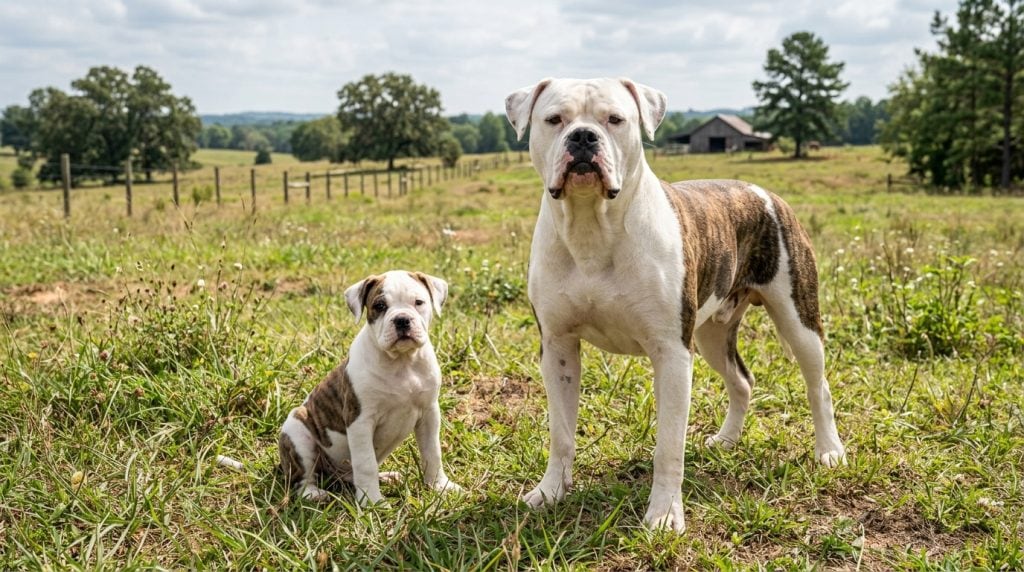
Living with an American Bulldog often means sharing your space with a dog that is both protective and affectionate. They tend to form strong bonds with their families, often displaying a gentle nature despite their powerful build. Owners frequently observe their dog's eagerness to be part of family activities, whether it's lounging at home or exploring the outdoors.
At a glance
Core care
- Size: Large
- Energy: Moderate to high
- Grooming: Low
- Shedding: Moderate
Support style
- Sensitivity: Moderate
- Training style: Willing
Breed guide
Choose a section to explore. These notes describe common patterns, but individual dogs vary widely.
The American Bulldog’s origins as a working farm dog in the southern United States have shaped its character into what we see today. Known for their strength and determination, these dogs were originally bred to help with farm work, including guarding property and herding livestock. This history of hard work and loyalty continues to manifest in their modern-day counterparts, who often show a strong protective instinct and a desire to be close to their families.
Physically, the American Bulldog is a large and muscular breed, which is quite noticeable in everyday life. Their sturdy build and athletic physique mean they are capable of impressive feats of strength and agility. This physicality often translates into a dog that enjoys active play and needs regular exercise to stay healthy and happy. Despite their size, many owners find them to be surprisingly gentle, especially around children.
Temperamentally, American Bulldogs are known for their affectionate and loyal nature. They often form deep bonds with their families and can be quite protective. Many owners notice their dog’s watchful eye and readiness to alert them to anything unusual. However, their moderate sensitivity means they can be affected by changes in their environment or routine, so a stable and loving home is ideal.
While American Bulldogs have many common traits, individual dogs can vary widely. Factors such as genetics, early socialisation, and training all play a role in shaping a dog’s personality. Prospective owners should be prepared for a dog that may be calm and gentle or more energetic and assertive, depending on their unique background and experiences.
American Bulldogs are often noted for their social and protective nature, making them both loyal companions and vigilant guardians. Many owners find that their Bulldog enjoys being part of the family dynamic, often following family members from room to room and being involved in daily activities. This social drive is a hallmark of the breed, rooted in their history as farm dogs who worked closely with humans.
Their willingness to please and moderate sensitivity means they respond well to positive reinforcement and consistent training. Owners often notice that their Bulldogs thrive in environments where they feel secure and understood. While they are generally willing learners, they can also be quite independent, which means training should be approached with patience and understanding.
American Bulldogs are known for their protective instincts, which can be both a benefit and a challenge. Many owners appreciate their dog’s natural inclination to alert them to strangers or unusual noises, but it’s important to ensure this doesn’t develop into over-protectiveness. Early socialisation and exposure to a variety of people and situations can help temper this instinct and promote a balanced temperament.
Sensitivity in this breed can manifest in various ways. Some Bulldogs may be more affected by changes in their environment or routine, while others may be more resilient. Understanding and respecting these individual differences is key to building a strong bond with your Bulldog. Overall, their temperament is a blend of loyalty, protectiveness, and a desire to be part of the family, making them a rewarding breed for those who appreciate their unique qualities.
A typical day for an American Bulldog involves a mix of physical exercise and mental stimulation to keep them content and well-balanced. Given their moderate to high energy levels, they benefit from daily walks, play sessions, and opportunities to explore their environment. Many owners find that their Bulldogs enjoy activities that challenge both their bodies and minds, such as agility courses or interactive games.
Physical exercise is crucial for this breed, as it helps manage their energy levels and maintain their muscular build. Regular walks, runs, or playtime in a secure yard can provide the outlet they need. However, it’s important to tailor exercise routines to the individual dog, taking into account their age, health, and personal preferences. Puppies and young dogs might require more frequent, shorter bursts of activity, while older dogs may benefit from gentler, more consistent exercise.
Mental enrichment is equally important for the American Bulldog. Puzzle toys, training sessions, and scent games can help keep their minds engaged and prevent boredom. Many Bulldogs enjoy learning new tricks or commands, which can also strengthen the bond between dog and owner. Providing a variety of activities can help ensure they remain happy and well-adjusted.
As with any breed, the exercise needs of an American Bulldog can change over time. Puppies require careful management to avoid over-exertion, while adult dogs often thrive with regular, structured activity. Senior Bulldogs may need adjustments to their routine to accommodate any age-related changes. Understanding and adapting to these needs is key to ensuring a fulfilling and healthy life for your Bulldog.
Training an American Bulldog often feels like a rewarding journey of building mutual respect and understanding. With their willingness to learn and moderate sensitivity, these dogs typically respond well to positive reinforcement methods. Many owners find that consistent, reward-based training helps their Bulldogs develop good manners and impulse control.
Given their protective nature, early socialisation is crucial for American Bulldogs. Introducing them to a variety of people, environments, and other animals can help them become well-rounded adults. This exposure helps them learn to differentiate between normal and potentially threatening situations, reducing the likelihood of over-protective behaviours.
Adolescence can be a challenging time for Bulldog owners, as this is when dogs may test boundaries and assert their independence. Patience and consistency are key during this phase. Reinforcing training commands and maintaining a structured routine can help guide them through this developmental stage. Many owners find that their Bulldogs benefit from ongoing training throughout their lives, keeping their minds sharp and reinforcing desired behaviours.
Building a strong relationship based on trust and respect is essential for successful training. American Bulldogs thrive when they feel secure and understood, and a positive training approach can help foster this connection. For those new to the breed or looking for additional support, enrolling in a course like “Understand Your Dog: Dog Psychology for Beginners” can provide valuable insights into their unique temperament and training needs.
American Bulldogs tend to thrive in homes where they can be active participants in family life. They often do well in environments that provide them with space to move and explore, such as homes with secure gardens or access to nearby parks. Their protective nature means they often enjoy having a role, whether it’s as a companion on walks or a watchful presence at home.
Families with children often find that American Bulldogs can be gentle and patient companions. Their sturdy build and affectionate nature make them well-suited to homes with kids, though supervision is always recommended to ensure positive interactions. Early socialisation with children can help Bulldogs understand how to behave around younger family members.
When it comes to other pets, American Bulldogs can vary in their compatibility. Some may get along well with other dogs and animals, especially if they are raised together from a young age. However, their protective instincts can sometimes lead to territorial behaviours, so introductions should be managed carefully and gradually.
Ultimately, the American Bulldog’s suitability for a particular home depends on the lifestyle and expectations of the owner. They tend to do best with families who appreciate their loyal and protective nature and are willing to engage with them regularly. Prospective owners should consider their ability to provide the exercise, training, and companionship that this breed thrives on before bringing an American Bulldog into their home.
Health plays a significant role in the everyday wellbeing of an American Bulldog. While generally robust, they can be prone to certain breed-specific health issues such as hip dysplasia and skin sensitivities. Regular veterinary check-ups and a balanced diet can help manage these conditions and support overall health.
Understanding the connection between health and behaviour is important for Bulldog owners. For example, discomfort from joint issues might affect their willingness to exercise or participate in activities. Observing changes in behaviour can often provide clues to underlying health concerns, prompting timely veterinary advice.
Preventive care is key to maintaining the health of an American Bulldog. Regular vaccinations, parasite control, and dental care are essential components of their healthcare routine. Many owners find that establishing a relationship with a trusted veterinarian helps them stay on top of their Bulldog’s health needs and catch any potential issues early.
While American Bulldogs can face certain health challenges, many lead long and healthy lives with proper care. Owners should be attentive to their dog’s health and seek veterinary advice if they notice any changes in behaviour, appetite, or energy levels. By prioritising health, owners can help ensure their Bulldog enjoys a fulfilling and active life.
The American Bulldog’s history is deeply rooted in the agricultural communities of the southern United States. Originally bred as working dogs, they were tasked with a variety of roles on farms, including guarding property, herding livestock, and hunting feral pigs. This diverse skill set required a dog that was both strong and intelligent, traits that continue to define the breed today.
The breed’s development was influenced by the need for a versatile and reliable farm dog. Early American Bulldogs were valued for their ability to adapt to different tasks and their unwavering loyalty to their human companions. This background explains their modern-day protective instincts and strong bond with their families.
Over time, the American Bulldog evolved as breeders focused on preserving the traits that made them successful working dogs. Despite changes in their role, the breed’s core characteristics of strength, loyalty, and adaptability have remained consistent. These qualities make them well-suited to a variety of modern roles, from family companion to working partner.
Today, the American Bulldog is appreciated for its rich history and the unique blend of traits that history has produced. Understanding their origins helps explain their protective nature, willingness to work, and deep connection to their families. For those who appreciate a dog with a strong sense of purpose and a loyal heart, the American Bulldog’s history offers a meaningful context for their modern-day personality.
What shapes individual dogs
- Early social experiences
- Training approach
- Environment & routine
- Genetics & breeding
- Health & pain
- Age / life stage
The American Bulldog’s origins as a working farm dog in the southern United States have shaped its character into what we see today. Known for their strength and determination, these dogs were originally bred to help with farm work, including guarding property and herding livestock. This history of hard work and loyalty continues to manifest in their modern-day counterparts, who often show a strong protective instinct and a desire to be close to their families.
Physically, the American Bulldog is a large and muscular breed, which is quite noticeable in everyday life. Their sturdy build and athletic physique mean they are capable of impressive feats of strength and agility. This physicality often translates into a dog that enjoys active play and needs regular exercise to stay healthy and happy. Despite their size, many owners find them to be surprisingly gentle, especially around children.
Temperamentally, American Bulldogs are known for their affectionate and loyal nature. They often form deep bonds with their families and can be quite protective. Many owners notice their dog’s watchful eye and readiness to alert them to anything unusual. However, their moderate sensitivity means they can be affected by changes in their environment or routine, so a stable and loving home is ideal.
While American Bulldogs have many common traits, individual dogs can vary widely. Factors such as genetics, early socialisation, and training all play a role in shaping a dog’s personality. Prospective owners should be prepared for a dog that may be calm and gentle or more energetic and assertive, depending on their unique background and experiences.
American Bulldogs are often noted for their social and protective nature, making them both loyal companions and vigilant guardians. Many owners find that their Bulldog enjoys being part of the family dynamic, often following family members from room to room and being involved in daily activities. This social drive is a hallmark of the breed, rooted in their history as farm dogs who worked closely with humans.
Their willingness to please and moderate sensitivity means they respond well to positive reinforcement and consistent training. Owners often notice that their Bulldogs thrive in environments where they feel secure and understood. While they are generally willing learners, they can also be quite independent, which means training should be approached with patience and understanding.
American Bulldogs are known for their protective instincts, which can be both a benefit and a challenge. Many owners appreciate their dog’s natural inclination to alert them to strangers or unusual noises, but it’s important to ensure this doesn’t develop into over-protectiveness. Early socialisation and exposure to a variety of people and situations can help temper this instinct and promote a balanced temperament.
Sensitivity in this breed can manifest in various ways. Some Bulldogs may be more affected by changes in their environment or routine, while others may be more resilient. Understanding and respecting these individual differences is key to building a strong bond with your Bulldog. Overall, their temperament is a blend of loyalty, protectiveness, and a desire to be part of the family, making them a rewarding breed for those who appreciate their unique qualities.
A typical day for an American Bulldog involves a mix of physical exercise and mental stimulation to keep them content and well-balanced. Given their moderate to high energy levels, they benefit from daily walks, play sessions, and opportunities to explore their environment. Many owners find that their Bulldogs enjoy activities that challenge both their bodies and minds, such as agility courses or interactive games.
Physical exercise is crucial for this breed, as it helps manage their energy levels and maintain their muscular build. Regular walks, runs, or playtime in a secure yard can provide the outlet they need. However, it’s important to tailor exercise routines to the individual dog, taking into account their age, health, and personal preferences. Puppies and young dogs might require more frequent, shorter bursts of activity, while older dogs may benefit from gentler, more consistent exercise.
Mental enrichment is equally important for the American Bulldog. Puzzle toys, training sessions, and scent games can help keep their minds engaged and prevent boredom. Many Bulldogs enjoy learning new tricks or commands, which can also strengthen the bond between dog and owner. Providing a variety of activities can help ensure they remain happy and well-adjusted.
As with any breed, the exercise needs of an American Bulldog can change over time. Puppies require careful management to avoid over-exertion, while adult dogs often thrive with regular, structured activity. Senior Bulldogs may need adjustments to their routine to accommodate any age-related changes. Understanding and adapting to these needs is key to ensuring a fulfilling and healthy life for your Bulldog.
Training an American Bulldog often feels like a rewarding journey of building mutual respect and understanding. With their willingness to learn and moderate sensitivity, these dogs typically respond well to positive reinforcement methods. Many owners find that consistent, reward-based training helps their Bulldogs develop good manners and impulse control.
Given their protective nature, early socialisation is crucial for American Bulldogs. Introducing them to a variety of people, environments, and other animals can help them become well-rounded adults. This exposure helps them learn to differentiate between normal and potentially threatening situations, reducing the likelihood of over-protective behaviours.
Adolescence can be a challenging time for Bulldog owners, as this is when dogs may test boundaries and assert their independence. Patience and consistency are key during this phase. Reinforcing training commands and maintaining a structured routine can help guide them through this developmental stage. Many owners find that their Bulldogs benefit from ongoing training throughout their lives, keeping their minds sharp and reinforcing desired behaviours.
Building a strong relationship based on trust and respect is essential for successful training. American Bulldogs thrive when they feel secure and understood, and a positive training approach can help foster this connection. For those new to the breed or looking for additional support, enrolling in a course like “Understand Your Dog: Dog Psychology for Beginners” can provide valuable insights into their unique temperament and training needs.
American Bulldogs tend to thrive in homes where they can be active participants in family life. They often do well in environments that provide them with space to move and explore, such as homes with secure gardens or access to nearby parks. Their protective nature means they often enjoy having a role, whether it’s as a companion on walks or a watchful presence at home.
Families with children often find that American Bulldogs can be gentle and patient companions. Their sturdy build and affectionate nature make them well-suited to homes with kids, though supervision is always recommended to ensure positive interactions. Early socialisation with children can help Bulldogs understand how to behave around younger family members.
When it comes to other pets, American Bulldogs can vary in their compatibility. Some may get along well with other dogs and animals, especially if they are raised together from a young age. However, their protective instincts can sometimes lead to territorial behaviours, so introductions should be managed carefully and gradually.
Ultimately, the American Bulldog’s suitability for a particular home depends on the lifestyle and expectations of the owner. They tend to do best with families who appreciate their loyal and protective nature and are willing to engage with them regularly. Prospective owners should consider their ability to provide the exercise, training, and companionship that this breed thrives on before bringing an American Bulldog into their home.
Health plays a significant role in the everyday wellbeing of an American Bulldog. While generally robust, they can be prone to certain breed-specific health issues such as hip dysplasia and skin sensitivities. Regular veterinary check-ups and a balanced diet can help manage these conditions and support overall health.
Understanding the connection between health and behaviour is important for Bulldog owners. For example, discomfort from joint issues might affect their willingness to exercise or participate in activities. Observing changes in behaviour can often provide clues to underlying health concerns, prompting timely veterinary advice.
Preventive care is key to maintaining the health of an American Bulldog. Regular vaccinations, parasite control, and dental care are essential components of their healthcare routine. Many owners find that establishing a relationship with a trusted veterinarian helps them stay on top of their Bulldog’s health needs and catch any potential issues early.
While American Bulldogs can face certain health challenges, many lead long and healthy lives with proper care. Owners should be attentive to their dog’s health and seek veterinary advice if they notice any changes in behaviour, appetite, or energy levels. By prioritising health, owners can help ensure their Bulldog enjoys a fulfilling and active life.
The American Bulldog’s history is deeply rooted in the agricultural communities of the southern United States. Originally bred as working dogs, they were tasked with a variety of roles on farms, including guarding property, herding livestock, and hunting feral pigs. This diverse skill set required a dog that was both strong and intelligent, traits that continue to define the breed today.
The breed’s development was influenced by the need for a versatile and reliable farm dog. Early American Bulldogs were valued for their ability to adapt to different tasks and their unwavering loyalty to their human companions. This background explains their modern-day protective instincts and strong bond with their families.
Over time, the American Bulldog evolved as breeders focused on preserving the traits that made them successful working dogs. Despite changes in their role, the breed’s core characteristics of strength, loyalty, and adaptability have remained consistent. These qualities make them well-suited to a variety of modern roles, from family companion to working partner.
Today, the American Bulldog is appreciated for its rich history and the unique blend of traits that history has produced. Understanding their origins helps explain their protective nature, willingness to work, and deep connection to their families. For those who appreciate a dog with a strong sense of purpose and a loyal heart, the American Bulldog’s history offers a meaningful context for their modern-day personality.
What shapes individual dogs
- Early social experiences
- Training approach
- Environment & routine
- Genetics & breeding
- Health & pain
- Age / life stage
Want support with this?
This course offers valuable insights into the unique temperament and training needs of the American Bulldog, helping owners build a strong bond.