
A familiar moment on a warm day
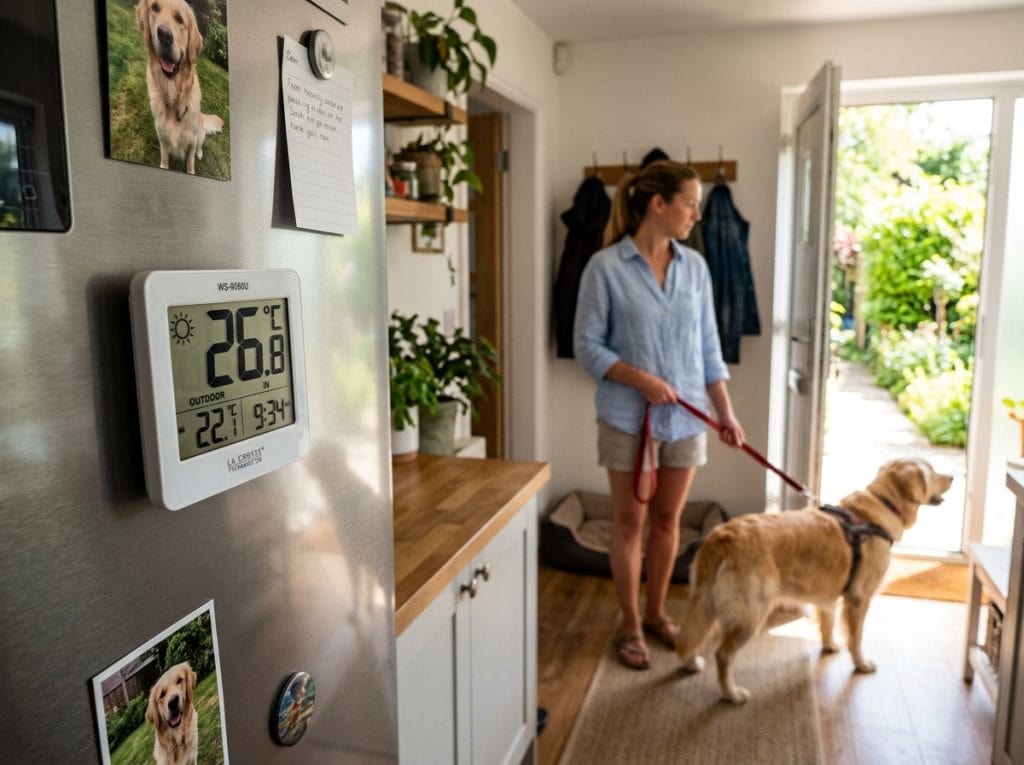
It’s a bright summer morning, and your dog is already waiting by the door.
They seem eager, just as they always do. The day feels warm, but not extreme — the kind of weather where it’s easy to assume a normal walk will be fine. Nothing about it immediately suggests a problem.
And yet, this is often the moment where a small pause can make all the difference.
Is this actually a good time to go out?
It’s not always an easy question to answer, especially when the temperature doesn’t feel particularly high. But for dogs, the experience of that same day can be very different.
Why warm weather can be misleading
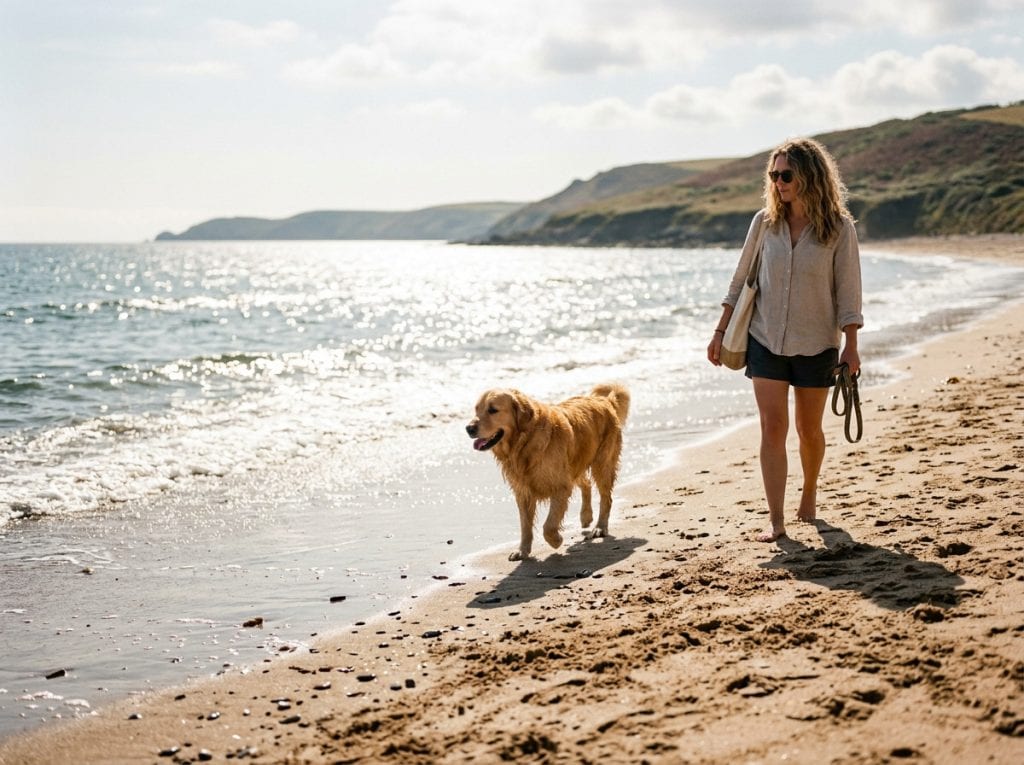
One of the things that catches many owners out is how easily heat builds without it feeling obvious.
We tend to judge the day based on how it feels to us — the air, the breeze, the comfort of the sun. But dogs experience that same environment in a different way. They are closer to the ground, surrounded by surfaces that absorb and hold warmth, and rely on panting rather than sweating to cool themselves down.
A day that feels manageable can still place a quiet strain on them, especially as the morning moves on and the ground begins to hold onto heat.
Because of this, the moment you step outside doesn’t always reflect the conditions your dog will experience a little further into the walk.
The ground beneath their feet
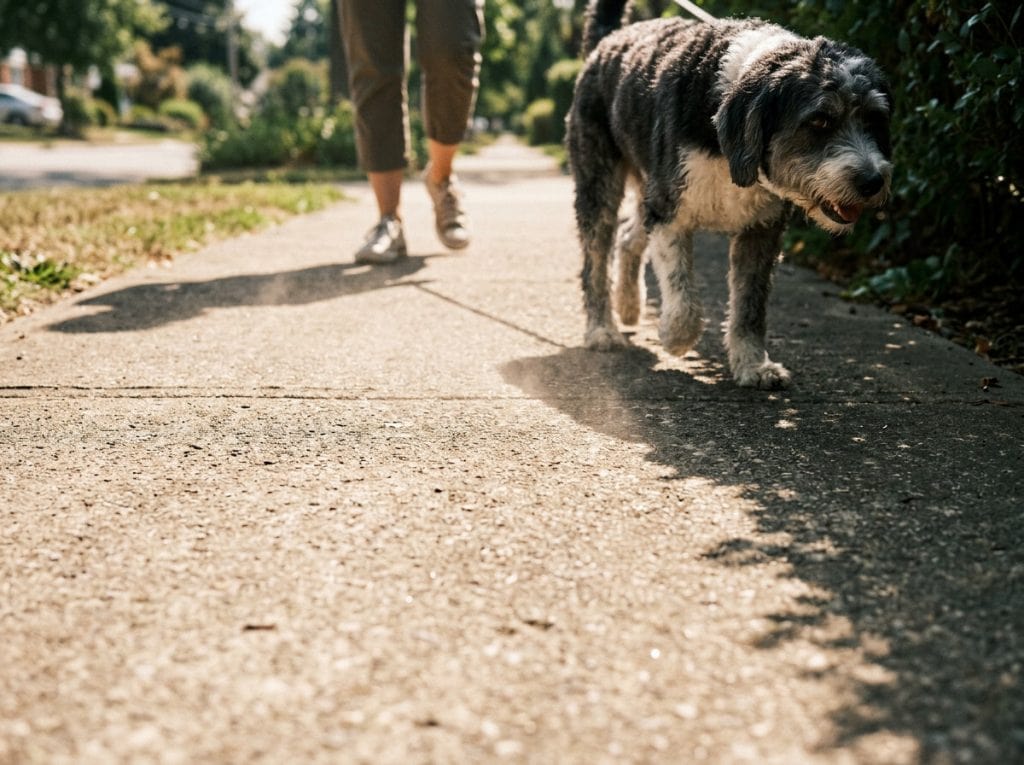
What often makes the biggest difference isn’t the air temperature at all — it’s the surface your dog is walking on.
Pavements, roads, and even some paths absorb heat steadily throughout the day. By late morning or early afternoon, they can feel very different to how they did just a short while earlier. What seems warm to us can feel much hotter through a dog’s paws, especially when there’s no easy way for them to avoid it.
Some dogs will begin to slow slightly or drift toward shaded areas without much thought. Others will continue as normal, particularly if they’re focused on the walk itself.
That’s what makes it easy to overlook.
The environment changes quietly, and dogs don’t always react in ways that make it obvious straight away.
Why dogs don’t always stop themselves
It’s easy to assume that a dog will slow down or refuse to walk if something isn’t comfortable.
But in reality, many don’t.
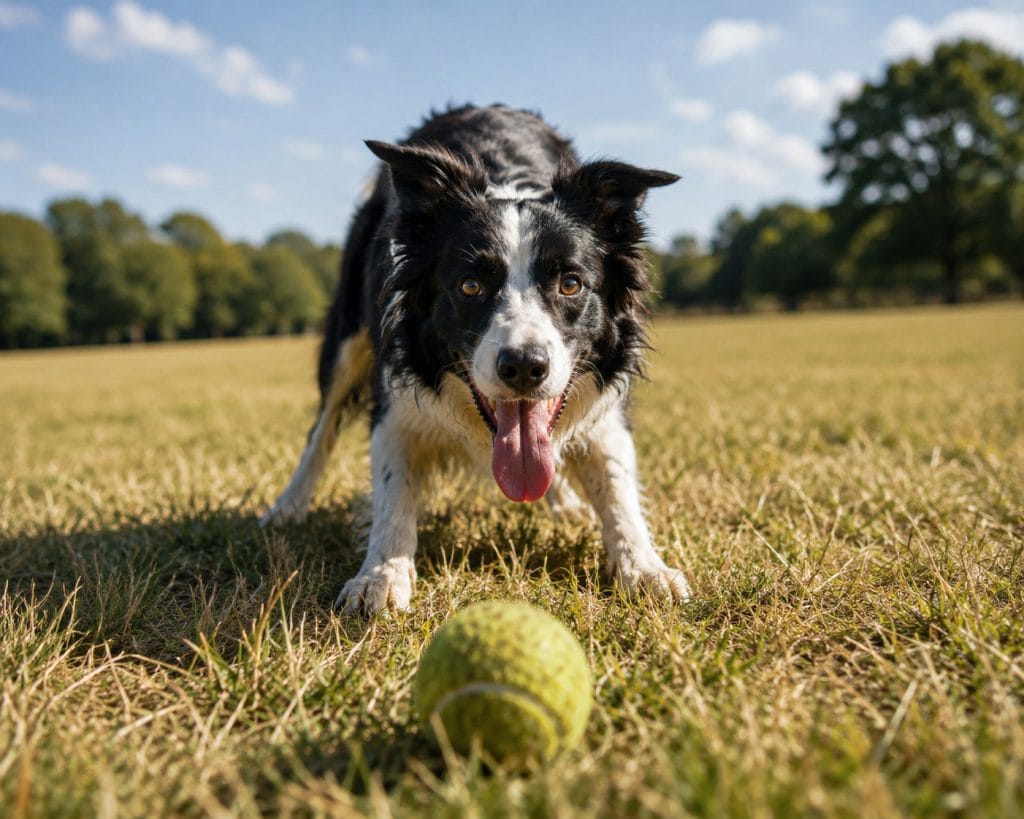
Dogs don’t always recognise when they’ve had enough, especially when they’re enjoying themselves. The excitement of being outside, following scents, and moving through familiar routes can keep them going long after it would have been better to stop.
They rely on us to make that decision for them.
And because of that, the choice of when to walk often matters more than the walk itself.
Choosing the right time to walk
On warmer days, timing becomes one of the simplest ways to keep things comfortable.
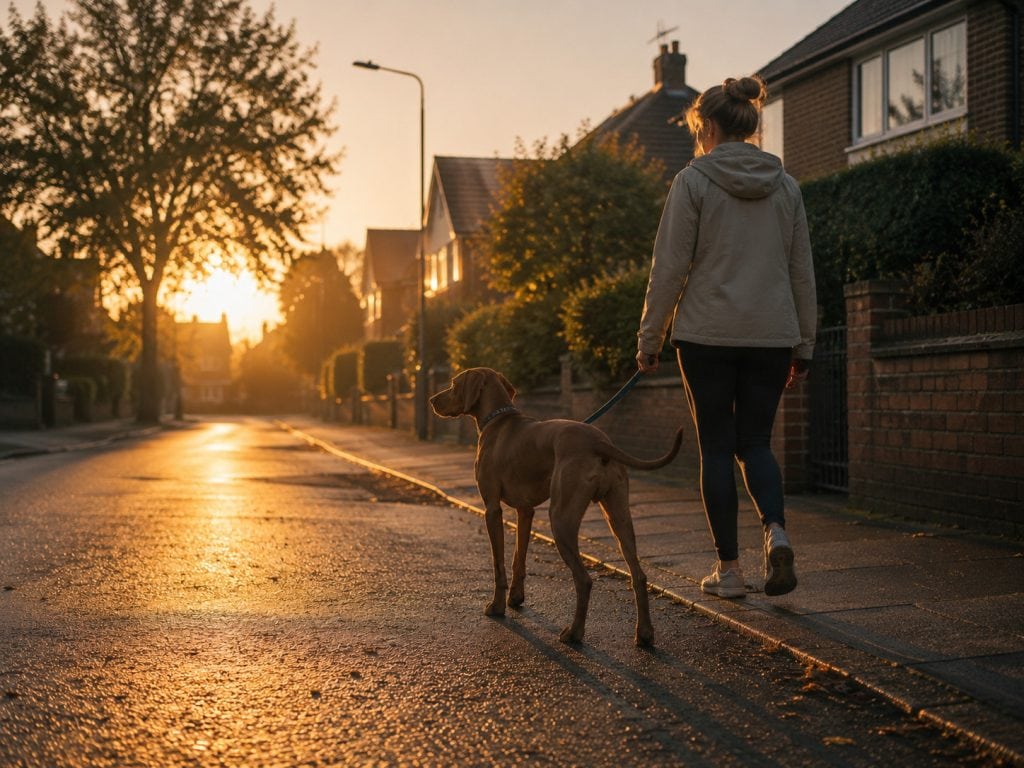
Early mornings, before the day has fully warmed up, tend to offer the best conditions. The air feels fresher, and the ground hasn’t yet absorbed the heat that builds later on.
Later in the evening can feel similar, once the sun has dropped and surfaces have had time to cool again. The difference isn’t always dramatic, but it’s often enough to make the walk feel easier for your dog.
In contrast, the middle of the day — even when it doesn’t feel extreme — is usually when everything comes together. The sun is higher, the ground is warmer, and the air holds more heat. It’s often the point where a walk that seemed reasonable at first begins to feel more demanding than expected.
Because of this, adjusting when you walk can often make more difference than adjusting how far you go.
Not every dog experiences heat the same way
It’s also worth remembering that heat doesn’t affect every dog in the same way.
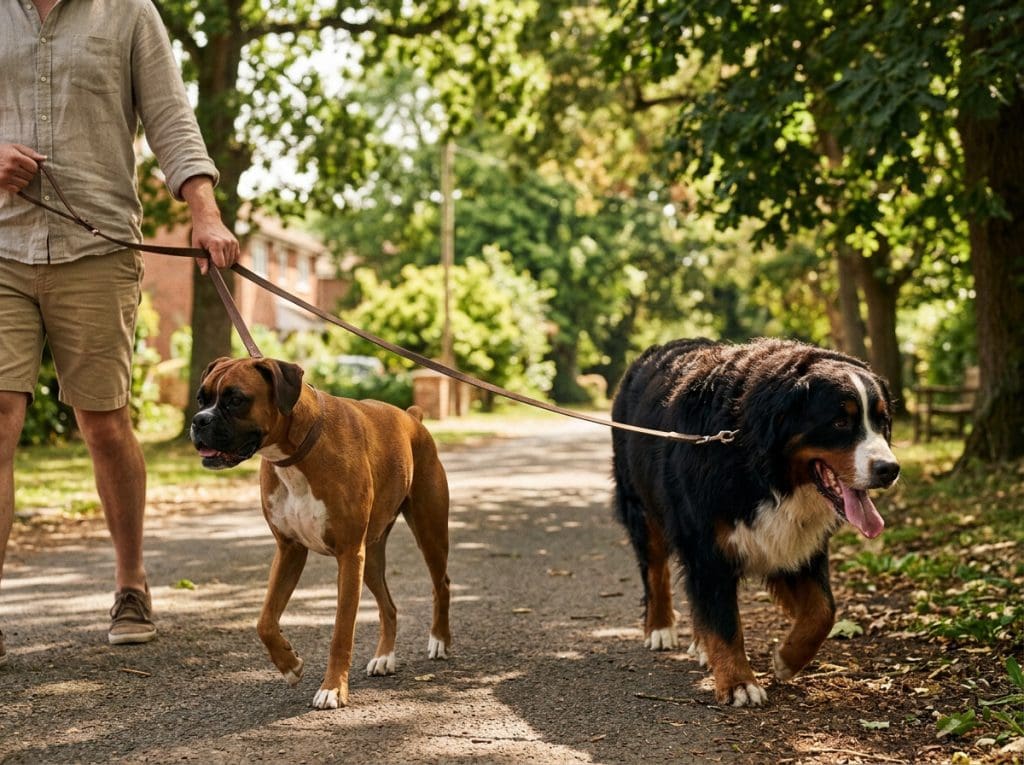
A dog with a thick coat will often feel the warmth sooner than one with a lighter coat, even on the same day. Younger dogs may continue moving without slowing themselves down, while older dogs can find warmer conditions more tiring than they once did.
So while the weather might feel consistent, the experience of it isn’t.
It changes depending on the dog in front of you.
When a walk can wait
There are days where stepping outside gives you a clearer answer than any temperature ever could.
The air feels still rather than fresh. The ground holds warmth rather than releasing it. Shade feels limited, and the overall environment feels heavier than expected.
In those moments, choosing to delay a walk or wait until later in the day isn’t about being overly cautious.
It’s about recognising that the conditions aren’t quite right.
Most dogs are just as content with a shorter, more comfortable walk when things have cooled down as they are with a longer one in less suitable conditions.
A calmer way to think about warm weather
Rather than trying to find a perfect number that defines what’s safe, it often helps to think more simply.
Is this the coolest part of the day?
Has the ground had time to cool?
Does the environment feel comfortable, not just for you, but for your dog?
These kinds of questions tend to lead to better decisions than focusing on temperature alone.
Over time, this way of thinking becomes instinctive. You begin to recognise which days feel easy to work with, and which ones are better approached a little differently.
And importantly, it removes the pressure of feeling like you have to decide alone.
A simple shift in awareness
Warm weather doesn’t mean walks need to stop altogether.
It just means they sometimes need to happen at a different time, or in a slightly different way.
When you begin to see the day from your dog’s perspective — not just how it feels to you, but how it feels beneath their paws and around their body — those decisions become much easier to make.
And while most situations can be managed with this kind of awareness, there are times when heat can affect dogs more quickly than expected. Understanding how to recognise and respond to those moments is something many owners find helpful to explore further.
The Canine Wellness Hub Dog First Aid: A Practical Guide for Dog Owners looks at these situations in more depth, helping you feel more confident not just in preventing problems, but in knowing how to respond calmly if they arise.
Explore More Dog Health & Safety Topics
This topic forms part of our Dog Health & Safety guide, where we explore common risks, prevention, and practical ways owners can help keep their dogs safe and healthy.