
Mudi
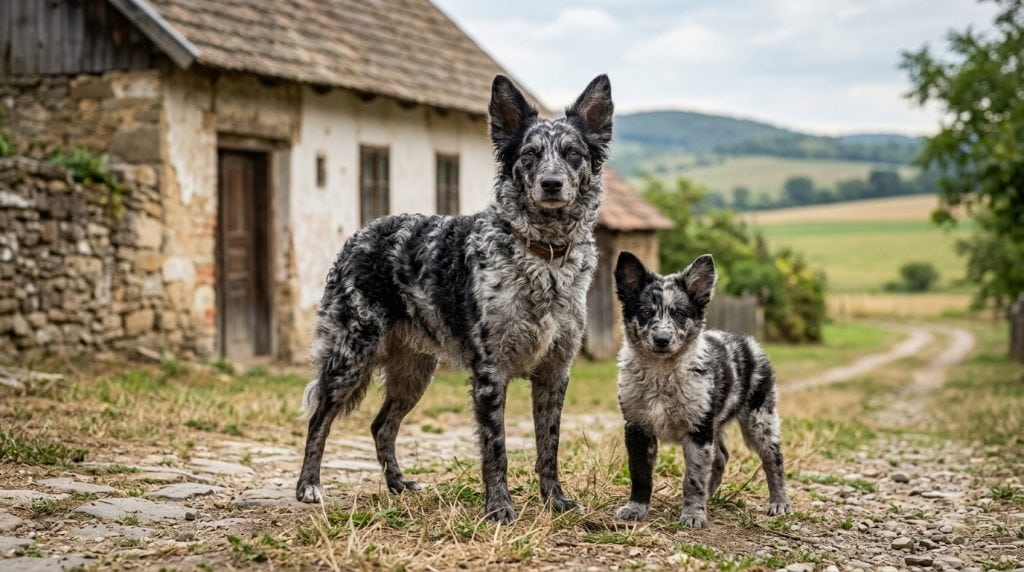
Mudis are energetic and highly intelligent working dogs known for their alert expression and quick reactions. Bred in Hungary as versatile herding dogs, they tend to thrive when given tasks, training, or active play. Many owners enjoy their enthusiasm for learning and the lively energy they bring into everyday life.
At a glance
Core care
- Size: Medium
- Energy: High
- Grooming: Low
- Shedding: Moderate
Support style
- Sensitivity: Moderate
- Training style: Willing
Breed guide
Choose a section to explore. These notes describe common patterns, but individual dogs vary widely.
The Mudi’s origins as a versatile herding dog in Hungary are deeply embedded in its character today. Originally bred to manage livestock, these dogs have developed a keen intelligence and a strong work ethic. This background means that many Mudis still exhibit a natural drive to herd and a desire to be active participants in family life.
Physically, the Mudi is a medium-sized dog with a distinctive, curly coat that is relatively low maintenance. Their athletic build supports their high energy levels, which is evident in their agility and speed. Owners often notice how their Mudi can quickly adapt to various activities, whether it’s a brisk walk, a game of fetch, or more structured agility training.
Temperamentally, Mudis are known for their alertness and responsiveness. They tend to form strong bonds with their families and are often quite protective. While they are generally friendly, they can be reserved with strangers, which reflects their herding instincts. Owners appreciate their loyalty and the way they often seem to understand their humans intuitively.
As with any breed, individual Mudis can vary in their behaviour and needs. While many thrive in active households, some may be more laid-back. It’s important for potential owners to consider their lifestyle and how a Mudi might fit into it, recognising that each dog is unique and will have its own personality and preferences.
Mudis are often noted for their social nature, which is rooted in their history as working dogs. They tend to be highly attuned to their human companions, often seeking out interaction and involvement in daily activities. This social inclination means they can be quite engaging and responsive, making them enjoyable companions for those who appreciate a dog that likes to be involved.
Their moderate sensitivity can mean they are quite perceptive of their owner’s moods and actions. This trait can be a double-edged sword; while it makes them excellent at picking up on training cues, it also means they may be sensitive to harsh corrections or chaotic environments. Owners often find that a calm, consistent approach works best with these dogs.
The Mudi’s willingness to learn is one of their most endearing qualities. They typically respond well to positive reinforcement and enjoy the mental stimulation that training provides. This willingness can make them quite adaptable, whether learning new commands or participating in complex tasks like agility or herding trials.
However, it’s essential to remember that while Mudis generally have these tendencies, each dog’s personality can vary. Some may be more independent, while others might be particularly clingy. Understanding and appreciating these individual differences can help owners build a strong, trusting relationship with their Mudi.
A typical day with a Mudi involves plenty of activity, reflecting their high energy levels. Owners often find themselves engaging in multiple walks, play sessions, and perhaps even some agility training. This breed thrives on physical activity, and regular exercise is crucial to their wellbeing.
In addition to physical exercise, Mudis benefit greatly from mental enrichment. Puzzle toys, scent games, and interactive play can help keep their intelligent minds engaged. Many owners find that incorporating training sessions into playtime helps satisfy their Mudi’s need for mental stimulation.
As Mudis age, their exercise needs may change, but they generally remain active throughout their lives. Puppies will require shorter, more frequent bursts of activity, while adult Mudis can handle longer sessions. Senior Mudis may slow down, but they still enjoy gentle walks and mental challenges.
It’s important for owners to avoid over-exercising young Mudis, as their growing joints can be sensitive. Balancing physical activity with mental challenges ensures a well-rounded routine that keeps a Mudi happy and healthy throughout its life stages.
Training a Mudi often feels like a collaborative effort, thanks to their eagerness to learn and engage. Owners frequently describe the process as rewarding, as these dogs are typically quick to pick up new commands and enjoy the interaction that training provides.
Positive reinforcement is key when training a Mudi. They respond well to treats, praise, and play, which can make training sessions enjoyable for both dog and owner. Consistency is crucial, as Mudis thrive on routine and clear communication.
During adolescence, some Mudis may test boundaries, which is a common phase for many breeds. Maintaining a calm and patient approach helps navigate this period. Providing consistent rules and engaging activities can help channel their energy positively.
Building a strong relationship based on trust and mutual respect is essential for training success. Owners often find that when they invest time in understanding their Mudi’s unique personality and motivations, they can create a harmonious and fulfilling partnership.
Mudis tend to thrive in environments where they can be active and involved. They often do well in homes with access to outdoor spaces, where they can run and play. However, they can also adapt to apartment living if their exercise needs are met with regular outings and activities.
Families often find that Mudis integrate well into their homes, enjoying the hustle and bustle of family life. They can be good with children, especially if they have been socialised from a young age. Their herding instincts may sometimes lead them to try to ‘herd’ family members, which can be managed with training.
When it comes to other pets, Mudis can coexist peacefully, particularly if introduced properly. Their social nature means they often enjoy the company of other dogs, though supervision is recommended during initial interactions.
Ultimately, the Mudi’s adaptability means they can fit into a variety of lifestyles, provided their need for activity and companionship is met. Prospective owners should consider their own lifestyle and how a Mudi might complement it, keeping in mind that each dog is an individual with unique needs.
The health of a Mudi is closely linked to their overall wellbeing and quality of life. Like any breed, they have specific health considerations that owners should be aware of to ensure their dog remains happy and healthy.
Mudis are generally robust dogs, but they can be prone to certain genetic conditions such as hip dysplasia and patellar luxation. Regular veterinary check-ups and maintaining a healthy weight can help manage these risks. Owners should also be vigilant for signs of discomfort or changes in behaviour that might indicate a health issue.
Preventive care, including vaccinations and regular parasite control, is essential for maintaining a Mudi’s health. A balanced diet and regular exercise also contribute to their overall wellbeing, supporting both their physical and mental health.
If any health concerns arise, seeking veterinary advice promptly is crucial. Early intervention can often prevent more serious issues from developing, ensuring that Mudis continue to lead active and fulfilling lives.
The Mudi’s history is deeply entwined with the rural landscapes of Hungary, where they were developed as versatile herding dogs. Their origins date back to the 19th century, when they were bred to manage livestock and protect farms. This working heritage has left a lasting impact on their character, evident in their intelligence and agility today.
Initially, Mudis were not recognised as a distinct breed but were valued for their ability to work independently and efficiently. Their skills in herding and guarding made them indispensable to farmers, and their versatility allowed them to adapt to various tasks.
Over time, the Mudi’s unique traits were recognised, leading to their establishment as a distinct breed. Their curly coat and keen expression became defining features, and their reputation as capable working dogs grew. Despite their working origins, Mudis have also found a place as beloved family companions, thanks to their loyal and engaging nature.
Today, the Mudi’s history as a hardworking and adaptable dog is still evident in their behaviour. Owners often appreciate their willingness to participate in various activities, from herding trials to family adventures, reflecting the breed’s rich heritage and enduring appeal.
What shapes individual dogs
- Early social experiences
- Training approach
- Environment & routine
- Genetics & breeding
- Health & pain
- Age / life stage
The Mudi’s origins as a versatile herding dog in Hungary are deeply embedded in its character today. Originally bred to manage livestock, these dogs have developed a keen intelligence and a strong work ethic. This background means that many Mudis still exhibit a natural drive to herd and a desire to be active participants in family life.
Physically, the Mudi is a medium-sized dog with a distinctive, curly coat that is relatively low maintenance. Their athletic build supports their high energy levels, which is evident in their agility and speed. Owners often notice how their Mudi can quickly adapt to various activities, whether it’s a brisk walk, a game of fetch, or more structured agility training.
Temperamentally, Mudis are known for their alertness and responsiveness. They tend to form strong bonds with their families and are often quite protective. While they are generally friendly, they can be reserved with strangers, which reflects their herding instincts. Owners appreciate their loyalty and the way they often seem to understand their humans intuitively.
As with any breed, individual Mudis can vary in their behaviour and needs. While many thrive in active households, some may be more laid-back. It’s important for potential owners to consider their lifestyle and how a Mudi might fit into it, recognising that each dog is unique and will have its own personality and preferences.
Mudis are often noted for their social nature, which is rooted in their history as working dogs. They tend to be highly attuned to their human companions, often seeking out interaction and involvement in daily activities. This social inclination means they can be quite engaging and responsive, making them enjoyable companions for those who appreciate a dog that likes to be involved.
Their moderate sensitivity can mean they are quite perceptive of their owner’s moods and actions. This trait can be a double-edged sword; while it makes them excellent at picking up on training cues, it also means they may be sensitive to harsh corrections or chaotic environments. Owners often find that a calm, consistent approach works best with these dogs.
The Mudi’s willingness to learn is one of their most endearing qualities. They typically respond well to positive reinforcement and enjoy the mental stimulation that training provides. This willingness can make them quite adaptable, whether learning new commands or participating in complex tasks like agility or herding trials.
However, it’s essential to remember that while Mudis generally have these tendencies, each dog’s personality can vary. Some may be more independent, while others might be particularly clingy. Understanding and appreciating these individual differences can help owners build a strong, trusting relationship with their Mudi.
A typical day with a Mudi involves plenty of activity, reflecting their high energy levels. Owners often find themselves engaging in multiple walks, play sessions, and perhaps even some agility training. This breed thrives on physical activity, and regular exercise is crucial to their wellbeing.
In addition to physical exercise, Mudis benefit greatly from mental enrichment. Puzzle toys, scent games, and interactive play can help keep their intelligent minds engaged. Many owners find that incorporating training sessions into playtime helps satisfy their Mudi’s need for mental stimulation.
As Mudis age, their exercise needs may change, but they generally remain active throughout their lives. Puppies will require shorter, more frequent bursts of activity, while adult Mudis can handle longer sessions. Senior Mudis may slow down, but they still enjoy gentle walks and mental challenges.
It’s important for owners to avoid over-exercising young Mudis, as their growing joints can be sensitive. Balancing physical activity with mental challenges ensures a well-rounded routine that keeps a Mudi happy and healthy throughout its life stages.
Training a Mudi often feels like a collaborative effort, thanks to their eagerness to learn and engage. Owners frequently describe the process as rewarding, as these dogs are typically quick to pick up new commands and enjoy the interaction that training provides.
Positive reinforcement is key when training a Mudi. They respond well to treats, praise, and play, which can make training sessions enjoyable for both dog and owner. Consistency is crucial, as Mudis thrive on routine and clear communication.
During adolescence, some Mudis may test boundaries, which is a common phase for many breeds. Maintaining a calm and patient approach helps navigate this period. Providing consistent rules and engaging activities can help channel their energy positively.
Building a strong relationship based on trust and mutual respect is essential for training success. Owners often find that when they invest time in understanding their Mudi’s unique personality and motivations, they can create a harmonious and fulfilling partnership.
Mudis tend to thrive in environments where they can be active and involved. They often do well in homes with access to outdoor spaces, where they can run and play. However, they can also adapt to apartment living if their exercise needs are met with regular outings and activities.
Families often find that Mudis integrate well into their homes, enjoying the hustle and bustle of family life. They can be good with children, especially if they have been socialised from a young age. Their herding instincts may sometimes lead them to try to ‘herd’ family members, which can be managed with training.
When it comes to other pets, Mudis can coexist peacefully, particularly if introduced properly. Their social nature means they often enjoy the company of other dogs, though supervision is recommended during initial interactions.
Ultimately, the Mudi’s adaptability means they can fit into a variety of lifestyles, provided their need for activity and companionship is met. Prospective owners should consider their own lifestyle and how a Mudi might complement it, keeping in mind that each dog is an individual with unique needs.
The health of a Mudi is closely linked to their overall wellbeing and quality of life. Like any breed, they have specific health considerations that owners should be aware of to ensure their dog remains happy and healthy.
Mudis are generally robust dogs, but they can be prone to certain genetic conditions such as hip dysplasia and patellar luxation. Regular veterinary check-ups and maintaining a healthy weight can help manage these risks. Owners should also be vigilant for signs of discomfort or changes in behaviour that might indicate a health issue.
Preventive care, including vaccinations and regular parasite control, is essential for maintaining a Mudi’s health. A balanced diet and regular exercise also contribute to their overall wellbeing, supporting both their physical and mental health.
If any health concerns arise, seeking veterinary advice promptly is crucial. Early intervention can often prevent more serious issues from developing, ensuring that Mudis continue to lead active and fulfilling lives.
The Mudi’s history is deeply entwined with the rural landscapes of Hungary, where they were developed as versatile herding dogs. Their origins date back to the 19th century, when they were bred to manage livestock and protect farms. This working heritage has left a lasting impact on their character, evident in their intelligence and agility today.
Initially, Mudis were not recognised as a distinct breed but were valued for their ability to work independently and efficiently. Their skills in herding and guarding made them indispensable to farmers, and their versatility allowed them to adapt to various tasks.
Over time, the Mudi’s unique traits were recognised, leading to their establishment as a distinct breed. Their curly coat and keen expression became defining features, and their reputation as capable working dogs grew. Despite their working origins, Mudis have also found a place as beloved family companions, thanks to their loyal and engaging nature.
Today, the Mudi’s history as a hardworking and adaptable dog is still evident in their behaviour. Owners often appreciate their willingness to participate in various activities, from herding trials to family adventures, reflecting the breed’s rich heritage and enduring appeal.
What shapes individual dogs
- Early social experiences
- Training approach
- Environment & routine
- Genetics & breeding
- Health & pain
- Age / life stage
Want support with this?
This course is perfect for Mudi owners looking to deepen their understanding of their dog's unique behaviour and social needs.