
Yakutian Laika
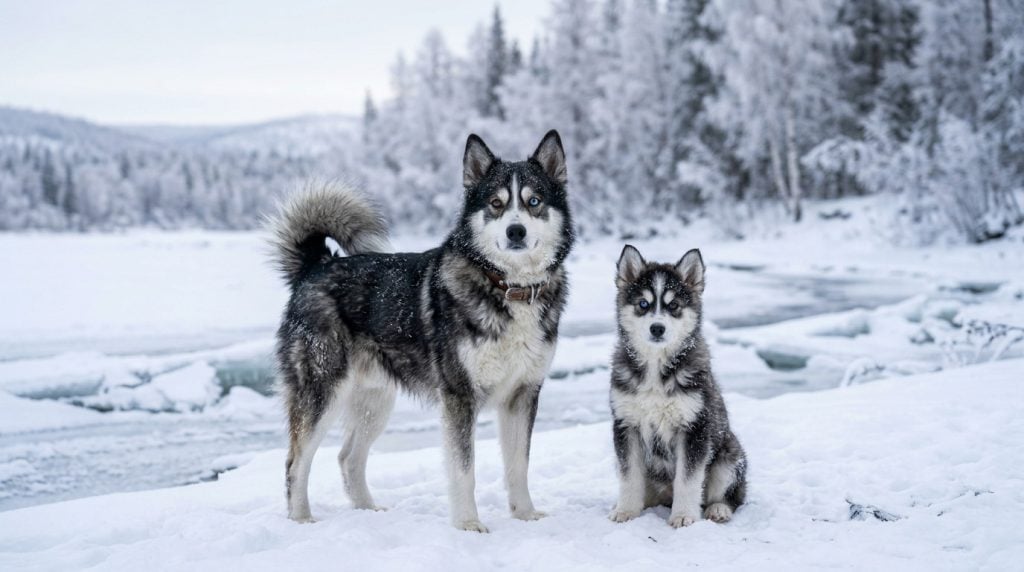
Yakutian Laikas are energetic northern working dogs known for their loyalty, resilience, and eagerness to stay active. Bred for life in the harsh climate of Siberia, they tend to thrive when given purpose, exercise, and regular interaction with their family. Many owners appreciate their alert nature and enthusiasm for outdoor activity.
At a glance
Core care
- Size: Medium
- Energy: High
- Grooming: Low
- Shedding: High
Support style
- Sensitivity: Moderate
- Training style: Willing
Breed guide
Choose a section to explore. These notes describe common patterns, but individual dogs vary widely.
The Yakutian Laika has its roots deeply embedded in the harsh, icy landscapes of Siberia, where it was originally bred by the indigenous Yakut people. These dogs were essential for survival, serving as sled dogs, hunters, and guardians. This working heritage is still evident in the breed today, as many Yakutian Laikas exhibit a strong drive to work and a keen sense of purpose. Their history as versatile working dogs contributes to their adaptability and resilience in various environments.
Physically, the Yakutian Laika is a medium-sized dog with a sturdy build, designed to withstand extreme cold. Their dense double coat is not just for show; it provides essential insulation against frigid temperatures. In everyday life, this means that owners should be prepared for a dog that enjoys outdoor activities, regardless of the weather. Their high shedding levels require regular grooming to keep their coat healthy and manage the inevitable fur around the home.
Temperamentally, Yakutian Laikas are known for their intelligence and eagerness to please, making them relatively easy to train. However, they also possess a certain independence, a trait likely honed from their days of working in the Siberian wilderness. Owners often notice their dog’s alertness and curiosity, as well as a strong protective instinct towards their family. While generally friendly, they can be reserved with strangers, reflecting their historical role as guardians.
As with any breed, individual Yakutian Laikas can vary widely in personality and behaviour. While some may be more outgoing and social, others might be more reserved and independent. Prospective owners should remember that each dog is unique, shaped by its genetics, upbringing, and environment. Understanding these nuances helps in fostering a fulfilling relationship with this remarkable breed.
Yakutian Laikas are often described by their owners as having a social and engaging nature. They tend to form strong bonds with their families, often displaying a sense of loyalty and protectiveness. This social inclination stems from their history as pack animals, where cooperation and companionship were essential for survival. As a result, many Yakutian Laikas enjoy being involved in family activities and can become quite attached to their human companions.
Their behaviour often reflects a balance between independence and a desire to please. While they are generally eager to learn and respond well to training, they can also exhibit a streak of independence, which may occasionally manifest as stubbornness. This duality means that consistent and positive training methods work best, encouraging their willingness to cooperate without stifling their natural curiosity and intelligence.
Sensitivity in Yakutian Laikas is moderate, which means they can be quite attuned to their owner’s emotions and environment. This can make them excellent companions, as they often pick up on subtle cues and respond accordingly. However, it also means that they may require gentle handling and a stable environment to thrive. Owners typically notice that their Yakutian Laika is quick to respond to changes in mood or routine, making them intuitive and responsive pets.
In terms of trainability, Yakutian Laikas are generally willing learners. Their intelligence and eagerness to please make them responsive to training, especially when it is engaging and rewarding. However, it is important to remember that each dog is an individual, and some may require more patience and creativity in training than others. Understanding and appreciating these behavioural tendencies can help foster a strong and harmonious relationship with this unique breed.
A typical day for a Yakutian Laika is filled with activity and engagement. These dogs have high energy levels and thrive on regular exercise, which is essential for their physical and mental well-being. Owners often find that a combination of long walks, play sessions, and opportunities to run freely in a safe environment helps to satisfy their dog’s need for movement. Without adequate exercise, a Yakutian Laika may become restless or develop unwanted behaviours.
Mental enrichment is just as important as physical exercise for this intelligent breed. Puzzle toys, scent games, and training sessions that challenge their minds can be highly beneficial. These activities not only keep them mentally stimulated but also help to strengthen the bond between dog and owner. Yakutian Laikas enjoy tasks that allow them to use their problem-solving skills, reflecting their working dog heritage.
As Yakutian Laikas mature, their exercise needs may change. Puppies and young dogs often require shorter, more frequent bursts of activity, while adults can handle longer, more sustained exercise. Senior dogs may slow down, but they still benefit from regular, gentle exercise to maintain their health and mobility. Owners should be attentive to their dog’s changing needs and adjust their routines accordingly.
It’s important to avoid over-exercising young Yakutian Laikas, as their growing bodies are still developing. Gradually increasing the intensity and duration of exercise as they mature helps prevent injury. Additionally, providing a variety of activities can prevent boredom and ensure that their exercise routine remains enjoyable and fulfilling. By understanding and meeting their exercise needs, owners can help their Yakutian Laika lead a happy and healthy life.
Training a Yakutian Laika can be a rewarding experience, often characterised by their willingness to learn and engage with their owners. These dogs are generally eager to please, which makes them responsive to positive reinforcement techniques. Owners often find that using treats, praise, and play as rewards helps to motivate their Yakutian Laika and build a strong training foundation.
Impulse control can be an area where Yakutian Laikas benefit from focused training. Their natural curiosity and energy can sometimes lead them to act impulsively, especially in stimulating environments. Teaching basic commands such as ‘sit’, ‘stay’, and ‘leave it’ can help manage these impulses and ensure they remain safe and well-behaved. Consistent training and clear communication are key to helping them understand what is expected.
Adolescence can present challenges for Yakutian Laika owners, as this is a time when dogs may test boundaries and exhibit more independent behaviour. Patience and consistency are crucial during this stage, as is maintaining a positive training environment. Continuing to reinforce good behaviour and providing plenty of mental and physical stimulation can help navigate this potentially tricky phase.
The relationship between a Yakutian Laika and its owner plays a significant role in successful training. Building trust and understanding through regular interaction and bonding activities can enhance the training process. Owners should approach training with a sense of empathy and patience, recognising that each dog is an individual with its own pace of learning. By fostering a positive and supportive training environment, owners can help their Yakutian Laika reach its full potential.
Yakutian Laikas tend to thrive in environments where they have plenty of space to move and explore. Homes with large gardens or access to open spaces suit their active nature well. While they can adapt to various living situations, including urban settings, they do best when their exercise and mental stimulation needs are met. Owners often find that a lifestyle that includes regular outdoor activities is ideal for this breed.
This breed’s social nature means they generally enjoy being part of a family. They can be good companions for children, often displaying patience and playfulness. However, as with any breed, interactions between dogs and young children should always be supervised to ensure safety for both parties. Yakutian Laikas can also coexist with other pets, especially if they are introduced to them from a young age.
Yakutian Laikas are known for their adaptability, but they do require an environment that can accommodate their energy levels. Owners who enjoy outdoor activities such as hiking, running, or even dog sports may find that a Yakutian Laika is a great match for their lifestyle. Their working dog background means they often appreciate having a job to do, whether that’s participating in agility, obedience, or simply being a part of family adventures.
It’s important for potential owners to consider their ability to meet the breed’s needs before bringing a Yakutian Laika into their home. While they are adaptable and can fit into various lifestyles, they require commitment in terms of time, training, and exercise. By understanding what this breed requires to thrive, owners can create a fulfilling and harmonious home environment for their Yakutian Laika.
The health and wellbeing of a Yakutian Laika are closely linked to their everyday care and lifestyle. Like all breeds, they can be prone to certain health issues, but with proper preventive care, many of these can be managed effectively. Regular veterinary check-ups, a balanced diet, and appropriate exercise are essential components of maintaining their health.
Common health considerations for Yakutian Laikas include hip dysplasia and eye conditions, which are not uncommon in medium-sized breeds. Regular screening and monitoring by a veterinarian can help catch these issues early, allowing for timely intervention. Owners should also be aware of any changes in their dog’s behaviour or physical condition, as these can be early indicators of health problems.
Preventive care plays a crucial role in keeping a Yakutian Laika healthy. This includes maintaining a regular vaccination schedule, parasite control, and dental hygiene. Regular brushing of their teeth and providing dental chews can help prevent dental disease, which is a common issue in dogs. Ensuring they have a nutritious diet tailored to their age, weight, and activity level also supports their overall health.
Owners should feel comfortable seeking veterinary advice whenever they have concerns about their Yakutian Laika’s health. Early intervention can often prevent minor issues from becoming major problems. By staying informed and proactive about their dog’s health, owners can help ensure their Yakutian Laika leads a long, healthy, and happy life.
The Yakutian Laika hails from the remote and frigid regions of Siberia, where it was developed by the indigenous Yakut people. This breed was integral to the survival of these communities, serving as a versatile working dog capable of herding, hunting, and pulling sleds. The harsh conditions of Siberia required a dog that was not only resilient but also intelligent and cooperative, traits that are still evident in the breed today.
Originally, the Yakutian Laika was bred to work in packs, which necessitated a strong sense of social cohesion and teamwork. This background explains their modern-day tendency to form close bonds with their families and their ability to work well with other dogs. Their history as sled dogs also contributes to their high energy levels and need for regular exercise, as they were accustomed to covering vast distances in challenging conditions.
Over time, the Yakutian Laika’s role expanded beyond work, becoming a valued companion to the Yakut people. Their adaptability and versatility made them well-suited to various tasks, from hunting to guarding. This multifaceted background is reflected in their modern temperament, which combines independence with a desire to please and protect their family.
Today, the Yakutian Laika is gaining recognition outside of its native region, appreciated for its unique blend of working ability and companionship. Understanding the breed’s origins and historical roles helps explain many of the traits owners see today, such as their loyalty, intelligence, and energy. By recognising the breed’s rich history, owners can better appreciate the qualities that make the Yakutian Laika a distinctive and rewarding companion.
What shapes individual dogs
- Early social experiences
- Training approach
- Environment & routine
- Genetics & breeding
- Health & pain
- Age / life stage
The Yakutian Laika has its roots deeply embedded in the harsh, icy landscapes of Siberia, where it was originally bred by the indigenous Yakut people. These dogs were essential for survival, serving as sled dogs, hunters, and guardians. This working heritage is still evident in the breed today, as many Yakutian Laikas exhibit a strong drive to work and a keen sense of purpose. Their history as versatile working dogs contributes to their adaptability and resilience in various environments.
Physically, the Yakutian Laika is a medium-sized dog with a sturdy build, designed to withstand extreme cold. Their dense double coat is not just for show; it provides essential insulation against frigid temperatures. In everyday life, this means that owners should be prepared for a dog that enjoys outdoor activities, regardless of the weather. Their high shedding levels require regular grooming to keep their coat healthy and manage the inevitable fur around the home.
Temperamentally, Yakutian Laikas are known for their intelligence and eagerness to please, making them relatively easy to train. However, they also possess a certain independence, a trait likely honed from their days of working in the Siberian wilderness. Owners often notice their dog’s alertness and curiosity, as well as a strong protective instinct towards their family. While generally friendly, they can be reserved with strangers, reflecting their historical role as guardians.
As with any breed, individual Yakutian Laikas can vary widely in personality and behaviour. While some may be more outgoing and social, others might be more reserved and independent. Prospective owners should remember that each dog is unique, shaped by its genetics, upbringing, and environment. Understanding these nuances helps in fostering a fulfilling relationship with this remarkable breed.
Yakutian Laikas are often described by their owners as having a social and engaging nature. They tend to form strong bonds with their families, often displaying a sense of loyalty and protectiveness. This social inclination stems from their history as pack animals, where cooperation and companionship were essential for survival. As a result, many Yakutian Laikas enjoy being involved in family activities and can become quite attached to their human companions.
Their behaviour often reflects a balance between independence and a desire to please. While they are generally eager to learn and respond well to training, they can also exhibit a streak of independence, which may occasionally manifest as stubbornness. This duality means that consistent and positive training methods work best, encouraging their willingness to cooperate without stifling their natural curiosity and intelligence.
Sensitivity in Yakutian Laikas is moderate, which means they can be quite attuned to their owner’s emotions and environment. This can make them excellent companions, as they often pick up on subtle cues and respond accordingly. However, it also means that they may require gentle handling and a stable environment to thrive. Owners typically notice that their Yakutian Laika is quick to respond to changes in mood or routine, making them intuitive and responsive pets.
In terms of trainability, Yakutian Laikas are generally willing learners. Their intelligence and eagerness to please make them responsive to training, especially when it is engaging and rewarding. However, it is important to remember that each dog is an individual, and some may require more patience and creativity in training than others. Understanding and appreciating these behavioural tendencies can help foster a strong and harmonious relationship with this unique breed.
A typical day for a Yakutian Laika is filled with activity and engagement. These dogs have high energy levels and thrive on regular exercise, which is essential for their physical and mental well-being. Owners often find that a combination of long walks, play sessions, and opportunities to run freely in a safe environment helps to satisfy their dog’s need for movement. Without adequate exercise, a Yakutian Laika may become restless or develop unwanted behaviours.
Mental enrichment is just as important as physical exercise for this intelligent breed. Puzzle toys, scent games, and training sessions that challenge their minds can be highly beneficial. These activities not only keep them mentally stimulated but also help to strengthen the bond between dog and owner. Yakutian Laikas enjoy tasks that allow them to use their problem-solving skills, reflecting their working dog heritage.
As Yakutian Laikas mature, their exercise needs may change. Puppies and young dogs often require shorter, more frequent bursts of activity, while adults can handle longer, more sustained exercise. Senior dogs may slow down, but they still benefit from regular, gentle exercise to maintain their health and mobility. Owners should be attentive to their dog’s changing needs and adjust their routines accordingly.
It’s important to avoid over-exercising young Yakutian Laikas, as their growing bodies are still developing. Gradually increasing the intensity and duration of exercise as they mature helps prevent injury. Additionally, providing a variety of activities can prevent boredom and ensure that their exercise routine remains enjoyable and fulfilling. By understanding and meeting their exercise needs, owners can help their Yakutian Laika lead a happy and healthy life.
Training a Yakutian Laika can be a rewarding experience, often characterised by their willingness to learn and engage with their owners. These dogs are generally eager to please, which makes them responsive to positive reinforcement techniques. Owners often find that using treats, praise, and play as rewards helps to motivate their Yakutian Laika and build a strong training foundation.
Impulse control can be an area where Yakutian Laikas benefit from focused training. Their natural curiosity and energy can sometimes lead them to act impulsively, especially in stimulating environments. Teaching basic commands such as ‘sit’, ‘stay’, and ‘leave it’ can help manage these impulses and ensure they remain safe and well-behaved. Consistent training and clear communication are key to helping them understand what is expected.
Adolescence can present challenges for Yakutian Laika owners, as this is a time when dogs may test boundaries and exhibit more independent behaviour. Patience and consistency are crucial during this stage, as is maintaining a positive training environment. Continuing to reinforce good behaviour and providing plenty of mental and physical stimulation can help navigate this potentially tricky phase.
The relationship between a Yakutian Laika and its owner plays a significant role in successful training. Building trust and understanding through regular interaction and bonding activities can enhance the training process. Owners should approach training with a sense of empathy and patience, recognising that each dog is an individual with its own pace of learning. By fostering a positive and supportive training environment, owners can help their Yakutian Laika reach its full potential.
Yakutian Laikas tend to thrive in environments where they have plenty of space to move and explore. Homes with large gardens or access to open spaces suit their active nature well. While they can adapt to various living situations, including urban settings, they do best when their exercise and mental stimulation needs are met. Owners often find that a lifestyle that includes regular outdoor activities is ideal for this breed.
This breed’s social nature means they generally enjoy being part of a family. They can be good companions for children, often displaying patience and playfulness. However, as with any breed, interactions between dogs and young children should always be supervised to ensure safety for both parties. Yakutian Laikas can also coexist with other pets, especially if they are introduced to them from a young age.
Yakutian Laikas are known for their adaptability, but they do require an environment that can accommodate their energy levels. Owners who enjoy outdoor activities such as hiking, running, or even dog sports may find that a Yakutian Laika is a great match for their lifestyle. Their working dog background means they often appreciate having a job to do, whether that’s participating in agility, obedience, or simply being a part of family adventures.
It’s important for potential owners to consider their ability to meet the breed’s needs before bringing a Yakutian Laika into their home. While they are adaptable and can fit into various lifestyles, they require commitment in terms of time, training, and exercise. By understanding what this breed requires to thrive, owners can create a fulfilling and harmonious home environment for their Yakutian Laika.
The health and wellbeing of a Yakutian Laika are closely linked to their everyday care and lifestyle. Like all breeds, they can be prone to certain health issues, but with proper preventive care, many of these can be managed effectively. Regular veterinary check-ups, a balanced diet, and appropriate exercise are essential components of maintaining their health.
Common health considerations for Yakutian Laikas include hip dysplasia and eye conditions, which are not uncommon in medium-sized breeds. Regular screening and monitoring by a veterinarian can help catch these issues early, allowing for timely intervention. Owners should also be aware of any changes in their dog’s behaviour or physical condition, as these can be early indicators of health problems.
Preventive care plays a crucial role in keeping a Yakutian Laika healthy. This includes maintaining a regular vaccination schedule, parasite control, and dental hygiene. Regular brushing of their teeth and providing dental chews can help prevent dental disease, which is a common issue in dogs. Ensuring they have a nutritious diet tailored to their age, weight, and activity level also supports their overall health.
Owners should feel comfortable seeking veterinary advice whenever they have concerns about their Yakutian Laika’s health. Early intervention can often prevent minor issues from becoming major problems. By staying informed and proactive about their dog’s health, owners can help ensure their Yakutian Laika leads a long, healthy, and happy life.
The Yakutian Laika hails from the remote and frigid regions of Siberia, where it was developed by the indigenous Yakut people. This breed was integral to the survival of these communities, serving as a versatile working dog capable of herding, hunting, and pulling sleds. The harsh conditions of Siberia required a dog that was not only resilient but also intelligent and cooperative, traits that are still evident in the breed today.
Originally, the Yakutian Laika was bred to work in packs, which necessitated a strong sense of social cohesion and teamwork. This background explains their modern-day tendency to form close bonds with their families and their ability to work well with other dogs. Their history as sled dogs also contributes to their high energy levels and need for regular exercise, as they were accustomed to covering vast distances in challenging conditions.
Over time, the Yakutian Laika’s role expanded beyond work, becoming a valued companion to the Yakut people. Their adaptability and versatility made them well-suited to various tasks, from hunting to guarding. This multifaceted background is reflected in their modern temperament, which combines independence with a desire to please and protect their family.
Today, the Yakutian Laika is gaining recognition outside of its native region, appreciated for its unique blend of working ability and companionship. Understanding the breed’s origins and historical roles helps explain many of the traits owners see today, such as their loyalty, intelligence, and energy. By recognising the breed’s rich history, owners can better appreciate the qualities that make the Yakutian Laika a distinctive and rewarding companion.
What shapes individual dogs
- Early social experiences
- Training approach
- Environment & routine
- Genetics & breeding
- Health & pain
- Age / life stage
Want support with this?
This course is helpful for understanding the Yakutian Laika's complex temperament and behaviour nuances.