
Welsh Springer Spaniel
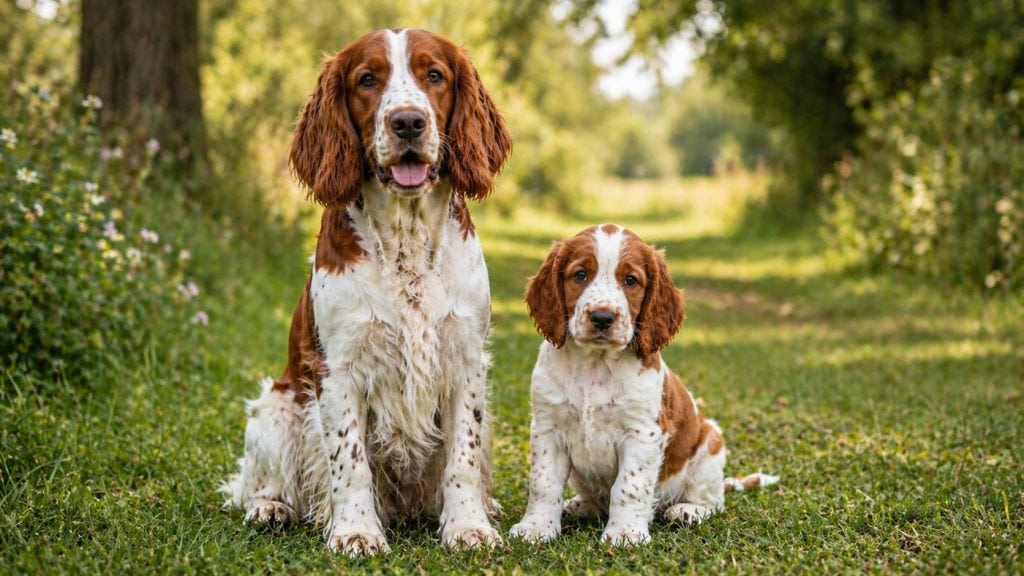
Welsh Springer Spaniels are affectionate, energetic gundogs known for their strong bond with their families. Bred to work closely with hunters, they tend to thrive when they can stay active and involved in daily life. Many owners appreciate their loyal nature and enthusiasm for outdoor activities.
At a glance
Core care
- Size: Medium
- Energy: Moderate to high
- Grooming: Low
- Shedding: Moderate
Support style
- Sensitivity: High
- Training style: Willing
Breed guide
Choose a section to explore. These notes describe common patterns, but individual dogs vary widely.
The Welsh Springer Spaniel’s origins as a gundog are deeply woven into its modern-day character. Historically, these dogs were bred to work closely with hunters, flushing game from dense underbrush and retrieving it with care. This background explains their strong desire to be active and engaged, often seen in their enthusiasm for outdoor activities and their keen sense of smell. Today, Welsh Springers retain that working drive, making them energetic companions who appreciate having a job to do.
Physically, the Welsh Springer Spaniel is a medium-sized dog with a distinctive red and white coat that is both striking and functional. Their coat is designed to protect them from the elements, allowing them to work in various terrains. In everyday life, owners often notice that their coat requires regular grooming to keep it looking its best and to manage moderate shedding. Their athletic build supports their love for exercise, making them well-suited for active families.
Temperamentally, Welsh Springers are known for their affectionate and loyal nature. They tend to form strong bonds with their families, often showing a preference for being close to their loved ones. This can manifest as following family members around the house or eagerly participating in family activities. While they are generally friendly, some Welsh Springers may be reserved with strangers, requiring gentle introductions to new people and environments.
As with any breed, individual Welsh Springer Spaniels can vary in their behaviour and needs. While many are energetic and sociable, others may be more laid-back or independent. It’s important for potential owners to understand that while breed traits provide a general guide, each dog is unique and shaped by their genetics, upbringing, and environment.
Welsh Springer Spaniels are often described as affectionate and eager to please, making them delightful companions for many families. Their social nature means they typically enjoy being around people and other dogs, often seeking out interactions and playtime. This breed tends to thrive in environments where they can be part of the action, whether that’s joining in on a family hike or simply lounging in the same room as their owners.
The breed’s high sensitivity can mean that they are quite attuned to their owner’s emotions and routines. Many owners notice that their Welsh Springer seems to pick up on subtle cues, often responding with comforting presence or playful distraction. This sensitivity also means they respond well to gentle, consistent training methods that focus on positive reinforcement rather than harsh corrections.
Trainability is another hallmark of the Welsh Springer Spaniel. Their willingness to learn and cooperate can make training a rewarding experience for both the dog and the owner. However, their sensitive nature means that they may become easily overwhelmed by harsh or inconsistent training approaches. Owners often find that patience and encouragement yield the best results, helping their dog to develop confidence and trust.
Despite their generally friendly and cooperative nature, individual Welsh Springers can vary in their behaviour. Some may be more reserved or cautious, particularly with strangers, while others are outgoing and sociable. Understanding and respecting these individual differences is key to building a strong, trusting relationship with a Welsh Springer Spaniel.
A typical day for a Welsh Springer Spaniel often involves a good mix of physical activity and mental stimulation. These dogs have a moderate to high energy level, which means they usually need more than just a quick walk around the block. Owners often find that a combination of brisk walks, play sessions, and perhaps a bit of agility or obedience training helps keep their Welsh Springer happy and healthy.
Physical exercise is crucial for this breed, given their working dog heritage. Activities like hiking, running, or playing fetch can be particularly enjoyable for them. Many Welsh Springers also enjoy swimming, which can be a great way to burn off energy while being gentle on their joints. As they age, their exercise needs may decrease slightly, but they will still appreciate regular outings and opportunities to stretch their legs.
Mental enrichment is equally important for the Welsh Springer Spaniel. Puzzle toys, scent games, and training exercises can help keep their minds sharp and engaged. Owners often notice that their dogs are happiest when they have a job to do or a challenge to solve. It’s important to vary these activities to prevent boredom and to cater to their intelligent, curious nature.
While they are active dogs, it’s important not to overdo it, especially with young puppies whose joints are still developing. Gradually increasing the intensity and duration of exercise as the dog matures is a sensible approach. Owners should also be mindful of their dog’s individual limits and adjust activities accordingly to ensure they remain a healthy and happy companion throughout their life.
Training a Welsh Springer Spaniel often feels like a cooperative partnership. These dogs are generally eager to learn and respond well to positive reinforcement techniques. Owners typically find that using treats, praise, and play as rewards helps to motivate their Welsh Springer and encourages them to engage in training sessions with enthusiasm.
Impulse control can be an area where Welsh Springers require some guidance, especially during their adolescent phase. Their natural curiosity and energy can sometimes lead them to act impulsively, so consistent training from a young age is beneficial. Teaching basic commands and gradually introducing more complex tasks can help channel their energy into positive behaviours.
Adolescence can be a challenging time for many breeds, and the Welsh Springer Spaniel is no exception. During this period, they may test boundaries and show increased independence. Maintaining a routine and continuing with regular training sessions can help navigate this stage successfully. Owners often find that patience and understanding go a long way in helping their dog transition smoothly into adulthood.
The relationship between a Welsh Springer and their owner is central to successful training. Building trust and mutual respect is key, as these dogs are sensitive and can become anxious if they feel misunderstood or pressured. By focusing on a positive, supportive approach, owners can help their Welsh Springer Spaniel become a well-mannered and confident companion.
Welsh Springer Spaniels tend to thrive in homes where they can be active participants in family life. Their moderate to high energy levels mean they often do well in environments that offer plenty of opportunities for exercise and play. Homes with secure gardens or access to parks can provide the ideal setting for these lively dogs to burn off energy.
Owners often find that Welsh Springers integrate well into family life, especially in households where they can be involved in daily activities. They are generally good with children, enjoying playtime and forming strong bonds with younger family members. However, as with any breed, interactions between dogs and children should be supervised to ensure safety and mutual respect.
When it comes to other pets, Welsh Springer Spaniels can be quite sociable, often getting along well with other dogs. Early socialisation is important to help them develop positive relationships with other animals. Their hunting background means they may have a strong prey drive, so care should be taken when introducing them to smaller pets.
While they are adaptable, Welsh Springers may not be the best fit for homes where they are left alone for long periods. They thrive on companionship and can become anxious or bored if isolated. Prospective owners should consider their lifestyle and ensure they have the time and resources to meet the needs of this affectionate and active breed.
The health of a Welsh Springer Spaniel is closely tied to their overall wellbeing and quality of life. Like all breeds, they have specific health considerations that owners should be aware of to ensure their dog remains healthy and happy. Regular veterinary check-ups and preventive care are essential components of responsible ownership.
Some health issues that can affect Welsh Springers include hip dysplasia, eye conditions, and ear infections. Being proactive about their health, such as maintaining a healthy weight and monitoring for any signs of discomfort, can help manage these risks. Regular exercise and a balanced diet also play a crucial role in maintaining their health.
Owners should be attentive to changes in their dog’s behaviour, as these can sometimes indicate underlying health issues. For example, reluctance to exercise or changes in appetite could be signs that something is amiss. Early detection and intervention are key, so consulting a vet if any concerns arise is important.
Overall, with the right care and attention, Welsh Springer Spaniels can enjoy a long and healthy life. Understanding their health needs and being proactive about their care can help ensure that they remain a lively and loving part of the family for many years.
The history of the Welsh Springer Spaniel is rich and deeply connected to its role as a gundog. Originating in Wales, these dogs were bred for their ability to work closely with hunters, flushing and retrieving game in the challenging terrains of the Welsh countryside. Their keen sense of smell and strong work ethic made them invaluable companions for hunters.
The breed’s development was shaped by the need for a versatile and resilient dog capable of working in various environments. This history explains many of the traits seen in Welsh Springers today, such as their energy, intelligence, and eagerness to please. These dogs were expected to be both independent in the field and cooperative with their handlers, a balance that is still evident in their temperament.
Over time, the Welsh Springer Spaniel gained recognition beyond Wales, appreciated for their distinctive red and white coat and their friendly, loyal nature. They were officially recognised as a distinct breed in the early 20th century, separating them from their English Springer Spaniel cousins. This recognition helped preserve their unique characteristics and ensured their continued popularity among dog enthusiasts.
Today, the Welsh Springer Spaniel is cherished not only for its working abilities but also as a loving family companion. Their history as a hardworking gundog continues to influence their behaviour, making them energetic and enthusiastic dogs who enjoy being active and involved in family life.
What shapes individual dogs
- Early social experiences
- Training approach
- Environment & routine
- Genetics & breeding
- Health & pain
- Age / life stage
The Welsh Springer Spaniel’s origins as a gundog are deeply woven into its modern-day character. Historically, these dogs were bred to work closely with hunters, flushing game from dense underbrush and retrieving it with care. This background explains their strong desire to be active and engaged, often seen in their enthusiasm for outdoor activities and their keen sense of smell. Today, Welsh Springers retain that working drive, making them energetic companions who appreciate having a job to do.
Physically, the Welsh Springer Spaniel is a medium-sized dog with a distinctive red and white coat that is both striking and functional. Their coat is designed to protect them from the elements, allowing them to work in various terrains. In everyday life, owners often notice that their coat requires regular grooming to keep it looking its best and to manage moderate shedding. Their athletic build supports their love for exercise, making them well-suited for active families.
Temperamentally, Welsh Springers are known for their affectionate and loyal nature. They tend to form strong bonds with their families, often showing a preference for being close to their loved ones. This can manifest as following family members around the house or eagerly participating in family activities. While they are generally friendly, some Welsh Springers may be reserved with strangers, requiring gentle introductions to new people and environments.
As with any breed, individual Welsh Springer Spaniels can vary in their behaviour and needs. While many are energetic and sociable, others may be more laid-back or independent. It’s important for potential owners to understand that while breed traits provide a general guide, each dog is unique and shaped by their genetics, upbringing, and environment.
Welsh Springer Spaniels are often described as affectionate and eager to please, making them delightful companions for many families. Their social nature means they typically enjoy being around people and other dogs, often seeking out interactions and playtime. This breed tends to thrive in environments where they can be part of the action, whether that’s joining in on a family hike or simply lounging in the same room as their owners.
The breed’s high sensitivity can mean that they are quite attuned to their owner’s emotions and routines. Many owners notice that their Welsh Springer seems to pick up on subtle cues, often responding with comforting presence or playful distraction. This sensitivity also means they respond well to gentle, consistent training methods that focus on positive reinforcement rather than harsh corrections.
Trainability is another hallmark of the Welsh Springer Spaniel. Their willingness to learn and cooperate can make training a rewarding experience for both the dog and the owner. However, their sensitive nature means that they may become easily overwhelmed by harsh or inconsistent training approaches. Owners often find that patience and encouragement yield the best results, helping their dog to develop confidence and trust.
Despite their generally friendly and cooperative nature, individual Welsh Springers can vary in their behaviour. Some may be more reserved or cautious, particularly with strangers, while others are outgoing and sociable. Understanding and respecting these individual differences is key to building a strong, trusting relationship with a Welsh Springer Spaniel.
A typical day for a Welsh Springer Spaniel often involves a good mix of physical activity and mental stimulation. These dogs have a moderate to high energy level, which means they usually need more than just a quick walk around the block. Owners often find that a combination of brisk walks, play sessions, and perhaps a bit of agility or obedience training helps keep their Welsh Springer happy and healthy.
Physical exercise is crucial for this breed, given their working dog heritage. Activities like hiking, running, or playing fetch can be particularly enjoyable for them. Many Welsh Springers also enjoy swimming, which can be a great way to burn off energy while being gentle on their joints. As they age, their exercise needs may decrease slightly, but they will still appreciate regular outings and opportunities to stretch their legs.
Mental enrichment is equally important for the Welsh Springer Spaniel. Puzzle toys, scent games, and training exercises can help keep their minds sharp and engaged. Owners often notice that their dogs are happiest when they have a job to do or a challenge to solve. It’s important to vary these activities to prevent boredom and to cater to their intelligent, curious nature.
While they are active dogs, it’s important not to overdo it, especially with young puppies whose joints are still developing. Gradually increasing the intensity and duration of exercise as the dog matures is a sensible approach. Owners should also be mindful of their dog’s individual limits and adjust activities accordingly to ensure they remain a healthy and happy companion throughout their life.
Training a Welsh Springer Spaniel often feels like a cooperative partnership. These dogs are generally eager to learn and respond well to positive reinforcement techniques. Owners typically find that using treats, praise, and play as rewards helps to motivate their Welsh Springer and encourages them to engage in training sessions with enthusiasm.
Impulse control can be an area where Welsh Springers require some guidance, especially during their adolescent phase. Their natural curiosity and energy can sometimes lead them to act impulsively, so consistent training from a young age is beneficial. Teaching basic commands and gradually introducing more complex tasks can help channel their energy into positive behaviours.
Adolescence can be a challenging time for many breeds, and the Welsh Springer Spaniel is no exception. During this period, they may test boundaries and show increased independence. Maintaining a routine and continuing with regular training sessions can help navigate this stage successfully. Owners often find that patience and understanding go a long way in helping their dog transition smoothly into adulthood.
The relationship between a Welsh Springer and their owner is central to successful training. Building trust and mutual respect is key, as these dogs are sensitive and can become anxious if they feel misunderstood or pressured. By focusing on a positive, supportive approach, owners can help their Welsh Springer Spaniel become a well-mannered and confident companion.
Welsh Springer Spaniels tend to thrive in homes where they can be active participants in family life. Their moderate to high energy levels mean they often do well in environments that offer plenty of opportunities for exercise and play. Homes with secure gardens or access to parks can provide the ideal setting for these lively dogs to burn off energy.
Owners often find that Welsh Springers integrate well into family life, especially in households where they can be involved in daily activities. They are generally good with children, enjoying playtime and forming strong bonds with younger family members. However, as with any breed, interactions between dogs and children should be supervised to ensure safety and mutual respect.
When it comes to other pets, Welsh Springer Spaniels can be quite sociable, often getting along well with other dogs. Early socialisation is important to help them develop positive relationships with other animals. Their hunting background means they may have a strong prey drive, so care should be taken when introducing them to smaller pets.
While they are adaptable, Welsh Springers may not be the best fit for homes where they are left alone for long periods. They thrive on companionship and can become anxious or bored if isolated. Prospective owners should consider their lifestyle and ensure they have the time and resources to meet the needs of this affectionate and active breed.
The health of a Welsh Springer Spaniel is closely tied to their overall wellbeing and quality of life. Like all breeds, they have specific health considerations that owners should be aware of to ensure their dog remains healthy and happy. Regular veterinary check-ups and preventive care are essential components of responsible ownership.
Some health issues that can affect Welsh Springers include hip dysplasia, eye conditions, and ear infections. Being proactive about their health, such as maintaining a healthy weight and monitoring for any signs of discomfort, can help manage these risks. Regular exercise and a balanced diet also play a crucial role in maintaining their health.
Owners should be attentive to changes in their dog’s behaviour, as these can sometimes indicate underlying health issues. For example, reluctance to exercise or changes in appetite could be signs that something is amiss. Early detection and intervention are key, so consulting a vet if any concerns arise is important.
Overall, with the right care and attention, Welsh Springer Spaniels can enjoy a long and healthy life. Understanding their health needs and being proactive about their care can help ensure that they remain a lively and loving part of the family for many years.
The history of the Welsh Springer Spaniel is rich and deeply connected to its role as a gundog. Originating in Wales, these dogs were bred for their ability to work closely with hunters, flushing and retrieving game in the challenging terrains of the Welsh countryside. Their keen sense of smell and strong work ethic made them invaluable companions for hunters.
The breed’s development was shaped by the need for a versatile and resilient dog capable of working in various environments. This history explains many of the traits seen in Welsh Springers today, such as their energy, intelligence, and eagerness to please. These dogs were expected to be both independent in the field and cooperative with their handlers, a balance that is still evident in their temperament.
Over time, the Welsh Springer Spaniel gained recognition beyond Wales, appreciated for their distinctive red and white coat and their friendly, loyal nature. They were officially recognised as a distinct breed in the early 20th century, separating them from their English Springer Spaniel cousins. This recognition helped preserve their unique characteristics and ensured their continued popularity among dog enthusiasts.
Today, the Welsh Springer Spaniel is cherished not only for its working abilities but also as a loving family companion. Their history as a hardworking gundog continues to influence their behaviour, making them energetic and enthusiastic dogs who enjoy being active and involved in family life.
What shapes individual dogs
- Early social experiences
- Training approach
- Environment & routine
- Genetics & breeding
- Health & pain
- Age / life stage
Want support with this?
This course can help owners understand the sensitive and social nature of their Welsh Springer Spaniel, enhancing their bond and communication.