
Small Munsterlander Pointer
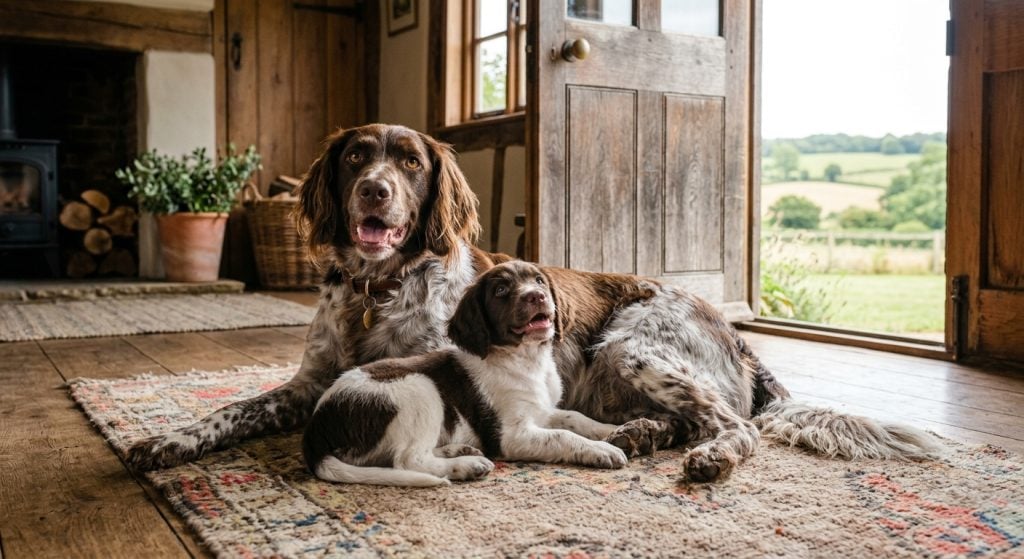
Small Munsterlander Pointers are energetic and affectionate gundogs known for their strong bond with their families. Bred to work closely with hunters, they tend to thrive when they can stay active and involved in daily life. Many owners appreciate their enthusiasm for outdoor adventures and their cooperative nature during training.
At a glance
Core care
- Size: Medium
- Energy: High
- Grooming: Low
- Shedding: Moderate
Support style
- Sensitivity: High
- Training style: Willing
Breed guide
Choose a section to explore. These notes describe common patterns, but individual dogs vary widely.
The Small Munsterlander Pointer traces its roots back to the hunting fields of Germany, where it was developed as a versatile gundog. This breed was crafted to work closely with hunters, excelling in pointing and retrieving game. Today, these dogs still carry the legacy of their working past, often displaying a natural inclination for outdoor activities and a strong desire to please their human companions. This historical context helps explain their energetic and cooperative nature.
Physically, the Small Munsterlander Pointer is a medium-sized dog with a well-balanced build that supports its active lifestyle. Their coat is typically medium-length and dense, providing protection against the elements during outdoor excursions. Owners often notice their dog’s athleticism and agility, which are not just remnants of their hunting heritage but practical traits that make them excellent companions for hiking and other physical activities. Their expressive eyes and alert ears add to their charming appearance, making them both functional and endearing.
Temperamentally, Small Munsterlanders are known for their friendly and sociable nature. They tend to form strong bonds with their families and often enjoy being part of the household’s daily routines. While they are generally good-natured, individual dogs may vary in their level of independence and sensitivity. Some may be more reserved around strangers, while others are immediately welcoming. This variability means that owners often find their Munsterlander to be a unique blend of traits that fit their specific lifestyle.
Prospective owners should be prepared for a dog that thrives on activity and companionship. While they are generally adaptable, Small Munsterlanders do best in environments where they can engage both physically and mentally. It’s important to remember that, like all breeds, individual differences exist, and factors such as upbringing, training, and environment play significant roles in shaping each dog’s personality and behaviour.
Many owners of Small Munsterlander Pointers notice their dog’s eagerness to be part of the family action. These dogs are inherently social, often displaying a desire to be involved in whatever their humans are doing. This social nature is a reflection of their history as cooperative hunting partners, where working closely with people was essential. In everyday life, this means they often prefer not to be left alone for long periods, thriving in environments where they can interact regularly with their family.
Their high sensitivity is another trait that stands out, making them particularly attuned to the emotions and actions of those around them. This sensitivity can be a double-edged sword; while it can lead to a deep bond with their owners, it also means they may be more affected by changes in their environment or routine. Owners often find that a calm and consistent approach helps these dogs feel secure and confident.
The trainability of the Small Munsterlander is generally high, with many dogs showing a willingness to learn and please. This makes training sessions a positive experience for both dog and owner, as long as the methods used are gentle and encouraging. Harsh training techniques are not well-suited to this breed, as their sensitive nature responds better to positive reinforcement and patience.
Overall, living with a Small Munsterlander Pointer means embracing their social and sensitive nature. They often thrive in homes where they can be active participants in family life, and where their need for companionship and mental stimulation is met. While they are generally adaptable, understanding their unique temperament tendencies helps ensure a harmonious relationship between dog and owner.
A typical day for a Small Munsterlander Pointer involves plenty of physical activity and mental stimulation. These dogs are high-energy and require regular exercise to keep them happy and healthy. Owners often find that long walks, runs, or hikes are essential parts of their daily routine. Engaging in activities like fetch or agility can also be beneficial, providing both physical and mental challenges that keep them engaged and satisfied.
In addition to physical exercise, mental enrichment is crucial for this intelligent breed. Puzzle toys, scent games, and training sessions can help keep their minds sharp and prevent boredom. Owners often notice that their Munsterlander thrives when given tasks that require problem-solving or learning new skills. These activities tap into their natural instincts and provide a sense of purpose.
As these dogs age, their exercise needs may change. While young Munsterlanders might seem tireless, older dogs may require less intense activity but still benefit from regular walks and mental engagement. It’s important to adjust their routine as they age to ensure they remain healthy and content without overexertion.
Owners should be mindful of not over-exercising young puppies, as their developing joints can be sensitive to too much strain. Gradually increasing activity levels as the dog matures is a good strategy. Overall, providing a balanced mix of physical and mental activities helps ensure a well-rounded and content Small Munsterlander Pointer.
Training a Small Munsterlander Pointer often feels like a rewarding journey for both the dog and the owner. These dogs are typically eager to learn and respond well to positive reinforcement techniques. Many owners find that their Munsterlander quickly picks up new commands and enjoys the mental stimulation that training provides. The key is to maintain a consistent and patient approach, as these dogs thrive on routine and clear communication.
Impulse control can be an area where some Munsterlanders need extra support, especially during adolescence. This is a phase where their natural curiosity and energy can lead to distractions. Owners often find success by incorporating impulse control exercises into their training, such as teaching ‘wait’ or ‘leave it’ commands. These exercises help channel their energy in a positive direction and reinforce good behaviour.
Building a strong relationship with your Munsterlander is crucial for effective training. These dogs are sensitive and form close bonds with their families, so training sessions that feel like a partnership rather than a directive tend to be more successful. Encouragement and rewards for desired behaviour go a long way in maintaining their enthusiasm and willingness to learn.
For those new to dog ownership or facing specific challenges, resources like the course “Puppy Beginnings: Building a Calm Start” can be invaluable. This course offers insights into understanding your dog’s behaviour and provides practical tips for building a strong foundation during the early stages of training. With the right approach, training a Small Munsterlander Pointer can be a fulfilling experience that enhances the bond between dog and owner.
The Small Munsterlander Pointer tends to thrive in homes where they can be active participants in family life. They often do well in environments that offer space for physical activity, such as homes with a garden or access to nearby parks. However, they can also adapt to urban living as long as their exercise and mental stimulation needs are met. Many owners find that involving their Munsterlander in daily activities helps keep them content and engaged.
These dogs generally get along well with children, often displaying a gentle and playful nature. Their sociability makes them good companions for families, although supervision is always recommended to ensure positive interactions. Their high energy levels mean they enjoy playtime and activities that involve the whole family.
When it comes to other pets, Small Munsterlanders can coexist peacefully, particularly if they are introduced at a young age. Their hunting background may sometimes lead to a strong prey drive, so careful introductions and supervision are important, especially with smaller animals. Many owners find that with the right socialisation, their Munsterlander becomes a harmonious member of a multi-pet household.
Ultimately, the best home for a Small Munsterlander Pointer is one where they are considered a part of the family and where their need for activity and companionship is met. While they are adaptable, understanding their needs and providing a suitable environment helps ensure a happy and well-adjusted dog.
The health of a Small Munsterlander Pointer is closely tied to their overall wellbeing and quality of life. Like many breeds, they can be prone to certain health issues, but proactive care and regular veterinary check-ups can help maintain their health. Owners often find that a balanced diet, regular exercise, and mental enrichment contribute to their dog’s vitality and longevity.
Some health considerations for this breed include hip dysplasia and eye conditions, which are common in medium-sized dogs. Regular veterinary screenings and maintaining a healthy weight can help mitigate these issues. Owners should also be aware of any signs of discomfort or changes in behaviour, as these can sometimes indicate underlying health problems.
Preventive care, such as vaccinations and parasite control, is essential for keeping a Small Munsterlander healthy. Regular grooming also plays a role in health maintenance, as it allows owners to check for any skin issues or abnormalities. Being attentive to their dog’s physical condition and seeking veterinary advice when needed helps ensure any potential health concerns are addressed promptly.
Overall, understanding the breed’s health tendencies and taking a proactive approach to care can help owners provide the best possible life for their Small Munsterlander Pointer. While no dog is immune to health issues, informed and attentive care can make a significant difference in their wellbeing.
The Small Munsterlander Pointer’s history is rooted in the hunting traditions of Germany, where they were developed as versatile gundogs. This breed was crafted to excel in both pointing and retrieving, making them invaluable companions for hunters. Their ability to work in various terrains and conditions made them highly sought after in the hunting community, and these traits are still evident in the breed today.
Originating in the Munster region of Germany, these dogs were bred to be both skilled hunters and loyal companions. Their development focused on creating a dog that could work closely with humans, which explains their strong bond with families and their cooperative nature. This history of partnership is reflected in their modern-day behaviour, where they often seek to be involved in family activities and enjoy being part of the team.
The breed’s versatility was further refined over time, with an emphasis on intelligence and trainability. These traits were essential for a dog that needed to adapt to different hunting scenarios and respond to commands quickly. Today, owners often notice these qualities in their Munsterlanders, as they display a keen intelligence and a willingness to learn.
Understanding the Small Munsterlander Pointer’s origins provides insight into their behaviour and needs. Their history as working dogs explains their high energy levels and need for mental stimulation, while their role as companions highlights their social and affectionate nature. This rich heritage continues to shape the breed, making them a unique and rewarding choice for those who appreciate their blend of skills and personality.
What shapes individual dogs
- Early social experiences
- Training approach
- Environment & routine
- Genetics & breeding
- Health & pain
- Age / life stage
The Small Munsterlander Pointer traces its roots back to the hunting fields of Germany, where it was developed as a versatile gundog. This breed was crafted to work closely with hunters, excelling in pointing and retrieving game. Today, these dogs still carry the legacy of their working past, often displaying a natural inclination for outdoor activities and a strong desire to please their human companions. This historical context helps explain their energetic and cooperative nature.
Physically, the Small Munsterlander Pointer is a medium-sized dog with a well-balanced build that supports its active lifestyle. Their coat is typically medium-length and dense, providing protection against the elements during outdoor excursions. Owners often notice their dog’s athleticism and agility, which are not just remnants of their hunting heritage but practical traits that make them excellent companions for hiking and other physical activities. Their expressive eyes and alert ears add to their charming appearance, making them both functional and endearing.
Temperamentally, Small Munsterlanders are known for their friendly and sociable nature. They tend to form strong bonds with their families and often enjoy being part of the household’s daily routines. While they are generally good-natured, individual dogs may vary in their level of independence and sensitivity. Some may be more reserved around strangers, while others are immediately welcoming. This variability means that owners often find their Munsterlander to be a unique blend of traits that fit their specific lifestyle.
Prospective owners should be prepared for a dog that thrives on activity and companionship. While they are generally adaptable, Small Munsterlanders do best in environments where they can engage both physically and mentally. It’s important to remember that, like all breeds, individual differences exist, and factors such as upbringing, training, and environment play significant roles in shaping each dog’s personality and behaviour.
Many owners of Small Munsterlander Pointers notice their dog’s eagerness to be part of the family action. These dogs are inherently social, often displaying a desire to be involved in whatever their humans are doing. This social nature is a reflection of their history as cooperative hunting partners, where working closely with people was essential. In everyday life, this means they often prefer not to be left alone for long periods, thriving in environments where they can interact regularly with their family.
Their high sensitivity is another trait that stands out, making them particularly attuned to the emotions and actions of those around them. This sensitivity can be a double-edged sword; while it can lead to a deep bond with their owners, it also means they may be more affected by changes in their environment or routine. Owners often find that a calm and consistent approach helps these dogs feel secure and confident.
The trainability of the Small Munsterlander is generally high, with many dogs showing a willingness to learn and please. This makes training sessions a positive experience for both dog and owner, as long as the methods used are gentle and encouraging. Harsh training techniques are not well-suited to this breed, as their sensitive nature responds better to positive reinforcement and patience.
Overall, living with a Small Munsterlander Pointer means embracing their social and sensitive nature. They often thrive in homes where they can be active participants in family life, and where their need for companionship and mental stimulation is met. While they are generally adaptable, understanding their unique temperament tendencies helps ensure a harmonious relationship between dog and owner.
A typical day for a Small Munsterlander Pointer involves plenty of physical activity and mental stimulation. These dogs are high-energy and require regular exercise to keep them happy and healthy. Owners often find that long walks, runs, or hikes are essential parts of their daily routine. Engaging in activities like fetch or agility can also be beneficial, providing both physical and mental challenges that keep them engaged and satisfied.
In addition to physical exercise, mental enrichment is crucial for this intelligent breed. Puzzle toys, scent games, and training sessions can help keep their minds sharp and prevent boredom. Owners often notice that their Munsterlander thrives when given tasks that require problem-solving or learning new skills. These activities tap into their natural instincts and provide a sense of purpose.
As these dogs age, their exercise needs may change. While young Munsterlanders might seem tireless, older dogs may require less intense activity but still benefit from regular walks and mental engagement. It’s important to adjust their routine as they age to ensure they remain healthy and content without overexertion.
Owners should be mindful of not over-exercising young puppies, as their developing joints can be sensitive to too much strain. Gradually increasing activity levels as the dog matures is a good strategy. Overall, providing a balanced mix of physical and mental activities helps ensure a well-rounded and content Small Munsterlander Pointer.
Training a Small Munsterlander Pointer often feels like a rewarding journey for both the dog and the owner. These dogs are typically eager to learn and respond well to positive reinforcement techniques. Many owners find that their Munsterlander quickly picks up new commands and enjoys the mental stimulation that training provides. The key is to maintain a consistent and patient approach, as these dogs thrive on routine and clear communication.
Impulse control can be an area where some Munsterlanders need extra support, especially during adolescence. This is a phase where their natural curiosity and energy can lead to distractions. Owners often find success by incorporating impulse control exercises into their training, such as teaching ‘wait’ or ‘leave it’ commands. These exercises help channel their energy in a positive direction and reinforce good behaviour.
Building a strong relationship with your Munsterlander is crucial for effective training. These dogs are sensitive and form close bonds with their families, so training sessions that feel like a partnership rather than a directive tend to be more successful. Encouragement and rewards for desired behaviour go a long way in maintaining their enthusiasm and willingness to learn.
For those new to dog ownership or facing specific challenges, resources like the course “Puppy Beginnings: Building a Calm Start” can be invaluable. This course offers insights into understanding your dog’s behaviour and provides practical tips for building a strong foundation during the early stages of training. With the right approach, training a Small Munsterlander Pointer can be a fulfilling experience that enhances the bond between dog and owner.
The Small Munsterlander Pointer tends to thrive in homes where they can be active participants in family life. They often do well in environments that offer space for physical activity, such as homes with a garden or access to nearby parks. However, they can also adapt to urban living as long as their exercise and mental stimulation needs are met. Many owners find that involving their Munsterlander in daily activities helps keep them content and engaged.
These dogs generally get along well with children, often displaying a gentle and playful nature. Their sociability makes them good companions for families, although supervision is always recommended to ensure positive interactions. Their high energy levels mean they enjoy playtime and activities that involve the whole family.
When it comes to other pets, Small Munsterlanders can coexist peacefully, particularly if they are introduced at a young age. Their hunting background may sometimes lead to a strong prey drive, so careful introductions and supervision are important, especially with smaller animals. Many owners find that with the right socialisation, their Munsterlander becomes a harmonious member of a multi-pet household.
Ultimately, the best home for a Small Munsterlander Pointer is one where they are considered a part of the family and where their need for activity and companionship is met. While they are adaptable, understanding their needs and providing a suitable environment helps ensure a happy and well-adjusted dog.
The health of a Small Munsterlander Pointer is closely tied to their overall wellbeing and quality of life. Like many breeds, they can be prone to certain health issues, but proactive care and regular veterinary check-ups can help maintain their health. Owners often find that a balanced diet, regular exercise, and mental enrichment contribute to their dog’s vitality and longevity.
Some health considerations for this breed include hip dysplasia and eye conditions, which are common in medium-sized dogs. Regular veterinary screenings and maintaining a healthy weight can help mitigate these issues. Owners should also be aware of any signs of discomfort or changes in behaviour, as these can sometimes indicate underlying health problems.
Preventive care, such as vaccinations and parasite control, is essential for keeping a Small Munsterlander healthy. Regular grooming also plays a role in health maintenance, as it allows owners to check for any skin issues or abnormalities. Being attentive to their dog’s physical condition and seeking veterinary advice when needed helps ensure any potential health concerns are addressed promptly.
Overall, understanding the breed’s health tendencies and taking a proactive approach to care can help owners provide the best possible life for their Small Munsterlander Pointer. While no dog is immune to health issues, informed and attentive care can make a significant difference in their wellbeing.
The Small Munsterlander Pointer’s history is rooted in the hunting traditions of Germany, where they were developed as versatile gundogs. This breed was crafted to excel in both pointing and retrieving, making them invaluable companions for hunters. Their ability to work in various terrains and conditions made them highly sought after in the hunting community, and these traits are still evident in the breed today.
Originating in the Munster region of Germany, these dogs were bred to be both skilled hunters and loyal companions. Their development focused on creating a dog that could work closely with humans, which explains their strong bond with families and their cooperative nature. This history of partnership is reflected in their modern-day behaviour, where they often seek to be involved in family activities and enjoy being part of the team.
The breed’s versatility was further refined over time, with an emphasis on intelligence and trainability. These traits were essential for a dog that needed to adapt to different hunting scenarios and respond to commands quickly. Today, owners often notice these qualities in their Munsterlanders, as they display a keen intelligence and a willingness to learn.
Understanding the Small Munsterlander Pointer’s origins provides insight into their behaviour and needs. Their history as working dogs explains their high energy levels and need for mental stimulation, while their role as companions highlights their social and affectionate nature. This rich heritage continues to shape the breed, making them a unique and rewarding choice for those who appreciate their blend of skills and personality.
What shapes individual dogs
- Early social experiences
- Training approach
- Environment & routine
- Genetics & breeding
- Health & pain
- Age / life stage
Want support with this?
This course is perfect for understanding your Small Munsterlander's behaviour and building a strong foundation from the start.