
Portuguese Podengo
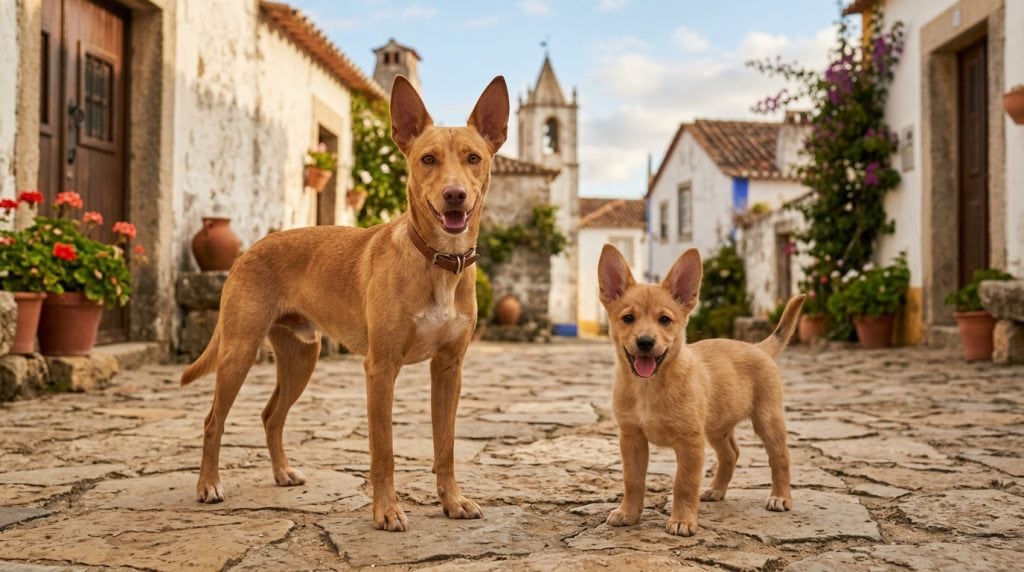
Portuguese Podengos are lively hunting dogs known for their curiosity, agility, and sharp awareness of their surroundings. Developed in Portugal to hunt small game across rugged landscapes, they tend to retain a strong instinct to explore and investigate. Many owners appreciate their spirited nature and the alert presence they bring to everyday life.
At a glance
Core care
- Size: Small
- Energy: High
- Grooming: Low
- Shedding: Low
Support style
- Sensitivity: Moderate
- Training style: Independent
Breed guide
Choose a section to explore. These notes describe common patterns, but individual dogs vary widely.
The Portuguese Podengo is an energetic hunting dog that developed in Portugal, where it was valued for its ability to track and pursue small game across rocky terrain and dense scrubland. Agile, alert, and highly observant, these dogs were bred to work independently while remaining attentive to their handlers. This combination of independence and awareness continues to shape their personality today.
Physically, the Podengo is lean and athletic, built for speed, balance, and quick movement. Their upright ears and bright expression give them a constantly alert appearance, reflecting their natural curiosity about the world around them. The breed appears in both smooth and wire-coated varieties, both of which are practical coats that require relatively little maintenance.
Temperamentally, Portuguese Podengos tend to be lively and inquisitive companions. Their hunting background often shows in their enthusiasm for exploring new environments and investigating scents. While they form close bonds with their families, they usually retain a certain independence, which can make them both entertaining and occasionally challenging to train.
As with all breeds, individual personalities vary. Some Podengos are bold and adventurous, while others may be more thoughtful observers of their surroundings. Understanding their heritage as active hunting dogs helps owners provide the stimulation and structure they need to thrive as companions.
Portuguese Podengos are often described as alert and lively, traits that are deeply rooted in their hunting dog heritage. They tend to be curious about their surroundings and are quick to investigate new sights and sounds. This inquisitive nature means they often enjoy being outdoors, where they can sniff and explore to their heart’s content.
Socially, Podengos can be quite independent, which sometimes surprises owners who expect a more clingy companion. However, this independence doesn’t mean they are aloof; rather, they enjoy the company of their family but are also content to entertain themselves. Their moderate sensitivity means they can pick up on the mood of the household, often responding with affection or playfulness as needed.
Training a Podengo can be an interesting experience due to their independent streak. They are intelligent and capable learners, but they may not always be eager to please in the way some other breeds are. This means that training often requires patience and creativity, using positive reinforcement techniques that tap into their natural curiosity and love of exploration.
Owners often notice that their Podengo’s behaviour can vary depending on the environment and the dog’s individual personality. Some may be more reserved, while others are outgoing and sociable. It’s important to remember that while breed tendencies provide a general guide, each Podengo is unique and will develop its own personality based on a variety of factors.
A typical day for a Portuguese Podengo involves plenty of activity and exploration. These dogs have high energy levels and thrive on regular exercise, which can include long walks, play sessions, and opportunities to roam safely. Many owners find that their Podengo enjoys activities that engage both their body and mind, such as agility training or scent games.
Physical exercise is crucial for this breed, but mental enrichment is equally important. Podengos are intelligent and curious, so puzzle toys and interactive games can help keep their minds sharp. Owners often notice that their Podengo is happiest when given tasks that challenge their problem-solving skills, reflecting their hunting dog heritage.
As Podengos age, their exercise needs may change. While young dogs require more vigorous activity to burn off energy, older Podengos might appreciate gentler walks and more relaxed playtime. It’s important for owners to adjust their routines to suit their dog’s life stage, ensuring they remain healthy and content.
One thing to avoid is leaving a Podengo without enough stimulation, as this can lead to boredom and potentially destructive behaviour. Providing a variety of activities and ensuring they have plenty of opportunities to explore can help maintain their wellbeing and prevent unwanted behaviours from developing.
Training a Portuguese Podengo can sometimes feel like a balancing act between encouraging their independent nature and guiding them towards desired behaviours. Owners often find that these dogs respond best to training methods that are both consistent and engaging, using positive reinforcement to tap into their natural curiosity and intelligence.
Given their independent streak, Podengos may not always be eager to follow commands simply for the sake of it. This means that training sessions should be kept interesting and rewarding, using treats, toys, and praise to motivate them. Patience is key, as these dogs may take a little longer to respond compared to breeds that are more eager to please.
Impulse control can be a challenge, particularly during adolescence when Podengos are full of energy and curiosity. It’s important to establish boundaries early on and to be consistent with rules and expectations. Many owners find that building a strong relationship based on trust and understanding helps their Podengo learn more effectively.
Overall, training a Podengo requires a thoughtful approach that respects their individuality. While they may not fit the mould of a traditional obedience dog, their intelligence and desire to explore can be harnessed with the right techniques. Encouraging their natural behaviours while guiding them with positive reinforcement can lead to a well-rounded and happy companion.
The Portuguese Podengo can adapt to a variety of living environments, but they tend to thrive in homes where they have space to move and explore. A secure garden is ideal, providing them with a safe area to satisfy their curiosity and expend energy.
Owners often find that Podengos do well in active households where they can participate in family activities. Their independent nature means they are content to spend time alone, but they also enjoy being part of the action and will happily join in on walks or playtime.
When it comes to children and other pets, Podengos can be good companions, though supervision is recommended. Their hunting instincts mean they may be inclined to chase smaller animals, so introductions should be managed carefully. With children, their playful nature can be a positive, but it’s important to teach both the dog and the children how to interact safely and respectfully.
Overall, the Podengo is a versatile breed that can fit into various lifestyles, provided their need for exercise and mental stimulation is met. They are best suited to owners who appreciate their independent spirit and are willing to engage with them in activities that satisfy their natural instincts.
The health of a Portuguese Podengo is closely tied to their overall wellbeing and quality of life. Like all breeds, they can be prone to certain health issues, but with proper care and attention, many Podengos lead healthy, active lives.
Common health considerations for this breed include joint issues and dental health. Regular veterinary check-ups can help catch any potential problems early, and preventive care such as joint supplements and dental hygiene can be beneficial.
Owners often notice that a healthy Podengo is an active and engaged companion. Keeping them physically fit through regular exercise and mentally stimulated with enrichment activities can contribute significantly to their wellbeing. It’s also important to monitor their diet and weight, as obesity can exacerbate health issues.
If any changes in behaviour or health are noticed, seeking veterinary advice is always recommended. Early intervention can make a significant difference in managing health conditions, ensuring that the Podengo remains a happy and healthy member of the family.
The Portuguese Podengo is considered one of the oldest native dog types in Portugal, with roots that trace back to ancient Mediterranean hunting dogs. Historians believe that early ancestors of the breed were brought to the Iberian Peninsula by Phoenician and Roman traders thousands of years ago. Over time, these dogs adapted to the Portuguese landscape and developed into a distinctive hunting breed.
For centuries, Podengos were valued by rural communities for their ability to hunt rabbits and other small game. Their speed, agility, and sharp senses allowed them to work effectively in rocky hillsides, farmland, and dense vegetation. Unlike some hunting breeds that worked closely beside hunters, Podengos were often expected to make independent decisions while tracking prey.
The breed gradually developed into three size varieties, each suited to different hunting roles. Larger Podengos were capable of pursuing bigger game, while the smaller Podengo Pequeno became especially skilled at hunting rabbits in tight spaces and rocky terrain.
Although modern Podengos are often kept as companions, many of the qualities that made them effective hunters remain visible today. Their alert nature, curiosity, and strong prey drive are reminders of a long history spent working alongside hunters across the Portuguese countryside.
What shapes individual dogs
- Early social experiences
- Training approach
- Environment & routine
- Genetics & breeding
- Health & pain
- Age / life stage
The Portuguese Podengo is an energetic hunting dog that developed in Portugal, where it was valued for its ability to track and pursue small game across rocky terrain and dense scrubland. Agile, alert, and highly observant, these dogs were bred to work independently while remaining attentive to their handlers. This combination of independence and awareness continues to shape their personality today.
Physically, the Podengo is lean and athletic, built for speed, balance, and quick movement. Their upright ears and bright expression give them a constantly alert appearance, reflecting their natural curiosity about the world around them. The breed appears in both smooth and wire-coated varieties, both of which are practical coats that require relatively little maintenance.
Temperamentally, Portuguese Podengos tend to be lively and inquisitive companions. Their hunting background often shows in their enthusiasm for exploring new environments and investigating scents. While they form close bonds with their families, they usually retain a certain independence, which can make them both entertaining and occasionally challenging to train.
As with all breeds, individual personalities vary. Some Podengos are bold and adventurous, while others may be more thoughtful observers of their surroundings. Understanding their heritage as active hunting dogs helps owners provide the stimulation and structure they need to thrive as companions.
Portuguese Podengos are often described as alert and lively, traits that are deeply rooted in their hunting dog heritage. They tend to be curious about their surroundings and are quick to investigate new sights and sounds. This inquisitive nature means they often enjoy being outdoors, where they can sniff and explore to their heart’s content.
Socially, Podengos can be quite independent, which sometimes surprises owners who expect a more clingy companion. However, this independence doesn’t mean they are aloof; rather, they enjoy the company of their family but are also content to entertain themselves. Their moderate sensitivity means they can pick up on the mood of the household, often responding with affection or playfulness as needed.
Training a Podengo can be an interesting experience due to their independent streak. They are intelligent and capable learners, but they may not always be eager to please in the way some other breeds are. This means that training often requires patience and creativity, using positive reinforcement techniques that tap into their natural curiosity and love of exploration.
Owners often notice that their Podengo’s behaviour can vary depending on the environment and the dog’s individual personality. Some may be more reserved, while others are outgoing and sociable. It’s important to remember that while breed tendencies provide a general guide, each Podengo is unique and will develop its own personality based on a variety of factors.
A typical day for a Portuguese Podengo involves plenty of activity and exploration. These dogs have high energy levels and thrive on regular exercise, which can include long walks, play sessions, and opportunities to roam safely. Many owners find that their Podengo enjoys activities that engage both their body and mind, such as agility training or scent games.
Physical exercise is crucial for this breed, but mental enrichment is equally important. Podengos are intelligent and curious, so puzzle toys and interactive games can help keep their minds sharp. Owners often notice that their Podengo is happiest when given tasks that challenge their problem-solving skills, reflecting their hunting dog heritage.
As Podengos age, their exercise needs may change. While young dogs require more vigorous activity to burn off energy, older Podengos might appreciate gentler walks and more relaxed playtime. It’s important for owners to adjust their routines to suit their dog’s life stage, ensuring they remain healthy and content.
One thing to avoid is leaving a Podengo without enough stimulation, as this can lead to boredom and potentially destructive behaviour. Providing a variety of activities and ensuring they have plenty of opportunities to explore can help maintain their wellbeing and prevent unwanted behaviours from developing.
Training a Portuguese Podengo can sometimes feel like a balancing act between encouraging their independent nature and guiding them towards desired behaviours. Owners often find that these dogs respond best to training methods that are both consistent and engaging, using positive reinforcement to tap into their natural curiosity and intelligence.
Given their independent streak, Podengos may not always be eager to follow commands simply for the sake of it. This means that training sessions should be kept interesting and rewarding, using treats, toys, and praise to motivate them. Patience is key, as these dogs may take a little longer to respond compared to breeds that are more eager to please.
Impulse control can be a challenge, particularly during adolescence when Podengos are full of energy and curiosity. It’s important to establish boundaries early on and to be consistent with rules and expectations. Many owners find that building a strong relationship based on trust and understanding helps their Podengo learn more effectively.
Overall, training a Podengo requires a thoughtful approach that respects their individuality. While they may not fit the mould of a traditional obedience dog, their intelligence and desire to explore can be harnessed with the right techniques. Encouraging their natural behaviours while guiding them with positive reinforcement can lead to a well-rounded and happy companion.
The Portuguese Podengo can adapt to a variety of living environments, but they tend to thrive in homes where they have space to move and explore. A secure garden is ideal, providing them with a safe area to satisfy their curiosity and expend energy.
Owners often find that Podengos do well in active households where they can participate in family activities. Their independent nature means they are content to spend time alone, but they also enjoy being part of the action and will happily join in on walks or playtime.
When it comes to children and other pets, Podengos can be good companions, though supervision is recommended. Their hunting instincts mean they may be inclined to chase smaller animals, so introductions should be managed carefully. With children, their playful nature can be a positive, but it’s important to teach both the dog and the children how to interact safely and respectfully.
Overall, the Podengo is a versatile breed that can fit into various lifestyles, provided their need for exercise and mental stimulation is met. They are best suited to owners who appreciate their independent spirit and are willing to engage with them in activities that satisfy their natural instincts.
The health of a Portuguese Podengo is closely tied to their overall wellbeing and quality of life. Like all breeds, they can be prone to certain health issues, but with proper care and attention, many Podengos lead healthy, active lives.
Common health considerations for this breed include joint issues and dental health. Regular veterinary check-ups can help catch any potential problems early, and preventive care such as joint supplements and dental hygiene can be beneficial.
Owners often notice that a healthy Podengo is an active and engaged companion. Keeping them physically fit through regular exercise and mentally stimulated with enrichment activities can contribute significantly to their wellbeing. It’s also important to monitor their diet and weight, as obesity can exacerbate health issues.
If any changes in behaviour or health are noticed, seeking veterinary advice is always recommended. Early intervention can make a significant difference in managing health conditions, ensuring that the Podengo remains a happy and healthy member of the family.
The Portuguese Podengo is considered one of the oldest native dog types in Portugal, with roots that trace back to ancient Mediterranean hunting dogs. Historians believe that early ancestors of the breed were brought to the Iberian Peninsula by Phoenician and Roman traders thousands of years ago. Over time, these dogs adapted to the Portuguese landscape and developed into a distinctive hunting breed.
For centuries, Podengos were valued by rural communities for their ability to hunt rabbits and other small game. Their speed, agility, and sharp senses allowed them to work effectively in rocky hillsides, farmland, and dense vegetation. Unlike some hunting breeds that worked closely beside hunters, Podengos were often expected to make independent decisions while tracking prey.
The breed gradually developed into three size varieties, each suited to different hunting roles. Larger Podengos were capable of pursuing bigger game, while the smaller Podengo Pequeno became especially skilled at hunting rabbits in tight spaces and rocky terrain.
Although modern Podengos are often kept as companions, many of the qualities that made them effective hunters remain visible today. Their alert nature, curiosity, and strong prey drive are reminders of a long history spent working alongside hunters across the Portuguese countryside.
What shapes individual dogs
- Early social experiences
- Training approach
- Environment & routine
- Genetics & breeding
- Health & pain
- Age / life stage
Want support with this?
This course is relevant for Podengo owners to better understand their dog's independent nature and behavioural nuances.