
Nederlandse Kooikerhondje
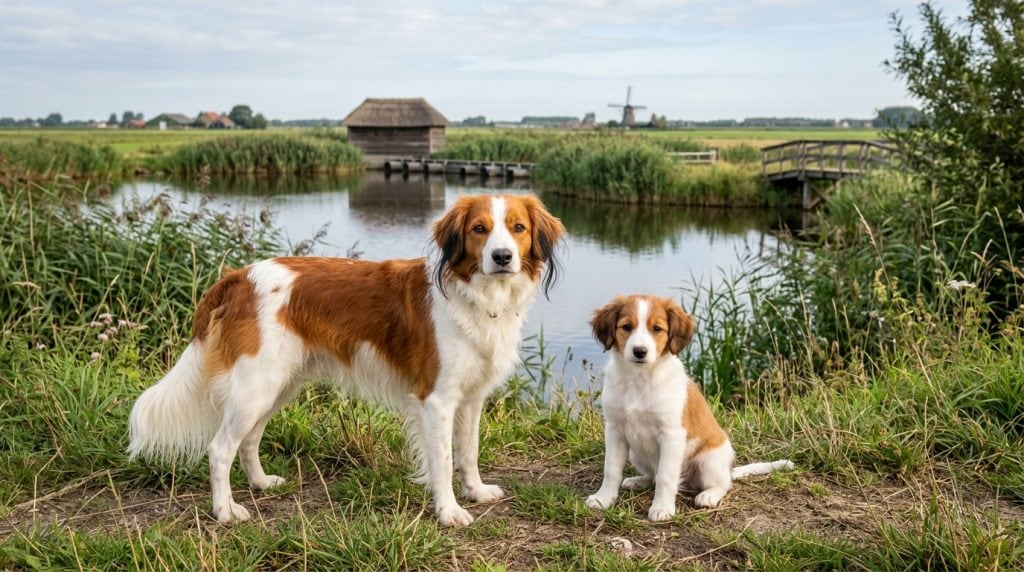
Nederlandse Kooikerhondjes are attentive and sensitive companions known for their close bond with their families. Originally developed as duck decoy dogs in the Netherlands, they tend to combine alertness with a gentle, thoughtful temperament. Many owners appreciate their eagerness to engage in activities while still enjoying calm companionship at home.
At a glance
Core care
- Size: Small
- Energy: Moderate to high
- Grooming: Low
- Shedding: Moderate
Support style
- Sensitivity: High
- Training style: Willing
Breed guide
Choose a section to explore. These notes describe common patterns, but individual dogs vary widely.
The Nederlandse Kooikerhondje has its roots in the Netherlands, where it was originally bred as a duck decoy dog. This working history is still evident in their alert and intelligent nature, which many owners find both charming and engaging. Today, these traits translate into a dog that is eager to participate in family activities and is often seen as a devoted companion.
One distinctive part of the breed’s history comes from its role in traditional Dutch duck-decoy systems known as “eendenkooi.” In these setups, the Kooikerhondje would move along the banks of narrow, curved waterways while a hunter remained hidden. The dog’s playful movements and waving tail would attract the curiosity of ducks, gradually drawing them closer into the decoy trap. This unusual working role required a dog that could remain attentive to its handler while moving calmly and deliberately around the birds.
Physically, the Kooikerhondje is a small yet sturdy dog with a distinctive orange-red and white coat that is both eye-catching and functional. Their size makes them well-suited to a variety of living situations, from city apartments to countryside homes. Owners often appreciate their manageable size, which allows for easy handling and transport, while their energetic nature ensures they are always ready for a walk or play session.
Temperamentally, the Kooikerhondje is known for its sensitive and gentle disposition. This sensitivity means they are often very attuned to the moods and emotions of their human companions. While they are generally friendly, they can be reserved with strangers, a trait that stems from their history as working dogs who needed to remain focused on their tasks. Owners often notice that these dogs form strong bonds with their families, displaying loyalty and affection.
It is important for potential owners to understand that while the Kooikerhondje has many endearing qualities, individual dogs can vary. Factors such as genetics, early socialisation, and training play significant roles in shaping behaviour. As with any breed, spending time getting to know a dog’s unique personality is key to building a rewarding relationship.
The Nederlandse Kooikerhondje is a breed that thrives on social interaction, often forming close bonds with their families. This social nature is a reflection of their history as working dogs, where cooperation and communication with their handlers were essential. Owners frequently observe that these dogs are happiest when they are involved in family activities, whether it’s a walk in the park or a quiet evening at home.
Their high sensitivity makes them particularly attuned to the emotions and moods of those around them. This can be a wonderful trait, as it often leads to a deep understanding between the dog and its owner. However, it also means that they may become stressed in chaotic or overly loud environments. Many owners find that maintaining a calm and consistent household helps their Kooikerhondje feel secure and content.
In terms of trainability, the Kooikerhondje is generally willing and eager to learn. They respond well to positive reinforcement techniques, where praise and rewards encourage their natural desire to please. Owners often find that patience and consistency are key, as these dogs can be sensitive to harsh corrections or abrupt changes in routine. Building a trusting relationship is crucial for successful training.
It’s worth noting that while the Kooikerhondje has these common temperament traits, individual dogs can vary. Some may be more outgoing or reserved than others, and their behaviour can be influenced by their upbringing and experiences. Understanding and appreciating these nuances can help owners foster a strong and positive bond with their Kooikerhondje.
A typical day for a Nederlandse Kooikerhondje involves a good balance of physical exercise and mental enrichment. These dogs have moderate to high energy levels, so daily walks are essential to keep them happy and healthy. Many owners find that a brisk walk in the morning, followed by some playtime in the garden or park, helps to burn off their energy and keep them engaged.
In addition to physical exercise, the Kooikerhondje benefits greatly from mental stimulation. Puzzle toys, interactive games, and training sessions can all provide the mental challenge they need. Owners often notice that these activities not only tire them out but also strengthen the bond between dog and owner. It’s important to vary these activities to keep things interesting and prevent boredom.
As they age, the exercise needs of a Kooikerhondje may change. While puppies and young adults are full of energy and require more active play, older dogs might prefer gentler walks and more relaxed activities. Owners should pay attention to their dog’s cues and adjust their routines accordingly to ensure they remain comfortable and healthy throughout their life.
It’s also important to avoid over-exercising, especially in young puppies whose joints and bones are still developing. Gradually increasing the intensity and duration of exercise as they grow helps to protect their developing bodies. By understanding and meeting their exercise needs, owners can help their Kooikerhondje lead a balanced and fulfilling life.
Training a Nederlandse Kooikerhondje is often described as a rewarding experience due to their eager-to-please nature. Owners frequently find that these dogs respond well to positive reinforcement methods, where treats, praise, and play are used to encourage desired behaviours. This approach aligns well with their sensitive nature, fostering a trusting and cooperative relationship.
Impulse control can be a challenge with this breed, particularly during adolescence when their curiosity and energy levels peak. Consistent training from a young age can help manage these tendencies, with a focus on teaching basic commands and reinforcing calm behaviour. Many owners find that short, frequent training sessions work best, keeping the dog engaged without overwhelming them.
The importance of building a strong relationship with a Kooikerhondje cannot be overstated. These dogs thrive on the connection they share with their owners, and training provides an excellent opportunity to strengthen this bond. Consistency and patience are key, as these dogs can be sensitive to abrupt changes in routine or harsh corrections.
For those new to the breed, enrolling in a training class or seeking guidance from a professional trainer can be beneficial. This not only helps with the dog’s development but also provides owners with the skills and confidence needed to handle any challenges that may arise. With the right approach, training a Kooikerhondje can be a fulfilling journey for both dog and owner.
The Nederlandse Kooikerhondje tends to adapt well to a variety of living environments, making them a versatile companion for many households. Their moderate size and energy levels mean they can thrive in both urban and rural settings, provided they receive adequate exercise and mental stimulation. Owners often find that these dogs are happiest in homes where they can be an active part of family life.
When it comes to living with children, the Kooikerhondje generally does well, especially if they are raised together. Their gentle nature and playful spirit make them good companions for kids, although supervision is always recommended to ensure positive interactions. Many owners note that these dogs enjoy participating in family activities and can be quite protective of their young human companions.
The Kooikerhondje can also coexist peacefully with other pets, particularly if they are socialised from a young age. Their history as working dogs means they may have a natural prey drive, so introductions to smaller animals should be handled carefully. However, with proper training and management, they can learn to live harmoniously with other household pets.
Ultimately, the Kooikerhondje fits well into homes where they are valued as a member of the family. They thrive on companionship and interaction, so owners who are able to provide plenty of time and attention will likely find them to be a delightful and loyal addition to their household.
The overall health and wellbeing of a Nederlandse Kooikerhondje are closely linked to their daily care and lifestyle. Like many breeds, they can be predisposed to certain inherited conditions, which makes regular veterinary check-ups and preventive care important parts of responsible ownership. Maintaining a balanced diet, regular exercise, and routine health monitoring can contribute significantly to their long-term wellbeing.
Some health considerations associated with the breed include patellar luxation, a condition affecting the kneecap, and certain hereditary eye conditions. While not every dog will experience these issues, awareness allows owners and veterinarians to monitor for early signs and manage concerns if they arise. Responsible breeders often screen for these conditions as part of their breeding programmes.
The breed has also been associated with a small number of inherited disorders that are more specific to the population. These include Von Willebrand’s disease, a blood-clotting disorder that can affect how the body responds to injury, and hereditary necrotising myelopathy (ENM), a rare neurological condition identified within the breed. Modern breeding programmes frequently use genetic screening to reduce the occurrence of these conditions and maintain the overall health of the breed.
The Kooikerhondje’s sensitive nature can also mean that emotional stress sometimes affects their overall wellbeing. Many owners notice that these dogs thrive in calm, predictable environments where they feel secure and included in family life. Providing mental stimulation, regular activity, and consistent routines can help support both their emotional and physical health.
If any changes in behaviour, mobility, appetite, or energy levels occur, seeking veterinary advice is recommended. Early attention to potential health concerns can make a meaningful difference in maintaining a dog’s comfort and quality of life. With attentive care and responsible breeding practices, many Kooikerhondjes live active and healthy lives.
The history of the Nederlandse Kooikerhondje is both rich and fascinating, tracing back to the 16th century in the Netherlands. Originally bred as a working dog, the Kooikerhondje was used in duck decoying, a method of hunting where the dog would lure ducks into traps. This role required intelligence, agility, and a cooperative nature, traits that are still evident in the breed today.
The breed’s name, ‘Kooikerhondje,’ translates to ‘little decoy dog,’ reflecting its primary function. These dogs were highly valued by hunters for their ability to work independently while maintaining a strong connection with their handler. Their distinctive orange-red and white coat was not only attractive but also served a practical purpose, making them visible in the field.
Over time, the Kooikerhondje’s role evolved, and they became cherished companions as well as working dogs. However, by the mid-20th century, the breed faced near extinction. Thanks to dedicated breeders and enthusiasts, the Kooikerhondje was revived, and today they are appreciated for their versatility and charm.
Understanding the breed’s history provides insight into their modern characteristics. Their working background explains their intelligence and eagerness to participate in activities, while their close bond with humans reflects their historical reliance on cooperation. For owners, recognising these traits can enhance their appreciation of the Kooikerhondje’s unique qualities.
What shapes individual dogs
- Early social experiences
- Training approach
- Environment & routine
- Genetics & breeding
- Health & pain
- Age / life stage
The Nederlandse Kooikerhondje has its roots in the Netherlands, where it was originally bred as a duck decoy dog. This working history is still evident in their alert and intelligent nature, which many owners find both charming and engaging. Today, these traits translate into a dog that is eager to participate in family activities and is often seen as a devoted companion.
One distinctive part of the breed’s history comes from its role in traditional Dutch duck-decoy systems known as “eendenkooi.” In these setups, the Kooikerhondje would move along the banks of narrow, curved waterways while a hunter remained hidden. The dog’s playful movements and waving tail would attract the curiosity of ducks, gradually drawing them closer into the decoy trap. This unusual working role required a dog that could remain attentive to its handler while moving calmly and deliberately around the birds.
Physically, the Kooikerhondje is a small yet sturdy dog with a distinctive orange-red and white coat that is both eye-catching and functional. Their size makes them well-suited to a variety of living situations, from city apartments to countryside homes. Owners often appreciate their manageable size, which allows for easy handling and transport, while their energetic nature ensures they are always ready for a walk or play session.
Temperamentally, the Kooikerhondje is known for its sensitive and gentle disposition. This sensitivity means they are often very attuned to the moods and emotions of their human companions. While they are generally friendly, they can be reserved with strangers, a trait that stems from their history as working dogs who needed to remain focused on their tasks. Owners often notice that these dogs form strong bonds with their families, displaying loyalty and affection.
It is important for potential owners to understand that while the Kooikerhondje has many endearing qualities, individual dogs can vary. Factors such as genetics, early socialisation, and training play significant roles in shaping behaviour. As with any breed, spending time getting to know a dog’s unique personality is key to building a rewarding relationship.
The Nederlandse Kooikerhondje is a breed that thrives on social interaction, often forming close bonds with their families. This social nature is a reflection of their history as working dogs, where cooperation and communication with their handlers were essential. Owners frequently observe that these dogs are happiest when they are involved in family activities, whether it’s a walk in the park or a quiet evening at home.
Their high sensitivity makes them particularly attuned to the emotions and moods of those around them. This can be a wonderful trait, as it often leads to a deep understanding between the dog and its owner. However, it also means that they may become stressed in chaotic or overly loud environments. Many owners find that maintaining a calm and consistent household helps their Kooikerhondje feel secure and content.
In terms of trainability, the Kooikerhondje is generally willing and eager to learn. They respond well to positive reinforcement techniques, where praise and rewards encourage their natural desire to please. Owners often find that patience and consistency are key, as these dogs can be sensitive to harsh corrections or abrupt changes in routine. Building a trusting relationship is crucial for successful training.
It’s worth noting that while the Kooikerhondje has these common temperament traits, individual dogs can vary. Some may be more outgoing or reserved than others, and their behaviour can be influenced by their upbringing and experiences. Understanding and appreciating these nuances can help owners foster a strong and positive bond with their Kooikerhondje.
A typical day for a Nederlandse Kooikerhondje involves a good balance of physical exercise and mental enrichment. These dogs have moderate to high energy levels, so daily walks are essential to keep them happy and healthy. Many owners find that a brisk walk in the morning, followed by some playtime in the garden or park, helps to burn off their energy and keep them engaged.
In addition to physical exercise, the Kooikerhondje benefits greatly from mental stimulation. Puzzle toys, interactive games, and training sessions can all provide the mental challenge they need. Owners often notice that these activities not only tire them out but also strengthen the bond between dog and owner. It’s important to vary these activities to keep things interesting and prevent boredom.
As they age, the exercise needs of a Kooikerhondje may change. While puppies and young adults are full of energy and require more active play, older dogs might prefer gentler walks and more relaxed activities. Owners should pay attention to their dog’s cues and adjust their routines accordingly to ensure they remain comfortable and healthy throughout their life.
It’s also important to avoid over-exercising, especially in young puppies whose joints and bones are still developing. Gradually increasing the intensity and duration of exercise as they grow helps to protect their developing bodies. By understanding and meeting their exercise needs, owners can help their Kooikerhondje lead a balanced and fulfilling life.
Training a Nederlandse Kooikerhondje is often described as a rewarding experience due to their eager-to-please nature. Owners frequently find that these dogs respond well to positive reinforcement methods, where treats, praise, and play are used to encourage desired behaviours. This approach aligns well with their sensitive nature, fostering a trusting and cooperative relationship.
Impulse control can be a challenge with this breed, particularly during adolescence when their curiosity and energy levels peak. Consistent training from a young age can help manage these tendencies, with a focus on teaching basic commands and reinforcing calm behaviour. Many owners find that short, frequent training sessions work best, keeping the dog engaged without overwhelming them.
The importance of building a strong relationship with a Kooikerhondje cannot be overstated. These dogs thrive on the connection they share with their owners, and training provides an excellent opportunity to strengthen this bond. Consistency and patience are key, as these dogs can be sensitive to abrupt changes in routine or harsh corrections.
For those new to the breed, enrolling in a training class or seeking guidance from a professional trainer can be beneficial. This not only helps with the dog’s development but also provides owners with the skills and confidence needed to handle any challenges that may arise. With the right approach, training a Kooikerhondje can be a fulfilling journey for both dog and owner.
The Nederlandse Kooikerhondje tends to adapt well to a variety of living environments, making them a versatile companion for many households. Their moderate size and energy levels mean they can thrive in both urban and rural settings, provided they receive adequate exercise and mental stimulation. Owners often find that these dogs are happiest in homes where they can be an active part of family life.
When it comes to living with children, the Kooikerhondje generally does well, especially if they are raised together. Their gentle nature and playful spirit make them good companions for kids, although supervision is always recommended to ensure positive interactions. Many owners note that these dogs enjoy participating in family activities and can be quite protective of their young human companions.
The Kooikerhondje can also coexist peacefully with other pets, particularly if they are socialised from a young age. Their history as working dogs means they may have a natural prey drive, so introductions to smaller animals should be handled carefully. However, with proper training and management, they can learn to live harmoniously with other household pets.
Ultimately, the Kooikerhondje fits well into homes where they are valued as a member of the family. They thrive on companionship and interaction, so owners who are able to provide plenty of time and attention will likely find them to be a delightful and loyal addition to their household.
The overall health and wellbeing of a Nederlandse Kooikerhondje are closely linked to their daily care and lifestyle. Like many breeds, they can be predisposed to certain inherited conditions, which makes regular veterinary check-ups and preventive care important parts of responsible ownership. Maintaining a balanced diet, regular exercise, and routine health monitoring can contribute significantly to their long-term wellbeing.
Some health considerations associated with the breed include patellar luxation, a condition affecting the kneecap, and certain hereditary eye conditions. While not every dog will experience these issues, awareness allows owners and veterinarians to monitor for early signs and manage concerns if they arise. Responsible breeders often screen for these conditions as part of their breeding programmes.
The breed has also been associated with a small number of inherited disorders that are more specific to the population. These include Von Willebrand’s disease, a blood-clotting disorder that can affect how the body responds to injury, and hereditary necrotising myelopathy (ENM), a rare neurological condition identified within the breed. Modern breeding programmes frequently use genetic screening to reduce the occurrence of these conditions and maintain the overall health of the breed.
The Kooikerhondje’s sensitive nature can also mean that emotional stress sometimes affects their overall wellbeing. Many owners notice that these dogs thrive in calm, predictable environments where they feel secure and included in family life. Providing mental stimulation, regular activity, and consistent routines can help support both their emotional and physical health.
If any changes in behaviour, mobility, appetite, or energy levels occur, seeking veterinary advice is recommended. Early attention to potential health concerns can make a meaningful difference in maintaining a dog’s comfort and quality of life. With attentive care and responsible breeding practices, many Kooikerhondjes live active and healthy lives.
The history of the Nederlandse Kooikerhondje is both rich and fascinating, tracing back to the 16th century in the Netherlands. Originally bred as a working dog, the Kooikerhondje was used in duck decoying, a method of hunting where the dog would lure ducks into traps. This role required intelligence, agility, and a cooperative nature, traits that are still evident in the breed today.
The breed’s name, ‘Kooikerhondje,’ translates to ‘little decoy dog,’ reflecting its primary function. These dogs were highly valued by hunters for their ability to work independently while maintaining a strong connection with their handler. Their distinctive orange-red and white coat was not only attractive but also served a practical purpose, making them visible in the field.
Over time, the Kooikerhondje’s role evolved, and they became cherished companions as well as working dogs. However, by the mid-20th century, the breed faced near extinction. Thanks to dedicated breeders and enthusiasts, the Kooikerhondje was revived, and today they are appreciated for their versatility and charm.
Understanding the breed’s history provides insight into their modern characteristics. Their working background explains their intelligence and eagerness to participate in activities, while their close bond with humans reflects their historical reliance on cooperation. For owners, recognising these traits can enhance their appreciation of the Kooikerhondje’s unique qualities.
What shapes individual dogs
- Early social experiences
- Training approach
- Environment & routine
- Genetics & breeding
- Health & pain
- Age / life stage
Want support with this?
This course offers valuable insights into the complex temperament and high sensitivity of the Nederlandse Kooikerhondje, helping owners understand their unique needs.