
Canaan Dog
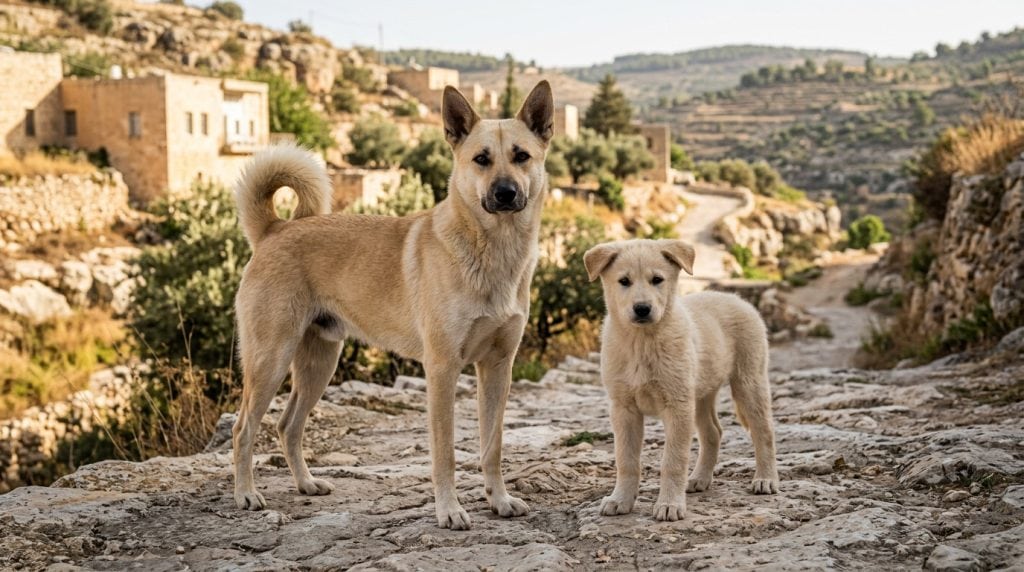
Canaan Dogs are alert and independent companions known for their keen awareness of their surroundings. Developed in the Middle East as working dogs capable of guarding livestock and assisting nomadic communities, they tend to observe their environment carefully and respond quickly to unfamiliar changes. Many owners appreciate their loyalty to their family and the thoughtful way they balance independence with companionship in daily life.
At a glance
Core care
- Size: Medium
- Energy: Moderate to high
- Grooming: Low
- Shedding: Moderate
Support style
- Sensitivity: Moderate
- Training style: Independent
Breed guide
Choose a section to explore. These notes describe common patterns, but individual dogs vary widely.
The Canaan Dog is considered one of the oldest known landrace dog types from the Middle East. For centuries, dogs of this type lived alongside nomadic Bedouin communities, where they served as herding assistants, guardians, and camp sentinels. Their ability to survive and work in harsh desert environments helped shape a breed that is resourceful, alert, and capable of independent decision-making.
Unlike many modern breeds that were heavily refined through controlled breeding, the Canaan Dog developed largely through natural selection. These dogs adapted to the rugged landscapes of the region, where intelligence, resilience, and strong instincts were essential for survival. This background continues to influence the breed today, contributing to their watchful nature and their tendency to carefully assess unfamiliar situations.
Physically, the Canaan Dog is a medium-sized spitz-type dog with a balanced, athletic build. Their erect ears, wedge-shaped head, and curled tail reflect their connection to ancient desert dogs. A dense double coat provides protection from both heat and cooler desert nights, while their agile movement allows them to navigate uneven terrain with ease.
Temperamentally, Canaan Dogs are often described as intelligent and independent thinkers. They tend to form strong bonds with their families while maintaining a natural reserve around unfamiliar people. This combination of loyalty and watchfulness is closely tied to their historical role as guardians. While they may not always seek constant attention, they generally prefer to remain near their family, quietly observing daily activity.
As with all breeds, individual personalities can vary. Some Canaan Dogs are more outgoing, while others remain cautious observers of new environments. Genetics, early socialisation, and life experiences all play an important role in shaping the temperament of each dog.
Canaan Dogs are often described as having a keen sense of awareness, which makes them excellent watchdogs. This trait stems from their historical role as guardians, and today, it translates into a dog that is attentive and often on alert. Owners frequently notice that their Canaan Dog may be quick to alert them to any unusual activity, making them feel secure in their presence.
Their independent nature is another hallmark of the breed. Canaan Dogs tend to think for themselves, which can be both a strength and a challenge. While this independence means they are capable of entertaining themselves, it also means they may not always be eager to follow commands without question. This characteristic requires owners to approach training with patience and understanding, recognising the breed’s natural tendencies.
Socially, Canaan Dogs can be reserved with strangers, a trait that aligns with their history as protective dogs. However, once they form a bond with their family, they are known to be affectionate and loyal. This loyalty is often displayed through their desire to be near their loved ones, even if they are not overly demonstrative in their affections.
Sensitivity in Canaan Dogs is moderate, meaning they are responsive to the emotions and actions of those around them. This can be beneficial in training, as they often pick up on cues from their handlers. However, it also means that they can be affected by tension or stress in the household, so a calm and consistent environment is ideal for their wellbeing.
A typical day for a Canaan Dog involves a good balance of physical activity and mental stimulation. These dogs have moderate to high energy levels, so they benefit from daily walks and play sessions that allow them to burn off energy. Activities like fetch, agility, or even herding games can be particularly enjoyable for them, tapping into their natural instincts.
Mental enrichment is equally important for Canaan Dogs, given their intelligence and independent nature. Puzzle toys, scent games, and training sessions that challenge their minds can help keep them engaged and prevent boredom. Owners often find that a mix of physical and mental activities helps maintain a happy and well-adjusted dog.
As Canaan Dogs age, their exercise needs may change. While younger dogs may require more vigorous activity, older Canaan Dogs might prefer gentler walks and less intense play. It’s essential for owners to adjust their routines to accommodate these changes, ensuring their dog remains comfortable and healthy throughout their life.
It’s also important to note that while Canaan Dogs enjoy activity, they do not require constant exercise. Over-exercising can lead to stress or injury, so it’s crucial to find a balance that suits the individual dog’s needs and energy levels. Observing your dog’s behaviour and energy can help guide the appropriate amount of exercise and enrichment.
Training a Canaan Dog often feels like a partnership rather than a straightforward teaching process. Their independent nature means they appreciate being treated as equals, and they respond well to training methods that respect their intelligence and autonomy. Positive reinforcement, using treats and praise, tends to work well with this breed, as it encourages them to engage willingly.
Impulse control can be an area where Canaan Dogs may need extra support, especially during adolescence. Owners often find that consistency and patience are key during this stage. Establishing clear boundaries and routines helps these dogs understand what is expected of them, reducing the likelihood of unwanted behaviours.
Building a strong relationship based on trust and respect is crucial when training a Canaan Dog. They are more likely to respond positively to a handler they trust, so investing time in bonding activities can pay dividends in training outcomes. This relationship-focused approach helps in addressing any behavioural challenges that may arise.
For those new to the breed or dog training in general, enrolling in a course like “Understand Your Dog: Dog Psychology for Beginners” can be beneficial. This course can provide insights into the breed’s unique temperament and help owners develop effective training strategies that align with the Canaan Dog’s independent and intelligent nature.
Canaan Dogs tend to thrive in homes where they have space to move and explore. They are adaptable to various living environments, but a home with a secure garden is ideal for them to safely stretch their legs and satisfy their curiosity. While they can adapt to urban living, they do best in settings where they have regular opportunities for outdoor activity.
Owners often find that Canaan Dogs fit well into active households that can provide them with the physical and mental stimulation they need. They are generally good with children, especially when raised with them, but supervision is recommended to ensure positive interactions. Their natural reserve with strangers means they may take time to warm up to new people, which is something to consider in social settings.
When it comes to other pets, Canaan Dogs can coexist peacefully with other animals, particularly if they are socialised from a young age. However, their herding instincts might lead them to try and herd other pets, which could be a consideration for multi-pet households. Observing interactions and providing guidance can help ensure harmony.
Ultimately, the Canaan Dog is a versatile breed that can adapt to various lifestyles, provided their needs for exercise, mental stimulation, and companionship are met. Understanding their unique traits and being prepared to invest time in their care and training can lead to a rewarding relationship.
The overall health of a Canaan Dog is closely connected to attentive care and responsible breeding practices. Because the breed developed largely through natural selection in harsh environments, they are often considered relatively hardy. Even so, like all breeds, they can be predisposed to certain inherited health conditions, which makes regular veterinary care and routine health screening important.
Some health considerations occasionally seen in the breed include hip dysplasia, which can affect joint mobility, and certain hereditary eye conditions. Responsible breeders often screen breeding dogs for these issues in an effort to maintain the health of the population. Regular veterinary check-ups help identify any potential concerns early and allow appropriate care if needed.
Maintaining a healthy weight and providing appropriate exercise also play an important role in supporting long-term wellbeing. Because Canaan Dogs are naturally active and alert, a balanced routine that includes physical activity, mental stimulation, and rest can help support their overall condition throughout life.
Owners are encouraged to monitor their dog for changes in mobility, behaviour, appetite, or energy levels. Any noticeable shifts may warrant veterinary advice. With attentive care, responsible breeding, and a stable environment, many Canaan Dogs live active and healthy lives.
The Canaan Dog’s history is as ancient as the lands they originated from. These dogs were first used by the nomadic Bedouin tribes in the Middle East as herding and guard dogs. Their ability to survive in harsh desert conditions and their keen instincts made them invaluable companions to these tribes, a role that has shaped their traits to this day.
Over time, the Canaan Dog’s role expanded beyond herding and guarding to include serving as sentinels for isolated communities. Their natural vigilance and alertness were highly prized, and these traits have been passed down through generations. This background explains why modern Canaan Dogs are often seen as excellent watchdogs, with a strong sense of duty towards their family.
The breed’s development into the dog we know today was formalised in the 20th century, when Dr. Rudolphina Menzel began a breeding program to preserve the breed’s unique characteristics. Her work helped establish the Canaan Dog as a recognised breed, with a standard that highlights their intelligence, independence, and adaptability.
Understanding the Canaan Dog’s history provides insight into their modern behaviour. Their alertness, independence, and loyalty are not just random traits but are deeply rooted in their origins as working dogs in challenging environments. This rich history is reflected in their everyday actions, making them a unique and fascinating breed to live with.
What shapes individual dogs
- Early social experiences
- Training approach
- Environment & routine
- Genetics & breeding
- Health & pain
- Age / life stage
The Canaan Dog is considered one of the oldest known landrace dog types from the Middle East. For centuries, dogs of this type lived alongside nomadic Bedouin communities, where they served as herding assistants, guardians, and camp sentinels. Their ability to survive and work in harsh desert environments helped shape a breed that is resourceful, alert, and capable of independent decision-making.
Unlike many modern breeds that were heavily refined through controlled breeding, the Canaan Dog developed largely through natural selection. These dogs adapted to the rugged landscapes of the region, where intelligence, resilience, and strong instincts were essential for survival. This background continues to influence the breed today, contributing to their watchful nature and their tendency to carefully assess unfamiliar situations.
Physically, the Canaan Dog is a medium-sized spitz-type dog with a balanced, athletic build. Their erect ears, wedge-shaped head, and curled tail reflect their connection to ancient desert dogs. A dense double coat provides protection from both heat and cooler desert nights, while their agile movement allows them to navigate uneven terrain with ease.
Temperamentally, Canaan Dogs are often described as intelligent and independent thinkers. They tend to form strong bonds with their families while maintaining a natural reserve around unfamiliar people. This combination of loyalty and watchfulness is closely tied to their historical role as guardians. While they may not always seek constant attention, they generally prefer to remain near their family, quietly observing daily activity.
As with all breeds, individual personalities can vary. Some Canaan Dogs are more outgoing, while others remain cautious observers of new environments. Genetics, early socialisation, and life experiences all play an important role in shaping the temperament of each dog.
Canaan Dogs are often described as having a keen sense of awareness, which makes them excellent watchdogs. This trait stems from their historical role as guardians, and today, it translates into a dog that is attentive and often on alert. Owners frequently notice that their Canaan Dog may be quick to alert them to any unusual activity, making them feel secure in their presence.
Their independent nature is another hallmark of the breed. Canaan Dogs tend to think for themselves, which can be both a strength and a challenge. While this independence means they are capable of entertaining themselves, it also means they may not always be eager to follow commands without question. This characteristic requires owners to approach training with patience and understanding, recognising the breed’s natural tendencies.
Socially, Canaan Dogs can be reserved with strangers, a trait that aligns with their history as protective dogs. However, once they form a bond with their family, they are known to be affectionate and loyal. This loyalty is often displayed through their desire to be near their loved ones, even if they are not overly demonstrative in their affections.
Sensitivity in Canaan Dogs is moderate, meaning they are responsive to the emotions and actions of those around them. This can be beneficial in training, as they often pick up on cues from their handlers. However, it also means that they can be affected by tension or stress in the household, so a calm and consistent environment is ideal for their wellbeing.
A typical day for a Canaan Dog involves a good balance of physical activity and mental stimulation. These dogs have moderate to high energy levels, so they benefit from daily walks and play sessions that allow them to burn off energy. Activities like fetch, agility, or even herding games can be particularly enjoyable for them, tapping into their natural instincts.
Mental enrichment is equally important for Canaan Dogs, given their intelligence and independent nature. Puzzle toys, scent games, and training sessions that challenge their minds can help keep them engaged and prevent boredom. Owners often find that a mix of physical and mental activities helps maintain a happy and well-adjusted dog.
As Canaan Dogs age, their exercise needs may change. While younger dogs may require more vigorous activity, older Canaan Dogs might prefer gentler walks and less intense play. It’s essential for owners to adjust their routines to accommodate these changes, ensuring their dog remains comfortable and healthy throughout their life.
It’s also important to note that while Canaan Dogs enjoy activity, they do not require constant exercise. Over-exercising can lead to stress or injury, so it’s crucial to find a balance that suits the individual dog’s needs and energy levels. Observing your dog’s behaviour and energy can help guide the appropriate amount of exercise and enrichment.
Training a Canaan Dog often feels like a partnership rather than a straightforward teaching process. Their independent nature means they appreciate being treated as equals, and they respond well to training methods that respect their intelligence and autonomy. Positive reinforcement, using treats and praise, tends to work well with this breed, as it encourages them to engage willingly.
Impulse control can be an area where Canaan Dogs may need extra support, especially during adolescence. Owners often find that consistency and patience are key during this stage. Establishing clear boundaries and routines helps these dogs understand what is expected of them, reducing the likelihood of unwanted behaviours.
Building a strong relationship based on trust and respect is crucial when training a Canaan Dog. They are more likely to respond positively to a handler they trust, so investing time in bonding activities can pay dividends in training outcomes. This relationship-focused approach helps in addressing any behavioural challenges that may arise.
For those new to the breed or dog training in general, enrolling in a course like “Understand Your Dog: Dog Psychology for Beginners” can be beneficial. This course can provide insights into the breed’s unique temperament and help owners develop effective training strategies that align with the Canaan Dog’s independent and intelligent nature.
Canaan Dogs tend to thrive in homes where they have space to move and explore. They are adaptable to various living environments, but a home with a secure garden is ideal for them to safely stretch their legs and satisfy their curiosity. While they can adapt to urban living, they do best in settings where they have regular opportunities for outdoor activity.
Owners often find that Canaan Dogs fit well into active households that can provide them with the physical and mental stimulation they need. They are generally good with children, especially when raised with them, but supervision is recommended to ensure positive interactions. Their natural reserve with strangers means they may take time to warm up to new people, which is something to consider in social settings.
When it comes to other pets, Canaan Dogs can coexist peacefully with other animals, particularly if they are socialised from a young age. However, their herding instincts might lead them to try and herd other pets, which could be a consideration for multi-pet households. Observing interactions and providing guidance can help ensure harmony.
Ultimately, the Canaan Dog is a versatile breed that can adapt to various lifestyles, provided their needs for exercise, mental stimulation, and companionship are met. Understanding their unique traits and being prepared to invest time in their care and training can lead to a rewarding relationship.
The overall health of a Canaan Dog is closely connected to attentive care and responsible breeding practices. Because the breed developed largely through natural selection in harsh environments, they are often considered relatively hardy. Even so, like all breeds, they can be predisposed to certain inherited health conditions, which makes regular veterinary care and routine health screening important.
Some health considerations occasionally seen in the breed include hip dysplasia, which can affect joint mobility, and certain hereditary eye conditions. Responsible breeders often screen breeding dogs for these issues in an effort to maintain the health of the population. Regular veterinary check-ups help identify any potential concerns early and allow appropriate care if needed.
Maintaining a healthy weight and providing appropriate exercise also play an important role in supporting long-term wellbeing. Because Canaan Dogs are naturally active and alert, a balanced routine that includes physical activity, mental stimulation, and rest can help support their overall condition throughout life.
Owners are encouraged to monitor their dog for changes in mobility, behaviour, appetite, or energy levels. Any noticeable shifts may warrant veterinary advice. With attentive care, responsible breeding, and a stable environment, many Canaan Dogs live active and healthy lives.
The Canaan Dog’s history is as ancient as the lands they originated from. These dogs were first used by the nomadic Bedouin tribes in the Middle East as herding and guard dogs. Their ability to survive in harsh desert conditions and their keen instincts made them invaluable companions to these tribes, a role that has shaped their traits to this day.
Over time, the Canaan Dog’s role expanded beyond herding and guarding to include serving as sentinels for isolated communities. Their natural vigilance and alertness were highly prized, and these traits have been passed down through generations. This background explains why modern Canaan Dogs are often seen as excellent watchdogs, with a strong sense of duty towards their family.
The breed’s development into the dog we know today was formalised in the 20th century, when Dr. Rudolphina Menzel began a breeding program to preserve the breed’s unique characteristics. Her work helped establish the Canaan Dog as a recognised breed, with a standard that highlights their intelligence, independence, and adaptability.
Understanding the Canaan Dog’s history provides insight into their modern behaviour. Their alertness, independence, and loyalty are not just random traits but are deeply rooted in their origins as working dogs in challenging environments. This rich history is reflected in their everyday actions, making them a unique and fascinating breed to live with.
What shapes individual dogs
- Early social experiences
- Training approach
- Environment & routine
- Genetics & breeding
- Health & pain
- Age / life stage
Want support with this?
This course is relevant for Canaan Dog owners as it provides insights into understanding and working with their unique temperament and independent nature.