
Miniature Bull Terrier
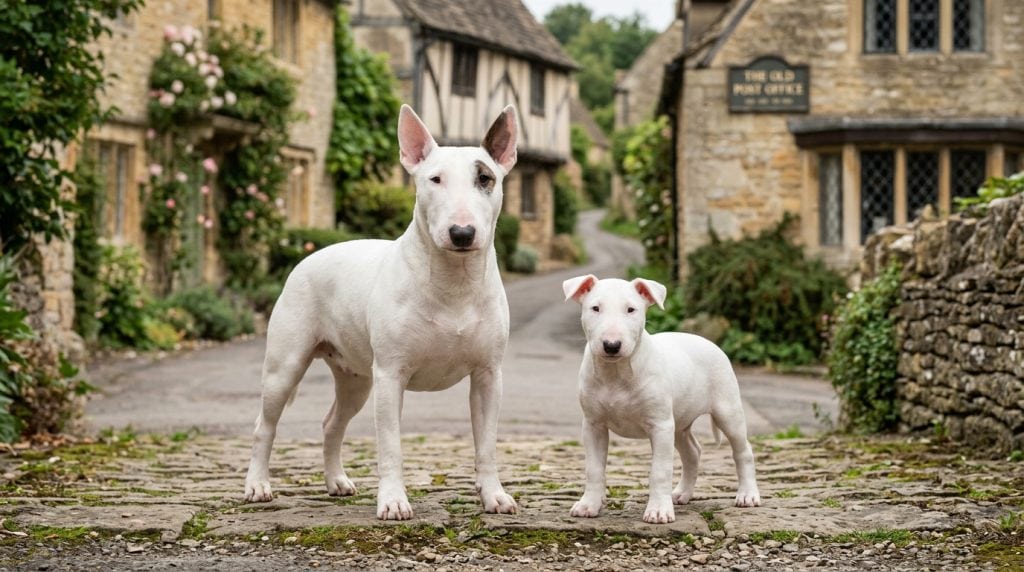
Miniature Bull Terriers are lively and spirited companions known for their strong personalities and playful nature. Despite their small size, they tend to have a bold presence and a distinctive sense of humour that many owners find entertaining. They often form close bonds with their families and enjoy being involved in daily activities, bringing a mix of affection, energy, and independent thinking into the home.
At a glance
Core care
- Size: Small
- Energy: High
- Grooming: Low
- Shedding: Moderate
Support style
- Sensitivity: Moderate
- Training style: Independent
Breed guide
Choose a section to explore. These notes describe common patterns, but individual dogs vary widely.
The Miniature Bull Terrier shares its origins with the larger Bull Terrier and developed in England during the 19th century. The breed emerged from early bull-and-terrier crosses, which combined the strength of Bulldogs with the agility and determination of terriers. Over time, breeders refined these dogs into the distinctive Bull Terrier type we recognise today. Smaller individuals were selectively bred to create the Miniature Bull Terrier while maintaining the same unique appearance and spirited character.
Physically, the Miniature Bull Terrier is compact yet muscular, with a strong build that reflects its terrier heritage. One of the breed’s most recognisable features is its distinctive egg-shaped head and small triangular eyes, giving it an expression that is both determined and curious. Despite their relatively small size, these dogs are sturdy and athletic, often enjoying activities that allow them to run, play, and explore their surroundings.
Temperamentally, Miniature Bull Terriers are often described as playful, confident, and full of personality. Many owners notice their tendency to approach life with enthusiasm, sometimes displaying a mischievous streak that can make them both entertaining and challenging companions. Their intelligence and independence mean they often prefer engaging activities that stimulate both mind and body.
Like many terrier breeds, Miniature Bull Terriers tend to develop strong attachments to their families. They often enjoy being involved in everyday household life and can be affectionate companions when their energy and interaction needs are met. However, their confident nature means they benefit from consistent training, clear boundaries, and early socialisation.
As with all breeds, individual dogs can vary. Genetics, early experiences, and daily environment all influence personality and behaviour. Understanding the breed’s terrier background helps owners provide the structure, enrichment, and engagement that allow Miniature Bull Terriers to thrive.
Miniature Bull Terriers are often described as clowns of the dog world, thanks to their playful and sometimes mischievous nature. They have a social disposition that makes them enjoy being around people, often seeking out attention and affection from their families. This breed tends to form strong bonds with their owners, which can manifest as a desire to be involved in household activities, whether it’s following you around the house or joining in on family playtime.
Their independent streak is a notable aspect of their temperament. While they are affectionate, they also have a mind of their own, which can sometimes lead to stubborn behaviour. This independence can be both a charm and a challenge, as it requires owners to be patient and creative in their approach to training and daily interactions. Understanding this trait helps in managing expectations and developing a harmonious relationship with these spirited dogs.
Sensitivity in Miniature Bull Terriers is moderate, meaning they can be responsive to the emotions and moods of their owners, but they also have a resilient side. This balance allows them to adapt to various situations, though they may not always be the most compliant when it comes to training. Their trainability is often described as independent, requiring a gentle yet consistent approach to reinforce desired behaviours.
Overall, living with a Miniature Bull Terrier involves embracing their unique personality traits. They are not the type of dog to blindly follow commands, but rather they thrive in environments where their individuality is respected and nurtured. Owners often find that these dogs bring a lot of joy and laughter into their lives, provided they are willing to invest time and effort into understanding and working with their distinctive temperament.
A typical day for a Miniature Bull Terrier involves plenty of activity to satisfy their high energy levels. These dogs thrive on regular exercise, which can include brisk walks, play sessions in the garden, or interactive games that challenge both their bodies and minds. Owners often find that incorporating a variety of activities helps keep their Miniature Bull Terrier engaged and happy, as they can quickly become bored with repetitive routines.
Physical exercise is crucial for this breed, but mental stimulation is equally important. Puzzle toys, training sessions, and agility courses can provide the mental enrichment they need. These activities not only help to tire them out but also offer an opportunity for bonding and reinforcing training commands. Owners should be mindful of providing a balance between physical and mental activities to prevent any behavioural issues that can arise from boredom.
As Miniature Bull Terriers age, their exercise needs may change. While puppies and young adults are often full of energy and require more frequent activity, older dogs might prefer shorter, less intense sessions. It’s important for owners to adjust their dog’s routine according to their age and health, ensuring they remain active without overexertion.
Avoiding overexertion is particularly important in hot weather, as this breed can be prone to overheating. Owners should be cautious about exercising their Miniature Bull Terrier during the hottest parts of the day and ensure they have access to plenty of water and shade. By tailoring their exercise routine to suit their individual needs, owners can help their Miniature Bull Terrier lead a healthy and fulfilling life.
Training a Miniature Bull Terrier can feel like a unique adventure, as these dogs often bring their own ideas to the table. Their independent nature means they might not always be eager to follow commands, but they are intelligent and can learn well with the right approach. Positive reinforcement methods, such as treats and praise, tend to work best, as these dogs respond well to encouragement and rewards.
Impulse control is an area where Miniature Bull Terriers may need extra guidance. Their playful nature can sometimes lead to excitable behaviour, especially during playtime or when meeting new people. Consistent training that focuses on rewarding calm behaviour can help mitigate these tendencies. Patience is key, as these dogs may take a little longer to grasp certain concepts, but with persistence, they can learn to manage their impulses.
Adolescence can be a challenging time for Miniature Bull Terrier owners, as their dogs may test boundaries and exhibit increased stubbornness. During this phase, maintaining a consistent training routine is crucial. Owners should focus on reinforcing basic commands and ensuring that training sessions are engaging and varied to hold the dog’s interest.
Building a strong relationship based on trust and mutual respect is essential for successful training. Miniature Bull Terriers thrive in environments where they feel understood and valued, and this connection can make a significant difference in their responsiveness to training. By approaching training with a warm and encouraging attitude, owners can foster a positive learning environment that benefits both them and their dog.
Miniature Bull Terriers often adapt well to a variety of living environments, provided their exercise and social needs are met. They can thrive in both urban and rural settings, as long as they have ample opportunities for physical activity and mental stimulation. Owners often find that these dogs do well in homes where they are included in family activities and have a role to play.
Living with children can be a positive experience for Miniature Bull Terriers, as they tend to enjoy the energy and playfulness that children bring. However, supervision is recommended to ensure that interactions remain safe and enjoyable for both the dog and the children. Teaching children how to interact respectfully with the dog can help foster a harmonious relationship.
When it comes to other pets, Miniature Bull Terriers may exhibit varying levels of compatibility. Some can live peacefully with other animals, while others may display a stronger prey drive or territorial behaviour. Early socialisation and careful introductions can help mitigate potential issues, but owners should be prepared for individual differences in behaviour.
Ultimately, the Miniature Bull Terrier is a breed that thrives in a home where they are valued as a member of the family. They need owners who are willing to invest time and effort into understanding their unique personalities and providing the care and attention they require. With the right environment and approach, these dogs can make delightful and loyal companions.
The health and wellbeing of a Miniature Bull Terrier depend on attentive care and responsible breeding practices. Regular veterinary check-ups play an important role in monitoring overall health and identifying potential concerns early. Preventive care, including vaccinations, parasite control, and routine examinations, helps support a long and active life.
Some health considerations occasionally associated with the breed include skin sensitivities and allergies, which may appear as irritation or discomfort in some dogs. Monitoring the condition of the skin and coat and maintaining a balanced diet can help support overall skin health.
Miniature Bull Terriers are also known to be associated with primary lens luxation (PLL), an inherited eye condition that can affect the stability of the eye’s lens. Responsible breeding programmes often screen breeding dogs for this condition to help reduce its occurrence. Additionally, some Bull Terrier lines may be predisposed to hereditary deafness, particularly in predominantly white dogs.
Maintaining a healthy weight, providing regular exercise, and ensuring consistent veterinary care all contribute to the breed’s long-term wellbeing. Owners who remain attentive to changes in behaviour, vision, hearing, or activity levels can help identify potential issues early and seek appropriate veterinary guidance.
With responsible breeding, preventive healthcare, and a supportive home environment, many Miniature Bull Terriers live active and fulfilling lives as energetic companions.
The Miniature Bull Terrier’s history is rooted in 19th-century England, where they were developed as a smaller version of the Bull Terrier. Their origins lie in the crossing of Bulldogs with various terriers, a blend that aimed to create a dog with the tenacity of a Bulldog and the agility of a terrier. This combination was initially intended for blood sports, but as these practices fell out of favour, the breed found a new role as a companion animal.
The development of the Miniature Bull Terrier was driven by a desire for a dog that retained the Bull Terrier’s distinctive appearance and character, but in a more manageable size. This smaller version was particularly appealing to those living in urban environments, where space was at a premium. Despite their reduced size, Miniature Bull Terriers maintained the robust and energetic nature of their larger counterparts.
Over time, the breed’s popularity grew, and they became known for their playful and spirited personalities. Their unique appearance, characterised by an egg-shaped head and muscular build, made them stand out in the dog world. This distinctive look, combined with their lively temperament, has endeared them to many dog lovers.
Today, the Miniature Bull Terrier is appreciated for its companionship and entertaining nature. Their history as a working and sporting dog has left them with a zest for life and a strong sense of independence, traits that continue to be valued by their owners. Understanding their origins helps explain many of the characteristics that make them such unique and beloved pets.
What shapes individual dogs
- Early social experiences
- Training approach
- Environment & routine
- Genetics & breeding
- Health & pain
- Age / life stage
The Miniature Bull Terrier shares its origins with the larger Bull Terrier and developed in England during the 19th century. The breed emerged from early bull-and-terrier crosses, which combined the strength of Bulldogs with the agility and determination of terriers. Over time, breeders refined these dogs into the distinctive Bull Terrier type we recognise today. Smaller individuals were selectively bred to create the Miniature Bull Terrier while maintaining the same unique appearance and spirited character.
Physically, the Miniature Bull Terrier is compact yet muscular, with a strong build that reflects its terrier heritage. One of the breed’s most recognisable features is its distinctive egg-shaped head and small triangular eyes, giving it an expression that is both determined and curious. Despite their relatively small size, these dogs are sturdy and athletic, often enjoying activities that allow them to run, play, and explore their surroundings.
Temperamentally, Miniature Bull Terriers are often described as playful, confident, and full of personality. Many owners notice their tendency to approach life with enthusiasm, sometimes displaying a mischievous streak that can make them both entertaining and challenging companions. Their intelligence and independence mean they often prefer engaging activities that stimulate both mind and body.
Like many terrier breeds, Miniature Bull Terriers tend to develop strong attachments to their families. They often enjoy being involved in everyday household life and can be affectionate companions when their energy and interaction needs are met. However, their confident nature means they benefit from consistent training, clear boundaries, and early socialisation.
As with all breeds, individual dogs can vary. Genetics, early experiences, and daily environment all influence personality and behaviour. Understanding the breed’s terrier background helps owners provide the structure, enrichment, and engagement that allow Miniature Bull Terriers to thrive.
Miniature Bull Terriers are often described as clowns of the dog world, thanks to their playful and sometimes mischievous nature. They have a social disposition that makes them enjoy being around people, often seeking out attention and affection from their families. This breed tends to form strong bonds with their owners, which can manifest as a desire to be involved in household activities, whether it’s following you around the house or joining in on family playtime.
Their independent streak is a notable aspect of their temperament. While they are affectionate, they also have a mind of their own, which can sometimes lead to stubborn behaviour. This independence can be both a charm and a challenge, as it requires owners to be patient and creative in their approach to training and daily interactions. Understanding this trait helps in managing expectations and developing a harmonious relationship with these spirited dogs.
Sensitivity in Miniature Bull Terriers is moderate, meaning they can be responsive to the emotions and moods of their owners, but they also have a resilient side. This balance allows them to adapt to various situations, though they may not always be the most compliant when it comes to training. Their trainability is often described as independent, requiring a gentle yet consistent approach to reinforce desired behaviours.
Overall, living with a Miniature Bull Terrier involves embracing their unique personality traits. They are not the type of dog to blindly follow commands, but rather they thrive in environments where their individuality is respected and nurtured. Owners often find that these dogs bring a lot of joy and laughter into their lives, provided they are willing to invest time and effort into understanding and working with their distinctive temperament.
A typical day for a Miniature Bull Terrier involves plenty of activity to satisfy their high energy levels. These dogs thrive on regular exercise, which can include brisk walks, play sessions in the garden, or interactive games that challenge both their bodies and minds. Owners often find that incorporating a variety of activities helps keep their Miniature Bull Terrier engaged and happy, as they can quickly become bored with repetitive routines.
Physical exercise is crucial for this breed, but mental stimulation is equally important. Puzzle toys, training sessions, and agility courses can provide the mental enrichment they need. These activities not only help to tire them out but also offer an opportunity for bonding and reinforcing training commands. Owners should be mindful of providing a balance between physical and mental activities to prevent any behavioural issues that can arise from boredom.
As Miniature Bull Terriers age, their exercise needs may change. While puppies and young adults are often full of energy and require more frequent activity, older dogs might prefer shorter, less intense sessions. It’s important for owners to adjust their dog’s routine according to their age and health, ensuring they remain active without overexertion.
Avoiding overexertion is particularly important in hot weather, as this breed can be prone to overheating. Owners should be cautious about exercising their Miniature Bull Terrier during the hottest parts of the day and ensure they have access to plenty of water and shade. By tailoring their exercise routine to suit their individual needs, owners can help their Miniature Bull Terrier lead a healthy and fulfilling life.
Training a Miniature Bull Terrier can feel like a unique adventure, as these dogs often bring their own ideas to the table. Their independent nature means they might not always be eager to follow commands, but they are intelligent and can learn well with the right approach. Positive reinforcement methods, such as treats and praise, tend to work best, as these dogs respond well to encouragement and rewards.
Impulse control is an area where Miniature Bull Terriers may need extra guidance. Their playful nature can sometimes lead to excitable behaviour, especially during playtime or when meeting new people. Consistent training that focuses on rewarding calm behaviour can help mitigate these tendencies. Patience is key, as these dogs may take a little longer to grasp certain concepts, but with persistence, they can learn to manage their impulses.
Adolescence can be a challenging time for Miniature Bull Terrier owners, as their dogs may test boundaries and exhibit increased stubbornness. During this phase, maintaining a consistent training routine is crucial. Owners should focus on reinforcing basic commands and ensuring that training sessions are engaging and varied to hold the dog’s interest.
Building a strong relationship based on trust and mutual respect is essential for successful training. Miniature Bull Terriers thrive in environments where they feel understood and valued, and this connection can make a significant difference in their responsiveness to training. By approaching training with a warm and encouraging attitude, owners can foster a positive learning environment that benefits both them and their dog.
Miniature Bull Terriers often adapt well to a variety of living environments, provided their exercise and social needs are met. They can thrive in both urban and rural settings, as long as they have ample opportunities for physical activity and mental stimulation. Owners often find that these dogs do well in homes where they are included in family activities and have a role to play.
Living with children can be a positive experience for Miniature Bull Terriers, as they tend to enjoy the energy and playfulness that children bring. However, supervision is recommended to ensure that interactions remain safe and enjoyable for both the dog and the children. Teaching children how to interact respectfully with the dog can help foster a harmonious relationship.
When it comes to other pets, Miniature Bull Terriers may exhibit varying levels of compatibility. Some can live peacefully with other animals, while others may display a stronger prey drive or territorial behaviour. Early socialisation and careful introductions can help mitigate potential issues, but owners should be prepared for individual differences in behaviour.
Ultimately, the Miniature Bull Terrier is a breed that thrives in a home where they are valued as a member of the family. They need owners who are willing to invest time and effort into understanding their unique personalities and providing the care and attention they require. With the right environment and approach, these dogs can make delightful and loyal companions.
The health and wellbeing of a Miniature Bull Terrier depend on attentive care and responsible breeding practices. Regular veterinary check-ups play an important role in monitoring overall health and identifying potential concerns early. Preventive care, including vaccinations, parasite control, and routine examinations, helps support a long and active life.
Some health considerations occasionally associated with the breed include skin sensitivities and allergies, which may appear as irritation or discomfort in some dogs. Monitoring the condition of the skin and coat and maintaining a balanced diet can help support overall skin health.
Miniature Bull Terriers are also known to be associated with primary lens luxation (PLL), an inherited eye condition that can affect the stability of the eye’s lens. Responsible breeding programmes often screen breeding dogs for this condition to help reduce its occurrence. Additionally, some Bull Terrier lines may be predisposed to hereditary deafness, particularly in predominantly white dogs.
Maintaining a healthy weight, providing regular exercise, and ensuring consistent veterinary care all contribute to the breed’s long-term wellbeing. Owners who remain attentive to changes in behaviour, vision, hearing, or activity levels can help identify potential issues early and seek appropriate veterinary guidance.
With responsible breeding, preventive healthcare, and a supportive home environment, many Miniature Bull Terriers live active and fulfilling lives as energetic companions.
The Miniature Bull Terrier’s history is rooted in 19th-century England, where they were developed as a smaller version of the Bull Terrier. Their origins lie in the crossing of Bulldogs with various terriers, a blend that aimed to create a dog with the tenacity of a Bulldog and the agility of a terrier. This combination was initially intended for blood sports, but as these practices fell out of favour, the breed found a new role as a companion animal.
The development of the Miniature Bull Terrier was driven by a desire for a dog that retained the Bull Terrier’s distinctive appearance and character, but in a more manageable size. This smaller version was particularly appealing to those living in urban environments, where space was at a premium. Despite their reduced size, Miniature Bull Terriers maintained the robust and energetic nature of their larger counterparts.
Over time, the breed’s popularity grew, and they became known for their playful and spirited personalities. Their unique appearance, characterised by an egg-shaped head and muscular build, made them stand out in the dog world. This distinctive look, combined with their lively temperament, has endeared them to many dog lovers.
Today, the Miniature Bull Terrier is appreciated for its companionship and entertaining nature. Their history as a working and sporting dog has left them with a zest for life and a strong sense of independence, traits that continue to be valued by their owners. Understanding their origins helps explain many of the characteristics that make them such unique and beloved pets.
What shapes individual dogs
- Early social experiences
- Training approach
- Environment & routine
- Genetics & breeding
- Health & pain
- Age / life stage
Want support with this?
This course is ideal for understanding the unique temperament and independent nature of Miniature Bull Terriers.