
Lakeland Terrier
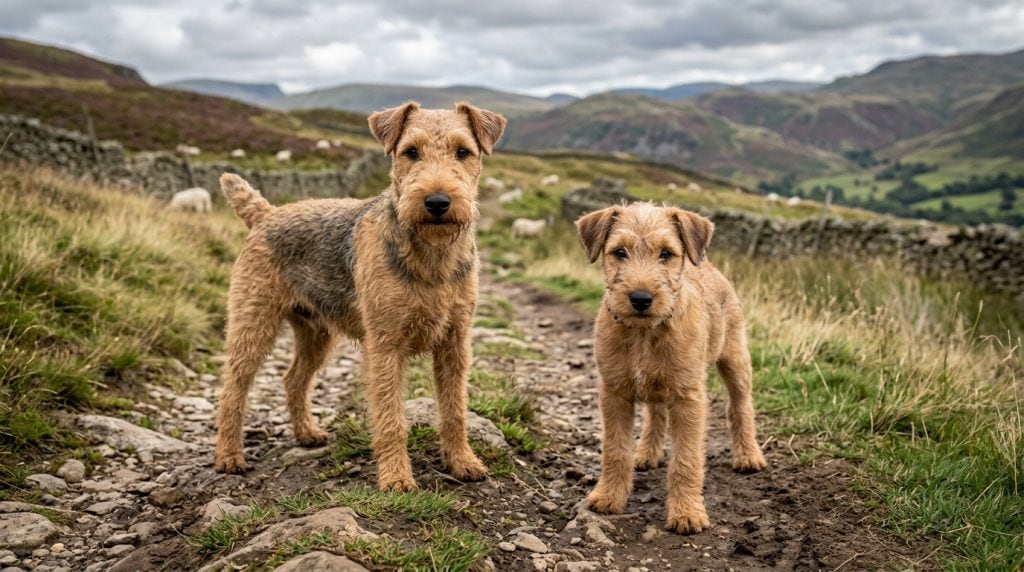
Lakeland Terriers are lively and curious companions known for their bold terrier personality and alert nature. Despite their small size, they often carry themselves with confidence and enthusiasm, bringing energy and character into everyday family life. Many owners enjoy their adventurous spirit and the playful way they explore their surroundings while staying closely connected to their household.
At a glance
Core care
- Size: Small
- Energy: High
- Grooming: Low
- Shedding: Low
Support style
- Sensitivity: Moderate
- Training style: Independent
Breed guide
Choose a section to explore. These notes describe common patterns, but individual dogs vary widely.
The Lakeland Terrier developed in the rugged Lake District of northern England, where farmers needed a small but determined dog capable of controlling foxes that threatened sheep flocks. The terrain in this region was steep, rocky, and difficult to navigate, so these terriers were bred to be agile, resilient, and able to work independently while tracking quarry through challenging landscapes. This working background continues to influence the breed’s confident and energetic nature today.
Physically, the Lakeland Terrier is compact yet sturdy, with a wiry coat that offers protection from harsh weather and rough terrain. Their balanced build allows them to move easily across uneven ground, while their distinctive coat helps shield them from brambles and cold conditions. In modern homes, this coat contributes to the breed’s low shedding qualities, although it still requires regular grooming to maintain its texture and appearance.
Temperamentally, Lakeland Terriers are often described as bold, curious, and full of character. They tend to approach the world with enthusiasm, displaying a natural interest in exploring their surroundings. Many owners notice their dog’s lively personality and sense of independence, traits that reflect their history as working terriers that needed to think and act on their own.
Like many terriers, Lakeland Terriers often develop strong bonds with their families while maintaining a confident and self-assured outlook. Their intelligence and determination can make them engaging companions, especially for owners who enjoy interactive play and training. As with all breeds, individual personalities vary depending on genetics, early experiences, and daily environment.
Lakeland Terriers often present themselves as confident and spirited companions. Owners frequently observe their dog’s natural curiosity and eagerness to explore, which can be both charming and occasionally challenging. This breed tends to be quite independent, a trait that harks back to their working origins, where they needed to make decisions on their own while hunting.
Socially, Lakeland Terriers can be quite engaging, though their interactions often depend on early socialisation experiences. Some may be more reserved around strangers, while others are outgoing and friendly. Their moderate sensitivity means they can be quite attuned to their owner’s emotions, often responding to changes in the household environment. This sensitivity, combined with their independence, can sometimes lead to a stubborn streak, making consistent training important.
In terms of trainability, Lakeland Terriers are known for their independent thinking. This means that while they are intelligent and capable learners, they may not always be eager to follow commands unless they see the benefit. Owners often find that positive reinforcement and patience are key to successful training sessions. It’s important to keep training sessions engaging and varied to maintain their interest.
Overall, living with a Lakeland Terrier means embracing their lively spirit and understanding their unique blend of independence and sensitivity. While they can be a handful at times, their charm and character often win over those who take the time to understand and appreciate their distinctive temperament. Each Lakeland Terrier is an individual, and understanding their specific needs and personality is crucial for a harmonious relationship.
A typical day for a Lakeland Terrier involves a good mix of physical activity and mental stimulation. Given their high energy levels, these dogs thrive on regular exercise, which often includes brisk walks, playtime in a secure garden, and interactive games that challenge their minds. Many owners find that their Lakeland Terrier enjoys activities that mimic their original hunting tasks, such as fetching and scent games.
Physical exercise is crucial for this breed, not only to burn off their abundant energy but also to keep them mentally balanced. Without adequate exercise, Lakeland Terriers can become bored and may resort to digging or other mischievous behaviours as a way to entertain themselves. It’s important to provide a variety of activities to keep their interest piqued and to prevent monotony.
Mental enrichment is equally important for Lakeland Terriers. Puzzle toys, training sessions, and agility courses can all provide the mental challenges they crave. Owners often notice that their dog is happiest when they have a job to do, even if it’s as simple as learning a new trick or solving a food puzzle. These activities not only engage their minds but also help strengthen the bond between dog and owner.
As Lakeland Terriers age, their exercise needs may change. While they may slow down somewhat, they still require regular activity to maintain their health and happiness. Adjusting the intensity and duration of exercise to suit their age and physical condition is important. Overall, a well-exercised Lakeland Terrier is a content and well-behaved companion, ready to relax at home after a day of adventure.
Training a Lakeland Terrier often feels like a dance of patience and creativity. Their independent nature means they may not always be eager to follow commands, but with the right approach, they can be trained effectively. Many owners find that positive reinforcement techniques, such as treats and praise, work well to motivate these intelligent dogs.
Impulse control can be a particular challenge with Lakeland Terriers, especially during adolescence. It’s common for them to test boundaries and explore their independence, which can sometimes lead to stubborn behaviour. Consistent training and clear boundaries are essential during this stage to help them understand what is expected of them.
Building a strong relationship based on trust and respect is crucial when training a Lakeland Terrier. They respond best to training that is engaging and varied, as they can quickly become bored with repetitive tasks. Incorporating play and interactive elements into training sessions can help maintain their interest and make learning a positive experience.
Overall, training a Lakeland Terrier requires patience and a good sense of humour. While they may not always be the easiest dogs to train, their intelligence and eagerness to please can make the process rewarding. Understanding their unique personality and working with their natural tendencies can lead to a well-behaved and happy companion. For those new to dog training, a course like “Puppy Beginnings: Building a Calm Start” can provide valuable insights and techniques.
Lakeland Terriers tend to thrive in homes where they can be active participants in family life. They are well-suited to environments where they have space to explore and play, such as homes with secure gardens. Their small size makes them adaptable to both urban and rural settings, provided they receive enough exercise and mental stimulation.
Owners often find that Lakeland Terriers do well in homes where they have company, as they enjoy being part of the action. They can get along with children, especially if they are raised together, but it’s important to teach children how to interact respectfully with their canine companion. Supervision is always recommended to ensure positive interactions.
When it comes to living with other pets, Lakeland Terriers can coexist peacefully, though their terrier instincts may sometimes lead to a strong prey drive. Early socialisation and training can help mitigate this tendency, but it’s important to monitor interactions with smaller animals, especially those that might trigger their hunting instincts.
Overall, a Lakeland Terrier can be a delightful addition to many households, provided their needs for activity and companionship are met. They bring a lively and spirited presence to the home, and with the right environment and care, they can thrive as part of the family. Prospective owners should consider their lifestyle and whether they can provide the engagement and structure this breed often requires.
The health and wellbeing of a Lakeland Terrier are closely connected to attentive care, regular veterinary check-ups, and responsible breeding practices. Preventive healthcare, including vaccinations, parasite control, and routine examinations, helps support long-term wellbeing and allows potential concerns to be identified early.
Some health considerations occasionally associated with the breed include certain hereditary eye conditions, including lens luxation, which can affect the stability of the eye’s lens. Responsible breeders may screen breeding dogs for these conditions to help reduce their occurrence within the population.
Lakeland Terriers may also be associated with Legg-Calvé-Perthes disease, a condition that can affect the hip joint in smaller breeds. While not every dog will experience this issue, awareness allows owners and veterinarians to monitor mobility and comfort as the dog matures.
Skin sensitivities can also occur in some individuals, particularly if grooming routines are inconsistent or if the coat traps moisture or debris. Regular grooming and coat maintenance can help support healthy skin and overall comfort.
Maintaining a healthy weight, providing regular exercise, and ensuring consistent veterinary care all contribute to the breed’s long-term health. Owners who remain attentive to changes in behaviour, appetite, mobility, or energy levels can help identify potential concerns early and seek veterinary advice when needed.
With responsible breeding, attentive care, and an active lifestyle, many Lakeland Terriers live long and energetic lives as lively companions.
The Lakeland Terrier hails from the picturesque Lake District in England, where it was developed to hunt foxes and protect sheep from predators. This rugged terrain required a dog that was both agile and resilient, traits that are still evident in the breed today. Their history as a working terrier is reflected in their energetic and tenacious nature, which many owners find both challenging and rewarding.
Originally bred for their ability to work independently and with determination, Lakeland Terriers were tasked with navigating difficult landscapes to track and flush out prey. This background explains their strong prey drive and independent streak, traits that are still present in the breed. These characteristics make them both fascinating and sometimes demanding companions.
As the breed developed, it gained recognition for its distinctive appearance and spirited personality. The Lakeland Terrier’s wiry coat and compact build were well-suited to the harsh conditions of their native environment, providing both protection and agility. These physical traits are still appreciated by modern owners who value the breed’s low shedding and manageable size.
Today, the Lakeland Terrier is cherished not only for its historical significance but also for its lively character and companionship. While they may no longer be required to hunt foxes, their spirited nature and zest for life make them a beloved choice for those who appreciate their unique blend of independence and loyalty. Understanding their history helps owners appreciate the traits that make the Lakeland Terrier a distinctive and engaging breed.
What shapes individual dogs
- Early social experiences
- Training approach
- Environment & routine
- Genetics & breeding
- Health & pain
- Age / life stage
The Lakeland Terrier developed in the rugged Lake District of northern England, where farmers needed a small but determined dog capable of controlling foxes that threatened sheep flocks. The terrain in this region was steep, rocky, and difficult to navigate, so these terriers were bred to be agile, resilient, and able to work independently while tracking quarry through challenging landscapes. This working background continues to influence the breed’s confident and energetic nature today.
Physically, the Lakeland Terrier is compact yet sturdy, with a wiry coat that offers protection from harsh weather and rough terrain. Their balanced build allows them to move easily across uneven ground, while their distinctive coat helps shield them from brambles and cold conditions. In modern homes, this coat contributes to the breed’s low shedding qualities, although it still requires regular grooming to maintain its texture and appearance.
Temperamentally, Lakeland Terriers are often described as bold, curious, and full of character. They tend to approach the world with enthusiasm, displaying a natural interest in exploring their surroundings. Many owners notice their dog’s lively personality and sense of independence, traits that reflect their history as working terriers that needed to think and act on their own.
Like many terriers, Lakeland Terriers often develop strong bonds with their families while maintaining a confident and self-assured outlook. Their intelligence and determination can make them engaging companions, especially for owners who enjoy interactive play and training. As with all breeds, individual personalities vary depending on genetics, early experiences, and daily environment.
Lakeland Terriers often present themselves as confident and spirited companions. Owners frequently observe their dog’s natural curiosity and eagerness to explore, which can be both charming and occasionally challenging. This breed tends to be quite independent, a trait that harks back to their working origins, where they needed to make decisions on their own while hunting.
Socially, Lakeland Terriers can be quite engaging, though their interactions often depend on early socialisation experiences. Some may be more reserved around strangers, while others are outgoing and friendly. Their moderate sensitivity means they can be quite attuned to their owner’s emotions, often responding to changes in the household environment. This sensitivity, combined with their independence, can sometimes lead to a stubborn streak, making consistent training important.
In terms of trainability, Lakeland Terriers are known for their independent thinking. This means that while they are intelligent and capable learners, they may not always be eager to follow commands unless they see the benefit. Owners often find that positive reinforcement and patience are key to successful training sessions. It’s important to keep training sessions engaging and varied to maintain their interest.
Overall, living with a Lakeland Terrier means embracing their lively spirit and understanding their unique blend of independence and sensitivity. While they can be a handful at times, their charm and character often win over those who take the time to understand and appreciate their distinctive temperament. Each Lakeland Terrier is an individual, and understanding their specific needs and personality is crucial for a harmonious relationship.
A typical day for a Lakeland Terrier involves a good mix of physical activity and mental stimulation. Given their high energy levels, these dogs thrive on regular exercise, which often includes brisk walks, playtime in a secure garden, and interactive games that challenge their minds. Many owners find that their Lakeland Terrier enjoys activities that mimic their original hunting tasks, such as fetching and scent games.
Physical exercise is crucial for this breed, not only to burn off their abundant energy but also to keep them mentally balanced. Without adequate exercise, Lakeland Terriers can become bored and may resort to digging or other mischievous behaviours as a way to entertain themselves. It’s important to provide a variety of activities to keep their interest piqued and to prevent monotony.
Mental enrichment is equally important for Lakeland Terriers. Puzzle toys, training sessions, and agility courses can all provide the mental challenges they crave. Owners often notice that their dog is happiest when they have a job to do, even if it’s as simple as learning a new trick or solving a food puzzle. These activities not only engage their minds but also help strengthen the bond between dog and owner.
As Lakeland Terriers age, their exercise needs may change. While they may slow down somewhat, they still require regular activity to maintain their health and happiness. Adjusting the intensity and duration of exercise to suit their age and physical condition is important. Overall, a well-exercised Lakeland Terrier is a content and well-behaved companion, ready to relax at home after a day of adventure.
Training a Lakeland Terrier often feels like a dance of patience and creativity. Their independent nature means they may not always be eager to follow commands, but with the right approach, they can be trained effectively. Many owners find that positive reinforcement techniques, such as treats and praise, work well to motivate these intelligent dogs.
Impulse control can be a particular challenge with Lakeland Terriers, especially during adolescence. It’s common for them to test boundaries and explore their independence, which can sometimes lead to stubborn behaviour. Consistent training and clear boundaries are essential during this stage to help them understand what is expected of them.
Building a strong relationship based on trust and respect is crucial when training a Lakeland Terrier. They respond best to training that is engaging and varied, as they can quickly become bored with repetitive tasks. Incorporating play and interactive elements into training sessions can help maintain their interest and make learning a positive experience.
Overall, training a Lakeland Terrier requires patience and a good sense of humour. While they may not always be the easiest dogs to train, their intelligence and eagerness to please can make the process rewarding. Understanding their unique personality and working with their natural tendencies can lead to a well-behaved and happy companion. For those new to dog training, a course like “Puppy Beginnings: Building a Calm Start” can provide valuable insights and techniques.
Lakeland Terriers tend to thrive in homes where they can be active participants in family life. They are well-suited to environments where they have space to explore and play, such as homes with secure gardens. Their small size makes them adaptable to both urban and rural settings, provided they receive enough exercise and mental stimulation.
Owners often find that Lakeland Terriers do well in homes where they have company, as they enjoy being part of the action. They can get along with children, especially if they are raised together, but it’s important to teach children how to interact respectfully with their canine companion. Supervision is always recommended to ensure positive interactions.
When it comes to living with other pets, Lakeland Terriers can coexist peacefully, though their terrier instincts may sometimes lead to a strong prey drive. Early socialisation and training can help mitigate this tendency, but it’s important to monitor interactions with smaller animals, especially those that might trigger their hunting instincts.
Overall, a Lakeland Terrier can be a delightful addition to many households, provided their needs for activity and companionship are met. They bring a lively and spirited presence to the home, and with the right environment and care, they can thrive as part of the family. Prospective owners should consider their lifestyle and whether they can provide the engagement and structure this breed often requires.
The health and wellbeing of a Lakeland Terrier are closely connected to attentive care, regular veterinary check-ups, and responsible breeding practices. Preventive healthcare, including vaccinations, parasite control, and routine examinations, helps support long-term wellbeing and allows potential concerns to be identified early.
Some health considerations occasionally associated with the breed include certain hereditary eye conditions, including lens luxation, which can affect the stability of the eye’s lens. Responsible breeders may screen breeding dogs for these conditions to help reduce their occurrence within the population.
Lakeland Terriers may also be associated with Legg-Calvé-Perthes disease, a condition that can affect the hip joint in smaller breeds. While not every dog will experience this issue, awareness allows owners and veterinarians to monitor mobility and comfort as the dog matures.
Skin sensitivities can also occur in some individuals, particularly if grooming routines are inconsistent or if the coat traps moisture or debris. Regular grooming and coat maintenance can help support healthy skin and overall comfort.
Maintaining a healthy weight, providing regular exercise, and ensuring consistent veterinary care all contribute to the breed’s long-term health. Owners who remain attentive to changes in behaviour, appetite, mobility, or energy levels can help identify potential concerns early and seek veterinary advice when needed.
With responsible breeding, attentive care, and an active lifestyle, many Lakeland Terriers live long and energetic lives as lively companions.
The Lakeland Terrier hails from the picturesque Lake District in England, where it was developed to hunt foxes and protect sheep from predators. This rugged terrain required a dog that was both agile and resilient, traits that are still evident in the breed today. Their history as a working terrier is reflected in their energetic and tenacious nature, which many owners find both challenging and rewarding.
Originally bred for their ability to work independently and with determination, Lakeland Terriers were tasked with navigating difficult landscapes to track and flush out prey. This background explains their strong prey drive and independent streak, traits that are still present in the breed. These characteristics make them both fascinating and sometimes demanding companions.
As the breed developed, it gained recognition for its distinctive appearance and spirited personality. The Lakeland Terrier’s wiry coat and compact build were well-suited to the harsh conditions of their native environment, providing both protection and agility. These physical traits are still appreciated by modern owners who value the breed’s low shedding and manageable size.
Today, the Lakeland Terrier is cherished not only for its historical significance but also for its lively character and companionship. While they may no longer be required to hunt foxes, their spirited nature and zest for life make them a beloved choice for those who appreciate their unique blend of independence and loyalty. Understanding their history helps owners appreciate the traits that make the Lakeland Terrier a distinctive and engaging breed.
What shapes individual dogs
- Early social experiences
- Training approach
- Environment & routine
- Genetics & breeding
- Health & pain
- Age / life stage
Want support with this?
This course is relevant for Lakeland Terrier owners to help navigate the unique challenges of training and socialisation.