
Japanese Akitainu
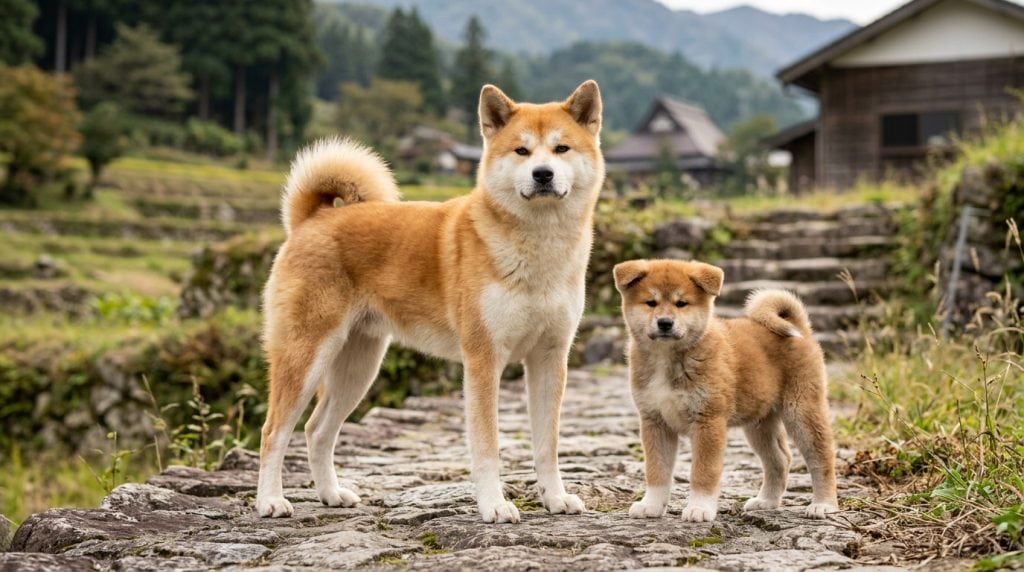
Japanese Akitainu are quiet and dignified companions known for their strong loyalty and composed presence. They often observe their surroundings with a calm attentiveness, forming deep bonds with the people they trust. Many owners appreciate their steady temperament and independent character, which can bring a sense of quiet confidence to the household.
At a glance
Core care
- Size: Large
- Energy: Moderate
- Grooming: Low
- Shedding: High
Support style
- Sensitivity: Moderate
- Training style: Independent
Breed guide
Choose a section to explore. These notes describe common patterns, but individual dogs vary widely.
The Japanese Akitainu originates from the mountainous regions of northern Japan, particularly the Akita Prefecture, where these dogs were historically developed as large-game hunters. Hunters relied on their strength, endurance, and keen senses to pursue challenging quarry such as boar, deer, and occasionally bear. Working in rugged terrain required a dog that could make independent decisions while maintaining a close partnership with its handler.
Physically, the Japanese Akitainu is a large and powerful dog with a balanced, sturdy build. Their thick double coat protects them from harsh weather conditions, while their erect ears and curled tail contribute to the breed’s distinctive and noble appearance. This coat also explains the heavy seasonal shedding that owners typically experience throughout the year.
Temperamentally, Japanese Akitainu are often described as reserved, observant, and deeply loyal to their families. They tend to approach unfamiliar situations with caution, preferring to assess their surroundings before engaging. While they may not constantly seek attention, they often maintain a quiet presence near their family members, showing affection in subtle but meaningful ways.
Because of their history as independent hunting dogs, Japanese Akitainu may display a strong sense of self-reliance. Early socialisation and thoughtful training can help them develop into confident and balanced companions. As with all breeds, individual personalities vary depending on genetics, upbringing, and daily environment.
Japanese Akitainus often exhibit a reserved demeanor, which can sometimes be mistaken for aloofness. However, this breed tends to form deep bonds with their families, showcasing a loyalty that is both steadfast and enduring. They are not typically the type to rush into social situations, preferring instead to observe and assess before engaging. This thoughtful approach to interaction is a hallmark of their temperament.
Their independent nature means they are not always seeking constant attention, which can be a relief for those who appreciate a more low-key companion. However, this doesn’t mean they don’t enjoy company. Many owners notice that their Akitainu will quietly follow them from room to room, content to be near without demanding interaction. This balance of independence and companionship is part of what makes them unique.
Sensitivity in Japanese Akitainus can vary, but many are attuned to the emotions of their household. They may respond to changes in their environment or the mood of their family, often offering a calm presence during stressful times. This sensitivity, combined with their independent streak, can sometimes make training a nuanced process, requiring patience and understanding from their owners.
Trainability with this breed often hinges on mutual respect. They respond best to consistent, positive reinforcement rather than harsh corrections. Understanding their motivations and working with their natural tendencies can lead to a rewarding training experience. As with any breed, individual variation is significant, and what works for one Akitainu might not be as effective for another.
A typical day for a Japanese Akitainu involves a moderate level of activity, reflecting their energy levels. While they are not as high-energy as some breeds, they still require regular exercise to maintain their physical and mental health. A couple of brisk walks each day, combined with some playtime in a secure area, usually suffices to keep them content.
Mental enrichment is equally important for this intelligent breed. Puzzle toys, scent games, and interactive play can help keep their minds engaged. Given their independent nature, they may not always seek out these activities on their own, so owners should be proactive in providing opportunities for enrichment. This can also help prevent boredom-related behaviours that might arise from under-stimulation.
As they age, the exercise needs of a Japanese Akitainu may change. Puppies and younger dogs often have bursts of energy that require more frequent outlets, while older dogs might prefer shorter, more leisurely walks. It’s important to adjust their routine as they grow to ensure they remain healthy and happy throughout their life stages.
Owners should avoid over-exercising young Akitainus, as their growing joints can be sensitive to strain. A balanced approach to exercise, with a mix of physical and mental activities, tends to work best. Observing their energy levels and adjusting activities accordingly can help maintain their well-being over time.
Training a Japanese Akitainu often feels like a journey of mutual respect and understanding. Their independent nature means they may not respond to commands as quickly as some other breeds, but this doesn’t mean they are not intelligent. In fact, they are quite capable learners when approached with patience and consistency.
Positive reinforcement techniques tend to work well with this breed. Rewards such as treats, praise, or play can motivate them to engage in training sessions. It’s important to keep sessions short and varied to maintain their interest, as they may become bored with repetitive tasks. Building a strong relationship based on trust is key to successful training.
Adolescence can be a challenging time for many Akitainus, as their independent streak often becomes more pronounced. Consistency and patience are crucial during this stage. Owners may find it helpful to enrol in a training class that focuses on building impulse control and strengthening the bond between dog and owner.
The importance of relationship and consistency cannot be overstated. Japanese Akitainus thrive when they understand their place within the family structure and when their training is approached with respect for their intelligence and independence. For those new to the breed, the course “Understand Your Dog: Dog Psychology for Beginners” can offer valuable insights into their unique temperament.
The Japanese Akitainu tends to fit well in homes where their independent nature is respected and appreciated. They often do well in environments where they have space to move around and a secure outdoor area to explore. While they are adaptable to various living situations, they may prefer a quieter household where their reserved nature is understood.
Families with older children often find that Akitainus can be excellent companions, as they tend to be patient and protective. However, their independent streak means they may not always be the most playful with younger children, who might not understand their need for space. Supervision and teaching children how to interact respectfully are important.
When it comes to other pets, the Japanese Akitainu’s hunting background can sometimes influence their interactions. They may be more suited to homes without small animals, although many can live peacefully with other dogs, especially if raised together. Early socialisation and careful introductions are key to fostering harmonious relationships.
Ultimately, the best home for a Japanese Akitainu is one where their unique character is appreciated and where they can form a strong bond with their family. Understanding their needs and providing a consistent routine can help them thrive in a variety of settings.
The health and wellbeing of a Japanese Akitainu are closely linked to responsible breeding practices and attentive everyday care. Regular veterinary check-ups play an important role in monitoring their overall health and identifying potential concerns early. Preventive healthcare, including vaccinations, parasite control, and routine examinations, helps support long-term wellbeing.
Some health considerations occasionally associated with the breed include hip dysplasia, which can affect joint mobility in larger dogs. Certain autoimmune conditions have also been reported in Akita-type breeds, which is why responsible breeders often monitor health histories carefully when planning breeding programmes.
Japanese Akitainu may also be associated with certain hereditary eye conditions, including progressive retinal atrophy (PRA). Another condition sometimes noted in the breed is sebaceous adenitis, a skin disorder that affects the sebaceous glands and can influence coat and skin health. Responsible breeding and veterinary monitoring can help manage these concerns.
Maintaining a healthy body weight, providing appropriate exercise, and ensuring regular veterinary care all contribute to the breed’s overall wellbeing. Owners who remain attentive to changes in behaviour, mobility, appetite, or energy levels can help identify potential concerns early and seek veterinary guidance when needed.
With attentive care and responsible breeding practices, many Japanese Akitainu live long and fulfilling lives as loyal companions.
The Japanese Akitainu’s history is deeply intertwined with the culture and geography of Japan. Originating from the mountainous regions of the Akita Prefecture, these dogs were initially bred for hunting large game such as boar and deer. Their role as hunters required them to be strong, resilient, and independent, traits that are still evident in the breed today.
During the early 20th century, the breed faced challenges due to crossbreeding with other dogs, which threatened its purity. Efforts were made to preserve the original characteristics of the Japanese Akitainu, leading to a revival of the breed’s traditional traits. This commitment to maintaining their distinct features has helped the breed retain its unique identity.
The Japanese Akitainu was also used as a guard dog, a role that capitalised on their loyalty and protective instincts. These traits have carried through to modern times, where they are often valued as devoted family companions. Their history as both hunters and protectors has shaped them into a breed that is both independent and deeply connected to their family.
Understanding the history of the Japanese Akitainu provides insight into their behaviour and temperament. Their past as working dogs explains their need for mental and physical stimulation, as well as their reserved nature. This rich history is a testament to their enduring qualities and helps owners appreciate the depth of character that these dogs possess.
What shapes individual dogs
- Early social experiences
- Training approach
- Environment & routine
- Genetics & breeding
- Health & pain
- Age / life stage
The Japanese Akitainu originates from the mountainous regions of northern Japan, particularly the Akita Prefecture, where these dogs were historically developed as large-game hunters. Hunters relied on their strength, endurance, and keen senses to pursue challenging quarry such as boar, deer, and occasionally bear. Working in rugged terrain required a dog that could make independent decisions while maintaining a close partnership with its handler.
Physically, the Japanese Akitainu is a large and powerful dog with a balanced, sturdy build. Their thick double coat protects them from harsh weather conditions, while their erect ears and curled tail contribute to the breed’s distinctive and noble appearance. This coat also explains the heavy seasonal shedding that owners typically experience throughout the year.
Temperamentally, Japanese Akitainu are often described as reserved, observant, and deeply loyal to their families. They tend to approach unfamiliar situations with caution, preferring to assess their surroundings before engaging. While they may not constantly seek attention, they often maintain a quiet presence near their family members, showing affection in subtle but meaningful ways.
Because of their history as independent hunting dogs, Japanese Akitainu may display a strong sense of self-reliance. Early socialisation and thoughtful training can help them develop into confident and balanced companions. As with all breeds, individual personalities vary depending on genetics, upbringing, and daily environment.
Japanese Akitainus often exhibit a reserved demeanor, which can sometimes be mistaken for aloofness. However, this breed tends to form deep bonds with their families, showcasing a loyalty that is both steadfast and enduring. They are not typically the type to rush into social situations, preferring instead to observe and assess before engaging. This thoughtful approach to interaction is a hallmark of their temperament.
Their independent nature means they are not always seeking constant attention, which can be a relief for those who appreciate a more low-key companion. However, this doesn’t mean they don’t enjoy company. Many owners notice that their Akitainu will quietly follow them from room to room, content to be near without demanding interaction. This balance of independence and companionship is part of what makes them unique.
Sensitivity in Japanese Akitainus can vary, but many are attuned to the emotions of their household. They may respond to changes in their environment or the mood of their family, often offering a calm presence during stressful times. This sensitivity, combined with their independent streak, can sometimes make training a nuanced process, requiring patience and understanding from their owners.
Trainability with this breed often hinges on mutual respect. They respond best to consistent, positive reinforcement rather than harsh corrections. Understanding their motivations and working with their natural tendencies can lead to a rewarding training experience. As with any breed, individual variation is significant, and what works for one Akitainu might not be as effective for another.
A typical day for a Japanese Akitainu involves a moderate level of activity, reflecting their energy levels. While they are not as high-energy as some breeds, they still require regular exercise to maintain their physical and mental health. A couple of brisk walks each day, combined with some playtime in a secure area, usually suffices to keep them content.
Mental enrichment is equally important for this intelligent breed. Puzzle toys, scent games, and interactive play can help keep their minds engaged. Given their independent nature, they may not always seek out these activities on their own, so owners should be proactive in providing opportunities for enrichment. This can also help prevent boredom-related behaviours that might arise from under-stimulation.
As they age, the exercise needs of a Japanese Akitainu may change. Puppies and younger dogs often have bursts of energy that require more frequent outlets, while older dogs might prefer shorter, more leisurely walks. It’s important to adjust their routine as they grow to ensure they remain healthy and happy throughout their life stages.
Owners should avoid over-exercising young Akitainus, as their growing joints can be sensitive to strain. A balanced approach to exercise, with a mix of physical and mental activities, tends to work best. Observing their energy levels and adjusting activities accordingly can help maintain their well-being over time.
Training a Japanese Akitainu often feels like a journey of mutual respect and understanding. Their independent nature means they may not respond to commands as quickly as some other breeds, but this doesn’t mean they are not intelligent. In fact, they are quite capable learners when approached with patience and consistency.
Positive reinforcement techniques tend to work well with this breed. Rewards such as treats, praise, or play can motivate them to engage in training sessions. It’s important to keep sessions short and varied to maintain their interest, as they may become bored with repetitive tasks. Building a strong relationship based on trust is key to successful training.
Adolescence can be a challenging time for many Akitainus, as their independent streak often becomes more pronounced. Consistency and patience are crucial during this stage. Owners may find it helpful to enrol in a training class that focuses on building impulse control and strengthening the bond between dog and owner.
The importance of relationship and consistency cannot be overstated. Japanese Akitainus thrive when they understand their place within the family structure and when their training is approached with respect for their intelligence and independence. For those new to the breed, the course “Understand Your Dog: Dog Psychology for Beginners” can offer valuable insights into their unique temperament.
The Japanese Akitainu tends to fit well in homes where their independent nature is respected and appreciated. They often do well in environments where they have space to move around and a secure outdoor area to explore. While they are adaptable to various living situations, they may prefer a quieter household where their reserved nature is understood.
Families with older children often find that Akitainus can be excellent companions, as they tend to be patient and protective. However, their independent streak means they may not always be the most playful with younger children, who might not understand their need for space. Supervision and teaching children how to interact respectfully are important.
When it comes to other pets, the Japanese Akitainu’s hunting background can sometimes influence their interactions. They may be more suited to homes without small animals, although many can live peacefully with other dogs, especially if raised together. Early socialisation and careful introductions are key to fostering harmonious relationships.
Ultimately, the best home for a Japanese Akitainu is one where their unique character is appreciated and where they can form a strong bond with their family. Understanding their needs and providing a consistent routine can help them thrive in a variety of settings.
The health and wellbeing of a Japanese Akitainu are closely linked to responsible breeding practices and attentive everyday care. Regular veterinary check-ups play an important role in monitoring their overall health and identifying potential concerns early. Preventive healthcare, including vaccinations, parasite control, and routine examinations, helps support long-term wellbeing.
Some health considerations occasionally associated with the breed include hip dysplasia, which can affect joint mobility in larger dogs. Certain autoimmune conditions have also been reported in Akita-type breeds, which is why responsible breeders often monitor health histories carefully when planning breeding programmes.
Japanese Akitainu may also be associated with certain hereditary eye conditions, including progressive retinal atrophy (PRA). Another condition sometimes noted in the breed is sebaceous adenitis, a skin disorder that affects the sebaceous glands and can influence coat and skin health. Responsible breeding and veterinary monitoring can help manage these concerns.
Maintaining a healthy body weight, providing appropriate exercise, and ensuring regular veterinary care all contribute to the breed’s overall wellbeing. Owners who remain attentive to changes in behaviour, mobility, appetite, or energy levels can help identify potential concerns early and seek veterinary guidance when needed.
With attentive care and responsible breeding practices, many Japanese Akitainu live long and fulfilling lives as loyal companions.
The Japanese Akitainu’s history is deeply intertwined with the culture and geography of Japan. Originating from the mountainous regions of the Akita Prefecture, these dogs were initially bred for hunting large game such as boar and deer. Their role as hunters required them to be strong, resilient, and independent, traits that are still evident in the breed today.
During the early 20th century, the breed faced challenges due to crossbreeding with other dogs, which threatened its purity. Efforts were made to preserve the original characteristics of the Japanese Akitainu, leading to a revival of the breed’s traditional traits. This commitment to maintaining their distinct features has helped the breed retain its unique identity.
The Japanese Akitainu was also used as a guard dog, a role that capitalised on their loyalty and protective instincts. These traits have carried through to modern times, where they are often valued as devoted family companions. Their history as both hunters and protectors has shaped them into a breed that is both independent and deeply connected to their family.
Understanding the history of the Japanese Akitainu provides insight into their behaviour and temperament. Their past as working dogs explains their need for mental and physical stimulation, as well as their reserved nature. This rich history is a testament to their enduring qualities and helps owners appreciate the depth of character that these dogs possess.
What shapes individual dogs
- Early social experiences
- Training approach
- Environment & routine
- Genetics & breeding
- Health & pain
- Age / life stage
Want support with this?
This course offers valuable insights into the unique temperament of the Japanese Akitainu, helping owners build a strong, respectful relationship.