
German Pinscher
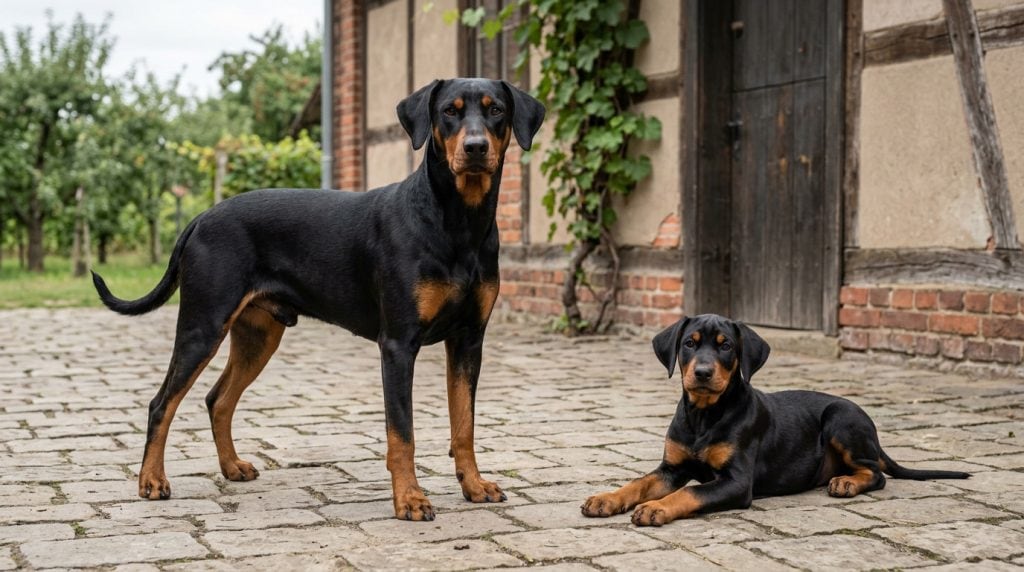
German Pinschers are energetic and intelligent companions known for their alert awareness and strong loyalty to their families. Their confident nature and quick thinking often make them attentive participants in everyday household life. Many owners appreciate the breed’s spirited personality and the close bond they tend to develop with the people around them.
At a glance
Core care
- Size: Medium
- Energy: High
- Grooming: Low
- Shedding: Low
Support style
- Sensitivity: Moderate
- Training style: Willing
Breed guide
Choose a section to explore. These notes describe common patterns, but individual dogs vary widely.
The German Pinscher developed in Germany as a versatile farm and stable dog, valued for controlling vermin and acting as an alert watchdog. These dogs were commonly found in carriage houses and farmyards, where their intelligence and quick reactions made them effective at protecting property and keeping rodent populations under control.
Physically, the German Pinscher is a medium-sized dog with a sleek, muscular build that reflects its active working background. Their short coat requires relatively little grooming, making them practical companions for owners who prefer low-maintenance care. Despite their refined appearance, they are strong, agile dogs capable of impressive speed and endurance.
Temperamentally, German Pinschers are often described as confident, intelligent, and energetic. They tend to be highly aware of their surroundings and may show natural watchdog instincts. Many owners find them engaging and playful companions who enjoy participating in family activities.
As with all breeds, individual personalities vary depending on genetics, upbringing, and life experiences. Understanding the breed’s background as a working farm dog helps explain its alertness, energy, and strong attachment to its family.
German Pinschers are often described as having a lively and engaging social nature. Many owners find that these dogs are happiest when they are involved in family activities, whether that means joining in on a walk or simply being present in the room. This desire to be part of the action reflects their historical role as working dogs, where being alert and responsive was essential.
Their behavioural tendencies are shaped by their intelligence and willingness to learn. German Pinschers are known for their quick thinking and adaptability, which can be both a delight and a challenge for their owners. They often pick up on cues and routines quickly, making them responsive to training and eager to engage in new activities. However, their intelligence also means they can become bored if not sufficiently stimulated, so mental enrichment is just as important as physical exercise.
The moderate sensitivity of the German Pinscher means they are often attuned to the emotions and dynamics of their household. This can make them excellent companions, as they are able to sense when their owners are in need of comfort or companionship. However, it also means they may require gentle handling and positive reinforcement to thrive, as harsh training methods can be counterproductive.
Overall, living with a German Pinscher is likely to be a rewarding experience for those who appreciate a dog with a strong personality and a keen mind. While they may have a tendency to be independent at times, they are also known for their loyalty and affection towards their families. As with any breed, there will be variations in temperament and behaviour, so understanding and patience are key to building a strong bond with these spirited dogs.
A typical day with a German Pinscher often involves a good deal of activity. These dogs have high energy levels and thrive on regular exercise, which helps to keep them both physically and mentally fit. Owners might start the day with a brisk walk or a run, allowing their dog to expend some of that pent-up energy and engage with their surroundings. This is not just about physical exercise; it’s also a chance for mental stimulation as they encounter new sights and smells.
In addition to walks, German Pinschers benefit from activities that challenge their minds. Puzzle toys, training sessions, and interactive games can all provide the mental enrichment these intelligent dogs crave. Owners often find that their Pinscher enjoys problem-solving tasks, which can help prevent boredom and the behavioural issues that can arise from it. It’s important to vary activities to keep them engaged, as they can quickly lose interest in repetitive tasks.
As they age, the exercise needs of a German Pinscher may change. While puppies and young adults are often full of energy and require more frequent outings, older dogs may prefer shorter, more leisurely walks. However, maintaining a routine that includes both physical and mental stimulation is crucial at all stages of life to ensure their overall wellbeing.
It’s also worth noting that while German Pinschers are energetic, they are not hyperactive. They do appreciate downtime and can be quite content to relax at home after a busy day. Owners should aim to balance activity with rest, providing a comfortable space for their dog to unwind. Understanding these needs helps to create a harmonious daily routine that suits both the dog and the household.
Training a German Pinscher often feels like working with a keen and attentive student. These dogs are known for their willingness to learn and their ability to pick up new commands quickly. Many owners find that positive reinforcement methods, such as treats and praise, work particularly well with this breed. The key is to keep training sessions engaging and varied, as their intelligent minds can become bored with repetition.
Impulse control can be an area where German Pinschers need a bit more guidance. Their natural alertness and curiosity mean they can sometimes be distracted by their surroundings. Consistent training that focuses on maintaining their attention and reinforcing calm behaviour can be beneficial. Owners often find that using games and interactive activities as part of training helps to keep their dog focused and interested.
Adolescence can bring its own set of challenges, as with many breeds. During this stage, a German Pinscher may test boundaries and exhibit more independent behaviour. Patience and consistency are crucial during this time. Continuing with regular training and maintaining a structured routine can help guide them through this phase without too much disruption.
The relationship between owner and dog is central to successful training. German Pinschers respond well to a bond built on trust and mutual respect. By understanding their needs and motivations, owners can create a positive training environment that encourages their dog to thrive. For those new to the breed, or even to dog ownership, seeking guidance from training courses or professionals can provide valuable support and insight.
The German Pinscher can adapt well to a variety of living environments, provided their exercise and companionship needs are met. They are well-suited to active households where they can be part of the daily routine. A home with a secure garden can be beneficial, giving them space to explore and play safely. However, they can also thrive in urban settings if they receive adequate exercise and mental stimulation.
Owners often find that German Pinschers integrate well into family life. They can be affectionate and protective, forming strong bonds with their human companions. While they generally do well with children, it’s important to supervise interactions, especially with younger kids, to ensure play remains gentle and safe. Early socialisation can help them become more comfortable with different people and environments, enhancing their adaptability.
When it comes to other pets, German Pinschers may exhibit varying levels of tolerance. Their historical role as vermin hunters means they might have a strong prey drive, which can be a consideration if there are smaller animals in the home. With proper introductions and training, many German Pinschers can learn to coexist peacefully with other dogs and pets, though individual temperament will play a significant role.
Ultimately, the German Pinscher is a versatile breed that can fit into many different lifestyles, as long as their needs for activity, companionship, and mental engagement are met. Prospective owners should consider their own lifestyle and how a German Pinscher might complement it, ensuring that they can provide the environment and attention this energetic breed requires.
Health is a key aspect of a German Pinscher’s overall wellbeing, influencing their behaviour and quality of life. These dogs are generally healthy, but like all breeds, they can be prone to certain health issues. Regular veterinary check-ups are essential to monitor their health and catch any potential problems early. Preventive care, including vaccinations and parasite control, is crucial in maintaining their health.
Some health considerations for German Pinschers include hip dysplasia and eye conditions. Responsible breeding practices have helped to minimise these issues, but it’s still important for owners to be aware of them. Maintaining a healthy weight through proper diet and exercise can help reduce the risk of joint problems, while regular eye checks can catch any issues before they become serious.
Behaviourally, a healthy German Pinscher is typically active and alert. Any sudden changes in behaviour, such as lethargy or reluctance to exercise, should be taken seriously and discussed with a vet. Dental health is another important aspect, as dental issues can affect their overall health. Regular brushing and dental chews can help keep their teeth and gums healthy.
In addition to physical health, mental wellbeing is important. Ensuring they receive enough mental stimulation and social interaction can prevent stress-related behaviours. Owners should be attentive to their dog’s needs and seek veterinary advice if they notice any concerning signs. With proper care and attention, a German Pinscher can enjoy a healthy and fulfilling life.
The German Pinscher has a rich history that dates back to the 19th century in Germany. Originally bred as a versatile working dog, they were primarily used for controlling vermin and guarding properties. Their keen instincts and alert nature made them highly valued on farms and in households. This working background is still evident in the breed’s modern characteristics, such as their vigilance and protective instincts.
The breed’s development involved crossing various breeds, including the now-extinct German Bibarhund and the Rat Pinscher. These crosses were aimed at creating a dog that was both agile and robust, capable of handling a variety of tasks. Over time, the German Pinscher became known for its intelligence and adaptability, traits that continue to be appreciated by owners today.
During the World Wars, the breed faced a decline in numbers, but dedicated breeders worked to preserve the German Pinscher’s lineage. Their efforts ensured that the breed survived and continued to thrive, eventually gaining recognition from kennel clubs around the world. This history of resilience and adaptability is reflected in the breed’s ability to fit into modern family life while retaining their working dog instincts.
Today, the German Pinscher is celebrated for its spirited personality and versatility. Owners often recognise the breed’s historical traits in their modern companions, such as their alertness and eagerness to engage in activities. Understanding this history helps to appreciate the breed’s unique qualities and the role they can play in a contemporary household.
What shapes individual dogs
- Early social experiences
- Training approach
- Environment & routine
- Genetics & breeding
- Health & pain
- Age / life stage
The German Pinscher developed in Germany as a versatile farm and stable dog, valued for controlling vermin and acting as an alert watchdog. These dogs were commonly found in carriage houses and farmyards, where their intelligence and quick reactions made them effective at protecting property and keeping rodent populations under control.
Physically, the German Pinscher is a medium-sized dog with a sleek, muscular build that reflects its active working background. Their short coat requires relatively little grooming, making them practical companions for owners who prefer low-maintenance care. Despite their refined appearance, they are strong, agile dogs capable of impressive speed and endurance.
Temperamentally, German Pinschers are often described as confident, intelligent, and energetic. They tend to be highly aware of their surroundings and may show natural watchdog instincts. Many owners find them engaging and playful companions who enjoy participating in family activities.
As with all breeds, individual personalities vary depending on genetics, upbringing, and life experiences. Understanding the breed’s background as a working farm dog helps explain its alertness, energy, and strong attachment to its family.
German Pinschers are often described as having a lively and engaging social nature. Many owners find that these dogs are happiest when they are involved in family activities, whether that means joining in on a walk or simply being present in the room. This desire to be part of the action reflects their historical role as working dogs, where being alert and responsive was essential.
Their behavioural tendencies are shaped by their intelligence and willingness to learn. German Pinschers are known for their quick thinking and adaptability, which can be both a delight and a challenge for their owners. They often pick up on cues and routines quickly, making them responsive to training and eager to engage in new activities. However, their intelligence also means they can become bored if not sufficiently stimulated, so mental enrichment is just as important as physical exercise.
The moderate sensitivity of the German Pinscher means they are often attuned to the emotions and dynamics of their household. This can make them excellent companions, as they are able to sense when their owners are in need of comfort or companionship. However, it also means they may require gentle handling and positive reinforcement to thrive, as harsh training methods can be counterproductive.
Overall, living with a German Pinscher is likely to be a rewarding experience for those who appreciate a dog with a strong personality and a keen mind. While they may have a tendency to be independent at times, they are also known for their loyalty and affection towards their families. As with any breed, there will be variations in temperament and behaviour, so understanding and patience are key to building a strong bond with these spirited dogs.
A typical day with a German Pinscher often involves a good deal of activity. These dogs have high energy levels and thrive on regular exercise, which helps to keep them both physically and mentally fit. Owners might start the day with a brisk walk or a run, allowing their dog to expend some of that pent-up energy and engage with their surroundings. This is not just about physical exercise; it’s also a chance for mental stimulation as they encounter new sights and smells.
In addition to walks, German Pinschers benefit from activities that challenge their minds. Puzzle toys, training sessions, and interactive games can all provide the mental enrichment these intelligent dogs crave. Owners often find that their Pinscher enjoys problem-solving tasks, which can help prevent boredom and the behavioural issues that can arise from it. It’s important to vary activities to keep them engaged, as they can quickly lose interest in repetitive tasks.
As they age, the exercise needs of a German Pinscher may change. While puppies and young adults are often full of energy and require more frequent outings, older dogs may prefer shorter, more leisurely walks. However, maintaining a routine that includes both physical and mental stimulation is crucial at all stages of life to ensure their overall wellbeing.
It’s also worth noting that while German Pinschers are energetic, they are not hyperactive. They do appreciate downtime and can be quite content to relax at home after a busy day. Owners should aim to balance activity with rest, providing a comfortable space for their dog to unwind. Understanding these needs helps to create a harmonious daily routine that suits both the dog and the household.
Training a German Pinscher often feels like working with a keen and attentive student. These dogs are known for their willingness to learn and their ability to pick up new commands quickly. Many owners find that positive reinforcement methods, such as treats and praise, work particularly well with this breed. The key is to keep training sessions engaging and varied, as their intelligent minds can become bored with repetition.
Impulse control can be an area where German Pinschers need a bit more guidance. Their natural alertness and curiosity mean they can sometimes be distracted by their surroundings. Consistent training that focuses on maintaining their attention and reinforcing calm behaviour can be beneficial. Owners often find that using games and interactive activities as part of training helps to keep their dog focused and interested.
Adolescence can bring its own set of challenges, as with many breeds. During this stage, a German Pinscher may test boundaries and exhibit more independent behaviour. Patience and consistency are crucial during this time. Continuing with regular training and maintaining a structured routine can help guide them through this phase without too much disruption.
The relationship between owner and dog is central to successful training. German Pinschers respond well to a bond built on trust and mutual respect. By understanding their needs and motivations, owners can create a positive training environment that encourages their dog to thrive. For those new to the breed, or even to dog ownership, seeking guidance from training courses or professionals can provide valuable support and insight.
The German Pinscher can adapt well to a variety of living environments, provided their exercise and companionship needs are met. They are well-suited to active households where they can be part of the daily routine. A home with a secure garden can be beneficial, giving them space to explore and play safely. However, they can also thrive in urban settings if they receive adequate exercise and mental stimulation.
Owners often find that German Pinschers integrate well into family life. They can be affectionate and protective, forming strong bonds with their human companions. While they generally do well with children, it’s important to supervise interactions, especially with younger kids, to ensure play remains gentle and safe. Early socialisation can help them become more comfortable with different people and environments, enhancing their adaptability.
When it comes to other pets, German Pinschers may exhibit varying levels of tolerance. Their historical role as vermin hunters means they might have a strong prey drive, which can be a consideration if there are smaller animals in the home. With proper introductions and training, many German Pinschers can learn to coexist peacefully with other dogs and pets, though individual temperament will play a significant role.
Ultimately, the German Pinscher is a versatile breed that can fit into many different lifestyles, as long as their needs for activity, companionship, and mental engagement are met. Prospective owners should consider their own lifestyle and how a German Pinscher might complement it, ensuring that they can provide the environment and attention this energetic breed requires.
Health is a key aspect of a German Pinscher’s overall wellbeing, influencing their behaviour and quality of life. These dogs are generally healthy, but like all breeds, they can be prone to certain health issues. Regular veterinary check-ups are essential to monitor their health and catch any potential problems early. Preventive care, including vaccinations and parasite control, is crucial in maintaining their health.
Some health considerations for German Pinschers include hip dysplasia and eye conditions. Responsible breeding practices have helped to minimise these issues, but it’s still important for owners to be aware of them. Maintaining a healthy weight through proper diet and exercise can help reduce the risk of joint problems, while regular eye checks can catch any issues before they become serious.
Behaviourally, a healthy German Pinscher is typically active and alert. Any sudden changes in behaviour, such as lethargy or reluctance to exercise, should be taken seriously and discussed with a vet. Dental health is another important aspect, as dental issues can affect their overall health. Regular brushing and dental chews can help keep their teeth and gums healthy.
In addition to physical health, mental wellbeing is important. Ensuring they receive enough mental stimulation and social interaction can prevent stress-related behaviours. Owners should be attentive to their dog’s needs and seek veterinary advice if they notice any concerning signs. With proper care and attention, a German Pinscher can enjoy a healthy and fulfilling life.
The German Pinscher has a rich history that dates back to the 19th century in Germany. Originally bred as a versatile working dog, they were primarily used for controlling vermin and guarding properties. Their keen instincts and alert nature made them highly valued on farms and in households. This working background is still evident in the breed’s modern characteristics, such as their vigilance and protective instincts.
The breed’s development involved crossing various breeds, including the now-extinct German Bibarhund and the Rat Pinscher. These crosses were aimed at creating a dog that was both agile and robust, capable of handling a variety of tasks. Over time, the German Pinscher became known for its intelligence and adaptability, traits that continue to be appreciated by owners today.
During the World Wars, the breed faced a decline in numbers, but dedicated breeders worked to preserve the German Pinscher’s lineage. Their efforts ensured that the breed survived and continued to thrive, eventually gaining recognition from kennel clubs around the world. This history of resilience and adaptability is reflected in the breed’s ability to fit into modern family life while retaining their working dog instincts.
Today, the German Pinscher is celebrated for its spirited personality and versatility. Owners often recognise the breed’s historical traits in their modern companions, such as their alertness and eagerness to engage in activities. Understanding this history helps to appreciate the breed’s unique qualities and the role they can play in a contemporary household.
What shapes individual dogs
- Early social experiences
- Training approach
- Environment & routine
- Genetics & breeding
- Health & pain
- Age / life stage
Want support with this?
This course is relevant for German Pinscher owners to better understand their dog's complex temperament and behavioural nuances.