
Finnish Spitz
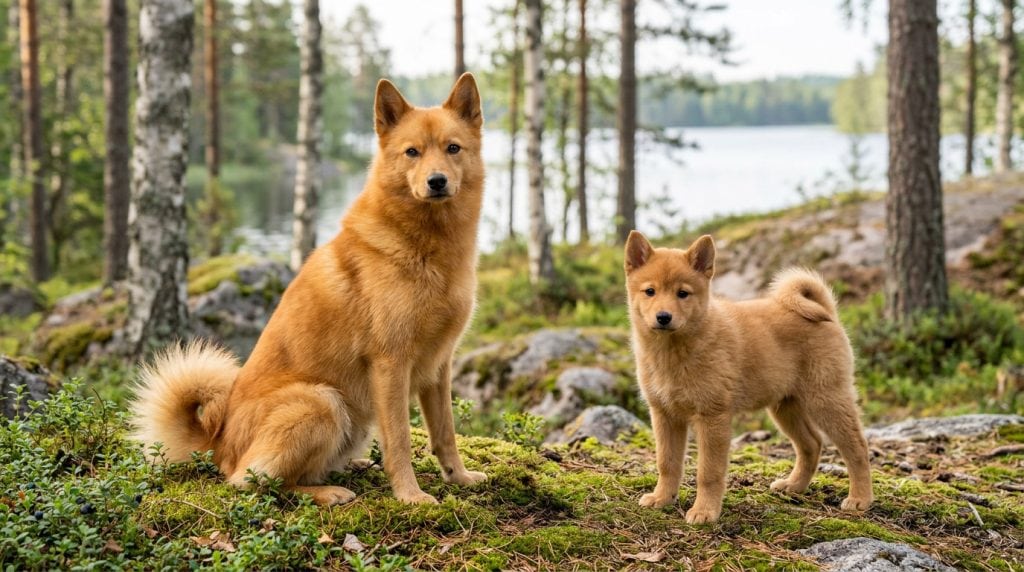
Living with a Finnish Spitz is like having a lively companion who thrives on interaction and activity. Their alert nature and distinctive vocalisation make them stand out, often acting as a vigilant presence in the home. Owners quickly learn that these dogs enjoy being part of the family dynamic, engaging in play and outdoor adventures with enthusiasm.
At a glance
Core care
- Size: Medium
- Energy: High
- Grooming: Low
- Shedding: Moderate
Support style
- Sensitivity: Moderate
- Training style: Independent
Breed guide
Choose a section to explore. These notes describe common patterns, but individual dogs vary widely.
The Finnish Spitz has its roots as a hunting dog in the dense forests of Finland, where it was bred to track and alert hunters to the presence of game birds. This history is reflected in their modern-day alertness and vocal nature, as many owners find them to be keen observers of their environment. These dogs have retained their instinct to communicate through barking, which can be both a charming and a challenging trait.
Physically, the Finnish Spitz is a medium-sized dog with a fox-like appearance, characterised by a dense, golden-red coat and a bushy tail that curls over the back. Their physical build is both elegant and functional, allowing them to move with agility and grace. In everyday life, this means they are well-suited to active households where they can partake in regular physical activities. Their coat, while beautiful, requires moderate grooming to keep it in good condition.
Temperamentally, Finnish Spitz dogs are known for their independence. They are not typically the type to follow commands blindly, but rather, they enjoy engaging in activities that stimulate their minds. Owners often notice that these dogs are affectionate with their families but can be reserved with strangers. This independent streak means they may not always seek constant attention, but they do appreciate companionship and interaction on their own terms.
When considering a Finnish Spitz, it’s important to remember that each dog is an individual. While they generally share certain traits, such as their alertness and vocal nature, there can be significant variation in temperament and behaviour. Factors such as genetics, upbringing, and environment all play a role in shaping the personality of each Finnish Spitz, making them unique companions.
Finnish Spitz dogs are often described as having a lively and engaging personality. They tend to be quite social with their families, enjoying the company of those they know well. This breed’s social nature often manifests in their desire to be involved in family activities, whether it’s a walk in the park or a game in the backyard. They are known for their playful spirit, which can bring a lot of joy to their households.
However, their independent streak can sometimes make them seem aloof, especially with strangers. This independence is a remnant of their working origins, where they needed to think and act on their own while hunting. Owners often notice that while their Finnish Spitz may not always be the first to greet guests, they can be quite affectionate once they warm up to someone. This breed’s moderate sensitivity means they can pick up on the emotions of those around them, which can be both endearing and challenging.
In terms of trainability, Finnish Spitz dogs are known for their intelligence but also their stubbornness. They may not respond well to harsh training methods, preferring a more patient and positive approach. Consistency and understanding are key when training this breed, as they respond best to encouragement rather than force. Their independent nature means they may not always follow commands immediately, but with patience, they can learn a wide range of skills.
Owners should be prepared for a dog that communicates vocally. Finnish Spitz are known for their barking, which is a trait that can be managed with proper training and socialisation. Understanding this aspect of their temperament is crucial for potential owners, as it can be a defining characteristic of living with a Finnish Spitz. Overall, they are a breed that thrives on interaction and enjoys being part of the family dynamic.
A typical day for a Finnish Spitz involves a good amount of physical activity, as they are a high-energy breed. Owners often find that their Finnish Spitz enjoys a mix of walks, playtime, and mental stimulation. This breed thrives in environments where they can explore and use their natural instincts, so activities like hiking or playing fetch are great ways to keep them engaged and happy.
Given their energy levels, Finnish Spitz dogs benefit from at least an hour of exercise each day. This can be broken up into multiple sessions, allowing them to burn off energy and satisfy their curiosity. Mental enrichment is equally important, as these dogs are intelligent and enjoy problem-solving activities. Puzzle toys, scent games, and training sessions can all provide the mental stimulation they need.
As with many breeds, the exercise needs of a Finnish Spitz can change as they age. Puppies and young adults are typically more energetic and require more frequent activity, while older dogs may prefer shorter, gentler walks. It’s important for owners to adjust their routines to accommodate their dog’s changing needs, ensuring they remain healthy and content throughout their lives.
While exercise is crucial, it’s also important not to overdo it, especially in very young or older dogs. Finnish Spitz puppies should have their exercise carefully monitored to avoid putting too much strain on developing joints. Similarly, senior dogs may need more rest and less intense activities. By paying attention to their dog’s individual needs, owners can help ensure their Finnish Spitz remains a happy and healthy companion.
Training a Finnish Spitz can sometimes feel like a balancing act between understanding their independent nature and encouraging their intelligence. Many owners find that these dogs respond best to positive reinforcement techniques, where patience and consistency are key. Harsh methods are generally not effective, as this breed tends to shut down if they feel pressured or misunderstood.
Impulse control can be a particular challenge with Finnish Spitz, especially during adolescence. This is a time when they may test boundaries and show a more stubborn side. Owners often find that maintaining a routine and setting clear expectations helps guide their Finnish Spitz through this developmental stage. Engaging them in activities that require focus, such as agility or obedience training, can also be beneficial.
The relationship between the owner and their Finnish Spitz is crucial in training. Building a bond based on trust and mutual respect can make a significant difference in how these dogs respond to training. They are more likely to engage and cooperate when they feel understood and valued. This means taking the time to learn what motivates them, whether it’s treats, toys, or praise.
Consistency is another important factor in training a Finnish Spitz. They thrive in environments where they know what to expect, and where rules are applied consistently. This helps them understand their role within the family and what is expected of them. With the right approach, owners can enjoy a rewarding training experience that strengthens their bond with their Finnish Spitz.
The Finnish Spitz tends to thrive in homes where they have space to move and explore. They are well-suited to families who enjoy outdoor activities and can provide plenty of opportunities for exercise and mental stimulation. A home with a secure garden can be ideal, allowing them to safely indulge their natural curiosity and playfulness.
While they can adapt to various living situations, Finnish Spitz dogs often do best in environments where they are not left alone for long periods. They enjoy being part of the family and can become bored or anxious if isolated. Owners often find that their Finnish Spitz is happiest when they have a role to play, whether it’s joining in on family outings or participating in training sessions.
Living with children can be a positive experience for a Finnish Spitz, as they tend to enjoy play and interaction. However, as with any breed, supervision is important to ensure that play remains safe and enjoyable for both the dog and the children. Finnish Spitz can also coexist with other pets, particularly if they are introduced at a young age and socialised properly.
Ultimately, the Finnish Spitz is a breed that benefits from an active and engaged lifestyle. They are not typically suited to sedentary living or environments where they are expected to be quiet and inactive. By understanding their needs and providing a stimulating environment, owners can ensure that their Finnish Spitz is a happy and well-adjusted member of the family.
The health and wellbeing of a Finnish Spitz are closely linked to their everyday lifestyle. Regular exercise, a balanced diet, and routine veterinary care are all essential components of maintaining their health. Owners often find that a healthy Finnish Spitz is an active and alert companion, eager to engage with the world around them.
While generally a healthy breed, Finnish Spitz dogs can be prone to certain health issues. Hip dysplasia and patellar luxation are conditions that may affect this breed, so regular check-ups and monitoring are important. Early detection and management can help mitigate the impact of these conditions, ensuring a better quality of life for the dog.
Preventive care is crucial in maintaining the health of a Finnish Spitz. Regular dental care, vaccinations, and parasite control are all part of a comprehensive health plan. Owners should also be mindful of their dog’s weight, as obesity can exacerbate joint issues and lead to other health problems.
If any health concerns arise, seeking veterinary advice promptly is important. Finnish Spitz owners often find reassurance in having a trusted veterinarian who understands the breed’s specific needs. By staying informed and proactive about their dog’s health, owners can help ensure a long and healthy life for their Finnish Spitz.
The Finnish Spitz has a rich history that dates back thousands of years, originating in the dense forests of Finland. This breed was developed by the indigenous people of the region, who needed a versatile hunting dog capable of tracking and alerting them to game birds. Their role as a hunting companion is deeply embedded in their nature, influencing their alertness and vocal communication.
Originally, Finnish Spitz dogs were used to hunt a variety of game, including birds and small mammals. Their ability to bark in a distinctive manner to indicate the presence of game made them invaluable to hunters. This trait, known as “barking pointing,” is still a hallmark of the breed today and is one of the reasons they are sometimes referred to as “Barking Bird Dogs.”
The breed’s development was influenced by the isolation of Finland, which helped preserve its unique characteristics. In the late 19th century, efforts were made to standardise the breed, leading to the Finnish Spitz we know today. Their striking appearance and unique vocal abilities have earned them a place not only as hunting dogs but also as beloved companions.
Understanding the Finnish Spitz’s history helps explain many of their modern traits. Their independence, alertness, and vocal nature are all remnants of their working past. For owners, recognising these historical influences can provide valuable insights into their dog’s behaviour and needs, helping them to better appreciate and care for their Finnish Spitz.
What shapes individual dogs
- Early social experiences
- Training approach
- Environment & routine
- Genetics & breeding
- Health & pain
- Age / life stage
The Finnish Spitz has its roots as a hunting dog in the dense forests of Finland, where it was bred to track and alert hunters to the presence of game birds. This history is reflected in their modern-day alertness and vocal nature, as many owners find them to be keen observers of their environment. These dogs have retained their instinct to communicate through barking, which can be both a charming and a challenging trait.
Physically, the Finnish Spitz is a medium-sized dog with a fox-like appearance, characterised by a dense, golden-red coat and a bushy tail that curls over the back. Their physical build is both elegant and functional, allowing them to move with agility and grace. In everyday life, this means they are well-suited to active households where they can partake in regular physical activities. Their coat, while beautiful, requires moderate grooming to keep it in good condition.
Temperamentally, Finnish Spitz dogs are known for their independence. They are not typically the type to follow commands blindly, but rather, they enjoy engaging in activities that stimulate their minds. Owners often notice that these dogs are affectionate with their families but can be reserved with strangers. This independent streak means they may not always seek constant attention, but they do appreciate companionship and interaction on their own terms.
When considering a Finnish Spitz, it’s important to remember that each dog is an individual. While they generally share certain traits, such as their alertness and vocal nature, there can be significant variation in temperament and behaviour. Factors such as genetics, upbringing, and environment all play a role in shaping the personality of each Finnish Spitz, making them unique companions.
Finnish Spitz dogs are often described as having a lively and engaging personality. They tend to be quite social with their families, enjoying the company of those they know well. This breed’s social nature often manifests in their desire to be involved in family activities, whether it’s a walk in the park or a game in the backyard. They are known for their playful spirit, which can bring a lot of joy to their households.
However, their independent streak can sometimes make them seem aloof, especially with strangers. This independence is a remnant of their working origins, where they needed to think and act on their own while hunting. Owners often notice that while their Finnish Spitz may not always be the first to greet guests, they can be quite affectionate once they warm up to someone. This breed’s moderate sensitivity means they can pick up on the emotions of those around them, which can be both endearing and challenging.
In terms of trainability, Finnish Spitz dogs are known for their intelligence but also their stubbornness. They may not respond well to harsh training methods, preferring a more patient and positive approach. Consistency and understanding are key when training this breed, as they respond best to encouragement rather than force. Their independent nature means they may not always follow commands immediately, but with patience, they can learn a wide range of skills.
Owners should be prepared for a dog that communicates vocally. Finnish Spitz are known for their barking, which is a trait that can be managed with proper training and socialisation. Understanding this aspect of their temperament is crucial for potential owners, as it can be a defining characteristic of living with a Finnish Spitz. Overall, they are a breed that thrives on interaction and enjoys being part of the family dynamic.
A typical day for a Finnish Spitz involves a good amount of physical activity, as they are a high-energy breed. Owners often find that their Finnish Spitz enjoys a mix of walks, playtime, and mental stimulation. This breed thrives in environments where they can explore and use their natural instincts, so activities like hiking or playing fetch are great ways to keep them engaged and happy.
Given their energy levels, Finnish Spitz dogs benefit from at least an hour of exercise each day. This can be broken up into multiple sessions, allowing them to burn off energy and satisfy their curiosity. Mental enrichment is equally important, as these dogs are intelligent and enjoy problem-solving activities. Puzzle toys, scent games, and training sessions can all provide the mental stimulation they need.
As with many breeds, the exercise needs of a Finnish Spitz can change as they age. Puppies and young adults are typically more energetic and require more frequent activity, while older dogs may prefer shorter, gentler walks. It’s important for owners to adjust their routines to accommodate their dog’s changing needs, ensuring they remain healthy and content throughout their lives.
While exercise is crucial, it’s also important not to overdo it, especially in very young or older dogs. Finnish Spitz puppies should have their exercise carefully monitored to avoid putting too much strain on developing joints. Similarly, senior dogs may need more rest and less intense activities. By paying attention to their dog’s individual needs, owners can help ensure their Finnish Spitz remains a happy and healthy companion.
Training a Finnish Spitz can sometimes feel like a balancing act between understanding their independent nature and encouraging their intelligence. Many owners find that these dogs respond best to positive reinforcement techniques, where patience and consistency are key. Harsh methods are generally not effective, as this breed tends to shut down if they feel pressured or misunderstood.
Impulse control can be a particular challenge with Finnish Spitz, especially during adolescence. This is a time when they may test boundaries and show a more stubborn side. Owners often find that maintaining a routine and setting clear expectations helps guide their Finnish Spitz through this developmental stage. Engaging them in activities that require focus, such as agility or obedience training, can also be beneficial.
The relationship between the owner and their Finnish Spitz is crucial in training. Building a bond based on trust and mutual respect can make a significant difference in how these dogs respond to training. They are more likely to engage and cooperate when they feel understood and valued. This means taking the time to learn what motivates them, whether it’s treats, toys, or praise.
Consistency is another important factor in training a Finnish Spitz. They thrive in environments where they know what to expect, and where rules are applied consistently. This helps them understand their role within the family and what is expected of them. With the right approach, owners can enjoy a rewarding training experience that strengthens their bond with their Finnish Spitz.
The Finnish Spitz tends to thrive in homes where they have space to move and explore. They are well-suited to families who enjoy outdoor activities and can provide plenty of opportunities for exercise and mental stimulation. A home with a secure garden can be ideal, allowing them to safely indulge their natural curiosity and playfulness.
While they can adapt to various living situations, Finnish Spitz dogs often do best in environments where they are not left alone for long periods. They enjoy being part of the family and can become bored or anxious if isolated. Owners often find that their Finnish Spitz is happiest when they have a role to play, whether it’s joining in on family outings or participating in training sessions.
Living with children can be a positive experience for a Finnish Spitz, as they tend to enjoy play and interaction. However, as with any breed, supervision is important to ensure that play remains safe and enjoyable for both the dog and the children. Finnish Spitz can also coexist with other pets, particularly if they are introduced at a young age and socialised properly.
Ultimately, the Finnish Spitz is a breed that benefits from an active and engaged lifestyle. They are not typically suited to sedentary living or environments where they are expected to be quiet and inactive. By understanding their needs and providing a stimulating environment, owners can ensure that their Finnish Spitz is a happy and well-adjusted member of the family.
The health and wellbeing of a Finnish Spitz are closely linked to their everyday lifestyle. Regular exercise, a balanced diet, and routine veterinary care are all essential components of maintaining their health. Owners often find that a healthy Finnish Spitz is an active and alert companion, eager to engage with the world around them.
While generally a healthy breed, Finnish Spitz dogs can be prone to certain health issues. Hip dysplasia and patellar luxation are conditions that may affect this breed, so regular check-ups and monitoring are important. Early detection and management can help mitigate the impact of these conditions, ensuring a better quality of life for the dog.
Preventive care is crucial in maintaining the health of a Finnish Spitz. Regular dental care, vaccinations, and parasite control are all part of a comprehensive health plan. Owners should also be mindful of their dog’s weight, as obesity can exacerbate joint issues and lead to other health problems.
If any health concerns arise, seeking veterinary advice promptly is important. Finnish Spitz owners often find reassurance in having a trusted veterinarian who understands the breed’s specific needs. By staying informed and proactive about their dog’s health, owners can help ensure a long and healthy life for their Finnish Spitz.
The Finnish Spitz has a rich history that dates back thousands of years, originating in the dense forests of Finland. This breed was developed by the indigenous people of the region, who needed a versatile hunting dog capable of tracking and alerting them to game birds. Their role as a hunting companion is deeply embedded in their nature, influencing their alertness and vocal communication.
Originally, Finnish Spitz dogs were used to hunt a variety of game, including birds and small mammals. Their ability to bark in a distinctive manner to indicate the presence of game made them invaluable to hunters. This trait, known as “barking pointing,” is still a hallmark of the breed today and is one of the reasons they are sometimes referred to as “Barking Bird Dogs.”
The breed’s development was influenced by the isolation of Finland, which helped preserve its unique characteristics. In the late 19th century, efforts were made to standardise the breed, leading to the Finnish Spitz we know today. Their striking appearance and unique vocal abilities have earned them a place not only as hunting dogs but also as beloved companions.
Understanding the Finnish Spitz’s history helps explain many of their modern traits. Their independence, alertness, and vocal nature are all remnants of their working past. For owners, recognising these historical influences can provide valuable insights into their dog’s behaviour and needs, helping them to better appreciate and care for their Finnish Spitz.
What shapes individual dogs
- Early social experiences
- Training approach
- Environment & routine
- Genetics & breeding
- Health & pain
- Age / life stage
Want support with this?
This course is relevant for Finnish Spitz owners to better understand their dog's independent and vocal nature.