
Field Spaniel
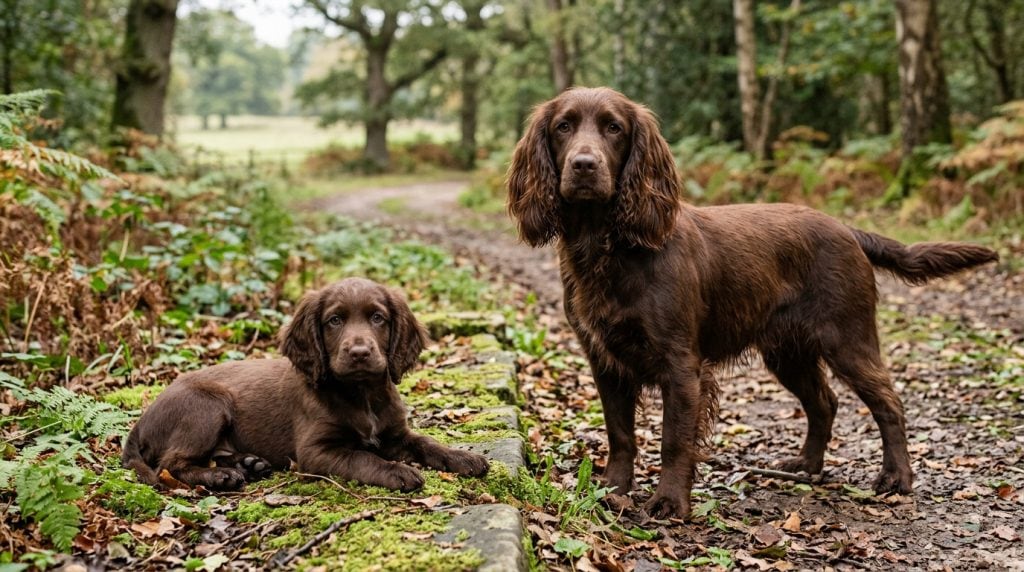
Living with a Field Spaniel often means sharing your space with a dog that is both gentle and eager to be part of family activities. They have a knack for being both energetic and relaxed, adapting to the vibe of the household. Their sensitivity means they are deeply attuned to their owner's emotions, making them affectionate companions who thrive on positive interactions.
At a glance
Core care
- Size: Medium
- Energy: Moderate to high
- Grooming: Low
- Shedding: Moderate
Support style
- Sensitivity: High
- Training style: Willing
Breed guide
Choose a section to explore. These notes describe common patterns, but individual dogs vary widely.
The Field Spaniel’s roots are deeply embedded in the world of hunting and retrieving, designed to work tirelessly alongside their human companions. Originally bred to flush game from dense underbrush, these dogs have a history that explains their keen sense of smell and strong work ethic. Today, Field Spaniels channel this heritage into a love for outdoor adventures and a desire to be involved in family activities, showcasing their adaptability and loyalty.
Physically, Field Spaniels are medium-sized dogs with a balanced and athletic build. Their long, silky coat is not just for show; it provides protection as they move through various terrains. Owners often find that regular grooming is necessary to maintain their coat’s condition and to manage moderate shedding. Their expressive eyes and long ears give them a distinctive look that many find endearing.
In terms of temperament, Field Spaniels are known for their friendly and affectionate nature. They tend to form strong bonds with their families and are often described as being particularly sensitive to the moods of those around them. This sensitivity can mean they are quick to respond to gentle training methods, but it also means they may not respond well to harsh treatment. Their willingness to please makes them generally cooperative, though individual personalities can vary.
While Field Spaniels have common traits, each dog is unique. Some may be more energetic, while others enjoy quieter companionship. Their background as working dogs means they often appreciate having a task or purpose, which can be fulfilled through regular exercise and mental stimulation. Understanding these nuances helps potential owners set realistic expectations and appreciate the individual quirks of their Field Spaniel.
Field Spaniels are often described as having a social and affectionate nature, which makes them well-suited to family life. Their history as working dogs has ingrained a desire to be part of a team, and this translates into a strong bond with their human companions. Owners frequently notice how these dogs prefer to be involved in daily activities, whether it’s joining in on a walk or simply lounging nearby.
The breed’s high sensitivity means they are particularly attuned to the emotions and moods of their owners. This sensitivity can be a double-edged sword; while it fosters a deep connection, it also means that Field Spaniels can be easily affected by stress or tension in the household. They thrive in environments where they feel secure and valued, responding well to positive reinforcement and gentle guidance.
Trainability is a notable trait in Field Spaniels, as they are generally eager to please and quick to learn. Their willingness to cooperate makes training a rewarding experience, provided that the methods used are consistent and encouraging. Owners often find that these dogs excel in activities that engage both their minds and bodies, such as agility or scent work.
However, like any breed, individual Field Spaniels will vary in temperament. Some may be more outgoing and sociable, while others might be reserved and cautious. Understanding and respecting these differences is key to fostering a happy and well-adjusted pet. By observing and adapting to their dog’s unique personality, owners can create a nurturing environment that allows their Field Spaniel to flourish.
A typical day for a Field Spaniel involves a healthy mix of physical activity and mental stimulation. These dogs benefit from daily walks or runs, which help to channel their moderate to high energy levels. Owners often find that allowing their Field Spaniel to explore different environments, such as parks or trails, satisfies their natural curiosity and love for adventure.
In addition to physical exercise, mental enrichment is crucial for this intelligent breed. Field Spaniels enjoy activities that challenge their minds, such as puzzle toys, scent games, or training sessions that introduce new commands or tricks. These activities not only keep them mentally sharp but also help to strengthen the bond between dog and owner.
As Field Spaniels age, their exercise needs may change. While puppies and young adults are typically more energetic and require more frequent activity, older dogs might appreciate a slower pace and more rest periods. Adjusting the level of physical and mental stimulation to match their life stage ensures they remain happy and healthy.
It’s important to avoid over-exercising young Field Spaniels, as their growing bodies can be sensitive to excessive strain. Gradually increasing the intensity and duration of activities as they mature helps prevent injury and ensures they develop into strong, healthy adults. By understanding their exercise needs, owners can create a balanced routine that supports their Field Spaniel’s overall wellbeing.
Training a Field Spaniel often feels like a collaborative effort, as they are known for their willingness to learn and please. Owners frequently describe the experience as rewarding, thanks to the breed’s eagerness to engage and their ability to pick up new commands quickly. Positive reinforcement techniques, such as treats and praise, tend to be particularly effective with this sensitive breed.
Impulse control can be a challenge during adolescence, as Field Spaniels may become more independent and test boundaries. Consistency and patience are key during this developmental stage. Establishing clear rules and routines helps guide them through these changes, reinforcing desired behaviours and discouraging unwanted ones.
Building a strong relationship based on trust and understanding is crucial for successful training. Field Spaniels respond well to a calm and supportive environment, where they feel secure and confident in their interactions with their owners. Regular training sessions that are short, varied, and enjoyable help maintain their interest and prevent boredom.
For those new to the breed or dog ownership in general, enrolling in a training class or seeking guidance from a professional trainer can provide valuable support. These resources offer structured learning opportunities and can help address any specific challenges that arise. With the right approach, training a Field Spaniel can be a fulfilling journey that enhances the bond between dog and owner.
Field Spaniels tend to thrive in homes where they are considered part of the family. They enjoy being involved in daily activities and appreciate environments where they can interact with their human companions. Homes with access to a garden or nearby parks are ideal, as these dogs love to explore and play outdoors.
While they are adaptable, Field Spaniels generally do well in households that can provide them with regular exercise and mental stimulation. They are known for their gentle nature, which can make them good companions for children, provided interactions are supervised and respectful. Their sensitivity means they respond best to calm and positive environments.
Living with other pets is usually harmonious, as Field Spaniels are often sociable and friendly. However, early socialisation and introductions are important to ensure peaceful coexistence. Understanding and respecting the individual personalities of all pets in the home helps create a balanced and happy household.
Ultimately, the best fit for a Field Spaniel is a home where their needs for companionship, activity, and mental engagement are met. By considering these factors, potential owners can determine if their lifestyle aligns with the breed’s tendencies, ensuring a fulfilling relationship for both dog and owner.
Field Spaniels’ health is closely tied to their overall wellbeing, as a healthy dog is often a happy and active companion. Regular veterinary check-ups and preventive care are essential to maintaining their health and catching any potential issues early. Vaccinations, flea and tick prevention, and dental care are all important aspects of routine health maintenance.
Some health considerations for Field Spaniels include hip dysplasia and ear infections, both of which can impact their quality of life if not managed properly. Owners often find that maintaining a healthy weight and providing regular exercise can help mitigate joint issues, while consistent ear care can prevent infections.
Understanding the connection between health and behaviour is also important. A Field Spaniel in discomfort may exhibit changes in temperament, such as increased irritability or withdrawal. Being attuned to these changes and seeking veterinary advice when needed ensures they receive the appropriate care.
By focusing on preventive measures and being proactive about health care, owners can help their Field Spaniel lead a long and healthy life. Knowledge of breed-specific health concerns allows for informed decisions and timely interventions, supporting the dog’s overall wellbeing.
The Field Spaniel’s history is a fascinating journey from a working gundog to a cherished companion. Originally developed in the 19th century in England, these dogs were bred for their ability to flush and retrieve game in challenging environments. Their versatility and endurance made them invaluable to hunters, and these traits continue to influence their behaviour today.
The breed was initially created by crossing Cocker Spaniels with other spaniel types, aiming to produce a dog with a solid build and a keen hunting instinct. Over time, the breed’s appearance and function evolved, with a focus on creating a dog that could work tirelessly in the field while also being a loyal family pet.
Field Spaniels faced a decline in popularity during the early 20th century, as other spaniel breeds gained prominence. However, dedicated breed enthusiasts worked to revive the Field Spaniel, focusing on preserving their unique characteristics and gentle temperament. This dedication has ensured the breed’s survival and continued appeal.
Today, Field Spaniels are appreciated for their blend of working ability and companionship. Their history as a gundog explains their love for outdoor activities and their strong bond with humans. Understanding their origins helps owners appreciate the depth of character and adaptability that these dogs bring to modern family life.
What shapes individual dogs
- Early social experiences
- Training approach
- Environment & routine
- Genetics & breeding
- Health & pain
- Age / life stage
The Field Spaniel’s roots are deeply embedded in the world of hunting and retrieving, designed to work tirelessly alongside their human companions. Originally bred to flush game from dense underbrush, these dogs have a history that explains their keen sense of smell and strong work ethic. Today, Field Spaniels channel this heritage into a love for outdoor adventures and a desire to be involved in family activities, showcasing their adaptability and loyalty.
Physically, Field Spaniels are medium-sized dogs with a balanced and athletic build. Their long, silky coat is not just for show; it provides protection as they move through various terrains. Owners often find that regular grooming is necessary to maintain their coat’s condition and to manage moderate shedding. Their expressive eyes and long ears give them a distinctive look that many find endearing.
In terms of temperament, Field Spaniels are known for their friendly and affectionate nature. They tend to form strong bonds with their families and are often described as being particularly sensitive to the moods of those around them. This sensitivity can mean they are quick to respond to gentle training methods, but it also means they may not respond well to harsh treatment. Their willingness to please makes them generally cooperative, though individual personalities can vary.
While Field Spaniels have common traits, each dog is unique. Some may be more energetic, while others enjoy quieter companionship. Their background as working dogs means they often appreciate having a task or purpose, which can be fulfilled through regular exercise and mental stimulation. Understanding these nuances helps potential owners set realistic expectations and appreciate the individual quirks of their Field Spaniel.
Field Spaniels are often described as having a social and affectionate nature, which makes them well-suited to family life. Their history as working dogs has ingrained a desire to be part of a team, and this translates into a strong bond with their human companions. Owners frequently notice how these dogs prefer to be involved in daily activities, whether it’s joining in on a walk or simply lounging nearby.
The breed’s high sensitivity means they are particularly attuned to the emotions and moods of their owners. This sensitivity can be a double-edged sword; while it fosters a deep connection, it also means that Field Spaniels can be easily affected by stress or tension in the household. They thrive in environments where they feel secure and valued, responding well to positive reinforcement and gentle guidance.
Trainability is a notable trait in Field Spaniels, as they are generally eager to please and quick to learn. Their willingness to cooperate makes training a rewarding experience, provided that the methods used are consistent and encouraging. Owners often find that these dogs excel in activities that engage both their minds and bodies, such as agility or scent work.
However, like any breed, individual Field Spaniels will vary in temperament. Some may be more outgoing and sociable, while others might be reserved and cautious. Understanding and respecting these differences is key to fostering a happy and well-adjusted pet. By observing and adapting to their dog’s unique personality, owners can create a nurturing environment that allows their Field Spaniel to flourish.
A typical day for a Field Spaniel involves a healthy mix of physical activity and mental stimulation. These dogs benefit from daily walks or runs, which help to channel their moderate to high energy levels. Owners often find that allowing their Field Spaniel to explore different environments, such as parks or trails, satisfies their natural curiosity and love for adventure.
In addition to physical exercise, mental enrichment is crucial for this intelligent breed. Field Spaniels enjoy activities that challenge their minds, such as puzzle toys, scent games, or training sessions that introduce new commands or tricks. These activities not only keep them mentally sharp but also help to strengthen the bond between dog and owner.
As Field Spaniels age, their exercise needs may change. While puppies and young adults are typically more energetic and require more frequent activity, older dogs might appreciate a slower pace and more rest periods. Adjusting the level of physical and mental stimulation to match their life stage ensures they remain happy and healthy.
It’s important to avoid over-exercising young Field Spaniels, as their growing bodies can be sensitive to excessive strain. Gradually increasing the intensity and duration of activities as they mature helps prevent injury and ensures they develop into strong, healthy adults. By understanding their exercise needs, owners can create a balanced routine that supports their Field Spaniel’s overall wellbeing.
Training a Field Spaniel often feels like a collaborative effort, as they are known for their willingness to learn and please. Owners frequently describe the experience as rewarding, thanks to the breed’s eagerness to engage and their ability to pick up new commands quickly. Positive reinforcement techniques, such as treats and praise, tend to be particularly effective with this sensitive breed.
Impulse control can be a challenge during adolescence, as Field Spaniels may become more independent and test boundaries. Consistency and patience are key during this developmental stage. Establishing clear rules and routines helps guide them through these changes, reinforcing desired behaviours and discouraging unwanted ones.
Building a strong relationship based on trust and understanding is crucial for successful training. Field Spaniels respond well to a calm and supportive environment, where they feel secure and confident in their interactions with their owners. Regular training sessions that are short, varied, and enjoyable help maintain their interest and prevent boredom.
For those new to the breed or dog ownership in general, enrolling in a training class or seeking guidance from a professional trainer can provide valuable support. These resources offer structured learning opportunities and can help address any specific challenges that arise. With the right approach, training a Field Spaniel can be a fulfilling journey that enhances the bond between dog and owner.
Field Spaniels tend to thrive in homes where they are considered part of the family. They enjoy being involved in daily activities and appreciate environments where they can interact with their human companions. Homes with access to a garden or nearby parks are ideal, as these dogs love to explore and play outdoors.
While they are adaptable, Field Spaniels generally do well in households that can provide them with regular exercise and mental stimulation. They are known for their gentle nature, which can make them good companions for children, provided interactions are supervised and respectful. Their sensitivity means they respond best to calm and positive environments.
Living with other pets is usually harmonious, as Field Spaniels are often sociable and friendly. However, early socialisation and introductions are important to ensure peaceful coexistence. Understanding and respecting the individual personalities of all pets in the home helps create a balanced and happy household.
Ultimately, the best fit for a Field Spaniel is a home where their needs for companionship, activity, and mental engagement are met. By considering these factors, potential owners can determine if their lifestyle aligns with the breed’s tendencies, ensuring a fulfilling relationship for both dog and owner.
Field Spaniels’ health is closely tied to their overall wellbeing, as a healthy dog is often a happy and active companion. Regular veterinary check-ups and preventive care are essential to maintaining their health and catching any potential issues early. Vaccinations, flea and tick prevention, and dental care are all important aspects of routine health maintenance.
Some health considerations for Field Spaniels include hip dysplasia and ear infections, both of which can impact their quality of life if not managed properly. Owners often find that maintaining a healthy weight and providing regular exercise can help mitigate joint issues, while consistent ear care can prevent infections.
Understanding the connection between health and behaviour is also important. A Field Spaniel in discomfort may exhibit changes in temperament, such as increased irritability or withdrawal. Being attuned to these changes and seeking veterinary advice when needed ensures they receive the appropriate care.
By focusing on preventive measures and being proactive about health care, owners can help their Field Spaniel lead a long and healthy life. Knowledge of breed-specific health concerns allows for informed decisions and timely interventions, supporting the dog’s overall wellbeing.
The Field Spaniel’s history is a fascinating journey from a working gundog to a cherished companion. Originally developed in the 19th century in England, these dogs were bred for their ability to flush and retrieve game in challenging environments. Their versatility and endurance made them invaluable to hunters, and these traits continue to influence their behaviour today.
The breed was initially created by crossing Cocker Spaniels with other spaniel types, aiming to produce a dog with a solid build and a keen hunting instinct. Over time, the breed’s appearance and function evolved, with a focus on creating a dog that could work tirelessly in the field while also being a loyal family pet.
Field Spaniels faced a decline in popularity during the early 20th century, as other spaniel breeds gained prominence. However, dedicated breed enthusiasts worked to revive the Field Spaniel, focusing on preserving their unique characteristics and gentle temperament. This dedication has ensured the breed’s survival and continued appeal.
Today, Field Spaniels are appreciated for their blend of working ability and companionship. Their history as a gundog explains their love for outdoor activities and their strong bond with humans. Understanding their origins helps owners appreciate the depth of character and adaptability that these dogs bring to modern family life.
What shapes individual dogs
- Early social experiences
- Training approach
- Environment & routine
- Genetics & breeding
- Health & pain
- Age / life stage
Want support with this?
This course is ideal for Field Spaniel owners to better understand their dog's sensitive and social nature, enhancing their relationship.