
Danish-Swedish Farmdog
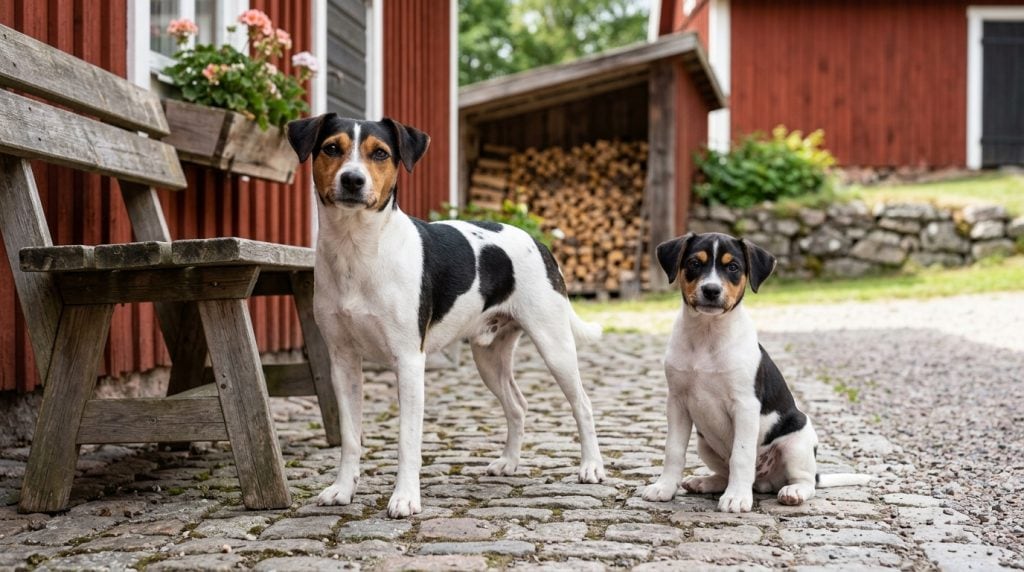
Living with a Danish-Swedish Farmdog often feels like sharing your home with an enthusiastic little helper. Known for their alertness and lively spirit, these dogs frequently engage with their surroundings, making them a vibrant presence. Their willingness to participate in family activities and their adaptable nature make them a delightful companion for those who appreciate a dog that is both active and affectionate.
At a glance
Core care
- Size: Small
- Energy: Moderate to high
- Grooming: Low
- Shedding: Low
Support style
- Sensitivity: Moderate
- Training style: Willing
Breed guide
Choose a section to explore. These notes describe common patterns, but individual dogs vary widely.
The Danish-Swedish Farmdog has its roots deeply embedded in the agricultural communities of Denmark and Sweden, where it was originally bred as a versatile farm helper. This breed was tasked with a variety of duties, from herding livestock to keeping barns free of rodents, which required a dog that was both agile and intelligent. Today, these traits manifest in a dog that is quick to learn and eager to please, making them a wonderful companion for those who enjoy an active lifestyle.
Physically, the Danish-Swedish Farmdog is small yet sturdy, with a build that reflects its working heritage. Owners often appreciate their compact size, which makes them easy to manage and transport, whether for a walk in the park or a trip to the countryside. Despite their small stature, they possess a surprising amount of energy and endurance, making them well-suited for various activities.
In terms of temperament, these dogs are known for their friendly and outgoing nature. They tend to form strong bonds with their families and often enjoy being involved in daily activities. Their moderate sensitivity means they are generally responsive to their environment and can adapt well to different living situations. However, like any breed, individual personalities can vary, with some being more reserved or cautious than others.
Prospective owners should be aware that while the Danish-Swedish Farmdog is generally adaptable, they thrive best in environments where they are given ample opportunity to exercise both their bodies and minds. Each dog is unique, and factors such as genetics, upbringing, and daily interactions play significant roles in shaping their behaviour and temperament.
The Danish-Swedish Farmdog is often described as a social and engaging companion, thriving in environments where they can interact with people and other animals. Their historical role on farms required them to be both independent and cooperative, traits that are still evident today. Owners frequently notice their dog’s eagerness to be part of family activities, whether it’s a simple walk or a more structured training session.
These dogs tend to be quite perceptive, picking up on the moods and cues of those around them. This sensitivity can make them responsive to training and socialisation, as they often aim to please their human companions. However, it also means they may need reassurance in new or overwhelming situations. Their willingness to learn and adapt is a hallmark of the breed, making them a joy to train for those who invest the time and patience.
Their moderate sensitivity and willingness to engage mean that they can be quite attuned to their environment. This awareness can sometimes manifest as alertness to new sounds or changes in routine, which owners may notice as a tendency to bark or investigate. With consistent guidance, these behaviours can be managed effectively, ensuring the dog remains a well-adjusted member of the household.
While the breed generally exhibits a friendly and adaptable nature, individual dogs may display a range of temperaments. Some may be more outgoing and adventurous, while others might be more reserved and cautious. Understanding and respecting these individual differences is key to fostering a positive relationship with a Danish-Swedish Farmdog, allowing them to thrive as part of the family.
A typical day for a Danish-Swedish Farmdog involves a mix of physical activity and mental engagement. These dogs generally enjoy a couple of brisk walks or play sessions each day, which help to channel their moderate to high energy levels. Activities like fetch, agility courses, or even a simple game of hide and seek can provide both exercise and mental stimulation, keeping them happy and healthy.
Given their working heritage, these dogs often appreciate tasks that allow them to use their intelligence and problem-solving skills. Puzzle toys, scent work, or interactive games can be excellent ways to engage their minds. Owners might find that their dog enjoys learning new tricks or participating in canine sports, which can also strengthen the bond between dog and owner.
It’s important to tailor exercise routines to the dog’s age and health status. Puppies and young dogs may have bursts of energy that require more frequent playtimes, while older dogs might prefer gentler activities. Regardless of age, these dogs benefit from a consistent routine that includes both physical and mental challenges.
Owners should be mindful not to over-exercise their Danish-Swedish Farmdog, especially in extreme weather conditions. Providing a balanced mix of rest and activity is crucial for their overall well-being. By observing their dog’s responses and adjusting activities accordingly, owners can ensure their pet remains content and well-adjusted throughout its life.
Training a Danish-Swedish Farmdog is often a rewarding experience due to their natural willingness to learn and engage. Many owners find that these dogs respond well to positive reinforcement techniques, which build on their desire to please and their intelligent nature. Training sessions that are fun and varied can help maintain their interest and enthusiasm.
Impulse control can sometimes be a challenge, particularly during adolescence when their curiosity and energy levels peak. Consistent training and clear boundaries can help manage these tendencies, ensuring they develop into well-mannered adults. Incorporating impulse control exercises, such as waiting for a command before eating or crossing a threshold, can be beneficial.
Building a strong relationship based on trust and mutual respect is crucial for training success with this breed. They tend to thrive in environments where they feel secure and understood. Regular, short training sessions that incorporate play and praise can help maintain their focus and motivation.
While the Danish-Swedish Farmdog is generally eager to learn, individual dogs may progress at different rates. Patience and adaptability are key, as each dog will have its own unique learning style. By fostering a supportive and encouraging training environment, owners can help their Danish-Swedish Farmdog reach its full potential.
The Danish-Swedish Farmdog tends to thrive in homes where they are included as part of the family. They are adaptable to various living situations, whether it’s a bustling household or a quieter environment, as long as they receive enough attention and stimulation. Their moderate size makes them suitable for both apartments and houses, provided they have regular opportunities for exercise.
Many owners find that these dogs integrate well with children, often forming strong bonds with younger family members. Their playful and gentle nature can make them excellent companions for kids, though supervision is always recommended to ensure positive interactions. Early socialisation can help them become more comfortable with a variety of people and situations.
When it comes to other pets, the Danish-Swedish Farmdog can generally coexist peacefully, especially if introduced properly and given time to adjust. Their social nature often means they enjoy the company of other dogs, but individual personalities will vary, and some may need more time to warm up to new animal companions.
Overall, this breed suits families or individuals who are willing to invest time in their dog’s physical and mental well-being. By providing a balanced lifestyle that includes companionship, exercise, and mental challenges, owners can ensure their Danish-Swedish Farmdog remains a happy and well-adjusted member of the household.
Health is a cornerstone of the Danish-Swedish Farmdog’s overall well-being, influencing both their behaviour and quality of life. Like all breeds, they can be prone to certain health issues, but with proper care and attention, many of these can be managed effectively. Regular veterinary check-ups are essential to monitor their health and catch any potential issues early.
Some breed-specific health considerations include joint problems and dental issues, which can be common in smaller breeds. Maintaining a healthy weight through proper diet and regular exercise can help mitigate joint stress, while regular dental care can prevent tooth decay and gum disease.
Preventive care plays a significant role in maintaining their health. This includes vaccinations, parasite control, and routine health screenings. By staying proactive about their health care, owners can help ensure their Danish-Swedish Farmdog enjoys a long and healthy life.
Owners should be attentive to any changes in their dog’s behaviour or physical condition, as these can be indicators of underlying health issues. Consulting with a veterinarian when concerns arise is always a prudent step, ensuring that any health problems are addressed promptly and effectively.
The Danish-Swedish Farmdog has a rich history that dates back several centuries, originating in the rural areas of Denmark and Sweden. These dogs were bred to be versatile farm workers, assisting with tasks such as herding livestock, guarding property, and controlling vermin populations. Their adaptability and intelligence made them invaluable to farmers, traits that are still appreciated by modern owners.
Throughout the years, the breed has evolved, but its core characteristics have remained largely unchanged. The Danish-Swedish Farmdog’s development was influenced by the need for a small, agile, and efficient working dog that could handle a variety of tasks. This versatility is reflected in their modern-day adaptability and eagerness to participate in family life.
Despite their long history, the breed was only officially recognised in the late 20th century, when efforts were made to preserve its unique characteristics. This recognition helped to increase awareness and appreciation of the breed, leading to a resurgence in popularity among dog enthusiasts.
Today, the Danish-Swedish Farmdog is cherished not only for its working abilities but also for its friendly and engaging nature. Understanding their history provides valuable insight into their behaviour and temperament, helping owners appreciate the qualities that make them such a beloved companion.
What shapes individual dogs
- Early social experiences
- Training approach
- Environment & routine
- Genetics & breeding
- Health & pain
- Age / life stage
The Danish-Swedish Farmdog has its roots deeply embedded in the agricultural communities of Denmark and Sweden, where it was originally bred as a versatile farm helper. This breed was tasked with a variety of duties, from herding livestock to keeping barns free of rodents, which required a dog that was both agile and intelligent. Today, these traits manifest in a dog that is quick to learn and eager to please, making them a wonderful companion for those who enjoy an active lifestyle.
Physically, the Danish-Swedish Farmdog is small yet sturdy, with a build that reflects its working heritage. Owners often appreciate their compact size, which makes them easy to manage and transport, whether for a walk in the park or a trip to the countryside. Despite their small stature, they possess a surprising amount of energy and endurance, making them well-suited for various activities.
In terms of temperament, these dogs are known for their friendly and outgoing nature. They tend to form strong bonds with their families and often enjoy being involved in daily activities. Their moderate sensitivity means they are generally responsive to their environment and can adapt well to different living situations. However, like any breed, individual personalities can vary, with some being more reserved or cautious than others.
Prospective owners should be aware that while the Danish-Swedish Farmdog is generally adaptable, they thrive best in environments where they are given ample opportunity to exercise both their bodies and minds. Each dog is unique, and factors such as genetics, upbringing, and daily interactions play significant roles in shaping their behaviour and temperament.
The Danish-Swedish Farmdog is often described as a social and engaging companion, thriving in environments where they can interact with people and other animals. Their historical role on farms required them to be both independent and cooperative, traits that are still evident today. Owners frequently notice their dog’s eagerness to be part of family activities, whether it’s a simple walk or a more structured training session.
These dogs tend to be quite perceptive, picking up on the moods and cues of those around them. This sensitivity can make them responsive to training and socialisation, as they often aim to please their human companions. However, it also means they may need reassurance in new or overwhelming situations. Their willingness to learn and adapt is a hallmark of the breed, making them a joy to train for those who invest the time and patience.
Their moderate sensitivity and willingness to engage mean that they can be quite attuned to their environment. This awareness can sometimes manifest as alertness to new sounds or changes in routine, which owners may notice as a tendency to bark or investigate. With consistent guidance, these behaviours can be managed effectively, ensuring the dog remains a well-adjusted member of the household.
While the breed generally exhibits a friendly and adaptable nature, individual dogs may display a range of temperaments. Some may be more outgoing and adventurous, while others might be more reserved and cautious. Understanding and respecting these individual differences is key to fostering a positive relationship with a Danish-Swedish Farmdog, allowing them to thrive as part of the family.
A typical day for a Danish-Swedish Farmdog involves a mix of physical activity and mental engagement. These dogs generally enjoy a couple of brisk walks or play sessions each day, which help to channel their moderate to high energy levels. Activities like fetch, agility courses, or even a simple game of hide and seek can provide both exercise and mental stimulation, keeping them happy and healthy.
Given their working heritage, these dogs often appreciate tasks that allow them to use their intelligence and problem-solving skills. Puzzle toys, scent work, or interactive games can be excellent ways to engage their minds. Owners might find that their dog enjoys learning new tricks or participating in canine sports, which can also strengthen the bond between dog and owner.
It’s important to tailor exercise routines to the dog’s age and health status. Puppies and young dogs may have bursts of energy that require more frequent playtimes, while older dogs might prefer gentler activities. Regardless of age, these dogs benefit from a consistent routine that includes both physical and mental challenges.
Owners should be mindful not to over-exercise their Danish-Swedish Farmdog, especially in extreme weather conditions. Providing a balanced mix of rest and activity is crucial for their overall well-being. By observing their dog’s responses and adjusting activities accordingly, owners can ensure their pet remains content and well-adjusted throughout its life.
Training a Danish-Swedish Farmdog is often a rewarding experience due to their natural willingness to learn and engage. Many owners find that these dogs respond well to positive reinforcement techniques, which build on their desire to please and their intelligent nature. Training sessions that are fun and varied can help maintain their interest and enthusiasm.
Impulse control can sometimes be a challenge, particularly during adolescence when their curiosity and energy levels peak. Consistent training and clear boundaries can help manage these tendencies, ensuring they develop into well-mannered adults. Incorporating impulse control exercises, such as waiting for a command before eating or crossing a threshold, can be beneficial.
Building a strong relationship based on trust and mutual respect is crucial for training success with this breed. They tend to thrive in environments where they feel secure and understood. Regular, short training sessions that incorporate play and praise can help maintain their focus and motivation.
While the Danish-Swedish Farmdog is generally eager to learn, individual dogs may progress at different rates. Patience and adaptability are key, as each dog will have its own unique learning style. By fostering a supportive and encouraging training environment, owners can help their Danish-Swedish Farmdog reach its full potential.
The Danish-Swedish Farmdog tends to thrive in homes where they are included as part of the family. They are adaptable to various living situations, whether it’s a bustling household or a quieter environment, as long as they receive enough attention and stimulation. Their moderate size makes them suitable for both apartments and houses, provided they have regular opportunities for exercise.
Many owners find that these dogs integrate well with children, often forming strong bonds with younger family members. Their playful and gentle nature can make them excellent companions for kids, though supervision is always recommended to ensure positive interactions. Early socialisation can help them become more comfortable with a variety of people and situations.
When it comes to other pets, the Danish-Swedish Farmdog can generally coexist peacefully, especially if introduced properly and given time to adjust. Their social nature often means they enjoy the company of other dogs, but individual personalities will vary, and some may need more time to warm up to new animal companions.
Overall, this breed suits families or individuals who are willing to invest time in their dog’s physical and mental well-being. By providing a balanced lifestyle that includes companionship, exercise, and mental challenges, owners can ensure their Danish-Swedish Farmdog remains a happy and well-adjusted member of the household.
Health is a cornerstone of the Danish-Swedish Farmdog’s overall well-being, influencing both their behaviour and quality of life. Like all breeds, they can be prone to certain health issues, but with proper care and attention, many of these can be managed effectively. Regular veterinary check-ups are essential to monitor their health and catch any potential issues early.
Some breed-specific health considerations include joint problems and dental issues, which can be common in smaller breeds. Maintaining a healthy weight through proper diet and regular exercise can help mitigate joint stress, while regular dental care can prevent tooth decay and gum disease.
Preventive care plays a significant role in maintaining their health. This includes vaccinations, parasite control, and routine health screenings. By staying proactive about their health care, owners can help ensure their Danish-Swedish Farmdog enjoys a long and healthy life.
Owners should be attentive to any changes in their dog’s behaviour or physical condition, as these can be indicators of underlying health issues. Consulting with a veterinarian when concerns arise is always a prudent step, ensuring that any health problems are addressed promptly and effectively.
The Danish-Swedish Farmdog has a rich history that dates back several centuries, originating in the rural areas of Denmark and Sweden. These dogs were bred to be versatile farm workers, assisting with tasks such as herding livestock, guarding property, and controlling vermin populations. Their adaptability and intelligence made them invaluable to farmers, traits that are still appreciated by modern owners.
Throughout the years, the breed has evolved, but its core characteristics have remained largely unchanged. The Danish-Swedish Farmdog’s development was influenced by the need for a small, agile, and efficient working dog that could handle a variety of tasks. This versatility is reflected in their modern-day adaptability and eagerness to participate in family life.
Despite their long history, the breed was only officially recognised in the late 20th century, when efforts were made to preserve its unique characteristics. This recognition helped to increase awareness and appreciation of the breed, leading to a resurgence in popularity among dog enthusiasts.
Today, the Danish-Swedish Farmdog is cherished not only for its working abilities but also for its friendly and engaging nature. Understanding their history provides valuable insight into their behaviour and temperament, helping owners appreciate the qualities that make them such a beloved companion.
What shapes individual dogs
- Early social experiences
- Training approach
- Environment & routine
- Genetics & breeding
- Health & pain
- Age / life stage
Want support with this?
This course is ideal for new owners looking to provide a solid foundation for their Danish-Swedish Farmdog, helping them grow into well-adjusted adults.