
Dandie Dinmont Terrier
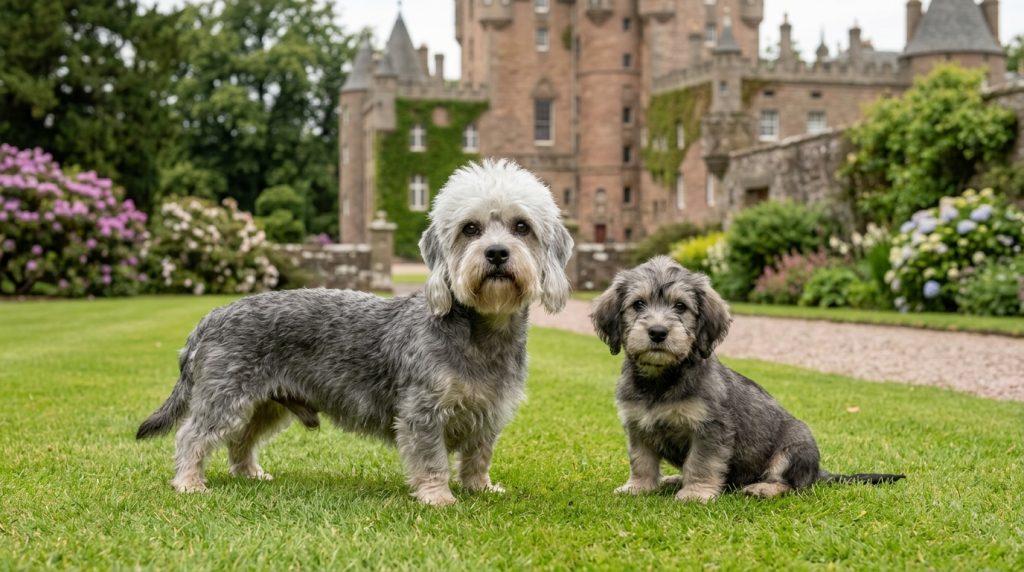
Dandie Dinmont Terriers have a unique charm that often captures the hearts of their owners. With their distinctive long body and soulful eyes, they tend to exude a quiet confidence. Many find that these terriers, while independent, enjoy being part of the family, often seeking out a cosy spot to observe household activities.
At a glance
Core care
- Size: Small
- Energy: Moderate
- Grooming: Low
- Shedding: Low
Support style
- Sensitivity: Moderate
- Training style: Independent
Breed guide
Choose a section to explore. These notes describe common patterns, but individual dogs vary widely.
The Dandie Dinmont Terrier has a rich history rooted in the Scottish Borders, where it was originally bred for hunting small game such as otters and badgers. This working background explains their tenacity and independent spirit, traits that still shine through today. Modern Dandies often display a blend of determination and affection, making them both spirited and endearing companions.
Physically, the Dandie Dinmont Terrier stands out with its elongated body and distinctive topknot of hair. Their sturdy build and short legs give them a unique silhouette, which many owners find both charming and practical. Despite their small size, they are surprisingly robust, capable of handling various terrains with ease. This physical resilience often translates into a dog that is ready for adventure, whether that means a brisk walk in the park or a playful romp in the garden.
In terms of temperament, Dandie Dinmonts are known for their independent nature. They can be quite self-assured, often making decisions on their own terms. However, they also have a gentle side, showing affection to those they trust. Owners frequently notice their dog’s keen intelligence, which can sometimes manifest as a stubborn streak. This blend of independence and affection can make for a rewarding, if sometimes challenging, companionship.
It’s important for potential owners to understand that while breed traits provide a general guide, individual dogs can vary widely. Factors such as upbringing, environment, and personal experiences all play a role in shaping a Dandie Dinmont’s personality. Prospective owners should be prepared for a dog that may surprise them with its unique blend of traits, offering both challenges and joys in equal measure.
Dandie Dinmont Terriers are often noted for their independent yet affectionate nature. Many owners observe that these dogs have a strong sense of self, often displaying a quiet confidence in their daily interactions. This independence doesn’t mean they are aloof; rather, they tend to form deep bonds with their families, showing affection in their own unique way.
Socially, Dandies are typically reserved with strangers but warm up once they feel comfortable. Their moderate sensitivity means they can be attuned to the emotions of their household, often responding to changes in mood or routine. This sensitivity can be a double-edged sword, as they may require reassurance in unfamiliar situations, yet it also makes them empathetic companions.
Trainability with Dandie Dinmonts can sometimes be a test of patience. Their independent streak means they might not always be eager to please, preferring to think for themselves. However, with consistent and positive reinforcement, they can learn effectively. Owners often find that a gentle approach, coupled with understanding their dog’s motivations, works best.
It’s also worth noting that Dandies can vary significantly in temperament. While some may be more outgoing and social, others might be more reserved and introspective. This variation is part of what makes living with a Dandie Dinmont Terrier so engaging, as each dog brings its own personality and quirks to the household.
A typical day for a Dandie Dinmont Terrier involves moderate exercise, which suits their energy levels well. Many owners find that a couple of walks a day, combined with some playtime, is sufficient to keep their Dandie happy and healthy. These terriers enjoy exploring their environment, so allowing them to sniff and investigate during walks can be particularly enriching.
While they don’t require as much exercise as some other terrier breeds, mental stimulation is equally important. Dandies thrive on activities that challenge their intelligence, such as puzzle toys or scent games. Engaging their minds can help prevent boredom and the potential for mischievous behaviour, which can arise if they feel under-stimulated.
As Dandies age, their exercise needs may change. Older dogs might prefer shorter, more frequent walks rather than long, strenuous outings. It’s important for owners to pay attention to their dog’s cues and adjust their routine accordingly. Providing a variety of activities can help keep a Dandie engaged throughout their life stages.
Owners should avoid over-exercising young Dandies, as their developing bodies can be prone to injury. Instead, focus on gentle play and exploration, gradually increasing activity as they mature. This balanced approach helps ensure that a Dandie Dinmont Terrier remains a happy and healthy member of the family.
Training a Dandie Dinmont Terrier often feels like a dance between independence and cooperation. These dogs are known for their self-assured nature, which can sometimes translate into a reluctance to follow commands. However, with patience and understanding, training can become a rewarding experience for both dog and owner.
Positive reinforcement is key when working with Dandies. They respond well to praise and treats, especially when they feel they are making their own choices. Consistency is crucial, as these terriers can be quite clever and may test boundaries if they sense inconsistency in expectations.
Adolescence can be a particularly challenging time for Dandie Dinmont owners. During this phase, their independent streak may become more pronounced, and they might exhibit selective hearing. Maintaining a calm and patient approach, while reinforcing training basics, can help guide them through this period.
Building a strong relationship based on trust and mutual respect is essential. Dandies are more likely to respond positively when they feel understood and valued. By focusing on a partnership rather than dominance, owners can encourage their Dandie Dinmont Terrier to engage willingly in training activities.
Dandie Dinmont Terriers can adapt well to a variety of living environments, making them suitable for both city and country life. Their moderate exercise needs mean they don’t require vast amounts of space, but they do appreciate having a safe area to explore and play. Many owners find that a secure garden or regular trips to a local park provide ample opportunity for them to stretch their legs.
In homes with children, Dandies often form strong bonds, although supervision is recommended, especially with younger kids. Their gentle yet independent nature means they can be patient companions, but it’s important for children to understand how to interact respectfully with them.
When it comes to other pets, Dandie Dinmonts can coexist peacefully, particularly if they are introduced properly and early on. Their hunting background may sometimes show in their interactions with smaller animals, so care should be taken to manage these instincts appropriately.
Overall, Dandie Dinmont Terriers tend to fit well into homes where they can be part of the family dynamic. They thrive in environments where they receive attention and affection, and where their unique personality is appreciated. Prospective owners should consider their lifestyle and ensure they can meet the needs of this charming breed.
Health is a crucial aspect of a Dandie Dinmont Terrier’s overall wellbeing. Like all breeds, they have specific health considerations that owners should be aware of to ensure their dog leads a happy and healthy life. Regular veterinary check-ups are essential to monitor their health and catch any potential issues early.
Dandie Dinmonts can be prone to certain genetic conditions, such as back problems due to their elongated body structure. Owners should be mindful of activities that could strain their spine, opting for gentle exercise and avoiding high-impact activities. Keeping their weight in check is also important to reduce stress on their back.
Preventive care, including vaccinations, flea and tick prevention, and dental hygiene, plays a significant role in maintaining their health. Regular grooming sessions provide an opportunity to check for any skin issues or abnormalities that might require veterinary attention.
If any unusual symptoms or behavioural changes are noticed, consulting a vet promptly is advised. Being proactive about health helps ensure that a Dandie Dinmont Terrier remains a vibrant and cherished member of the family.
The Dandie Dinmont Terrier’s origins trace back to the rugged border region between England and Scotland, where they were bred for hunting small game. Their name comes from a character in Sir Walter Scott’s novel ‘Guy Mannering,’ which featured a farmer named Dandie Dinmont who owned these distinctive terriers. This literary connection helped popularise the breed in the 19th century.
Originally, Dandie Dinmonts were prized for their ability to hunt otters and badgers, showcasing their tenacity and courage. Their elongated bodies and strong jaws made them particularly adept at pursuing prey into burrows. This working heritage is still evident today in their determined and independent nature.
Over time, the breed was refined and developed to become the companionable dogs we know today. While they are no longer used for hunting, their spirited nature and intelligence remain key characteristics. Many owners appreciate their unique blend of independence and affection, which reflects their historical roots.
Understanding the history of the Dandie Dinmont Terrier helps explain some of their modern traits, such as their resilience and self-assuredness. These qualities, combined with their charming appearance, continue to make them a beloved breed among those who appreciate their distinct personality and heritage.
What shapes individual dogs
- Early social experiences
- Training approach
- Environment & routine
- Genetics & breeding
- Health & pain
- Age / life stage
The Dandie Dinmont Terrier has a rich history rooted in the Scottish Borders, where it was originally bred for hunting small game such as otters and badgers. This working background explains their tenacity and independent spirit, traits that still shine through today. Modern Dandies often display a blend of determination and affection, making them both spirited and endearing companions.
Physically, the Dandie Dinmont Terrier stands out with its elongated body and distinctive topknot of hair. Their sturdy build and short legs give them a unique silhouette, which many owners find both charming and practical. Despite their small size, they are surprisingly robust, capable of handling various terrains with ease. This physical resilience often translates into a dog that is ready for adventure, whether that means a brisk walk in the park or a playful romp in the garden.
In terms of temperament, Dandie Dinmonts are known for their independent nature. They can be quite self-assured, often making decisions on their own terms. However, they also have a gentle side, showing affection to those they trust. Owners frequently notice their dog’s keen intelligence, which can sometimes manifest as a stubborn streak. This blend of independence and affection can make for a rewarding, if sometimes challenging, companionship.
It’s important for potential owners to understand that while breed traits provide a general guide, individual dogs can vary widely. Factors such as upbringing, environment, and personal experiences all play a role in shaping a Dandie Dinmont’s personality. Prospective owners should be prepared for a dog that may surprise them with its unique blend of traits, offering both challenges and joys in equal measure.
Dandie Dinmont Terriers are often noted for their independent yet affectionate nature. Many owners observe that these dogs have a strong sense of self, often displaying a quiet confidence in their daily interactions. This independence doesn’t mean they are aloof; rather, they tend to form deep bonds with their families, showing affection in their own unique way.
Socially, Dandies are typically reserved with strangers but warm up once they feel comfortable. Their moderate sensitivity means they can be attuned to the emotions of their household, often responding to changes in mood or routine. This sensitivity can be a double-edged sword, as they may require reassurance in unfamiliar situations, yet it also makes them empathetic companions.
Trainability with Dandie Dinmonts can sometimes be a test of patience. Their independent streak means they might not always be eager to please, preferring to think for themselves. However, with consistent and positive reinforcement, they can learn effectively. Owners often find that a gentle approach, coupled with understanding their dog’s motivations, works best.
It’s also worth noting that Dandies can vary significantly in temperament. While some may be more outgoing and social, others might be more reserved and introspective. This variation is part of what makes living with a Dandie Dinmont Terrier so engaging, as each dog brings its own personality and quirks to the household.
A typical day for a Dandie Dinmont Terrier involves moderate exercise, which suits their energy levels well. Many owners find that a couple of walks a day, combined with some playtime, is sufficient to keep their Dandie happy and healthy. These terriers enjoy exploring their environment, so allowing them to sniff and investigate during walks can be particularly enriching.
While they don’t require as much exercise as some other terrier breeds, mental stimulation is equally important. Dandies thrive on activities that challenge their intelligence, such as puzzle toys or scent games. Engaging their minds can help prevent boredom and the potential for mischievous behaviour, which can arise if they feel under-stimulated.
As Dandies age, their exercise needs may change. Older dogs might prefer shorter, more frequent walks rather than long, strenuous outings. It’s important for owners to pay attention to their dog’s cues and adjust their routine accordingly. Providing a variety of activities can help keep a Dandie engaged throughout their life stages.
Owners should avoid over-exercising young Dandies, as their developing bodies can be prone to injury. Instead, focus on gentle play and exploration, gradually increasing activity as they mature. This balanced approach helps ensure that a Dandie Dinmont Terrier remains a happy and healthy member of the family.
Training a Dandie Dinmont Terrier often feels like a dance between independence and cooperation. These dogs are known for their self-assured nature, which can sometimes translate into a reluctance to follow commands. However, with patience and understanding, training can become a rewarding experience for both dog and owner.
Positive reinforcement is key when working with Dandies. They respond well to praise and treats, especially when they feel they are making their own choices. Consistency is crucial, as these terriers can be quite clever and may test boundaries if they sense inconsistency in expectations.
Adolescence can be a particularly challenging time for Dandie Dinmont owners. During this phase, their independent streak may become more pronounced, and they might exhibit selective hearing. Maintaining a calm and patient approach, while reinforcing training basics, can help guide them through this period.
Building a strong relationship based on trust and mutual respect is essential. Dandies are more likely to respond positively when they feel understood and valued. By focusing on a partnership rather than dominance, owners can encourage their Dandie Dinmont Terrier to engage willingly in training activities.
Dandie Dinmont Terriers can adapt well to a variety of living environments, making them suitable for both city and country life. Their moderate exercise needs mean they don’t require vast amounts of space, but they do appreciate having a safe area to explore and play. Many owners find that a secure garden or regular trips to a local park provide ample opportunity for them to stretch their legs.
In homes with children, Dandies often form strong bonds, although supervision is recommended, especially with younger kids. Their gentle yet independent nature means they can be patient companions, but it’s important for children to understand how to interact respectfully with them.
When it comes to other pets, Dandie Dinmonts can coexist peacefully, particularly if they are introduced properly and early on. Their hunting background may sometimes show in their interactions with smaller animals, so care should be taken to manage these instincts appropriately.
Overall, Dandie Dinmont Terriers tend to fit well into homes where they can be part of the family dynamic. They thrive in environments where they receive attention and affection, and where their unique personality is appreciated. Prospective owners should consider their lifestyle and ensure they can meet the needs of this charming breed.
Health is a crucial aspect of a Dandie Dinmont Terrier’s overall wellbeing. Like all breeds, they have specific health considerations that owners should be aware of to ensure their dog leads a happy and healthy life. Regular veterinary check-ups are essential to monitor their health and catch any potential issues early.
Dandie Dinmonts can be prone to certain genetic conditions, such as back problems due to their elongated body structure. Owners should be mindful of activities that could strain their spine, opting for gentle exercise and avoiding high-impact activities. Keeping their weight in check is also important to reduce stress on their back.
Preventive care, including vaccinations, flea and tick prevention, and dental hygiene, plays a significant role in maintaining their health. Regular grooming sessions provide an opportunity to check for any skin issues or abnormalities that might require veterinary attention.
If any unusual symptoms or behavioural changes are noticed, consulting a vet promptly is advised. Being proactive about health helps ensure that a Dandie Dinmont Terrier remains a vibrant and cherished member of the family.
The Dandie Dinmont Terrier’s origins trace back to the rugged border region between England and Scotland, where they were bred for hunting small game. Their name comes from a character in Sir Walter Scott’s novel ‘Guy Mannering,’ which featured a farmer named Dandie Dinmont who owned these distinctive terriers. This literary connection helped popularise the breed in the 19th century.
Originally, Dandie Dinmonts were prized for their ability to hunt otters and badgers, showcasing their tenacity and courage. Their elongated bodies and strong jaws made them particularly adept at pursuing prey into burrows. This working heritage is still evident today in their determined and independent nature.
Over time, the breed was refined and developed to become the companionable dogs we know today. While they are no longer used for hunting, their spirited nature and intelligence remain key characteristics. Many owners appreciate their unique blend of independence and affection, which reflects their historical roots.
Understanding the history of the Dandie Dinmont Terrier helps explain some of their modern traits, such as their resilience and self-assuredness. These qualities, combined with their charming appearance, continue to make them a beloved breed among those who appreciate their distinct personality and heritage.
What shapes individual dogs
- Early social experiences
- Training approach
- Environment & routine
- Genetics & breeding
- Health & pain
- Age / life stage
Want support with this?
This course is ideal for understanding the nuanced temperament of the Dandie Dinmont Terrier, helping you build a stronger bond.