
Czechoslovakian Vlcak
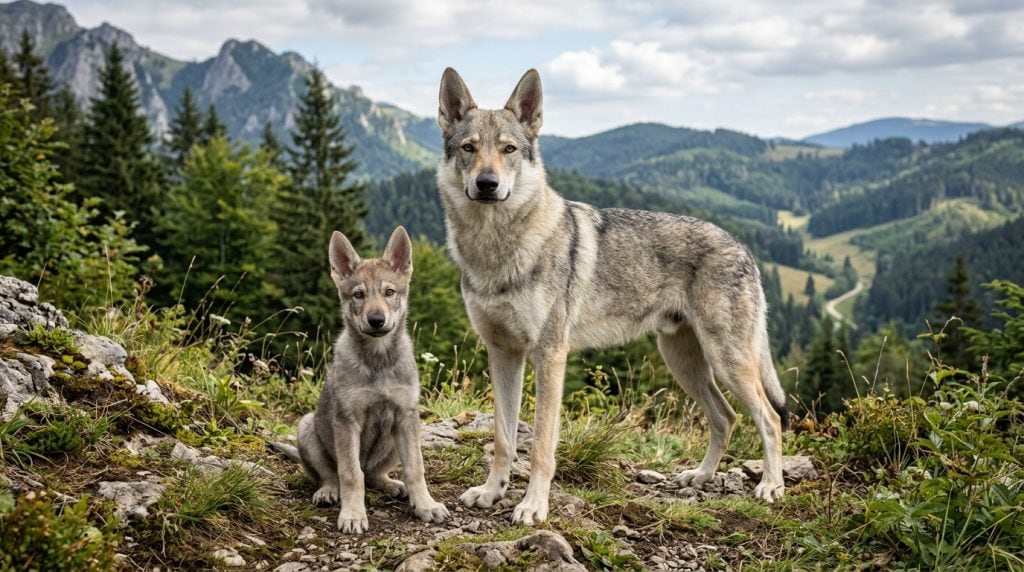
Living with a Czechoslovakian Vlcak often feels like sharing your space with a creature of the wild. They possess a unique blend of independence and loyalty, which means they may not always be at your side, but they are always aware of your presence. Owners often find that these dogs bring a sense of adventure into everyday life, with their keen senses and curious nature leading to unexpected explorations.
At a glance
Core care
- Size: Large
- Energy: High
- Grooming: Low
- Shedding: Moderate
Support style
- Sensitivity: Moderate
- Training style: Independent
Breed guide
Choose a section to explore. These notes describe common patterns, but individual dogs vary widely.
The Czechoslovakian Vlcak has a fascinating history that directly influences its modern-day personality. Originally bred in the 1950s as a military experiment in Czechoslovakia, this breed is a cross between German Shepherds and Carpathian wolves. The goal was to create a dog with the temperament and trainability of a German Shepherd, combined with the endurance and physical prowess of a wolf. This background explains why the breed is known for its high energy levels and strong working drive, making it a companion that thrives on activity and purpose.
Physically, the Czechoslovakian Vlcak is striking, often resembling a wolf more than a traditional dog. Their lean, muscular build and thick coat are well-suited for cold climates and strenuous activities. This means that in everyday life, they are robust and ready for action, whether it’s a long hike or a vigorous play session. Owners typically notice their agility and speed, traits that make them excellent partners for outdoor adventures.
Temperamentally, the Vlcak is known for its independence and intelligence. They are not the type of dog that will blindly follow commands; instead, they require a reason to comply. This independent streak can be both a challenge and a delight, as it means they are capable problem solvers but may also test boundaries. Socially, they can be reserved with strangers, preferring to evaluate new people and situations before engaging.
When considering a Czechoslovakian Vlcak, it’s important to remember that individual dogs can vary significantly. While some may be more social and eager to please, others might lean heavily into their independent nature. Early socialisation and consistent training can help shape a well-rounded companion, but potential owners should be prepared for a dog that may not fit the typical mould of a family pet.
The social nature of the Czechoslovakian Vlcak is intriguing, as they often form deep bonds with their families while maintaining a certain aloofness with strangers. This duality can be attributed to their wolf ancestry, which instills a natural wariness of unfamiliar situations. Owners frequently observe that their Vlcak is watchful and discerning, taking time to assess new people and environments before deciding to engage.
This breed’s behaviour is often driven by their independent spirit. They are not the type to follow commands without question, requiring a balance of respect and understanding in their training. This independence can manifest as a strong-willed nature, where the dog evaluates the necessity of a command before responding. Owners find that patience and consistency are key in nurturing a cooperative relationship.
Sensitivity in the Czechoslovakian Vlcak is moderate, meaning they can be responsive to the emotions and energy of their household. They are not overly sensitive to changes in routine, but they do appreciate a stable environment. This sensitivity can be seen in how they react to stress or tension, often choosing to remove themselves from uncomfortable situations, which is a trait that can be managed with careful socialisation.
Trainability with this breed is often described as independent. They are intelligent and capable of learning complex tasks, but they require motivation that aligns with their interests. Food rewards, play, and positive reinforcement tend to be more effective than forceful methods. Owners often notice that once a Vlcak understands the benefit of a behaviour, they are more willing to cooperate, making the training process a rewarding journey of mutual understanding.
A typical day for a Czechoslovakian Vlcak involves a significant amount of physical activity. With their high energy levels, they thrive on long walks, runs, or hikes. Many owners find that incorporating varied activities keeps their Vlcak engaged and satisfied. This can include agility training, scent work, or even structured play sessions that challenge both their body and mind.
The physical exercise needs of this breed are substantial, given their working heritage. They are not content with a quick stroll around the block; instead, they require opportunities to stretch their legs and explore. Mental enrichment is equally important, as their intelligence demands stimulation. Puzzle toys, training games, and interactive play can help keep their minds sharp and prevent boredom.
As Vlcaks age, their exercise needs may change, but they will likely remain active well into their senior years. It’s important for owners to adjust the intensity and duration of activities to suit their dog’s age and health, ensuring they remain fit without overexertion. Puppies, in particular, should have their exercise carefully managed to prevent joint issues later in life.
Owners should be mindful of avoiding repetitive or monotonous activities, as these can lead to frustration or destructive behaviours. Instead, varying the routine and introducing new challenges can keep a Vlcak engaged and happy. This breed thrives in environments where they can explore and use their natural instincts, making them well-suited to active households that can provide the stimulation they need.
Training a Czechoslovakian Vlcak often feels like a dance of mutual respect and understanding. These dogs are intelligent and capable, but their independent nature means they are not always eager to follow commands without question. Owners often find that establishing a strong bond and clear communication is essential for successful training.
Positive reinforcement techniques tend to work best with this breed. They respond well to rewards that are meaningful to them, whether it’s treats, playtime, or praise. Consistency is crucial, as Vlcaks are quick to notice inconsistencies in training methods, which can lead to confusion. Building a routine that incorporates training into daily life helps reinforce desired behaviours.
Adolescence can be a challenging time for Vlcak owners, as this is when their independent streak may be most pronounced. It’s important to remain patient and consistent during this period, as pushing too hard can lead to resistance. Instead, focusing on building trust and reinforcing positive behaviours can help guide them through this phase.
The relationship between a Vlcak and their owner is foundational to effective training. These dogs thrive when they understand their role and the expectations placed upon them. Owners who invest time in building a strong, respectful relationship often find that their Vlcak is more willing to cooperate and engage in training, making the process a rewarding experience for both parties.
The Czechoslovakian Vlcak typically fits best in homes where there is ample space for them to move and explore. They are not well-suited to apartment living due to their size and energy levels. Instead, they thrive in environments where they have access to a secure garden or nearby open spaces where they can run and play freely.
Owners often find that Vlcaks do well in active households that can provide the physical and mental stimulation they need. They enjoy being part of family activities and are happiest when they have a role to play. This might mean joining in on hikes, runs, or even participating in dog sports that challenge their agility and intelligence.
When it comes to living with children and other pets, Vlcaks can be gentle and protective, but early socialisation is key. They have a natural pack mentality, which means they can form strong bonds with family members, including kids and other animals. However, their size and energy mean interactions should be supervised, especially with young children, to ensure play remains safe and enjoyable for everyone.
Potential owners should consider their own lifestyle and ability to meet the breed’s needs before bringing a Vlcak into their home. This breed requires time, commitment, and an understanding of their unique nature. For those who can provide the right environment and companionship, a Czechoslovakian Vlcak can be a loyal and rewarding addition to the family.
The everyday wellbeing of a Czechoslovakian Vlcak is closely tied to their overall health, as a healthy dog is more likely to be active and engaged. Like all breeds, Vlcaks have specific health considerations that owners should be aware of to ensure their dog lives a long, happy life.
Some of the health concerns associated with this breed include hip dysplasia and elbow dysplasia, conditions that can affect their mobility. Regular check-ups with a veterinarian and maintaining a healthy weight through diet and exercise can help manage these issues. Owners often find that being proactive about their dog’s health can prevent more serious problems down the line.
Preventive care is crucial for this breed, including routine vaccinations, flea and tick prevention, and regular dental care. Dental health is often overlooked, but it plays a significant role in a dog’s overall health. Regular brushing and dental chews can help keep their teeth and gums healthy.
It’s important for owners to be observant and seek veterinary advice if they notice changes in their dog’s behaviour or physical condition. Early intervention can make a significant difference in treatment outcomes. Overall, with the right care and attention, a Czechoslovakian Vlcak can enjoy a robust and active life, bringing joy and companionship to their family.
The Czechoslovakian Vlcak’s history is as unique as its appearance, beginning in the mid-20th century in Czechoslovakia. The breed was developed as part of a military experiment aimed at creating a dog with the intelligence and trainability of a German Shepherd, combined with the physical attributes and endurance of a Carpathian wolf. This ambitious project was initiated by crossing German Shepherds with wolves, resulting in a breed that carries the legacy of both species.
The initial goal was to produce a breed that could serve in military and police roles, capable of enduring harsh conditions and performing demanding tasks. The Vlcak’s development focused on enhancing traits such as stamina, agility, and a strong work ethic. These characteristics are still evident in the breed today, as they are known for their high energy levels and need for physical and mental stimulation.
As the breed evolved, it gained recognition beyond its military roots, attracting attention from dog enthusiasts and working dog communities. The Vlcak’s distinctive appearance and capabilities have made it a popular choice for those seeking a dog that embodies both wild beauty and domestic loyalty. This history of selective breeding for specific traits explains many of the behaviours and characteristics that owners observe in their Vlcaks today.
Understanding the breed’s origins helps explain their independent nature and strong drive. These dogs were bred to think and act with autonomy, a trait that can be both a challenge and an asset in modern companionship. For those who appreciate the blend of wolf-like features and a working dog’s spirit, the Czechoslovakian Vlcak offers a unique and rewarding experience.
What shapes individual dogs
- Early social experiences
- Training approach
- Environment & routine
- Genetics & breeding
- Health & pain
- Age / life stage
The Czechoslovakian Vlcak has a fascinating history that directly influences its modern-day personality. Originally bred in the 1950s as a military experiment in Czechoslovakia, this breed is a cross between German Shepherds and Carpathian wolves. The goal was to create a dog with the temperament and trainability of a German Shepherd, combined with the endurance and physical prowess of a wolf. This background explains why the breed is known for its high energy levels and strong working drive, making it a companion that thrives on activity and purpose.
Physically, the Czechoslovakian Vlcak is striking, often resembling a wolf more than a traditional dog. Their lean, muscular build and thick coat are well-suited for cold climates and strenuous activities. This means that in everyday life, they are robust and ready for action, whether it’s a long hike or a vigorous play session. Owners typically notice their agility and speed, traits that make them excellent partners for outdoor adventures.
Temperamentally, the Vlcak is known for its independence and intelligence. They are not the type of dog that will blindly follow commands; instead, they require a reason to comply. This independent streak can be both a challenge and a delight, as it means they are capable problem solvers but may also test boundaries. Socially, they can be reserved with strangers, preferring to evaluate new people and situations before engaging.
When considering a Czechoslovakian Vlcak, it’s important to remember that individual dogs can vary significantly. While some may be more social and eager to please, others might lean heavily into their independent nature. Early socialisation and consistent training can help shape a well-rounded companion, but potential owners should be prepared for a dog that may not fit the typical mould of a family pet.
The social nature of the Czechoslovakian Vlcak is intriguing, as they often form deep bonds with their families while maintaining a certain aloofness with strangers. This duality can be attributed to their wolf ancestry, which instills a natural wariness of unfamiliar situations. Owners frequently observe that their Vlcak is watchful and discerning, taking time to assess new people and environments before deciding to engage.
This breed’s behaviour is often driven by their independent spirit. They are not the type to follow commands without question, requiring a balance of respect and understanding in their training. This independence can manifest as a strong-willed nature, where the dog evaluates the necessity of a command before responding. Owners find that patience and consistency are key in nurturing a cooperative relationship.
Sensitivity in the Czechoslovakian Vlcak is moderate, meaning they can be responsive to the emotions and energy of their household. They are not overly sensitive to changes in routine, but they do appreciate a stable environment. This sensitivity can be seen in how they react to stress or tension, often choosing to remove themselves from uncomfortable situations, which is a trait that can be managed with careful socialisation.
Trainability with this breed is often described as independent. They are intelligent and capable of learning complex tasks, but they require motivation that aligns with their interests. Food rewards, play, and positive reinforcement tend to be more effective than forceful methods. Owners often notice that once a Vlcak understands the benefit of a behaviour, they are more willing to cooperate, making the training process a rewarding journey of mutual understanding.
A typical day for a Czechoslovakian Vlcak involves a significant amount of physical activity. With their high energy levels, they thrive on long walks, runs, or hikes. Many owners find that incorporating varied activities keeps their Vlcak engaged and satisfied. This can include agility training, scent work, or even structured play sessions that challenge both their body and mind.
The physical exercise needs of this breed are substantial, given their working heritage. They are not content with a quick stroll around the block; instead, they require opportunities to stretch their legs and explore. Mental enrichment is equally important, as their intelligence demands stimulation. Puzzle toys, training games, and interactive play can help keep their minds sharp and prevent boredom.
As Vlcaks age, their exercise needs may change, but they will likely remain active well into their senior years. It’s important for owners to adjust the intensity and duration of activities to suit their dog’s age and health, ensuring they remain fit without overexertion. Puppies, in particular, should have their exercise carefully managed to prevent joint issues later in life.
Owners should be mindful of avoiding repetitive or monotonous activities, as these can lead to frustration or destructive behaviours. Instead, varying the routine and introducing new challenges can keep a Vlcak engaged and happy. This breed thrives in environments where they can explore and use their natural instincts, making them well-suited to active households that can provide the stimulation they need.
Training a Czechoslovakian Vlcak often feels like a dance of mutual respect and understanding. These dogs are intelligent and capable, but their independent nature means they are not always eager to follow commands without question. Owners often find that establishing a strong bond and clear communication is essential for successful training.
Positive reinforcement techniques tend to work best with this breed. They respond well to rewards that are meaningful to them, whether it’s treats, playtime, or praise. Consistency is crucial, as Vlcaks are quick to notice inconsistencies in training methods, which can lead to confusion. Building a routine that incorporates training into daily life helps reinforce desired behaviours.
Adolescence can be a challenging time for Vlcak owners, as this is when their independent streak may be most pronounced. It’s important to remain patient and consistent during this period, as pushing too hard can lead to resistance. Instead, focusing on building trust and reinforcing positive behaviours can help guide them through this phase.
The relationship between a Vlcak and their owner is foundational to effective training. These dogs thrive when they understand their role and the expectations placed upon them. Owners who invest time in building a strong, respectful relationship often find that their Vlcak is more willing to cooperate and engage in training, making the process a rewarding experience for both parties.
The Czechoslovakian Vlcak typically fits best in homes where there is ample space for them to move and explore. They are not well-suited to apartment living due to their size and energy levels. Instead, they thrive in environments where they have access to a secure garden or nearby open spaces where they can run and play freely.
Owners often find that Vlcaks do well in active households that can provide the physical and mental stimulation they need. They enjoy being part of family activities and are happiest when they have a role to play. This might mean joining in on hikes, runs, or even participating in dog sports that challenge their agility and intelligence.
When it comes to living with children and other pets, Vlcaks can be gentle and protective, but early socialisation is key. They have a natural pack mentality, which means they can form strong bonds with family members, including kids and other animals. However, their size and energy mean interactions should be supervised, especially with young children, to ensure play remains safe and enjoyable for everyone.
Potential owners should consider their own lifestyle and ability to meet the breed’s needs before bringing a Vlcak into their home. This breed requires time, commitment, and an understanding of their unique nature. For those who can provide the right environment and companionship, a Czechoslovakian Vlcak can be a loyal and rewarding addition to the family.
The everyday wellbeing of a Czechoslovakian Vlcak is closely tied to their overall health, as a healthy dog is more likely to be active and engaged. Like all breeds, Vlcaks have specific health considerations that owners should be aware of to ensure their dog lives a long, happy life.
Some of the health concerns associated with this breed include hip dysplasia and elbow dysplasia, conditions that can affect their mobility. Regular check-ups with a veterinarian and maintaining a healthy weight through diet and exercise can help manage these issues. Owners often find that being proactive about their dog’s health can prevent more serious problems down the line.
Preventive care is crucial for this breed, including routine vaccinations, flea and tick prevention, and regular dental care. Dental health is often overlooked, but it plays a significant role in a dog’s overall health. Regular brushing and dental chews can help keep their teeth and gums healthy.
It’s important for owners to be observant and seek veterinary advice if they notice changes in their dog’s behaviour or physical condition. Early intervention can make a significant difference in treatment outcomes. Overall, with the right care and attention, a Czechoslovakian Vlcak can enjoy a robust and active life, bringing joy and companionship to their family.
The Czechoslovakian Vlcak’s history is as unique as its appearance, beginning in the mid-20th century in Czechoslovakia. The breed was developed as part of a military experiment aimed at creating a dog with the intelligence and trainability of a German Shepherd, combined with the physical attributes and endurance of a Carpathian wolf. This ambitious project was initiated by crossing German Shepherds with wolves, resulting in a breed that carries the legacy of both species.
The initial goal was to produce a breed that could serve in military and police roles, capable of enduring harsh conditions and performing demanding tasks. The Vlcak’s development focused on enhancing traits such as stamina, agility, and a strong work ethic. These characteristics are still evident in the breed today, as they are known for their high energy levels and need for physical and mental stimulation.
As the breed evolved, it gained recognition beyond its military roots, attracting attention from dog enthusiasts and working dog communities. The Vlcak’s distinctive appearance and capabilities have made it a popular choice for those seeking a dog that embodies both wild beauty and domestic loyalty. This history of selective breeding for specific traits explains many of the behaviours and characteristics that owners observe in their Vlcaks today.
Understanding the breed’s origins helps explain their independent nature and strong drive. These dogs were bred to think and act with autonomy, a trait that can be both a challenge and an asset in modern companionship. For those who appreciate the blend of wolf-like features and a working dog’s spirit, the Czechoslovakian Vlcak offers a unique and rewarding experience.
What shapes individual dogs
- Early social experiences
- Training approach
- Environment & routine
- Genetics & breeding
- Health & pain
- Age / life stage
Want support with this?
This course is ideal for understanding the complex temperament and independent nature of the Czechoslovakian Vlcak.