
Boykin Spaniel
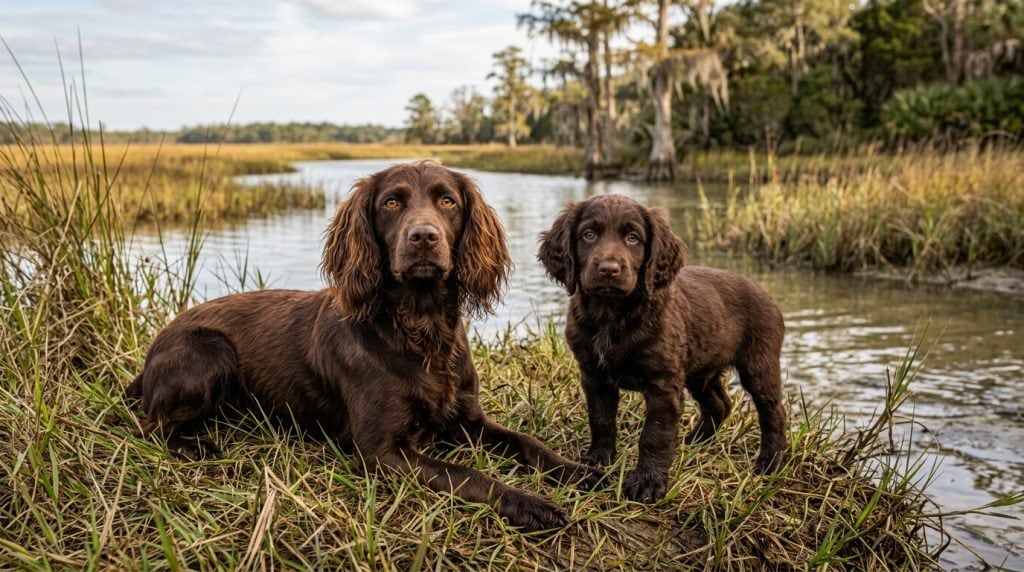
Living with a Boykin Spaniel often means having a lively and affectionate companion by your side. Known for their eagerness to please and energetic nature, they thrive in active households where they can be part of the action. Their gentle disposition and willingness to bond make them endearing family members, always ready to join in on adventures or simply relax at home.
At a glance
Core care
- Size: Medium
- Energy: High
- Grooming: Low
- Shedding: Moderate
Support style
- Sensitivity: High
- Training style: Willing
Breed guide
Choose a section to explore. These notes describe common patterns, but individual dogs vary widely.
The Boykin Spaniel’s roots are deeply embedded in the hunting traditions of South Carolina, where they were developed to retrieve waterfowl and wild turkeys in the early 1900s. This background has shaped them into versatile gundogs with a strong work ethic and a love for the outdoors. Today, these traits manifest as a dog that enjoys both physical activity and mental challenges, making them a delightful companion for those who appreciate an active lifestyle.
Physically, Boykin Spaniels are medium-sized dogs with a sturdy build, which allows them to navigate various terrains with ease. Their rich, liver-colored coat is not just for show; it provides protection and blends well with natural surroundings. Owners often find that their Boykin’s athleticism and agility make them adept at activities like hiking, swimming, and even dog sports, where their natural enthusiasm shines.
Temperamentally, Boykin Spaniels are known for their friendly and sociable nature. They tend to form strong bonds with their families and are often eager to please, which can make them relatively easy to train. However, their high sensitivity means they respond best to positive reinforcement and gentle guidance. Owners frequently notice their Boykin’s keen ability to read human emotions, making them intuitive companions.
While Boykin Spaniels generally exhibit these traits, it’s important to remember that individual dogs can vary. Factors like early socialization, training, and personal experiences all play a role in shaping a Boykin’s personality. Prospective owners should be prepared for a dog that thrives on interaction and activity, while also being adaptable to the nuances of their unique character.
Boykin Spaniels are often described as sociable and affectionate, with a natural inclination towards forming strong bonds with their families. This social nature is rooted in their history as companionable working dogs, where cooperation with humans was essential. In everyday life, this means Boykins tend to be eager to join in family activities, whether it’s a walk in the park or a lazy afternoon at home.
Their high sensitivity is another notable trait, which can make them particularly attuned to the moods and emotions of those around them. This sensitivity means they respond well to positive reinforcement and gentle training methods. Owners often notice how quickly their Boykin picks up on cues, making them relatively easy to train when approached with patience and understanding.
Trainability is a hallmark of the Boykin Spaniel, as they often show a willingness to learn and engage with their owners. This makes them suitable for various activities, from basic obedience to more complex dog sports. Their eagerness to please can be a great asset, but it also means they can become easily discouraged by harsh training methods. Consistency and a positive approach are key to bringing out the best in this breed.
While Boykin Spaniels generally exhibit these tendencies, individual personalities can vary. Some may be more outgoing and adventurous, while others might be more reserved. It’s important for owners to recognize and respect their Boykin’s unique temperament, providing an environment that supports their social and emotional needs. Understanding and nurturing these traits can lead to a rewarding relationship with this charming breed.
A typical day for a Boykin Spaniel involves plenty of physical activity and mental stimulation. With their high energy levels, they thrive on regular exercise that challenges both their bodies and minds. Owners often find that a combination of walks, playtime, and interactive games helps satisfy their Boykin’s need for activity. This breed loves to explore, so activities like hiking or visiting new places can be particularly rewarding.
Given their gundog heritage, Boykin Spaniels often enjoy activities that engage their natural instincts, such as retrieving games or agility courses. These activities not only provide physical exercise but also offer mental enrichment by allowing them to use their problem-solving skills. Owners might notice that their Boykin is happiest when they have a job to do, whether it’s fetching a ball or learning a new trick.
As Boykin Spaniels age, their exercise needs may change, but they generally remain active throughout their lives. Puppies and young dogs may require more frequent and varied activities to burn off their abundant energy, while older Boykins might appreciate gentler, more leisurely walks. Regardless of age, maintaining a routine that includes both physical and mental challenges is crucial for their wellbeing.
It’s important for owners to avoid over-exercising their Boykin, especially in extreme weather conditions, as their enthusiasm can sometimes lead them to overdo it. Monitoring their activity levels and providing ample opportunities for rest and recovery ensures that they remain healthy and happy. By understanding and meeting their exercise and enrichment needs, owners can help their Boykin Spaniel lead a fulfilling and balanced life.
Training a Boykin Spaniel often feels like a rewarding partnership, as these dogs are typically eager to learn and respond well to positive reinforcement. Their willingness to please makes them receptive to training, and many owners find that using treats, praise, and play as rewards helps to motivate their Boykin. This approach not only strengthens the bond between dog and owner but also fosters a positive learning environment.
Impulse control can be an area where Boykins need guidance, especially during adolescence when their energy levels and curiosity are at their peak. Consistent training and clear boundaries can help manage this phase, ensuring that they develop into well-mannered adults. Patience and understanding are key, as pushing too hard can lead to frustration for both the dog and the owner.
Building a strong relationship based on trust and respect is essential for training success with a Boykin Spaniel. They thrive in environments where they feel secure and understood, and where their natural talents are nurtured. Owners often find that training sessions are more productive when they are interactive and engaging, allowing the Boykin to use their intelligence and problem-solving skills.
Consistency is crucial in training, as Boykin Spaniels benefit from knowing what is expected of them. Regular practice and reinforcement of commands help to solidify their learning. For those new to the breed or dog training in general, enrolling in a course like “Puppy Beginnings: Building a Calm Start” can provide valuable support and guidance, ensuring that both owner and dog have a positive training experience.
Boykin Spaniels tend to thrive in homes where they can be active participants in family life. Their sociable nature means they often enjoy being around people and can adapt well to various living situations, provided they receive enough exercise and mental stimulation. Owners often find that a home with a secure garden or access to outdoor spaces suits their Boykin’s energetic disposition.
While they can adapt to apartment living, Boykin Spaniels generally do best in environments where they have room to roam and explore. Their need for activity means they appreciate regular outings and opportunities to engage in outdoor activities. For families who enjoy hiking, running, or other outdoor pursuits, a Boykin can be a wonderful companion, always ready for the next adventure.
When it comes to living with children and other pets, Boykin Spaniels are often friendly and tolerant, making them good family dogs. However, as with any breed, early socialization and supervision are important to ensure positive interactions. Their playful nature can be a great match for active children, but it’s important to teach both the dog and the children how to interact respectfully.
Ultimately, the Boykin Spaniel’s adaptability and affectionate nature make them a good fit for many types of households, as long as their need for companionship and activity is met. Prospective owners should consider their lifestyle and ensure they can provide the time and attention a Boykin requires to thrive.
The overall health of a Boykin Spaniel is closely tied to their daily wellbeing, as a healthy dog is often a happy and active companion. Regular veterinary check-ups are crucial for monitoring their health and catching any potential issues early. Owners often find that maintaining a balanced diet and regular exercise routine supports their Boykin’s health and vitality.
Like many breeds, Boykin Spaniels can be prone to certain health conditions, such as hip dysplasia and eye issues. Being aware of these potential concerns allows owners to take preventive measures, such as maintaining a healthy weight and monitoring for any signs of discomfort or vision problems. Early detection and intervention can make a significant difference in managing these conditions.
Preventive care, including vaccinations, flea and tick prevention, and dental hygiene, plays an important role in keeping a Boykin Spaniel healthy. Regular grooming sessions also provide an opportunity to check for any unusual lumps, bumps, or skin issues that may require veterinary attention. Being proactive about their health helps ensure that they remain active and comfortable throughout their lives.
In addition to physical health, it’s important to consider the Boykin Spaniel’s mental wellbeing. Providing plenty of mental stimulation and social interaction can help prevent behavioural issues and promote a balanced temperament. By taking a holistic approach to their care, owners can help their Boykin Spaniel lead a long and fulfilling life.
The Boykin Spaniel’s history begins in the early 20th century in South Carolina, where they were developed as versatile hunting dogs. The breed’s origins are linked to a small stray dog named Dumpy, who was discovered by Alexander White and later trained by Lemuel Whitaker Boykin. Dumpy’s exceptional hunting abilities laid the foundation for the breed, which was further refined to excel in retrieving waterfowl and wild turkeys.
Boykin Spaniels were bred to be compact and agile, capable of navigating the swamps and marshes of the southern United States. Their development focused on creating a dog that was not only skilled in hunting but also a loyal and affectionate companion. This dual purpose is reflected in their modern-day traits, as they continue to be both active working dogs and cherished family members.
The breed’s popularity grew as hunters in the region recognized their unique abilities and friendly nature. Boykin Spaniels became known for their versatility in the field, able to work on land and water with equal proficiency. Their keen sense of smell and strong retrieving instincts made them invaluable partners for hunters seeking a reliable and cooperative dog.
Today, the Boykin Spaniel is celebrated for its rich history and the qualities that have made it a beloved breed. Their origins as a working dog explain their energetic and eager-to-please nature, traits that continue to endear them to families and hunters alike. Understanding their history provides insight into the Boykin’s character and the qualities that make them a unique and rewarding companion.
What shapes individual dogs
- Early social experiences
- Training approach
- Environment & routine
- Genetics & breeding
- Health & pain
- Age / life stage
The Boykin Spaniel’s roots are deeply embedded in the hunting traditions of South Carolina, where they were developed to retrieve waterfowl and wild turkeys in the early 1900s. This background has shaped them into versatile gundogs with a strong work ethic and a love for the outdoors. Today, these traits manifest as a dog that enjoys both physical activity and mental challenges, making them a delightful companion for those who appreciate an active lifestyle.
Physically, Boykin Spaniels are medium-sized dogs with a sturdy build, which allows them to navigate various terrains with ease. Their rich, liver-colored coat is not just for show; it provides protection and blends well with natural surroundings. Owners often find that their Boykin’s athleticism and agility make them adept at activities like hiking, swimming, and even dog sports, where their natural enthusiasm shines.
Temperamentally, Boykin Spaniels are known for their friendly and sociable nature. They tend to form strong bonds with their families and are often eager to please, which can make them relatively easy to train. However, their high sensitivity means they respond best to positive reinforcement and gentle guidance. Owners frequently notice their Boykin’s keen ability to read human emotions, making them intuitive companions.
While Boykin Spaniels generally exhibit these traits, it’s important to remember that individual dogs can vary. Factors like early socialization, training, and personal experiences all play a role in shaping a Boykin’s personality. Prospective owners should be prepared for a dog that thrives on interaction and activity, while also being adaptable to the nuances of their unique character.
Boykin Spaniels are often described as sociable and affectionate, with a natural inclination towards forming strong bonds with their families. This social nature is rooted in their history as companionable working dogs, where cooperation with humans was essential. In everyday life, this means Boykins tend to be eager to join in family activities, whether it’s a walk in the park or a lazy afternoon at home.
Their high sensitivity is another notable trait, which can make them particularly attuned to the moods and emotions of those around them. This sensitivity means they respond well to positive reinforcement and gentle training methods. Owners often notice how quickly their Boykin picks up on cues, making them relatively easy to train when approached with patience and understanding.
Trainability is a hallmark of the Boykin Spaniel, as they often show a willingness to learn and engage with their owners. This makes them suitable for various activities, from basic obedience to more complex dog sports. Their eagerness to please can be a great asset, but it also means they can become easily discouraged by harsh training methods. Consistency and a positive approach are key to bringing out the best in this breed.
While Boykin Spaniels generally exhibit these tendencies, individual personalities can vary. Some may be more outgoing and adventurous, while others might be more reserved. It’s important for owners to recognize and respect their Boykin’s unique temperament, providing an environment that supports their social and emotional needs. Understanding and nurturing these traits can lead to a rewarding relationship with this charming breed.
A typical day for a Boykin Spaniel involves plenty of physical activity and mental stimulation. With their high energy levels, they thrive on regular exercise that challenges both their bodies and minds. Owners often find that a combination of walks, playtime, and interactive games helps satisfy their Boykin’s need for activity. This breed loves to explore, so activities like hiking or visiting new places can be particularly rewarding.
Given their gundog heritage, Boykin Spaniels often enjoy activities that engage their natural instincts, such as retrieving games or agility courses. These activities not only provide physical exercise but also offer mental enrichment by allowing them to use their problem-solving skills. Owners might notice that their Boykin is happiest when they have a job to do, whether it’s fetching a ball or learning a new trick.
As Boykin Spaniels age, their exercise needs may change, but they generally remain active throughout their lives. Puppies and young dogs may require more frequent and varied activities to burn off their abundant energy, while older Boykins might appreciate gentler, more leisurely walks. Regardless of age, maintaining a routine that includes both physical and mental challenges is crucial for their wellbeing.
It’s important for owners to avoid over-exercising their Boykin, especially in extreme weather conditions, as their enthusiasm can sometimes lead them to overdo it. Monitoring their activity levels and providing ample opportunities for rest and recovery ensures that they remain healthy and happy. By understanding and meeting their exercise and enrichment needs, owners can help their Boykin Spaniel lead a fulfilling and balanced life.
Training a Boykin Spaniel often feels like a rewarding partnership, as these dogs are typically eager to learn and respond well to positive reinforcement. Their willingness to please makes them receptive to training, and many owners find that using treats, praise, and play as rewards helps to motivate their Boykin. This approach not only strengthens the bond between dog and owner but also fosters a positive learning environment.
Impulse control can be an area where Boykins need guidance, especially during adolescence when their energy levels and curiosity are at their peak. Consistent training and clear boundaries can help manage this phase, ensuring that they develop into well-mannered adults. Patience and understanding are key, as pushing too hard can lead to frustration for both the dog and the owner.
Building a strong relationship based on trust and respect is essential for training success with a Boykin Spaniel. They thrive in environments where they feel secure and understood, and where their natural talents are nurtured. Owners often find that training sessions are more productive when they are interactive and engaging, allowing the Boykin to use their intelligence and problem-solving skills.
Consistency is crucial in training, as Boykin Spaniels benefit from knowing what is expected of them. Regular practice and reinforcement of commands help to solidify their learning. For those new to the breed or dog training in general, enrolling in a course like “Puppy Beginnings: Building a Calm Start” can provide valuable support and guidance, ensuring that both owner and dog have a positive training experience.
Boykin Spaniels tend to thrive in homes where they can be active participants in family life. Their sociable nature means they often enjoy being around people and can adapt well to various living situations, provided they receive enough exercise and mental stimulation. Owners often find that a home with a secure garden or access to outdoor spaces suits their Boykin’s energetic disposition.
While they can adapt to apartment living, Boykin Spaniels generally do best in environments where they have room to roam and explore. Their need for activity means they appreciate regular outings and opportunities to engage in outdoor activities. For families who enjoy hiking, running, or other outdoor pursuits, a Boykin can be a wonderful companion, always ready for the next adventure.
When it comes to living with children and other pets, Boykin Spaniels are often friendly and tolerant, making them good family dogs. However, as with any breed, early socialization and supervision are important to ensure positive interactions. Their playful nature can be a great match for active children, but it’s important to teach both the dog and the children how to interact respectfully.
Ultimately, the Boykin Spaniel’s adaptability and affectionate nature make them a good fit for many types of households, as long as their need for companionship and activity is met. Prospective owners should consider their lifestyle and ensure they can provide the time and attention a Boykin requires to thrive.
The overall health of a Boykin Spaniel is closely tied to their daily wellbeing, as a healthy dog is often a happy and active companion. Regular veterinary check-ups are crucial for monitoring their health and catching any potential issues early. Owners often find that maintaining a balanced diet and regular exercise routine supports their Boykin’s health and vitality.
Like many breeds, Boykin Spaniels can be prone to certain health conditions, such as hip dysplasia and eye issues. Being aware of these potential concerns allows owners to take preventive measures, such as maintaining a healthy weight and monitoring for any signs of discomfort or vision problems. Early detection and intervention can make a significant difference in managing these conditions.
Preventive care, including vaccinations, flea and tick prevention, and dental hygiene, plays an important role in keeping a Boykin Spaniel healthy. Regular grooming sessions also provide an opportunity to check for any unusual lumps, bumps, or skin issues that may require veterinary attention. Being proactive about their health helps ensure that they remain active and comfortable throughout their lives.
In addition to physical health, it’s important to consider the Boykin Spaniel’s mental wellbeing. Providing plenty of mental stimulation and social interaction can help prevent behavioural issues and promote a balanced temperament. By taking a holistic approach to their care, owners can help their Boykin Spaniel lead a long and fulfilling life.
The Boykin Spaniel’s history begins in the early 20th century in South Carolina, where they were developed as versatile hunting dogs. The breed’s origins are linked to a small stray dog named Dumpy, who was discovered by Alexander White and later trained by Lemuel Whitaker Boykin. Dumpy’s exceptional hunting abilities laid the foundation for the breed, which was further refined to excel in retrieving waterfowl and wild turkeys.
Boykin Spaniels were bred to be compact and agile, capable of navigating the swamps and marshes of the southern United States. Their development focused on creating a dog that was not only skilled in hunting but also a loyal and affectionate companion. This dual purpose is reflected in their modern-day traits, as they continue to be both active working dogs and cherished family members.
The breed’s popularity grew as hunters in the region recognized their unique abilities and friendly nature. Boykin Spaniels became known for their versatility in the field, able to work on land and water with equal proficiency. Their keen sense of smell and strong retrieving instincts made them invaluable partners for hunters seeking a reliable and cooperative dog.
Today, the Boykin Spaniel is celebrated for its rich history and the qualities that have made it a beloved breed. Their origins as a working dog explain their energetic and eager-to-please nature, traits that continue to endear them to families and hunters alike. Understanding their history provides insight into the Boykin’s character and the qualities that make them a unique and rewarding companion.
What shapes individual dogs
- Early social experiences
- Training approach
- Environment & routine
- Genetics & breeding
- Health & pain
- Age / life stage
Want support with this?
This course is ideal for Boykin Spaniel owners, offering guidance on nurturing a well-adjusted and balanced dog from the start.