
Bluetick Coonhound
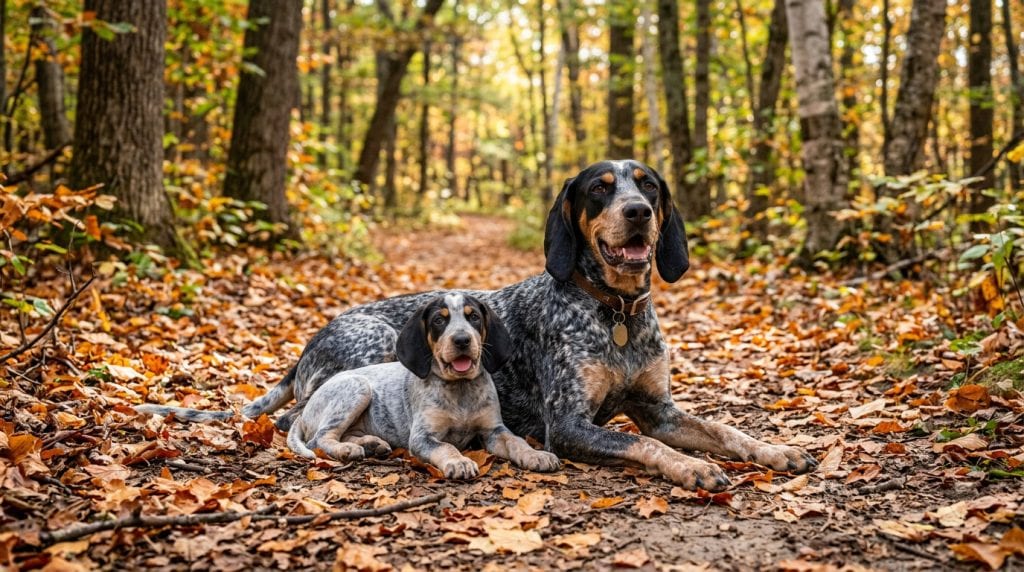
Living with a Bluetick Coonhound often means embracing a dog with a keen sense of adventure and a nose for exploration. Many owners find that their Bluetick is both independent yet deeply affectionate, balancing a love for the outdoors with a desire to be part of the family. These hounds are known for their distinctive, melodic baying, which can be a charming, if sometimes surprising, part of their character.
At a glance
Core care
- Size: Large
- Energy: High
- Grooming: Low
- Shedding: Moderate
Support style
- Sensitivity: Moderate
- Training style: Independent
Breed guide
Choose a section to explore. These notes describe common patterns, but individual dogs vary widely.
The Bluetick Coonhound has its roots deeply embedded in American hunting history, where it was bred for tracking raccoons and other small game. This background has shaped the Bluetick into a dog that is both determined and tenacious, with a strong instinct to follow scents. In modern times, while not all Blueticks are used for hunting, their heritage can still be seen in their love for outdoor adventures and their impressive tracking abilities.
Physically, Bluetick Coonhounds are striking with their distinctive blue-ticked coat, which is both beautiful and practical. Their coat is short and dense, offering protection against the elements without requiring extensive grooming. Owners often appreciate the breed’s athletic build, which supports their high energy levels and need for regular physical activity. Despite their size, they tend to be agile and quick, making them well-suited for active families.
Temperamentally, Blueticks are known for their friendly and outgoing nature. They often form strong bonds with their families and can be quite affectionate. However, their independent streak means they might not always be the most obedient, especially if they catch an interesting scent. Owners frequently notice their Bluetick’s vocal nature, as they are not shy about expressing themselves with their distinctive howl, which can be both endearing and a consideration for those in close-knit neighbourhoods.
It’s important for potential owners to understand that while breed traits provide a general guide, individual Blueticks can vary widely. Factors such as genetics, upbringing, and environment all play a role in shaping a dog’s personality. Prospective owners should be prepared for a dog that thrives on activity and companionship, but also one that might occasionally test boundaries with its independent spirit.
Bluetick Coonhounds are often noted for their social and friendly nature, which can make them wonderful companions. Many owners observe that their Bluetick enjoys being part of family activities, whether that’s a long walk in the countryside or simply lounging in the garden. Their social nature often means they are good with children, although their size and energy should be considered.
The breed’s background as a hunting dog contributes to their independent streak. While they are affectionate and enjoy human company, they can also be quite self-reliant. This independence means they may not always be the most obedient, especially when their nose catches an interesting scent. Owners often find that their Bluetick’s curiosity can lead them on unexpected adventures, so a secure garden is a must.
Blueticks are moderately sensitive, which means they respond well to positive reinforcement but may not react well to harsh training methods. Their sensitivity can also mean they pick up on the emotions of their family, often providing comfort when needed. This trait, combined with their loyalty, makes them excellent companions for those who appreciate a dog that is both independent and in tune with their human’s feelings.
Training a Bluetick requires patience and consistency. While they are intelligent, their independent nature means they may not always be eager to please. Owners often find that keeping training sessions short and engaging helps maintain their Bluetick’s interest. It’s also important to start training early, as their natural instincts can be strong. With the right approach, Blueticks can become well-mannered members of the family, though they may always retain a hint of their wild, adventurous spirit.
A typical day for a Bluetick Coonhound involves plenty of physical activity, as they are a high-energy breed that thrives on exercise. Owners often find that their Bluetick needs at least an hour or two of vigorous activity each day to stay happy and healthy. This can include long walks, hikes, or even running alongside a bicycle. Their love for the outdoors makes them excellent companions for active individuals or families who enjoy spending time outside.
In addition to physical exercise, Blueticks benefit from mental enrichment activities. Puzzle toys, scent games, and training sessions can help keep their minds sharp and engaged. Given their strong tracking instincts, activities that allow them to use their nose are particularly rewarding. Owners often find that incorporating scent trails or hide-and-seek games into their routine helps satisfy their Bluetick’s natural curiosity.
It’s important to note that Bluetick Coonhounds can become bored if not given enough stimulation, which can lead to undesirable behaviours. Chewing, digging, or excessive barking may occur if their energy is not properly channelled. Therefore, a varied routine that includes both physical and mental challenges is essential for their wellbeing.
As Blueticks age, their exercise needs may change. Older dogs might not require as much intense activity, but they still benefit from regular walks and gentle play. Adjusting their routine to suit their life stage helps maintain their health and happiness. Regardless of age, Blueticks thrive in environments where they can explore and engage with their surroundings, making them well-suited to homes with access to outdoor spaces.
Training a Bluetick Coonhound can sometimes feel like a balancing act between encouraging their independent spirit and instilling good manners. Owners often find that these hounds respond best to positive reinforcement techniques, where rewards and praise are used to motivate and guide behaviour. Given their independent nature, consistency is key to helping them understand expectations.
Impulse control can be a particular challenge with Blueticks, especially given their strong prey drive and interest in scents. Training sessions that focus on recall and basic commands are essential, particularly in environments where distractions are present. Many owners find that using high-value treats and maintaining a calm, patient approach helps keep their Bluetick engaged and responsive.
Adolescence can be a challenging time for Bluetick owners, as this is when their independent streak might be most pronounced. During this phase, it’s important to remain consistent with training and to continue reinforcing positive behaviours. Enrolling in a training class or working with a professional trainer can provide additional support and guidance during this period.
Building a strong relationship with a Bluetick is crucial to successful training. They are loyal dogs that thrive on companionship, and developing a bond based on trust and mutual respect can enhance the training process. While they may not always be eager to please in the traditional sense, their intelligence and curiosity mean they can learn a wide range of commands and tricks when approached with patience and understanding.
Bluetick Coonhounds tend to thrive in homes where they have access to outdoor spaces and plenty of opportunities for exercise. They are well-suited to rural or suburban environments where they can explore and engage with their surroundings. Owners often find that a secure garden is essential, as their strong hunting instincts can lead them to wander if given the chance.
In terms of family life, Blueticks can be good companions for children, thanks to their friendly and patient nature. However, their size and energy levels mean supervision is important to ensure playtime remains safe and enjoyable for everyone involved. Many families appreciate the Bluetick’s affectionate demeanor, which can make them a beloved member of the household.
When it comes to other pets, Blueticks may get along well with dogs, especially if they are raised together. However, their hunting instincts mean they might not be the best fit for homes with small animals, such as cats or rabbits. Early socialisation and training can help manage these instincts, but it’s important for potential owners to be aware of this aspect of their temperament.
Overall, Bluetick Coonhounds are best suited to active households that can provide the physical and mental stimulation they need. While they can adapt to various living situations, their natural tendencies and energy levels mean they do best in environments where they can be active and engaged. Prospective owners should be prepared for a dog that is both independent and affectionate, with a strong desire to be part of the family’s daily life.
Health and wellbeing are closely linked for Bluetick Coonhounds, as their active lifestyle requires a healthy body to support their energetic nature. Regular veterinary check-ups are crucial to monitor their overall health and to catch any potential issues early. Preventive care, including vaccinations and parasite control, plays a key role in maintaining their health.
Blueticks can be prone to certain health conditions, such as hip dysplasia and ear infections, due to their breed characteristics. Owners often find that maintaining a healthy weight and providing regular exercise can help mitigate some joint issues. Ear care is particularly important for Blueticks, as their floppy ears can trap moisture and debris, leading to infections if not properly managed.
Behaviourally, a healthy Bluetick is typically active and alert, with a keen interest in their surroundings. Changes in behaviour, such as lethargy or reluctance to exercise, can sometimes indicate health issues and should be discussed with a veterinarian. Regular observation of their behaviour and physical condition can help owners identify when something might be amiss.
Overall, a proactive approach to health care, including a balanced diet, regular exercise, and routine veterinary visits, can help ensure a Bluetick Coonhound remains a healthy and happy member of the family. While they are generally robust dogs, being aware of their specific health needs and addressing them promptly can contribute to a long and fulfilling life.
The Bluetick Coonhound’s history is deeply rooted in the American South, where they were developed to track and tree raccoons and other small game. This breed evolved from a mix of French hounds brought to America and local hunting dogs, resulting in a hound with exceptional scenting abilities and a distinctive appearance. Their name comes from their unique coat pattern, which features a blue-ticked pattern that helps them blend into their natural environment.
Originally bred for their hunting prowess, Blueticks were prized for their ability to work independently and their determination in the field. These traits have been passed down through generations, making them excellent hunting companions and family dogs alike. Their history as working dogs explains their high energy levels and their need for regular exercise and mental stimulation.
As the breed developed, Blueticks became known for their distinctive baying, a trait that was particularly useful in hunting as it allowed hunters to follow their dogs through dense forests. This vocal nature is still present in modern Blueticks, and while it can be charming, it is something potential owners should be aware of, especially in urban environments.
Today, Bluetick Coonhounds are appreciated not only for their hunting abilities but also for their friendly and loyal nature. Their history as a working breed has shaped them into dogs that are both independent and affectionate, making them well-suited to active families who can provide the companionship and exercise they need. Understanding their origins helps owners appreciate the unique characteristics that make Blueticks such engaging companions.
What shapes individual dogs
- Early social experiences
- Training approach
- Environment & routine
- Genetics & breeding
- Health & pain
- Age / life stage
The Bluetick Coonhound has its roots deeply embedded in American hunting history, where it was bred for tracking raccoons and other small game. This background has shaped the Bluetick into a dog that is both determined and tenacious, with a strong instinct to follow scents. In modern times, while not all Blueticks are used for hunting, their heritage can still be seen in their love for outdoor adventures and their impressive tracking abilities.
Physically, Bluetick Coonhounds are striking with their distinctive blue-ticked coat, which is both beautiful and practical. Their coat is short and dense, offering protection against the elements without requiring extensive grooming. Owners often appreciate the breed’s athletic build, which supports their high energy levels and need for regular physical activity. Despite their size, they tend to be agile and quick, making them well-suited for active families.
Temperamentally, Blueticks are known for their friendly and outgoing nature. They often form strong bonds with their families and can be quite affectionate. However, their independent streak means they might not always be the most obedient, especially if they catch an interesting scent. Owners frequently notice their Bluetick’s vocal nature, as they are not shy about expressing themselves with their distinctive howl, which can be both endearing and a consideration for those in close-knit neighbourhoods.
It’s important for potential owners to understand that while breed traits provide a general guide, individual Blueticks can vary widely. Factors such as genetics, upbringing, and environment all play a role in shaping a dog’s personality. Prospective owners should be prepared for a dog that thrives on activity and companionship, but also one that might occasionally test boundaries with its independent spirit.
Bluetick Coonhounds are often noted for their social and friendly nature, which can make them wonderful companions. Many owners observe that their Bluetick enjoys being part of family activities, whether that’s a long walk in the countryside or simply lounging in the garden. Their social nature often means they are good with children, although their size and energy should be considered.
The breed’s background as a hunting dog contributes to their independent streak. While they are affectionate and enjoy human company, they can also be quite self-reliant. This independence means they may not always be the most obedient, especially when their nose catches an interesting scent. Owners often find that their Bluetick’s curiosity can lead them on unexpected adventures, so a secure garden is a must.
Blueticks are moderately sensitive, which means they respond well to positive reinforcement but may not react well to harsh training methods. Their sensitivity can also mean they pick up on the emotions of their family, often providing comfort when needed. This trait, combined with their loyalty, makes them excellent companions for those who appreciate a dog that is both independent and in tune with their human’s feelings.
Training a Bluetick requires patience and consistency. While they are intelligent, their independent nature means they may not always be eager to please. Owners often find that keeping training sessions short and engaging helps maintain their Bluetick’s interest. It’s also important to start training early, as their natural instincts can be strong. With the right approach, Blueticks can become well-mannered members of the family, though they may always retain a hint of their wild, adventurous spirit.
A typical day for a Bluetick Coonhound involves plenty of physical activity, as they are a high-energy breed that thrives on exercise. Owners often find that their Bluetick needs at least an hour or two of vigorous activity each day to stay happy and healthy. This can include long walks, hikes, or even running alongside a bicycle. Their love for the outdoors makes them excellent companions for active individuals or families who enjoy spending time outside.
In addition to physical exercise, Blueticks benefit from mental enrichment activities. Puzzle toys, scent games, and training sessions can help keep their minds sharp and engaged. Given their strong tracking instincts, activities that allow them to use their nose are particularly rewarding. Owners often find that incorporating scent trails or hide-and-seek games into their routine helps satisfy their Bluetick’s natural curiosity.
It’s important to note that Bluetick Coonhounds can become bored if not given enough stimulation, which can lead to undesirable behaviours. Chewing, digging, or excessive barking may occur if their energy is not properly channelled. Therefore, a varied routine that includes both physical and mental challenges is essential for their wellbeing.
As Blueticks age, their exercise needs may change. Older dogs might not require as much intense activity, but they still benefit from regular walks and gentle play. Adjusting their routine to suit their life stage helps maintain their health and happiness. Regardless of age, Blueticks thrive in environments where they can explore and engage with their surroundings, making them well-suited to homes with access to outdoor spaces.
Training a Bluetick Coonhound can sometimes feel like a balancing act between encouraging their independent spirit and instilling good manners. Owners often find that these hounds respond best to positive reinforcement techniques, where rewards and praise are used to motivate and guide behaviour. Given their independent nature, consistency is key to helping them understand expectations.
Impulse control can be a particular challenge with Blueticks, especially given their strong prey drive and interest in scents. Training sessions that focus on recall and basic commands are essential, particularly in environments where distractions are present. Many owners find that using high-value treats and maintaining a calm, patient approach helps keep their Bluetick engaged and responsive.
Adolescence can be a challenging time for Bluetick owners, as this is when their independent streak might be most pronounced. During this phase, it’s important to remain consistent with training and to continue reinforcing positive behaviours. Enrolling in a training class or working with a professional trainer can provide additional support and guidance during this period.
Building a strong relationship with a Bluetick is crucial to successful training. They are loyal dogs that thrive on companionship, and developing a bond based on trust and mutual respect can enhance the training process. While they may not always be eager to please in the traditional sense, their intelligence and curiosity mean they can learn a wide range of commands and tricks when approached with patience and understanding.
Bluetick Coonhounds tend to thrive in homes where they have access to outdoor spaces and plenty of opportunities for exercise. They are well-suited to rural or suburban environments where they can explore and engage with their surroundings. Owners often find that a secure garden is essential, as their strong hunting instincts can lead them to wander if given the chance.
In terms of family life, Blueticks can be good companions for children, thanks to their friendly and patient nature. However, their size and energy levels mean supervision is important to ensure playtime remains safe and enjoyable for everyone involved. Many families appreciate the Bluetick’s affectionate demeanor, which can make them a beloved member of the household.
When it comes to other pets, Blueticks may get along well with dogs, especially if they are raised together. However, their hunting instincts mean they might not be the best fit for homes with small animals, such as cats or rabbits. Early socialisation and training can help manage these instincts, but it’s important for potential owners to be aware of this aspect of their temperament.
Overall, Bluetick Coonhounds are best suited to active households that can provide the physical and mental stimulation they need. While they can adapt to various living situations, their natural tendencies and energy levels mean they do best in environments where they can be active and engaged. Prospective owners should be prepared for a dog that is both independent and affectionate, with a strong desire to be part of the family’s daily life.
Health and wellbeing are closely linked for Bluetick Coonhounds, as their active lifestyle requires a healthy body to support their energetic nature. Regular veterinary check-ups are crucial to monitor their overall health and to catch any potential issues early. Preventive care, including vaccinations and parasite control, plays a key role in maintaining their health.
Blueticks can be prone to certain health conditions, such as hip dysplasia and ear infections, due to their breed characteristics. Owners often find that maintaining a healthy weight and providing regular exercise can help mitigate some joint issues. Ear care is particularly important for Blueticks, as their floppy ears can trap moisture and debris, leading to infections if not properly managed.
Behaviourally, a healthy Bluetick is typically active and alert, with a keen interest in their surroundings. Changes in behaviour, such as lethargy or reluctance to exercise, can sometimes indicate health issues and should be discussed with a veterinarian. Regular observation of their behaviour and physical condition can help owners identify when something might be amiss.
Overall, a proactive approach to health care, including a balanced diet, regular exercise, and routine veterinary visits, can help ensure a Bluetick Coonhound remains a healthy and happy member of the family. While they are generally robust dogs, being aware of their specific health needs and addressing them promptly can contribute to a long and fulfilling life.
The Bluetick Coonhound’s history is deeply rooted in the American South, where they were developed to track and tree raccoons and other small game. This breed evolved from a mix of French hounds brought to America and local hunting dogs, resulting in a hound with exceptional scenting abilities and a distinctive appearance. Their name comes from their unique coat pattern, which features a blue-ticked pattern that helps them blend into their natural environment.
Originally bred for their hunting prowess, Blueticks were prized for their ability to work independently and their determination in the field. These traits have been passed down through generations, making them excellent hunting companions and family dogs alike. Their history as working dogs explains their high energy levels and their need for regular exercise and mental stimulation.
As the breed developed, Blueticks became known for their distinctive baying, a trait that was particularly useful in hunting as it allowed hunters to follow their dogs through dense forests. This vocal nature is still present in modern Blueticks, and while it can be charming, it is something potential owners should be aware of, especially in urban environments.
Today, Bluetick Coonhounds are appreciated not only for their hunting abilities but also for their friendly and loyal nature. Their history as a working breed has shaped them into dogs that are both independent and affectionate, making them well-suited to active families who can provide the companionship and exercise they need. Understanding their origins helps owners appreciate the unique characteristics that make Blueticks such engaging companions.
What shapes individual dogs
- Early social experiences
- Training approach
- Environment & routine
- Genetics & breeding
- Health & pain
- Age / life stage
Want support with this?
This course is relevant for Bluetick Coonhound owners due to the breed's complex temperament and independent nature.