
Berger Picard
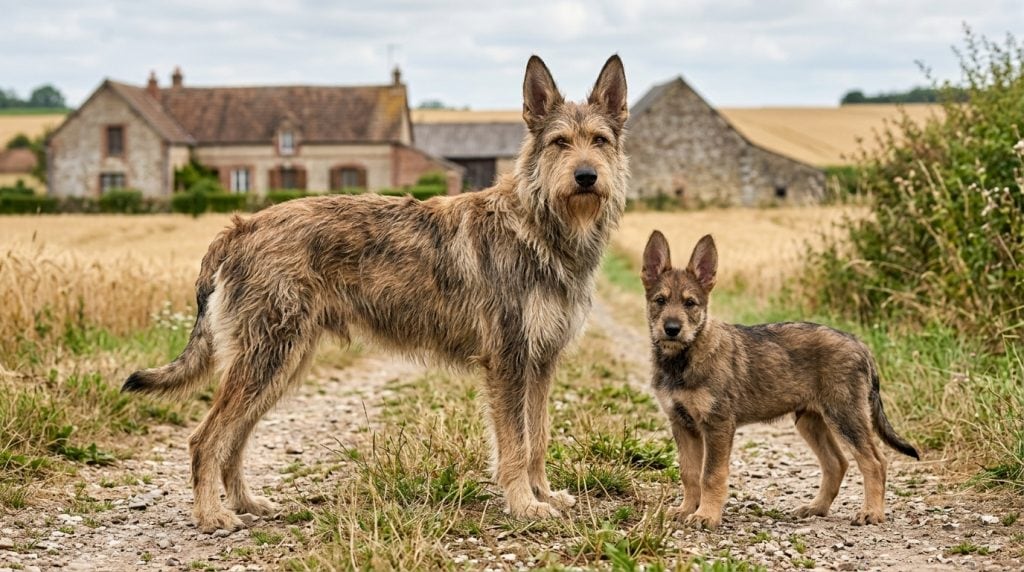
Living with a Berger Picard often means sharing your space with a dog that is both attentive and independent. Their rustic appearance and expressive eyes hint at a breed that is deeply connected to its herding roots, yet adaptable to modern family life. Owners frequently find that these dogs enjoy being part of the household activities, while still valuing their own time to observe and think.
At a glance
Core care
- Size: Medium
- Energy: Moderate to high
- Grooming: Low
- Shedding: Moderate
Support style
- Sensitivity: Moderate
- Training style: Willing
Breed guide
Choose a section to explore. These notes describe common patterns, but individual dogs vary widely.
The Berger Picard, with its roots firmly planted in the fields of France, was originally bred for herding sheep. This background has shaped a dog that is both intelligent and independent, yet deeply connected to its human companions. Today, these traits manifest in a dog that is alert and responsive, often ready to engage with its family and surroundings. Their herding instincts may still appear in their tendency to watch over family members or even other pets, ensuring everyone is safe and accounted for.
Physically, the Berger Picard is a medium-sized dog with a rugged, tousled coat that gives them a distinctly rustic appearance. This coat not only adds to their charm but also serves a practical purpose, protecting them from the elements when they were working outdoors. In everyday life, their size makes them well-suited to a variety of living situations, from rural homes with plenty of space to more urban environments, provided they receive adequate exercise.
Temperamentally, Berger Picards are known for their loyalty and intelligence. Owners often notice that these dogs are quick to learn and eager to please, though they may sometimes exhibit a streak of independence. This can make training both rewarding and challenging, as they respond best to positive reinforcement and a patient approach. Their moderate sensitivity means they can pick up on the moods of their household, making them intuitive companions.
It’s important for potential owners to remember that, like all breeds, individual Berger Picards can vary in their behaviour and needs. While many will display the typical traits associated with the breed, each dog is unique, shaped by their genetics, upbringing, and environment. Understanding these nuances can help ensure a harmonious relationship with this charming and capable breed.
Berger Picards are often noted for their watchful and attentive nature. This breed tends to form strong bonds with their families, often showing a keen interest in participating in daily activities. Their herding background contributes to a natural inclination to keep an eye on their surroundings, making them excellent companions for those who appreciate a dog that is both observant and engaged.
Socially, Berger Picards can be somewhat reserved with strangers, a trait that reflects their history as working dogs who needed to focus on their tasks rather than socialising. However, once they become familiar with someone, they are typically warm and welcoming. This initial reserve can be managed with early and consistent socialisation, helping them become more comfortable in a variety of settings.
In terms of sensitivity, Berger Picards are moderately sensitive, meaning they can be quite attuned to the emotions of their human companions. This can be a wonderful trait for families who appreciate a dog that seems to understand their moods and needs. However, it also means that harsh training methods or environments that are too chaotic can be unsettling for them.
Their trainability is generally considered to be high, as they are willing learners who thrive on positive reinforcement. Owners often find that consistency and clear communication are key to successful training. While they may occasionally test boundaries, their desire to please and their intelligence make them responsive to patient and understanding guidance.
A typical day for a Berger Picard involves a healthy mix of physical activity and mental stimulation. These dogs benefit from regular walks, playtime, and opportunities to explore their environment. Given their moderate to high energy levels, they enjoy activities that challenge both their bodies and minds, such as agility or herding exercises, which can be particularly fulfilling.
Physical exercise is crucial for this breed, not only to keep them fit but also to prevent boredom, which can lead to unwanted behaviours. Owners often find that a couple of brisk walks each day, combined with play sessions, help keep their Berger Picard content. Activities that allow them to use their natural herding instincts, like fetch or hide and seek, can be particularly rewarding.
Mental enrichment is equally important. Puzzle toys, training sessions, and interactive games can help keep their intelligent minds engaged. Berger Picards enjoy tasks that require them to think and problem-solve, which can also strengthen the bond between dog and owner. It’s important to vary these activities to maintain their interest and enthusiasm.
As Berger Picards age, their exercise needs may change. While puppies and young dogs require more vigorous activity, older dogs might appreciate gentler walks and more relaxed play. Understanding and adapting to these changes ensures that they remain healthy and happy throughout their lives.
Training a Berger Picard often feels like working with a partner who is eager to learn but appreciates a bit of autonomy. These dogs are generally willing to engage in training sessions, especially when they are approached with patience and positivity. Owners often find that using reward-based methods, such as treats and praise, helps to motivate their Berger Picard and build a strong training foundation.
Impulse control can be an area where Berger Picards may need extra guidance, particularly during their adolescent phase. Like many breeds, they can experience a period of testing boundaries as they mature. Consistent training and clear expectations can help navigate this stage, ensuring that they grow into well-behaved adults.
Building a strong relationship based on trust and mutual respect is key to successful training with this breed. Berger Picards respond well to calm and confident leadership, and they thrive in environments where they feel secure and understood. Owners who invest time in understanding their dog’s individual personality and learning style often find training to be a rewarding experience.
Consistency is crucial, as is the ability to adapt training methods to suit the dog’s unique needs. While Berger Picards are generally trainable, each dog is an individual, and what works for one may not work for another. Being flexible and open to trying different approaches can make training both effective and enjoyable for both dog and owner.
Berger Picards tend to thrive in homes where they can be active participants in daily life. They are well-suited to environments that offer them space to move and explore, such as homes with gardens or access to outdoor areas. However, they can also adapt to urban living, provided they receive sufficient exercise and mental stimulation.
Owners often find that Berger Picards integrate well into family life, forming strong bonds with their human companions. They can be good with children, particularly when raised alongside them, as their herding instincts often translate into a protective and watchful nature. Supervision and teaching children how to interact respectfully with the dog can help foster a positive relationship.
When it comes to other pets, Berger Picards may display varying levels of compatibility. Their herding instincts might lead them to try and ‘organise’ other animals, which can be playful but should be monitored to ensure it doesn’t become overwhelming for other pets. Early socialisation can help them learn to coexist peacefully with other animals in the household.
Ultimately, the best fit for a Berger Picard is a home where they are considered part of the family and involved in daily activities. Understanding their need for companionship and stimulation can help potential owners provide an environment where these intelligent and loyal dogs can truly flourish.
The health of a Berger Picard is closely tied to their overall wellbeing and quality of life. Like all breeds, they can be prone to certain health issues, but with proper care and attention, many of these can be managed effectively. Regular veterinary check-ups are essential to catch any potential problems early and ensure they remain healthy.
Common health considerations for Berger Picards include hip dysplasia and eye conditions. Being aware of these possibilities allows owners to take preventive measures, such as maintaining a healthy weight and monitoring their dog’s physical condition. Early detection through regular vet visits can help manage these issues effectively.
Health also plays a role in behaviour. A healthy Berger Picard is more likely to be active, engaged, and responsive. Conversely, health problems can sometimes manifest as changes in behaviour, such as decreased activity levels or irritability. Being attuned to these changes can help owners seek veterinary advice when needed.
Preventive care, including a balanced diet, regular exercise, and mental stimulation, contributes significantly to a Berger Picard’s health. By providing a well-rounded lifestyle and being proactive about their health needs, owners can help ensure their dogs enjoy a long and happy life. The course “Canine First Aid: A Practical Guide” offers valuable insights into managing health concerns effectively.
The Berger Picard’s history is rooted deeply in the pastoral landscapes of northern France, where they were originally bred as herding dogs. Their primary role was to manage and protect flocks of sheep, a task that required intelligence, independence, and a strong work ethic. These traits have been preserved over the centuries, contributing to the breed’s modern-day characteristics.
The breed’s development was influenced by the need for a versatile and resilient dog capable of working in various conditions. Their rustic appearance, with a tousled coat and expressive eyes, reflects their practical origins. This coat was not just for show; it provided protection against the elements, allowing them to work effectively in all weather conditions.
Throughout history, the Berger Picard has faced challenges, including near extinction after both World Wars. Dedicated breed enthusiasts worked tirelessly to preserve the breed, recognising the unique qualities and capabilities that these dogs offered. Their efforts ensured that the Berger Picard survived and continued to be valued as both working dogs and companions.
Today, the Berger Picard is appreciated not only for its herding abilities but also for its adaptability to modern family life. Their history as diligent and independent workers explains many of the traits owners cherish, such as their loyalty, intelligence, and occasional stubbornness. Understanding their origins provides valuable insight into the breed’s behaviour and needs, helping owners appreciate the depth and richness of the Berger Picard’s character.
What shapes individual dogs
- Early social experiences
- Training approach
- Environment & routine
- Genetics & breeding
- Health & pain
- Age / life stage
The Berger Picard, with its roots firmly planted in the fields of France, was originally bred for herding sheep. This background has shaped a dog that is both intelligent and independent, yet deeply connected to its human companions. Today, these traits manifest in a dog that is alert and responsive, often ready to engage with its family and surroundings. Their herding instincts may still appear in their tendency to watch over family members or even other pets, ensuring everyone is safe and accounted for.
Physically, the Berger Picard is a medium-sized dog with a rugged, tousled coat that gives them a distinctly rustic appearance. This coat not only adds to their charm but also serves a practical purpose, protecting them from the elements when they were working outdoors. In everyday life, their size makes them well-suited to a variety of living situations, from rural homes with plenty of space to more urban environments, provided they receive adequate exercise.
Temperamentally, Berger Picards are known for their loyalty and intelligence. Owners often notice that these dogs are quick to learn and eager to please, though they may sometimes exhibit a streak of independence. This can make training both rewarding and challenging, as they respond best to positive reinforcement and a patient approach. Their moderate sensitivity means they can pick up on the moods of their household, making them intuitive companions.
It’s important for potential owners to remember that, like all breeds, individual Berger Picards can vary in their behaviour and needs. While many will display the typical traits associated with the breed, each dog is unique, shaped by their genetics, upbringing, and environment. Understanding these nuances can help ensure a harmonious relationship with this charming and capable breed.
Berger Picards are often noted for their watchful and attentive nature. This breed tends to form strong bonds with their families, often showing a keen interest in participating in daily activities. Their herding background contributes to a natural inclination to keep an eye on their surroundings, making them excellent companions for those who appreciate a dog that is both observant and engaged.
Socially, Berger Picards can be somewhat reserved with strangers, a trait that reflects their history as working dogs who needed to focus on their tasks rather than socialising. However, once they become familiar with someone, they are typically warm and welcoming. This initial reserve can be managed with early and consistent socialisation, helping them become more comfortable in a variety of settings.
In terms of sensitivity, Berger Picards are moderately sensitive, meaning they can be quite attuned to the emotions of their human companions. This can be a wonderful trait for families who appreciate a dog that seems to understand their moods and needs. However, it also means that harsh training methods or environments that are too chaotic can be unsettling for them.
Their trainability is generally considered to be high, as they are willing learners who thrive on positive reinforcement. Owners often find that consistency and clear communication are key to successful training. While they may occasionally test boundaries, their desire to please and their intelligence make them responsive to patient and understanding guidance.
A typical day for a Berger Picard involves a healthy mix of physical activity and mental stimulation. These dogs benefit from regular walks, playtime, and opportunities to explore their environment. Given their moderate to high energy levels, they enjoy activities that challenge both their bodies and minds, such as agility or herding exercises, which can be particularly fulfilling.
Physical exercise is crucial for this breed, not only to keep them fit but also to prevent boredom, which can lead to unwanted behaviours. Owners often find that a couple of brisk walks each day, combined with play sessions, help keep their Berger Picard content. Activities that allow them to use their natural herding instincts, like fetch or hide and seek, can be particularly rewarding.
Mental enrichment is equally important. Puzzle toys, training sessions, and interactive games can help keep their intelligent minds engaged. Berger Picards enjoy tasks that require them to think and problem-solve, which can also strengthen the bond between dog and owner. It’s important to vary these activities to maintain their interest and enthusiasm.
As Berger Picards age, their exercise needs may change. While puppies and young dogs require more vigorous activity, older dogs might appreciate gentler walks and more relaxed play. Understanding and adapting to these changes ensures that they remain healthy and happy throughout their lives.
Training a Berger Picard often feels like working with a partner who is eager to learn but appreciates a bit of autonomy. These dogs are generally willing to engage in training sessions, especially when they are approached with patience and positivity. Owners often find that using reward-based methods, such as treats and praise, helps to motivate their Berger Picard and build a strong training foundation.
Impulse control can be an area where Berger Picards may need extra guidance, particularly during their adolescent phase. Like many breeds, they can experience a period of testing boundaries as they mature. Consistent training and clear expectations can help navigate this stage, ensuring that they grow into well-behaved adults.
Building a strong relationship based on trust and mutual respect is key to successful training with this breed. Berger Picards respond well to calm and confident leadership, and they thrive in environments where they feel secure and understood. Owners who invest time in understanding their dog’s individual personality and learning style often find training to be a rewarding experience.
Consistency is crucial, as is the ability to adapt training methods to suit the dog’s unique needs. While Berger Picards are generally trainable, each dog is an individual, and what works for one may not work for another. Being flexible and open to trying different approaches can make training both effective and enjoyable for both dog and owner.
Berger Picards tend to thrive in homes where they can be active participants in daily life. They are well-suited to environments that offer them space to move and explore, such as homes with gardens or access to outdoor areas. However, they can also adapt to urban living, provided they receive sufficient exercise and mental stimulation.
Owners often find that Berger Picards integrate well into family life, forming strong bonds with their human companions. They can be good with children, particularly when raised alongside them, as their herding instincts often translate into a protective and watchful nature. Supervision and teaching children how to interact respectfully with the dog can help foster a positive relationship.
When it comes to other pets, Berger Picards may display varying levels of compatibility. Their herding instincts might lead them to try and ‘organise’ other animals, which can be playful but should be monitored to ensure it doesn’t become overwhelming for other pets. Early socialisation can help them learn to coexist peacefully with other animals in the household.
Ultimately, the best fit for a Berger Picard is a home where they are considered part of the family and involved in daily activities. Understanding their need for companionship and stimulation can help potential owners provide an environment where these intelligent and loyal dogs can truly flourish.
The health of a Berger Picard is closely tied to their overall wellbeing and quality of life. Like all breeds, they can be prone to certain health issues, but with proper care and attention, many of these can be managed effectively. Regular veterinary check-ups are essential to catch any potential problems early and ensure they remain healthy.
Common health considerations for Berger Picards include hip dysplasia and eye conditions. Being aware of these possibilities allows owners to take preventive measures, such as maintaining a healthy weight and monitoring their dog’s physical condition. Early detection through regular vet visits can help manage these issues effectively.
Health also plays a role in behaviour. A healthy Berger Picard is more likely to be active, engaged, and responsive. Conversely, health problems can sometimes manifest as changes in behaviour, such as decreased activity levels or irritability. Being attuned to these changes can help owners seek veterinary advice when needed.
Preventive care, including a balanced diet, regular exercise, and mental stimulation, contributes significantly to a Berger Picard’s health. By providing a well-rounded lifestyle and being proactive about their health needs, owners can help ensure their dogs enjoy a long and happy life. The course “Canine First Aid: A Practical Guide” offers valuable insights into managing health concerns effectively.
The Berger Picard’s history is rooted deeply in the pastoral landscapes of northern France, where they were originally bred as herding dogs. Their primary role was to manage and protect flocks of sheep, a task that required intelligence, independence, and a strong work ethic. These traits have been preserved over the centuries, contributing to the breed’s modern-day characteristics.
The breed’s development was influenced by the need for a versatile and resilient dog capable of working in various conditions. Their rustic appearance, with a tousled coat and expressive eyes, reflects their practical origins. This coat was not just for show; it provided protection against the elements, allowing them to work effectively in all weather conditions.
Throughout history, the Berger Picard has faced challenges, including near extinction after both World Wars. Dedicated breed enthusiasts worked tirelessly to preserve the breed, recognising the unique qualities and capabilities that these dogs offered. Their efforts ensured that the Berger Picard survived and continued to be valued as both working dogs and companions.
Today, the Berger Picard is appreciated not only for its herding abilities but also for its adaptability to modern family life. Their history as diligent and independent workers explains many of the traits owners cherish, such as their loyalty, intelligence, and occasional stubbornness. Understanding their origins provides valuable insight into the breed’s behaviour and needs, helping owners appreciate the depth and richness of the Berger Picard’s character.
What shapes individual dogs
- Early social experiences
- Training approach
- Environment & routine
- Genetics & breeding
- Health & pain
- Age / life stage
Want support with this?
This course is relevant for Berger Picard owners as it provides essential knowledge on managing health concerns effectively.