
Belgian Sheepdog
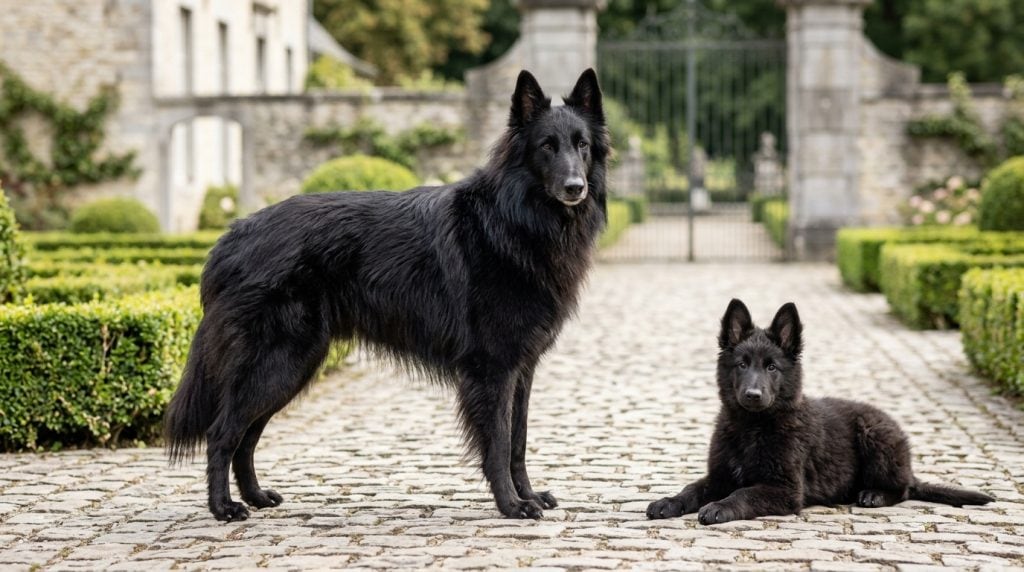
Living with a Belgian Sheepdog often means sharing your home with a highly intelligent and alert companion. These dogs are known for their keen sense of awareness and strong desire to be involved in family activities. They tend to form deep bonds with their owners, and many find that a Belgian Sheepdog is happiest when given a purpose or task to complete.
At a glance
Core care
- Size: Large
- Energy: High
- Grooming: Low
- Shedding: High
Support style
- Sensitivity: High
- Training style: Highly responsive
Breed guide
Choose a section to explore. These notes describe common patterns, but individual dogs vary widely.
The Belgian Sheepdog, with its roots deeply planted in herding, has a history that naturally informs its modern-day demeanour. Originally bred to manage livestock in the fields of Belgium, these dogs were prized for their intelligence, agility, and unwavering work ethic. Today, these traits translate into a breed that is both highly trainable and eager to engage in various activities. Owners often find that their Belgian Sheepdog thrives when given tasks that challenge both mind and body.
Physically, the Belgian Sheepdog is a striking presence with its long, flowing black coat and athletic build. This breed’s size and stature mean that they are quite noticeable, and their elegant movement is a testament to their herding ancestry. In everyday life, this translates to a dog that requires space to move and exercise, as well as regular grooming to maintain their coat in top condition.
Temperamentally, Belgian Sheepdogs are known for their loyalty and protective nature. Owners often observe a strong attachment to their family, with these dogs frequently acting as vigilant guardians. Their high sensitivity means they are attuned to their environment and the emotions of those around them. However, individual personalities can vary, with some dogs being more outgoing and others more reserved.
Living with a Belgian Sheepdog requires an understanding of their need for mental and physical stimulation. While they are generally eager to please, their high energy levels and intelligence mean they can become bored if not adequately engaged. Prospective owners should be prepared for the commitment of meeting these needs, acknowledging that each dog will have its unique quirks and characteristics.
Belgian Sheepdogs are often described as having a strong social nature, which is evident in their interactions with their families. Many owners notice that these dogs thrive on companionship and are happiest when they are part of the daily rhythm of the household. This social drive is likely rooted in their history as herding dogs, where working closely with humans was essential.
Their high sensitivity is another notable trait, which means they are often very attuned to their owner’s moods and the environment around them. This can make them excellent companions for those who appreciate a dog that seems to ‘understand’ them. However, it also means that they may be more reactive to changes in their environment or routine, requiring a stable and supportive home setting.
Trainability is a strong suit for the Belgian Sheepdog, with many owners finding them highly responsive to training efforts. Their intelligence and eagerness to please make them quick learners, although this also means they can become easily bored if not mentally stimulated. Training sessions that incorporate variety and challenge are often the most successful.
While these tendencies are common, it’s important to remember that each Belgian Sheepdog is an individual. Some may be more outgoing or independent, while others might be more reserved or clingy. Understanding and respecting these individual differences is key to fostering a healthy and happy relationship with your dog.
A typical day for a Belgian Sheepdog involves a good deal of activity, reflecting their high energy levels and working heritage. Owners often find that a mix of physical exercise and mental challenges is necessary to keep these dogs content and well-balanced. Regular walks, runs, or hikes are a great way to meet their exercise needs, but these should be complemented with activities that engage their minds as well.
Mental enrichment can take many forms, from puzzle toys to training sessions that teach new commands or tricks. Belgian Sheepdogs often excel in dog sports such as agility or obedience, which can provide both physical and mental stimulation. Owners might also consider herding trials or similar activities that draw on the breed’s natural instincts.
It’s important to adjust exercise routines as the dog ages. While young Belgian Sheepdogs may seem tireless, older dogs might require a more gentle approach, with a focus on maintaining mobility and mental sharpness. Regardless of age, these dogs benefit from consistent routines that provide both structure and variety.
Avoiding boredom is crucial, as a bored Belgian Sheepdog can become destructive or develop unwanted behaviours. Owners should be mindful of providing enough enrichment and exercise to prevent such issues, tailoring activities to their dog’s preferences and abilities. This approach helps ensure a harmonious and fulfilling life for both dog and owner.
Training a Belgian Sheepdog often feels like a collaborative effort, as these dogs are known for their eagerness to learn and work alongside their owners. Many find that positive reinforcement techniques, which reward desired behaviours, are particularly effective. This approach not only taps into their intelligence but also strengthens the bond between dog and owner.
Impulse control can be a challenge, especially during adolescence when these dogs are full of energy and curiosity. Consistent training and clear boundaries are essential during this stage to help them develop into well-mannered adults. Patience and understanding go a long way, as each dog will progress at their own pace.
The relationship between a Belgian Sheepdog and its owner is a key component of successful training. These dogs thrive on close connections and often respond best to those they trust and respect. Building a strong relationship through regular interaction and shared activities can enhance training outcomes and overall behaviour.
Consistency is crucial, as is adapting training methods to suit the individual dog’s needs and temperament. While the breed is generally highly trainable, each dog will have its unique challenges and strengths. A supportive and flexible approach helps ensure that training remains a positive and rewarding experience for both dog and owner.
Belgian Sheepdogs tend to thrive in environments where they have space to move and explore. Homes with large gardens or access to open spaces are often ideal, allowing these active dogs to burn off energy and engage in natural behaviours. However, they can adapt to smaller living spaces as long as their exercise and enrichment needs are met.
Owners often find that Belgian Sheepdogs integrate well into family life, forming strong bonds with all members. Their protective nature can make them excellent companions for children, although supervision and teaching children how to interact respectfully with dogs is important. Their social nature means they usually enjoy being part of the family activities.
When it comes to other pets, Belgian Sheepdogs can coexist peacefully, especially if they are introduced to them from a young age. Their herding instincts might lead them to try and ’round up’ other animals, so monitoring interactions and providing appropriate outlets for these behaviours is beneficial.
Overall, a home that can provide structure, companionship, and plenty of activity is likely to suit a Belgian Sheepdog well. Prospective owners should consider their ability to meet these needs and be prepared for the commitment of sharing their life with such an active and intelligent breed.
Health is a crucial aspect of a Belgian Sheepdog’s overall wellbeing, and understanding common health considerations can help owners provide the best care. Regular veterinary check-ups are essential to monitor and maintain their health, addressing any potential issues early on.
Like many large breeds, Belgian Sheepdogs can be prone to hip dysplasia, a condition that affects the hip joints. Maintaining a healthy weight and providing appropriate exercise can help manage this risk. Owners should also be aware of the potential for eye conditions, which can be monitored through regular vet visits.
Preventive care, including vaccinations and parasite control, is vital for keeping a Belgian Sheepdog healthy. A balanced diet tailored to their age, size, and activity level supports their overall health and energy needs. Dental care should not be overlooked, as dental health is closely linked to overall wellbeing.
Being attuned to changes in behaviour or physical condition can provide early clues to health issues. Owners should seek veterinary advice if they notice anything unusual, ensuring that their Belgian Sheepdog remains healthy and happy throughout their life. A proactive approach to health care is key to a long and fulfilling life for these active dogs.
The Belgian Sheepdog, also known as the Groenendael, has a rich history that dates back to the late 19th century in Belgium. Originally bred as a herding dog, its primary role was to manage and protect livestock. This working background has shaped the breed’s intelligence, agility, and strong work ethic, traits that are still evident today.
The breed was developed alongside three other Belgian herding breeds, each with distinct characteristics but sharing a common purpose. The Groenendael, with its striking black coat, became particularly popular and is recognised today as the Belgian Sheepdog. Its development was influenced by the need for a versatile and reliable working dog capable of handling the demands of herding in various terrains.
As the breed evolved, its roles expanded beyond herding. Belgian Sheepdogs were utilised in police and military work, showcasing their intelligence and trainability. These roles further cemented their reputation as highly capable and loyal companions, attributes that continue to make them popular among dog enthusiasts.
Today, the Belgian Sheepdog’s history as a working breed is evident in its behaviour and temperament. Owners often notice the breed’s natural instincts to protect and work closely with humans, a testament to its origins. Understanding this history helps explain the breed’s needs and characteristics, providing insight into what makes the Belgian Sheepdog such a unique and valued companion.
What shapes individual dogs
- Early social experiences
- Training approach
- Environment & routine
- Genetics & breeding
- Health & pain
- Age / life stage
The Belgian Sheepdog, with its roots deeply planted in herding, has a history that naturally informs its modern-day demeanour. Originally bred to manage livestock in the fields of Belgium, these dogs were prized for their intelligence, agility, and unwavering work ethic. Today, these traits translate into a breed that is both highly trainable and eager to engage in various activities. Owners often find that their Belgian Sheepdog thrives when given tasks that challenge both mind and body.
Physically, the Belgian Sheepdog is a striking presence with its long, flowing black coat and athletic build. This breed’s size and stature mean that they are quite noticeable, and their elegant movement is a testament to their herding ancestry. In everyday life, this translates to a dog that requires space to move and exercise, as well as regular grooming to maintain their coat in top condition.
Temperamentally, Belgian Sheepdogs are known for their loyalty and protective nature. Owners often observe a strong attachment to their family, with these dogs frequently acting as vigilant guardians. Their high sensitivity means they are attuned to their environment and the emotions of those around them. However, individual personalities can vary, with some dogs being more outgoing and others more reserved.
Living with a Belgian Sheepdog requires an understanding of their need for mental and physical stimulation. While they are generally eager to please, their high energy levels and intelligence mean they can become bored if not adequately engaged. Prospective owners should be prepared for the commitment of meeting these needs, acknowledging that each dog will have its unique quirks and characteristics.
Belgian Sheepdogs are often described as having a strong social nature, which is evident in their interactions with their families. Many owners notice that these dogs thrive on companionship and are happiest when they are part of the daily rhythm of the household. This social drive is likely rooted in their history as herding dogs, where working closely with humans was essential.
Their high sensitivity is another notable trait, which means they are often very attuned to their owner’s moods and the environment around them. This can make them excellent companions for those who appreciate a dog that seems to ‘understand’ them. However, it also means that they may be more reactive to changes in their environment or routine, requiring a stable and supportive home setting.
Trainability is a strong suit for the Belgian Sheepdog, with many owners finding them highly responsive to training efforts. Their intelligence and eagerness to please make them quick learners, although this also means they can become easily bored if not mentally stimulated. Training sessions that incorporate variety and challenge are often the most successful.
While these tendencies are common, it’s important to remember that each Belgian Sheepdog is an individual. Some may be more outgoing or independent, while others might be more reserved or clingy. Understanding and respecting these individual differences is key to fostering a healthy and happy relationship with your dog.
A typical day for a Belgian Sheepdog involves a good deal of activity, reflecting their high energy levels and working heritage. Owners often find that a mix of physical exercise and mental challenges is necessary to keep these dogs content and well-balanced. Regular walks, runs, or hikes are a great way to meet their exercise needs, but these should be complemented with activities that engage their minds as well.
Mental enrichment can take many forms, from puzzle toys to training sessions that teach new commands or tricks. Belgian Sheepdogs often excel in dog sports such as agility or obedience, which can provide both physical and mental stimulation. Owners might also consider herding trials or similar activities that draw on the breed’s natural instincts.
It’s important to adjust exercise routines as the dog ages. While young Belgian Sheepdogs may seem tireless, older dogs might require a more gentle approach, with a focus on maintaining mobility and mental sharpness. Regardless of age, these dogs benefit from consistent routines that provide both structure and variety.
Avoiding boredom is crucial, as a bored Belgian Sheepdog can become destructive or develop unwanted behaviours. Owners should be mindful of providing enough enrichment and exercise to prevent such issues, tailoring activities to their dog’s preferences and abilities. This approach helps ensure a harmonious and fulfilling life for both dog and owner.
Training a Belgian Sheepdog often feels like a collaborative effort, as these dogs are known for their eagerness to learn and work alongside their owners. Many find that positive reinforcement techniques, which reward desired behaviours, are particularly effective. This approach not only taps into their intelligence but also strengthens the bond between dog and owner.
Impulse control can be a challenge, especially during adolescence when these dogs are full of energy and curiosity. Consistent training and clear boundaries are essential during this stage to help them develop into well-mannered adults. Patience and understanding go a long way, as each dog will progress at their own pace.
The relationship between a Belgian Sheepdog and its owner is a key component of successful training. These dogs thrive on close connections and often respond best to those they trust and respect. Building a strong relationship through regular interaction and shared activities can enhance training outcomes and overall behaviour.
Consistency is crucial, as is adapting training methods to suit the individual dog’s needs and temperament. While the breed is generally highly trainable, each dog will have its unique challenges and strengths. A supportive and flexible approach helps ensure that training remains a positive and rewarding experience for both dog and owner.
Belgian Sheepdogs tend to thrive in environments where they have space to move and explore. Homes with large gardens or access to open spaces are often ideal, allowing these active dogs to burn off energy and engage in natural behaviours. However, they can adapt to smaller living spaces as long as their exercise and enrichment needs are met.
Owners often find that Belgian Sheepdogs integrate well into family life, forming strong bonds with all members. Their protective nature can make them excellent companions for children, although supervision and teaching children how to interact respectfully with dogs is important. Their social nature means they usually enjoy being part of the family activities.
When it comes to other pets, Belgian Sheepdogs can coexist peacefully, especially if they are introduced to them from a young age. Their herding instincts might lead them to try and ’round up’ other animals, so monitoring interactions and providing appropriate outlets for these behaviours is beneficial.
Overall, a home that can provide structure, companionship, and plenty of activity is likely to suit a Belgian Sheepdog well. Prospective owners should consider their ability to meet these needs and be prepared for the commitment of sharing their life with such an active and intelligent breed.
Health is a crucial aspect of a Belgian Sheepdog’s overall wellbeing, and understanding common health considerations can help owners provide the best care. Regular veterinary check-ups are essential to monitor and maintain their health, addressing any potential issues early on.
Like many large breeds, Belgian Sheepdogs can be prone to hip dysplasia, a condition that affects the hip joints. Maintaining a healthy weight and providing appropriate exercise can help manage this risk. Owners should also be aware of the potential for eye conditions, which can be monitored through regular vet visits.
Preventive care, including vaccinations and parasite control, is vital for keeping a Belgian Sheepdog healthy. A balanced diet tailored to their age, size, and activity level supports their overall health and energy needs. Dental care should not be overlooked, as dental health is closely linked to overall wellbeing.
Being attuned to changes in behaviour or physical condition can provide early clues to health issues. Owners should seek veterinary advice if they notice anything unusual, ensuring that their Belgian Sheepdog remains healthy and happy throughout their life. A proactive approach to health care is key to a long and fulfilling life for these active dogs.
The Belgian Sheepdog, also known as the Groenendael, has a rich history that dates back to the late 19th century in Belgium. Originally bred as a herding dog, its primary role was to manage and protect livestock. This working background has shaped the breed’s intelligence, agility, and strong work ethic, traits that are still evident today.
The breed was developed alongside three other Belgian herding breeds, each with distinct characteristics but sharing a common purpose. The Groenendael, with its striking black coat, became particularly popular and is recognised today as the Belgian Sheepdog. Its development was influenced by the need for a versatile and reliable working dog capable of handling the demands of herding in various terrains.
As the breed evolved, its roles expanded beyond herding. Belgian Sheepdogs were utilised in police and military work, showcasing their intelligence and trainability. These roles further cemented their reputation as highly capable and loyal companions, attributes that continue to make them popular among dog enthusiasts.
Today, the Belgian Sheepdog’s history as a working breed is evident in its behaviour and temperament. Owners often notice the breed’s natural instincts to protect and work closely with humans, a testament to its origins. Understanding this history helps explain the breed’s needs and characteristics, providing insight into what makes the Belgian Sheepdog such a unique and valued companion.
What shapes individual dogs
- Early social experiences
- Training approach
- Environment & routine
- Genetics & breeding
- Health & pain
- Age / life stage
Want support with this?
This course offers valuable insights into the complex temperament and behaviour nuances of the Belgian Sheepdog, helping owners build a deeper understanding.