
Beauceron
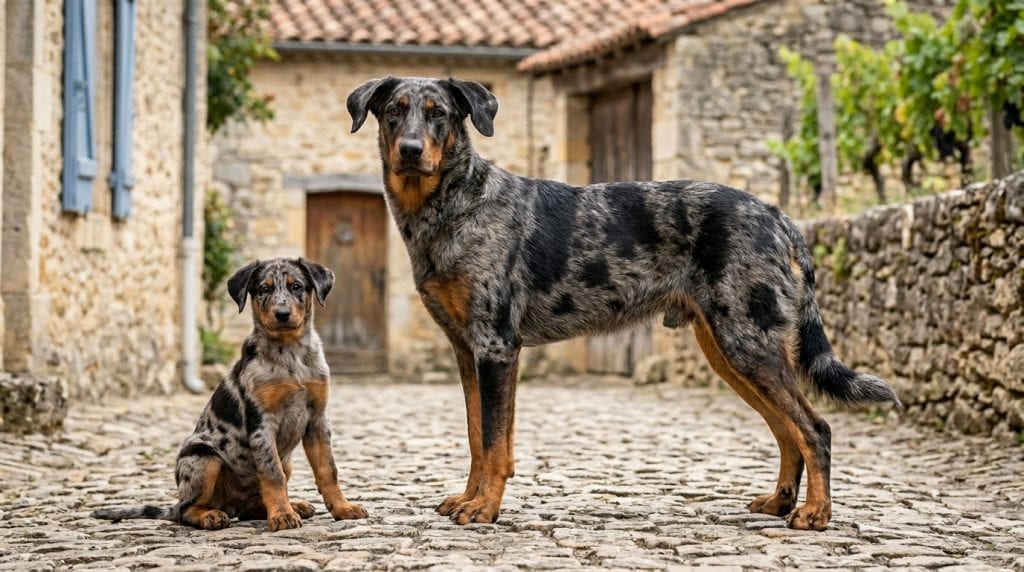
Living with a Beauceron often means sharing your space with a dog that is both attentive and energetic. They are known for their alert nature and strong work ethic, which means they frequently look for opportunities to engage and participate in family activities. Their presence is felt through their keen observation and readiness to be involved, making them a dynamic companion in the home.
At a glance
Core care
- Size: Large
- Energy: High
- Grooming: Low
- Shedding: Moderate
Support style
- Sensitivity: Moderate
- Training style: Willing
Breed guide
Choose a section to explore. These notes describe common patterns, but individual dogs vary widely.
The Beauceron has its roots in France, where it was originally bred as a versatile herding and guard dog. This background has shaped the breed into a highly capable and intelligent companion, known for its loyalty and protective instincts. Today, these traits are still evident, as many Beaucerons thrive in roles that allow them to use their natural skills, whether that’s participating in canine sports or simply being a vigilant family guardian.
Physically, the Beauceron is a large and imposing dog, with a muscular build that reflects its working heritage. Owners often notice their Beauceron’s presence not just in stature but in the way they carry themselves with a confident and purposeful gait. This physicality means they require ample space to move and exercise, which is something to consider for potential owners.
Temperamentally, Beaucerons are known for their intelligence and willingness to work, which can make them a joy to train. They are often described as having a serious demeanor, yet they form strong bonds with their families and can be quite affectionate. However, their protective nature means they may be wary of strangers, a trait that can be managed with proper socialisation from a young age.
While the Beauceron has many consistent traits, individual dogs can vary significantly. Factors such as upbringing, socialisation, and individual personality all play a role in shaping a Beauceron’s behaviour. Prospective owners should be prepared for a dog that is both a challenge and a delight, requiring commitment and understanding to bring out their best.
Beaucerons are often noted for their strong social bonds with their families. This breed tends to be deeply loyal, often forming close attachments and showing a desire to protect their loved ones. Owners frequently observe their Beauceron’s watchful nature, as they often position themselves to keep an eye on household activities, ready to respond if needed.
This breed’s protective instincts are a key part of their temperament, a trait that stems from their history as herding and guard dogs. While this can make them excellent watchdogs, it also means they may be cautious around new people or situations. Socialisation is crucial to help them distinguish between genuine threats and everyday occurrences, ensuring they are well-adjusted and confident in various environments.
In terms of sensitivity, Beaucerons are moderately responsive to their environment and the emotions of their owners. They tend to pick up on changes in mood or routine, which can make them seem particularly attuned to their human companions. This sensitivity, combined with their intelligence, often means they respond well to positive reinforcement training methods.
Trainability is a highlight for many Beauceron owners. Their willingness to learn and work makes them highly trainable, though they can sometimes exhibit a stubborn streak. Consistent, patient training that respects their intelligence and independence is key. While they may test boundaries, a strong relationship built on trust and respect will often lead to a well-mannered and obedient companion.
A typical day for a Beauceron involves a good amount of physical activity. This breed has high energy levels, so regular exercise is essential to keep them happy and healthy. Owners often find that long walks, runs, or hikes are effective ways to meet their exercise needs. Additionally, they enjoy activities that challenge their minds, such as agility or obedience training.
Mental enrichment is just as important as physical exercise for the Beauceron. Puzzle toys, scent games, and tasks that require problem-solving are excellent ways to keep their intelligent minds engaged. Without sufficient mental stimulation, they may become bored, which can lead to unwanted behaviours such as chewing or digging.
As they age, the exercise needs of a Beauceron may change. While young dogs require more vigorous activity, older Beaucerons might appreciate more leisurely walks and gentler play. It’s important for owners to adjust their routines to accommodate their dog’s changing abilities and energy levels.
Avoiding monotony is crucial when planning a Beauceron’s exercise routine. They thrive on variety and new challenges, so mixing up activities can help maintain their interest and enthusiasm. Whether it’s exploring a new walking route or introducing a new game, keeping things fresh will contribute to a well-rounded and contented dog.
Training a Beauceron often feels like a rewarding partnership, as they are generally eager to learn and work alongside their owners. Their intelligence and willingness to please make them responsive to training, though they do best with methods that are consistent and positive. Owners often find that a gentle yet firm approach, coupled with plenty of rewards and praise, yields the best results.
Impulse control can be a challenge with this breed, particularly during adolescence when their energy levels and curiosity are at their peak. Teaching basic commands like ‘sit’, ‘stay’, and ‘leave it’ can help manage their impulses and ensure they remain well-behaved in various situations. Consistent practice and patience are key during this developmental stage.
The Beauceron’s trainability is enhanced by a strong relationship with their owner. They thrive on interaction and engagement, so regular training sessions that are fun and varied can help strengthen the bond between dog and owner. This connection is crucial, as Beaucerons are more likely to respond positively to someone they trust and respect.
Adolescence can be a particularly testing time for Beauceron owners, as their dogs may test boundaries and exhibit stubbornness. However, maintaining a calm and consistent approach will help guide them through this phase. Enrolling in a course like ‘Puppy Beginnings: Building a Calm Start’ can provide valuable insights and techniques to navigate this period successfully.
The Beauceron can fit well into a variety of home environments, provided their needs for space and activity are met. They thrive in homes with access to a garden or outdoor space where they can roam and play. However, they can also adapt to urban living if they receive ample exercise and mental stimulation.
Owners often find that Beaucerons do well in active households where they can be part of daily activities. They enjoy being involved and can be excellent companions for families who like to hike, run, or engage in dog sports. Their protective nature also makes them good watchdogs, though they require proper socialisation to ensure they are friendly and confident around visitors and strangers.
When it comes to living with children and other pets, Beaucerons can be quite adaptable. They tend to be gentle and protective with children, though supervision is recommended to ensure positive interactions. With other pets, early socialisation and introductions are key to fostering harmonious relationships.
Realistically, prospective owners should consider whether they can commit to the exercise, training, and socialisation needs of a Beauceron. They are not a breed that thrives on being left alone for long periods, so a lifestyle that includes plenty of interaction and engagement will suit them best. Understanding these needs will help ensure a happy and balanced life for both the dog and their family.
The overall health of a Beauceron is closely tied to their everyday wellbeing, and maintaining their health involves a combination of preventive care and regular veterinary check-ups. Like many large breeds, they can be prone to certain health issues, such as hip dysplasia and bloat, so monitoring their health and seeking veterinary advice when needed is crucial.
Preventive care plays a significant role in keeping a Beauceron healthy. Regular exercise, a balanced diet, and maintaining a healthy weight can help mitigate some of the breed’s common health concerns. Additionally, routine dental care and vaccinations are important aspects of their health regimen.
Health issues can sometimes influence behaviour, so being observant of any changes in your Beauceron’s habits or demeanour can provide early indicators of potential problems. For example, reluctance to exercise or changes in appetite might warrant a visit to the vet to rule out underlying health issues.
A practical approach to health involves staying informed about breed-specific concerns and working closely with a veterinarian to develop a tailored health plan. This proactive stance can help ensure that your Beauceron remains healthy and active throughout their life, allowing them to enjoy a fulfilling and happy existence.
The Beauceron’s history is deeply rooted in the rural landscapes of France, where they were developed as versatile working dogs. Originally bred to herd sheep and cattle, they were prized for their intelligence, strength, and endurance. This heritage has left a lasting impact on the breed, shaping many of the traits that are still evident today.
In the fields, Beaucerons were known for their ability to work independently while also being responsive to their handler’s commands. This balance of independence and cooperation is a hallmark of the breed, making them both capable workers and loyal companions. Their role in herding required them to be vigilant and protective, traits that continue to define their character.
As the breed developed, Beaucerons were also utilised as guard dogs, further enhancing their reputation for loyalty and protective instincts. These roles required them to be both courageous and discerning, qualities that modern Beaucerons still exhibit. Their history as working dogs explains their high energy levels and need for mental and physical stimulation.
Today, the Beauceron is appreciated not only for its working capabilities but also as a family companion. Understanding their origins provides insight into their behaviour and needs, helping owners appreciate the breed’s unique qualities. This connection to their past enriches the experience of living with a Beauceron, offering a glimpse into the breed’s storied history and enduring legacy.
What shapes individual dogs
- Early social experiences
- Training approach
- Environment & routine
- Genetics & breeding
- Health & pain
- Age / life stage
The Beauceron has its roots in France, where it was originally bred as a versatile herding and guard dog. This background has shaped the breed into a highly capable and intelligent companion, known for its loyalty and protective instincts. Today, these traits are still evident, as many Beaucerons thrive in roles that allow them to use their natural skills, whether that’s participating in canine sports or simply being a vigilant family guardian.
Physically, the Beauceron is a large and imposing dog, with a muscular build that reflects its working heritage. Owners often notice their Beauceron’s presence not just in stature but in the way they carry themselves with a confident and purposeful gait. This physicality means they require ample space to move and exercise, which is something to consider for potential owners.
Temperamentally, Beaucerons are known for their intelligence and willingness to work, which can make them a joy to train. They are often described as having a serious demeanor, yet they form strong bonds with their families and can be quite affectionate. However, their protective nature means they may be wary of strangers, a trait that can be managed with proper socialisation from a young age.
While the Beauceron has many consistent traits, individual dogs can vary significantly. Factors such as upbringing, socialisation, and individual personality all play a role in shaping a Beauceron’s behaviour. Prospective owners should be prepared for a dog that is both a challenge and a delight, requiring commitment and understanding to bring out their best.
Beaucerons are often noted for their strong social bonds with their families. This breed tends to be deeply loyal, often forming close attachments and showing a desire to protect their loved ones. Owners frequently observe their Beauceron’s watchful nature, as they often position themselves to keep an eye on household activities, ready to respond if needed.
This breed’s protective instincts are a key part of their temperament, a trait that stems from their history as herding and guard dogs. While this can make them excellent watchdogs, it also means they may be cautious around new people or situations. Socialisation is crucial to help them distinguish between genuine threats and everyday occurrences, ensuring they are well-adjusted and confident in various environments.
In terms of sensitivity, Beaucerons are moderately responsive to their environment and the emotions of their owners. They tend to pick up on changes in mood or routine, which can make them seem particularly attuned to their human companions. This sensitivity, combined with their intelligence, often means they respond well to positive reinforcement training methods.
Trainability is a highlight for many Beauceron owners. Their willingness to learn and work makes them highly trainable, though they can sometimes exhibit a stubborn streak. Consistent, patient training that respects their intelligence and independence is key. While they may test boundaries, a strong relationship built on trust and respect will often lead to a well-mannered and obedient companion.
A typical day for a Beauceron involves a good amount of physical activity. This breed has high energy levels, so regular exercise is essential to keep them happy and healthy. Owners often find that long walks, runs, or hikes are effective ways to meet their exercise needs. Additionally, they enjoy activities that challenge their minds, such as agility or obedience training.
Mental enrichment is just as important as physical exercise for the Beauceron. Puzzle toys, scent games, and tasks that require problem-solving are excellent ways to keep their intelligent minds engaged. Without sufficient mental stimulation, they may become bored, which can lead to unwanted behaviours such as chewing or digging.
As they age, the exercise needs of a Beauceron may change. While young dogs require more vigorous activity, older Beaucerons might appreciate more leisurely walks and gentler play. It’s important for owners to adjust their routines to accommodate their dog’s changing abilities and energy levels.
Avoiding monotony is crucial when planning a Beauceron’s exercise routine. They thrive on variety and new challenges, so mixing up activities can help maintain their interest and enthusiasm. Whether it’s exploring a new walking route or introducing a new game, keeping things fresh will contribute to a well-rounded and contented dog.
Training a Beauceron often feels like a rewarding partnership, as they are generally eager to learn and work alongside their owners. Their intelligence and willingness to please make them responsive to training, though they do best with methods that are consistent and positive. Owners often find that a gentle yet firm approach, coupled with plenty of rewards and praise, yields the best results.
Impulse control can be a challenge with this breed, particularly during adolescence when their energy levels and curiosity are at their peak. Teaching basic commands like ‘sit’, ‘stay’, and ‘leave it’ can help manage their impulses and ensure they remain well-behaved in various situations. Consistent practice and patience are key during this developmental stage.
The Beauceron’s trainability is enhanced by a strong relationship with their owner. They thrive on interaction and engagement, so regular training sessions that are fun and varied can help strengthen the bond between dog and owner. This connection is crucial, as Beaucerons are more likely to respond positively to someone they trust and respect.
Adolescence can be a particularly testing time for Beauceron owners, as their dogs may test boundaries and exhibit stubbornness. However, maintaining a calm and consistent approach will help guide them through this phase. Enrolling in a course like ‘Puppy Beginnings: Building a Calm Start’ can provide valuable insights and techniques to navigate this period successfully.
The Beauceron can fit well into a variety of home environments, provided their needs for space and activity are met. They thrive in homes with access to a garden or outdoor space where they can roam and play. However, they can also adapt to urban living if they receive ample exercise and mental stimulation.
Owners often find that Beaucerons do well in active households where they can be part of daily activities. They enjoy being involved and can be excellent companions for families who like to hike, run, or engage in dog sports. Their protective nature also makes them good watchdogs, though they require proper socialisation to ensure they are friendly and confident around visitors and strangers.
When it comes to living with children and other pets, Beaucerons can be quite adaptable. They tend to be gentle and protective with children, though supervision is recommended to ensure positive interactions. With other pets, early socialisation and introductions are key to fostering harmonious relationships.
Realistically, prospective owners should consider whether they can commit to the exercise, training, and socialisation needs of a Beauceron. They are not a breed that thrives on being left alone for long periods, so a lifestyle that includes plenty of interaction and engagement will suit them best. Understanding these needs will help ensure a happy and balanced life for both the dog and their family.
The overall health of a Beauceron is closely tied to their everyday wellbeing, and maintaining their health involves a combination of preventive care and regular veterinary check-ups. Like many large breeds, they can be prone to certain health issues, such as hip dysplasia and bloat, so monitoring their health and seeking veterinary advice when needed is crucial.
Preventive care plays a significant role in keeping a Beauceron healthy. Regular exercise, a balanced diet, and maintaining a healthy weight can help mitigate some of the breed’s common health concerns. Additionally, routine dental care and vaccinations are important aspects of their health regimen.
Health issues can sometimes influence behaviour, so being observant of any changes in your Beauceron’s habits or demeanour can provide early indicators of potential problems. For example, reluctance to exercise or changes in appetite might warrant a visit to the vet to rule out underlying health issues.
A practical approach to health involves staying informed about breed-specific concerns and working closely with a veterinarian to develop a tailored health plan. This proactive stance can help ensure that your Beauceron remains healthy and active throughout their life, allowing them to enjoy a fulfilling and happy existence.
The Beauceron’s history is deeply rooted in the rural landscapes of France, where they were developed as versatile working dogs. Originally bred to herd sheep and cattle, they were prized for their intelligence, strength, and endurance. This heritage has left a lasting impact on the breed, shaping many of the traits that are still evident today.
In the fields, Beaucerons were known for their ability to work independently while also being responsive to their handler’s commands. This balance of independence and cooperation is a hallmark of the breed, making them both capable workers and loyal companions. Their role in herding required them to be vigilant and protective, traits that continue to define their character.
As the breed developed, Beaucerons were also utilised as guard dogs, further enhancing their reputation for loyalty and protective instincts. These roles required them to be both courageous and discerning, qualities that modern Beaucerons still exhibit. Their history as working dogs explains their high energy levels and need for mental and physical stimulation.
Today, the Beauceron is appreciated not only for its working capabilities but also as a family companion. Understanding their origins provides insight into their behaviour and needs, helping owners appreciate the breed’s unique qualities. This connection to their past enriches the experience of living with a Beauceron, offering a glimpse into the breed’s storied history and enduring legacy.
What shapes individual dogs
- Early social experiences
- Training approach
- Environment & routine
- Genetics & breeding
- Health & pain
- Age / life stage
Want support with this?
This course is relevant for Beauceron owners to help navigate the challenges of raising a well-adjusted and calm companion.