
American Leopard Hound
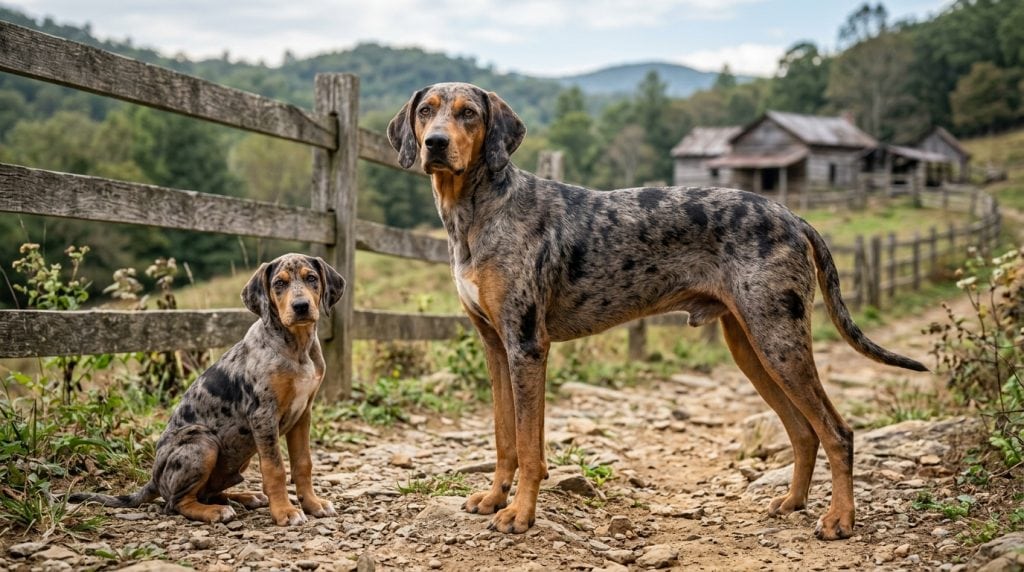
Living with an American Leopard Hound often means embracing a lively and spirited companion. Known for their keen intelligence and alert nature, these dogs thrive in environments where they can explore and engage with their surroundings. Their loyalty and willingness to work closely with their human companions make them a unique and rewarding breed to share your life with.
At a glance
Core care
- Size: Medium
- Energy: High
- Grooming: Low
- Shedding: Moderate
Support style
- Sensitivity: Moderate
- Training style: Willing
Breed guide
Choose a section to explore. These notes describe common patterns, but individual dogs vary widely.
The American Leopard Hound has roots deeply embedded in the history of North America, serving as a versatile hunting companion. Originally bred for their endurance and ability to track game over long distances, these hounds have retained their strong work ethic and keen senses. Today, their history as a working dog is evident in their active nature and desire to be involved in family activities.
Physically, the American Leopard Hound is a medium-sized breed with a muscular build that hints at their stamina and agility. Their distinctive coat, often featuring a striking leopard-like pattern, is not just for show; it provides protection and camouflage in various terrains. Owners often appreciate the breed’s robust physique, which allows them to participate in a variety of outdoor activities, from hiking to running.
Temperamentally, American Leopard Hounds are known for their intelligence and alertness. They tend to form strong bonds with their families and can be quite protective. Many owners notice their hound’s eagerness to please, which, combined with their trainability, makes them a joy to work with. However, they can also be independent thinkers, a trait that reflects their history as self-reliant hunters.
As with any breed, individual American Leopard Hounds can vary in personality and behaviour. While they generally exhibit high energy and a need for mental stimulation, some may be more laid-back than others. It’s important for potential owners to understand that these dogs thrive with active families who can provide them with the exercise and engagement they need to be happy and healthy.
American Leopard Hounds are often noted for their social and engaging nature. Many owners find that these dogs enjoy being part of the family, often seeking out companionship and interaction. Their history as hunting dogs means they are used to working closely with humans, which can translate into a strong desire to be involved in daily activities.
Their moderate sensitivity means that while they are generally adaptable, they do appreciate a stable environment. This sensitivity can make them attuned to their owner’s moods and emotions, often responding with empathy and affection. Owners frequently observe their hound’s keen awareness of their surroundings, which can be both a charming and sometimes challenging trait.
Trainability is another notable aspect of the American Leopard Hound’s temperament. They are typically willing learners, eager to engage in training sessions that challenge their minds and bodies. Positive reinforcement methods tend to work best, as these dogs respond well to encouragement and rewards. Their intelligence means they can quickly pick up new commands and tricks, making training a rewarding experience for both dog and owner.
Despite their generally cooperative nature, American Leopard Hounds can exhibit some independent streaks. This independence is a reminder of their roots as self-reliant hunters. It’s important for owners to balance their dog’s need for guidance with respect for their individuality. Understanding and appreciating these nuances can lead to a harmonious relationship where both owner and dog thrive.
A day in the life of an American Leopard Hound typically involves plenty of physical activity and mental stimulation. With their high energy levels, these dogs benefit from regular, vigorous exercise. Many owners find that a combination of long walks, runs, and play sessions helps keep their hound content and well-behaved.
In addition to physical exercise, mental enrichment is crucial for this intelligent breed. Puzzle toys, scent games, and training exercises can provide the mental challenges they crave. These activities not only prevent boredom but also help strengthen the bond between the dog and their owner. Engaging their minds is just as important as tiring out their bodies.
As American Leopard Hounds age, their exercise needs may change. While puppies and young adults require more frequent and intense activity, older dogs might prefer shorter, more leisurely walks. It’s important to tailor their exercise routine to their life stage, ensuring they remain healthy and happy throughout their lives.
Owners should be mindful of not over-exercising young puppies, as their growing bodies need time to develop. Similarly, providing a variety of activities can prevent repetitive strain and keep things interesting for the dog. By understanding and meeting their exercise needs, owners can help ensure their American Leopard Hound remains a well-adjusted and content member of the family.
Training an American Leopard Hound often feels like a partnership, with the dog eager to learn and engage. Their willingness to work with their owners makes training sessions enjoyable and productive. Many owners find that using positive reinforcement techniques, such as treats and praise, yields the best results.
Impulse control can be an area where these hounds may need extra support. Their natural curiosity and drive can sometimes lead them to become easily distracted. Consistent training and patience are key to helping them develop the self-control needed to focus on tasks and commands.
Adolescence can be a challenging time for American Leopard Hounds, as they may test boundaries and assert their independence. Maintaining consistency in training and setting clear expectations can help guide them through this phase. It’s also a time to reinforce the bond between dog and owner, ensuring that training remains a positive experience.
Building a strong relationship based on trust and mutual respect is essential for successful training. Owners who invest time in understanding their hound’s unique personality and learning style often find that their efforts are rewarded with a well-behaved and loyal companion. Encouragement and patience go a long way in helping these intelligent dogs reach their full potential.
The American Leopard Hound tends to thrive in active households where they can be part of the action. Their high energy levels mean they are best suited to environments where they have plenty of space to move and explore. Many owners find that homes with large gardens or access to outdoor spaces work well for this breed.
While they are adaptable, these hounds often prefer homes where they are not left alone for long periods. Their social nature means they enjoy being part of the family and can become bored or anxious if isolated. Families who can involve their hound in daily activities often find they have a happier and more content pet.
Living with children and other pets can be a rewarding experience with the American Leopard Hound, provided introductions are managed carefully. Their playful and protective nature can make them wonderful companions for kids, while their hunting instincts mean they may need supervision around smaller animals.
Ultimately, the best fit for an American Leopard Hound is a home that matches their active and social lifestyle. Prospective owners should consider their ability to meet the breed’s exercise and companionship needs, ensuring they can provide a loving and stimulating environment.
Maintaining the health of an American Leopard Hound is integral to their overall wellbeing and happiness. Regular veterinary check-ups and a balanced diet are foundational to keeping them in good shape. Owners often find that a proactive approach to health care helps prevent potential issues and supports their hound’s active lifestyle.
The breed is generally robust, but like all dogs, they can be prone to certain health concerns. Hip dysplasia and eye issues are conditions that some owners may encounter. Early detection and management can make a significant difference, so regular health screenings are advisable.
Understanding the connection between health and behaviour is important. A healthy American Leopard Hound is more likely to be energetic and engaged, while health issues can sometimes manifest as changes in behaviour or temperament. Owners should be attentive to any shifts in their dog’s usual patterns and seek veterinary advice when needed.
Preventive care, including vaccinations, parasite control, and dental hygiene, is essential for keeping these hounds healthy. By staying informed about their specific health needs, owners can ensure their American Leopard Hound enjoys a long, active, and fulfilling life.
The American Leopard Hound’s history is a tale of adaptation and resilience. Believed to have descended from dogs brought to North America by Spanish explorers, they have been shaped by the diverse landscapes and hunting needs of the continent. Their development as a versatile hunting dog has left a lasting impact on their modern-day traits.
Originally used to track and tree game, these hounds were prized for their endurance and keen senses. Their ability to work independently yet cooperatively with hunters made them invaluable in the field. This working heritage is still evident today in their strong work ethic and desire to be active.
Over time, the breed has evolved to suit the changing needs of hunters and families alike. Their adaptability and intelligence have allowed them to transition from purely working dogs to beloved family companions. Despite these changes, their core characteristics of loyalty, alertness, and energy remain unchanged.
Understanding the American Leopard Hound’s origins provides insight into their behaviours and needs. Their history as a working breed explains their high energy levels and need for engagement, making them well-suited to active lifestyles where they can continue to use their natural talents.
What shapes individual dogs
- Early social experiences
- Training approach
- Environment & routine
- Genetics & breeding
- Health & pain
- Age / life stage
The American Leopard Hound has roots deeply embedded in the history of North America, serving as a versatile hunting companion. Originally bred for their endurance and ability to track game over long distances, these hounds have retained their strong work ethic and keen senses. Today, their history as a working dog is evident in their active nature and desire to be involved in family activities.
Physically, the American Leopard Hound is a medium-sized breed with a muscular build that hints at their stamina and agility. Their distinctive coat, often featuring a striking leopard-like pattern, is not just for show; it provides protection and camouflage in various terrains. Owners often appreciate the breed’s robust physique, which allows them to participate in a variety of outdoor activities, from hiking to running.
Temperamentally, American Leopard Hounds are known for their intelligence and alertness. They tend to form strong bonds with their families and can be quite protective. Many owners notice their hound’s eagerness to please, which, combined with their trainability, makes them a joy to work with. However, they can also be independent thinkers, a trait that reflects their history as self-reliant hunters.
As with any breed, individual American Leopard Hounds can vary in personality and behaviour. While they generally exhibit high energy and a need for mental stimulation, some may be more laid-back than others. It’s important for potential owners to understand that these dogs thrive with active families who can provide them with the exercise and engagement they need to be happy and healthy.
American Leopard Hounds are often noted for their social and engaging nature. Many owners find that these dogs enjoy being part of the family, often seeking out companionship and interaction. Their history as hunting dogs means they are used to working closely with humans, which can translate into a strong desire to be involved in daily activities.
Their moderate sensitivity means that while they are generally adaptable, they do appreciate a stable environment. This sensitivity can make them attuned to their owner’s moods and emotions, often responding with empathy and affection. Owners frequently observe their hound’s keen awareness of their surroundings, which can be both a charming and sometimes challenging trait.
Trainability is another notable aspect of the American Leopard Hound’s temperament. They are typically willing learners, eager to engage in training sessions that challenge their minds and bodies. Positive reinforcement methods tend to work best, as these dogs respond well to encouragement and rewards. Their intelligence means they can quickly pick up new commands and tricks, making training a rewarding experience for both dog and owner.
Despite their generally cooperative nature, American Leopard Hounds can exhibit some independent streaks. This independence is a reminder of their roots as self-reliant hunters. It’s important for owners to balance their dog’s need for guidance with respect for their individuality. Understanding and appreciating these nuances can lead to a harmonious relationship where both owner and dog thrive.
A day in the life of an American Leopard Hound typically involves plenty of physical activity and mental stimulation. With their high energy levels, these dogs benefit from regular, vigorous exercise. Many owners find that a combination of long walks, runs, and play sessions helps keep their hound content and well-behaved.
In addition to physical exercise, mental enrichment is crucial for this intelligent breed. Puzzle toys, scent games, and training exercises can provide the mental challenges they crave. These activities not only prevent boredom but also help strengthen the bond between the dog and their owner. Engaging their minds is just as important as tiring out their bodies.
As American Leopard Hounds age, their exercise needs may change. While puppies and young adults require more frequent and intense activity, older dogs might prefer shorter, more leisurely walks. It’s important to tailor their exercise routine to their life stage, ensuring they remain healthy and happy throughout their lives.
Owners should be mindful of not over-exercising young puppies, as their growing bodies need time to develop. Similarly, providing a variety of activities can prevent repetitive strain and keep things interesting for the dog. By understanding and meeting their exercise needs, owners can help ensure their American Leopard Hound remains a well-adjusted and content member of the family.
Training an American Leopard Hound often feels like a partnership, with the dog eager to learn and engage. Their willingness to work with their owners makes training sessions enjoyable and productive. Many owners find that using positive reinforcement techniques, such as treats and praise, yields the best results.
Impulse control can be an area where these hounds may need extra support. Their natural curiosity and drive can sometimes lead them to become easily distracted. Consistent training and patience are key to helping them develop the self-control needed to focus on tasks and commands.
Adolescence can be a challenging time for American Leopard Hounds, as they may test boundaries and assert their independence. Maintaining consistency in training and setting clear expectations can help guide them through this phase. It’s also a time to reinforce the bond between dog and owner, ensuring that training remains a positive experience.
Building a strong relationship based on trust and mutual respect is essential for successful training. Owners who invest time in understanding their hound’s unique personality and learning style often find that their efforts are rewarded with a well-behaved and loyal companion. Encouragement and patience go a long way in helping these intelligent dogs reach their full potential.
The American Leopard Hound tends to thrive in active households where they can be part of the action. Their high energy levels mean they are best suited to environments where they have plenty of space to move and explore. Many owners find that homes with large gardens or access to outdoor spaces work well for this breed.
While they are adaptable, these hounds often prefer homes where they are not left alone for long periods. Their social nature means they enjoy being part of the family and can become bored or anxious if isolated. Families who can involve their hound in daily activities often find they have a happier and more content pet.
Living with children and other pets can be a rewarding experience with the American Leopard Hound, provided introductions are managed carefully. Their playful and protective nature can make them wonderful companions for kids, while their hunting instincts mean they may need supervision around smaller animals.
Ultimately, the best fit for an American Leopard Hound is a home that matches their active and social lifestyle. Prospective owners should consider their ability to meet the breed’s exercise and companionship needs, ensuring they can provide a loving and stimulating environment.
Maintaining the health of an American Leopard Hound is integral to their overall wellbeing and happiness. Regular veterinary check-ups and a balanced diet are foundational to keeping them in good shape. Owners often find that a proactive approach to health care helps prevent potential issues and supports their hound’s active lifestyle.
The breed is generally robust, but like all dogs, they can be prone to certain health concerns. Hip dysplasia and eye issues are conditions that some owners may encounter. Early detection and management can make a significant difference, so regular health screenings are advisable.
Understanding the connection between health and behaviour is important. A healthy American Leopard Hound is more likely to be energetic and engaged, while health issues can sometimes manifest as changes in behaviour or temperament. Owners should be attentive to any shifts in their dog’s usual patterns and seek veterinary advice when needed.
Preventive care, including vaccinations, parasite control, and dental hygiene, is essential for keeping these hounds healthy. By staying informed about their specific health needs, owners can ensure their American Leopard Hound enjoys a long, active, and fulfilling life.
The American Leopard Hound’s history is a tale of adaptation and resilience. Believed to have descended from dogs brought to North America by Spanish explorers, they have been shaped by the diverse landscapes and hunting needs of the continent. Their development as a versatile hunting dog has left a lasting impact on their modern-day traits.
Originally used to track and tree game, these hounds were prized for their endurance and keen senses. Their ability to work independently yet cooperatively with hunters made them invaluable in the field. This working heritage is still evident today in their strong work ethic and desire to be active.
Over time, the breed has evolved to suit the changing needs of hunters and families alike. Their adaptability and intelligence have allowed them to transition from purely working dogs to beloved family companions. Despite these changes, their core characteristics of loyalty, alertness, and energy remain unchanged.
Understanding the American Leopard Hound’s origins provides insight into their behaviours and needs. Their history as a working breed explains their high energy levels and need for engagement, making them well-suited to active lifestyles where they can continue to use their natural talents.
What shapes individual dogs
- Early social experiences
- Training approach
- Environment & routine
- Genetics & breeding
- Health & pain
- Age / life stage
Want support with this?
This course is ideal for understanding the complex temperament and social needs of the American Leopard Hound.