
American English Coonhound
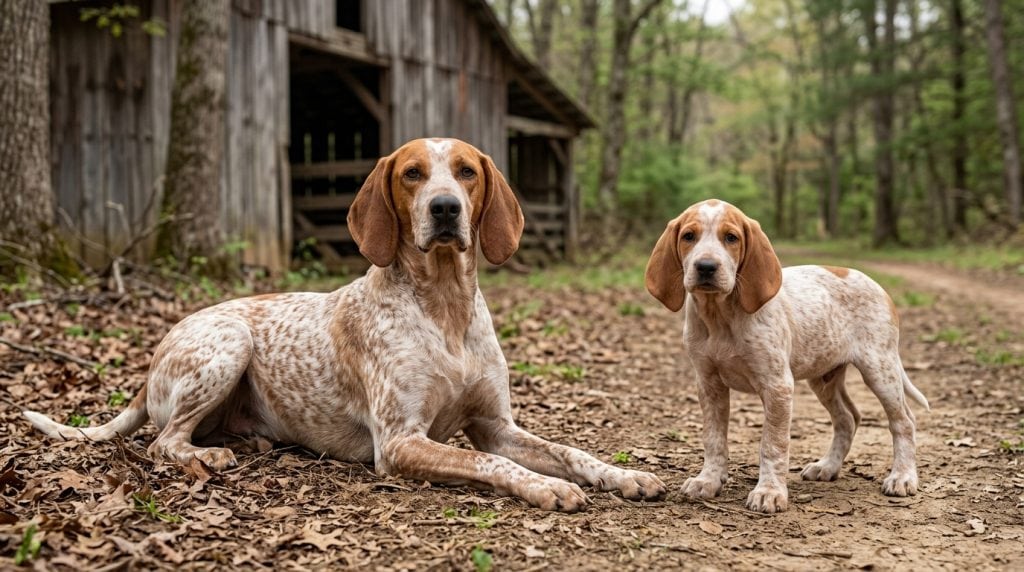
Living with an American English Coonhound often means embracing their spirited nature and love for the outdoors. Many owners find that these dogs bring a lively energy into their homes, always ready for the next adventure. Their keen sense of smell and strong hunting instincts can lead to curious explorations, making them both entertaining and sometimes a bit of a handful.
At a glance
Core care
- Size: Large
- Energy: High
- Grooming: Low
- Shedding: Moderate
Support style
- Sensitivity: Moderate
- Training style: Willing
Breed guide
Choose a section to explore. These notes describe common patterns, but individual dogs vary widely.
The American English Coonhound traces its roots back to the colonial era, where it was developed from English Foxhounds brought to America. These dogs were bred to hunt raccoons and other small game, a task requiring endurance, a keen nose, and the ability to work tirelessly through the night. Today, these traits manifest in a dog that thrives on activity and engagement, often displaying a strong drive to explore and track scents.
Physically, the American English Coonhound is a large, athletic dog, built for stamina and speed. Their lean, muscular bodies are complemented by long legs, enabling them to cover ground efficiently. In everyday life, this means they are often happiest when given plenty of space to roam and opportunities to stretch their legs. Their short, hard coat is easy to maintain, although they do shed moderately, which can be managed with regular brushing.
Temperamentally, these hounds are known for their friendly and sociable nature. They tend to enjoy the company of both humans and other dogs, often forming strong bonds with their families. However, their hunting background can sometimes lead to a strong prey drive, so care should be taken around smaller animals. While generally good-natured, individual personalities can vary, with some dogs being more outgoing or independent than others.
Prospective owners should be prepared for a dog that needs both mental and physical stimulation. While they are generally willing to learn, their independent streak can sometimes make training a bit of a challenge. Patience and consistency are key. As with any breed, it’s important to remember that each dog is an individual, shaped by a combination of genetics, upbringing, and environment.
American English Coonhounds are often described as sociable and friendly, making them well-suited to family life. Many owners notice that their coonhound enjoys being part of the action, whether that’s joining in on family outings or simply lounging around the house with everyone. Their social nature often means they are happiest when they have company, and they can become lonely if left alone for long periods.
This breed’s background as a hunting dog explains some of their behavioural tendencies. They have a strong instinct to track and follow scents, which can sometimes lead them on adventures if not properly supervised. This drive is part of what makes them such enthusiastic companions in active households, but it also means they need secure environments to prevent them from wandering off.
Despite their high energy levels, American English Coonhounds are known for their moderate sensitivity. They can be quite responsive to their owners’ emotions and often do well with positive reinforcement training methods. This sensitivity means they may not respond well to harsh corrections, preferring a gentle but firm approach that respects their intelligence and willingness to learn.
Owners often find that these dogs are quite trainable, though their independent streak can sometimes pose challenges. Consistency and patience are key in training, as is understanding their motivation. While they are generally eager to please, tapping into their natural instincts through scent games or tracking exercises can be particularly rewarding. As with any breed, individual personalities can vary, and getting to know your dog’s unique traits will help in fostering a strong bond.
A typical day for an American English Coonhound involves plenty of physical activity. These dogs have high energy levels and thrive on regular exercise, which often includes long walks, runs, or play sessions in a safely enclosed area. Owners frequently find that their coonhound is happiest when given the chance to explore new environments, as their keen sense of smell leads them to investigate every nook and cranny.
In addition to physical exercise, mental enrichment is crucial for this breed. Engaging their minds with scent-based games or puzzle toys can help satisfy their natural instincts and prevent boredom. Activities like hide-and-seek or tracking exercises can be particularly rewarding, allowing them to use their hunting skills in a controlled manner. It’s important to provide a variety of activities to keep them mentally stimulated.
As they age, the exercise needs of an American English Coonhound may change. While young dogs require more vigorous activity, older coonhounds might prefer shorter, more leisurely walks. However, maintaining a routine that includes both physical and mental stimulation is essential throughout their lives to ensure their wellbeing and happiness.
Owners should be mindful of not over-exercising young puppies, as their developing joints can be sensitive to excessive strain. Gradually increasing the intensity and duration of activities as they mature is advisable. Understanding the individual needs of your coonhound will help tailor an exercise routine that keeps them healthy and content, ensuring they remain a joyful part of the family.
Training an American English Coonhound often feels like a rewarding challenge, as these dogs are both intelligent and independent. Owners frequently find that their coonhound is willing to learn, especially when training is approached with patience and consistency. Positive reinforcement techniques, such as treats and praise, tend to be particularly effective with this breed.
Impulse control can be a common challenge, given their strong prey drive and natural curiosity. Teaching commands like ‘stay’ and ‘come’ is crucial, especially in environments where they might be tempted to chase after scents or small animals. Consistent training sessions that reinforce these commands help build a reliable recall, which is essential for their safety.
Adolescence can be a testing time for coonhound owners, as this is when their independent streak might become more pronounced. During this phase, maintaining a structured routine and clear boundaries is important. Engaging them in activities that channel their energy positively, such as agility or scent work, can also help manage their exuberance and keep them focused.
Building a strong relationship with your coonhound is key to successful training. Understanding their motivations and working with their natural instincts can make the process enjoyable for both dog and owner. While they may test boundaries from time to time, their willingness to please and their love for engaging activities often make training a rewarding experience. Enrolling in a course like ‘Understand Your Dog: Dog Psychology for Beginners’ can provide valuable insights into their behaviour and enhance the training journey.
The American English Coonhound often thrives in homes that can accommodate their active lifestyle. They tend to do well in environments where they have access to outdoor spaces, allowing them to indulge their natural instincts to explore and sniff. Many owners find that a secure garden or access to nearby parks is beneficial for meeting their exercise needs.
While they are adaptable to various living situations, coonhounds generally prefer homes where they are not left alone for extended periods. Their social nature means they enjoy being part of the family and can become bored or anxious if isolated. Families who can include them in daily activities and provide companionship often find them to be happy and well-adjusted pets.
Living with children and other pets is usually harmonious for this breed, as they are known for their friendly and tolerant nature. However, due to their hunting background, care should be taken when introducing them to smaller animals. Supervised interactions and gradual introductions can help ensure a peaceful coexistence.
Ultimately, an American English Coonhound is likely to fit well into homes where their need for activity and companionship is met. Understanding their energy levels and providing a lifestyle that includes regular exercise and mental stimulation will help them thrive. As with any breed, individual dogs may have unique preferences, so getting to know your coonhound’s personality will guide you in creating a suitable home environment.
Health and wellbeing are closely linked for the American English Coonhound, as their active lifestyle requires them to be in good physical condition. Regular veterinary check-ups are essential to monitor their health and catch any potential issues early. Like many breeds, they may be prone to certain genetic conditions, so staying informed and proactive about their health is important.
Hip dysplasia is a condition that can affect coonhounds, as it does with many large breeds. Ensuring they maintain a healthy weight and providing appropriate exercise can help manage this risk. Regular vet visits and, if necessary, screenings can help detect any issues early, allowing for timely intervention.
Their floppy ears can be prone to infections if not properly cared for. Regular cleaning and monitoring for signs of redness or discomfort can help prevent common ear problems. Additionally, maintaining good dental hygiene through regular brushing and dental chews can support their overall health.
Being aware of your coonhound’s behaviour and any changes in their activity levels or appetite can provide early clues to health issues. If you notice anything unusual, consulting with a vet is always a good step. By prioritising preventive care and staying attuned to their needs, owners can help ensure their coonhound leads a healthy, active life.
The American English Coonhound has a rich history that dates back to the colonial era in America. Originally, these dogs were developed from English Foxhounds brought over by settlers. Their primary purpose was to hunt raccoons and other small game, a task that required them to be tenacious, agile, and have a keen sense of smell.
As settlers moved westward, the need for a versatile hunting dog grew, leading to the development of the American English Coonhound. These dogs were bred to work in diverse terrains, from dense forests to open fields, showcasing their adaptability and endurance. Their ability to work tirelessly through the night made them invaluable to hunters.
Over time, the breed was refined to enhance its hunting abilities, resulting in the coonhound we know today. Their strong prey drive and excellent tracking skills are a testament to their heritage. These traits remain evident in modern coonhounds, who often exhibit a natural inclination to follow scents and explore their surroundings.
Understanding the history of the American English Coonhound helps explain many of their present-day characteristics. Their energetic nature, love for the outdoors, and sociable disposition are all rooted in their working past. For owners, recognising these traits can enhance their appreciation of the breed and guide them in providing a fulfilling life for their coonhound.
What shapes individual dogs
- Early social experiences
- Training approach
- Environment & routine
- Genetics & breeding
- Health & pain
- Age / life stage
The American English Coonhound traces its roots back to the colonial era, where it was developed from English Foxhounds brought to America. These dogs were bred to hunt raccoons and other small game, a task requiring endurance, a keen nose, and the ability to work tirelessly through the night. Today, these traits manifest in a dog that thrives on activity and engagement, often displaying a strong drive to explore and track scents.
Physically, the American English Coonhound is a large, athletic dog, built for stamina and speed. Their lean, muscular bodies are complemented by long legs, enabling them to cover ground efficiently. In everyday life, this means they are often happiest when given plenty of space to roam and opportunities to stretch their legs. Their short, hard coat is easy to maintain, although they do shed moderately, which can be managed with regular brushing.
Temperamentally, these hounds are known for their friendly and sociable nature. They tend to enjoy the company of both humans and other dogs, often forming strong bonds with their families. However, their hunting background can sometimes lead to a strong prey drive, so care should be taken around smaller animals. While generally good-natured, individual personalities can vary, with some dogs being more outgoing or independent than others.
Prospective owners should be prepared for a dog that needs both mental and physical stimulation. While they are generally willing to learn, their independent streak can sometimes make training a bit of a challenge. Patience and consistency are key. As with any breed, it’s important to remember that each dog is an individual, shaped by a combination of genetics, upbringing, and environment.
American English Coonhounds are often described as sociable and friendly, making them well-suited to family life. Many owners notice that their coonhound enjoys being part of the action, whether that’s joining in on family outings or simply lounging around the house with everyone. Their social nature often means they are happiest when they have company, and they can become lonely if left alone for long periods.
This breed’s background as a hunting dog explains some of their behavioural tendencies. They have a strong instinct to track and follow scents, which can sometimes lead them on adventures if not properly supervised. This drive is part of what makes them such enthusiastic companions in active households, but it also means they need secure environments to prevent them from wandering off.
Despite their high energy levels, American English Coonhounds are known for their moderate sensitivity. They can be quite responsive to their owners’ emotions and often do well with positive reinforcement training methods. This sensitivity means they may not respond well to harsh corrections, preferring a gentle but firm approach that respects their intelligence and willingness to learn.
Owners often find that these dogs are quite trainable, though their independent streak can sometimes pose challenges. Consistency and patience are key in training, as is understanding their motivation. While they are generally eager to please, tapping into their natural instincts through scent games or tracking exercises can be particularly rewarding. As with any breed, individual personalities can vary, and getting to know your dog’s unique traits will help in fostering a strong bond.
A typical day for an American English Coonhound involves plenty of physical activity. These dogs have high energy levels and thrive on regular exercise, which often includes long walks, runs, or play sessions in a safely enclosed area. Owners frequently find that their coonhound is happiest when given the chance to explore new environments, as their keen sense of smell leads them to investigate every nook and cranny.
In addition to physical exercise, mental enrichment is crucial for this breed. Engaging their minds with scent-based games or puzzle toys can help satisfy their natural instincts and prevent boredom. Activities like hide-and-seek or tracking exercises can be particularly rewarding, allowing them to use their hunting skills in a controlled manner. It’s important to provide a variety of activities to keep them mentally stimulated.
As they age, the exercise needs of an American English Coonhound may change. While young dogs require more vigorous activity, older coonhounds might prefer shorter, more leisurely walks. However, maintaining a routine that includes both physical and mental stimulation is essential throughout their lives to ensure their wellbeing and happiness.
Owners should be mindful of not over-exercising young puppies, as their developing joints can be sensitive to excessive strain. Gradually increasing the intensity and duration of activities as they mature is advisable. Understanding the individual needs of your coonhound will help tailor an exercise routine that keeps them healthy and content, ensuring they remain a joyful part of the family.
Training an American English Coonhound often feels like a rewarding challenge, as these dogs are both intelligent and independent. Owners frequently find that their coonhound is willing to learn, especially when training is approached with patience and consistency. Positive reinforcement techniques, such as treats and praise, tend to be particularly effective with this breed.
Impulse control can be a common challenge, given their strong prey drive and natural curiosity. Teaching commands like ‘stay’ and ‘come’ is crucial, especially in environments where they might be tempted to chase after scents or small animals. Consistent training sessions that reinforce these commands help build a reliable recall, which is essential for their safety.
Adolescence can be a testing time for coonhound owners, as this is when their independent streak might become more pronounced. During this phase, maintaining a structured routine and clear boundaries is important. Engaging them in activities that channel their energy positively, such as agility or scent work, can also help manage their exuberance and keep them focused.
Building a strong relationship with your coonhound is key to successful training. Understanding their motivations and working with their natural instincts can make the process enjoyable for both dog and owner. While they may test boundaries from time to time, their willingness to please and their love for engaging activities often make training a rewarding experience. Enrolling in a course like ‘Understand Your Dog: Dog Psychology for Beginners’ can provide valuable insights into their behaviour and enhance the training journey.
The American English Coonhound often thrives in homes that can accommodate their active lifestyle. They tend to do well in environments where they have access to outdoor spaces, allowing them to indulge their natural instincts to explore and sniff. Many owners find that a secure garden or access to nearby parks is beneficial for meeting their exercise needs.
While they are adaptable to various living situations, coonhounds generally prefer homes where they are not left alone for extended periods. Their social nature means they enjoy being part of the family and can become bored or anxious if isolated. Families who can include them in daily activities and provide companionship often find them to be happy and well-adjusted pets.
Living with children and other pets is usually harmonious for this breed, as they are known for their friendly and tolerant nature. However, due to their hunting background, care should be taken when introducing them to smaller animals. Supervised interactions and gradual introductions can help ensure a peaceful coexistence.
Ultimately, an American English Coonhound is likely to fit well into homes where their need for activity and companionship is met. Understanding their energy levels and providing a lifestyle that includes regular exercise and mental stimulation will help them thrive. As with any breed, individual dogs may have unique preferences, so getting to know your coonhound’s personality will guide you in creating a suitable home environment.
Health and wellbeing are closely linked for the American English Coonhound, as their active lifestyle requires them to be in good physical condition. Regular veterinary check-ups are essential to monitor their health and catch any potential issues early. Like many breeds, they may be prone to certain genetic conditions, so staying informed and proactive about their health is important.
Hip dysplasia is a condition that can affect coonhounds, as it does with many large breeds. Ensuring they maintain a healthy weight and providing appropriate exercise can help manage this risk. Regular vet visits and, if necessary, screenings can help detect any issues early, allowing for timely intervention.
Their floppy ears can be prone to infections if not properly cared for. Regular cleaning and monitoring for signs of redness or discomfort can help prevent common ear problems. Additionally, maintaining good dental hygiene through regular brushing and dental chews can support their overall health.
Being aware of your coonhound’s behaviour and any changes in their activity levels or appetite can provide early clues to health issues. If you notice anything unusual, consulting with a vet is always a good step. By prioritising preventive care and staying attuned to their needs, owners can help ensure their coonhound leads a healthy, active life.
The American English Coonhound has a rich history that dates back to the colonial era in America. Originally, these dogs were developed from English Foxhounds brought over by settlers. Their primary purpose was to hunt raccoons and other small game, a task that required them to be tenacious, agile, and have a keen sense of smell.
As settlers moved westward, the need for a versatile hunting dog grew, leading to the development of the American English Coonhound. These dogs were bred to work in diverse terrains, from dense forests to open fields, showcasing their adaptability and endurance. Their ability to work tirelessly through the night made them invaluable to hunters.
Over time, the breed was refined to enhance its hunting abilities, resulting in the coonhound we know today. Their strong prey drive and excellent tracking skills are a testament to their heritage. These traits remain evident in modern coonhounds, who often exhibit a natural inclination to follow scents and explore their surroundings.
Understanding the history of the American English Coonhound helps explain many of their present-day characteristics. Their energetic nature, love for the outdoors, and sociable disposition are all rooted in their working past. For owners, recognising these traits can enhance their appreciation of the breed and guide them in providing a fulfilling life for their coonhound.
What shapes individual dogs
- Early social experiences
- Training approach
- Environment & routine
- Genetics & breeding
- Health & pain
- Age / life stage
Want support with this?
This course is relevant for American English Coonhound owners to better understand their dog's behaviour and enhance their training approach.