
Alaskan Klee Kai
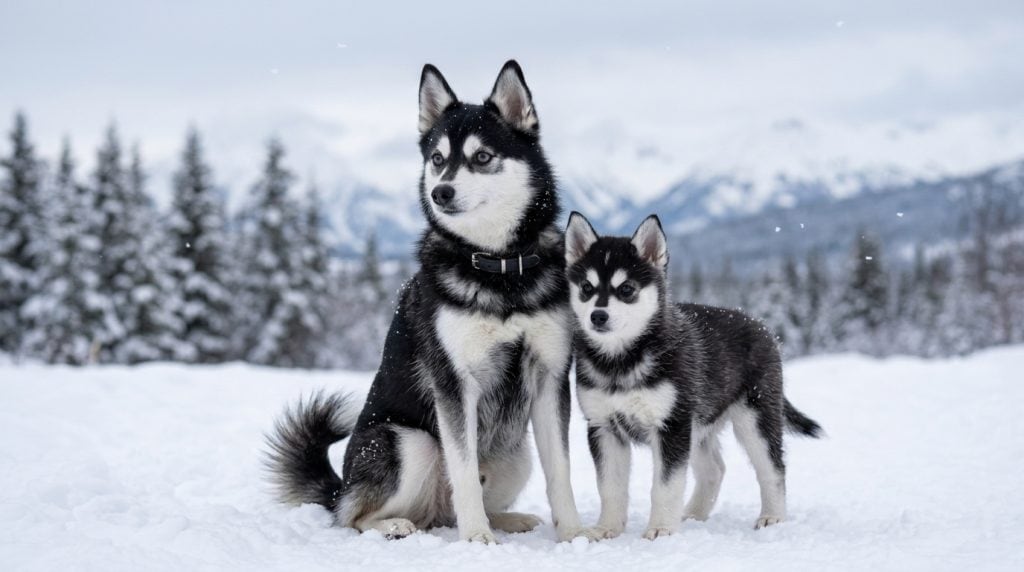
Living with an Alaskan Klee Kai can feel like having a little shadow with a big personality. These dogs often form strong bonds with their families, showing a curious and alert nature. Their compact size belies their energetic spirit, making them both lively companions and keen observers of their surroundings.
At a glance
Core care
- Size: Small
- Energy: Moderate to high
- Grooming: Low
- Shedding: Moderate
Support style
- Sensitivity: Moderate
- Training style: Willing
Breed guide
Choose a section to explore. These notes describe common patterns, but individual dogs vary widely.
The Alaskan Klee Kai was developed in the late 20th century as a companion-sized version of the Alaskan Husky. This breed was intended to capture the working spirit and appearance of the larger sled dogs, but in a more manageable size for family life. Today, this history is evident in their alertness and agility, traits that make them both engaging and spirited companions.
Physically, Alaskan Klee Kais are small and agile, with a striking resemblance to their larger sled dog relatives. Their compact size makes them well-suited for various living environments, from apartments to houses with yards. Despite their small stature, they carry themselves with a dignified and confident air, often catching the eye with their striking facial masks and expressive eyes.
In terms of temperament, Alaskan Klee Kais are known for their intelligence and curiosity. They often display a keen interest in their surroundings and can be quite vocal, using a range of sounds to communicate. Owners frequently notice their dog’s desire to be involved in family activities, whether it’s a walk in the park or a quiet evening at home. While they are generally affectionate with their families, they can be reserved with strangers, a trait that reflects their alert and watchful nature.
It’s important for potential owners to understand that while breed traits provide a general guide, individual dogs can vary greatly. Factors such as genetics, upbringing, and environment all play significant roles in shaping a dog’s personality and behaviour. Prospective owners should be prepared for the unique quirks and characteristics that their Alaskan Klee Kai may exhibit.
Alaskan Klee Kais are often described as having a social yet discerning nature. They tend to form strong bonds with their families and enjoy being part of the household’s daily rhythm. Owners frequently observe their Klee Kai’s desire to be near them, whether that means following them from room to room or watching intently from a favourite spot.
These dogs are known for their intelligence and curiosity, which can manifest in a variety of ways. They often enjoy exploring their environment and may engage in playful antics that showcase their cleverness. Their moderate sensitivity means they are generally responsive to their owner’s emotions and can be quite perceptive, picking up on subtle cues in their surroundings.
While they are affectionate with those they trust, Alaskan Klee Kais can be reserved around strangers. This cautiousness is not typically aggressive but rather a reflection of their alert and observant nature. Owners often find that early socialisation helps their dogs feel more comfortable in new situations, allowing them to interact more confidently with unfamiliar people and environments.
Trainability is another notable trait of the Alaskan Klee Kai. They are generally willing learners, eager to engage in training sessions that challenge their minds. Positive reinforcement techniques tend to work well, as these dogs respond best to encouragement and praise. As with any breed, individual personalities will vary, and understanding each dog’s unique temperament is key to fostering a strong and trusting relationship.
A typical day with an Alaskan Klee Kai involves a mix of physical activity and mental stimulation. These dogs have moderate to high energy levels, meaning they benefit from regular walks and play sessions. Owners often find that incorporating varied activities, such as agility exercises or interactive games, helps keep their Klee Kai engaged and satisfied.
While they enjoy physical exercise, mental enrichment is equally important for this intelligent breed. Puzzle toys, scent games, and training sessions can provide the mental challenges they crave. Owners might notice that their Klee Kai thrives when given opportunities to use their problem-solving skills, whether it’s figuring out a new toy or learning a new trick.
It’s important to tailor exercise routines to the dog’s age and health status. Puppies and young dogs generally require more frequent, shorter bursts of activity, while adult dogs might enjoy longer walks or more structured playtime. As they age, Alaskan Klee Kais may need adjustments to their routine to accommodate any changes in mobility or energy levels.
Owners should be mindful of not over-exercising young puppies, as their developing joints need time to grow properly. Similarly, ensuring that exercise is balanced and not excessive is crucial for maintaining their overall health and wellbeing. By observing their dog’s cues and adjusting activities accordingly, owners can help ensure their Alaskan Klee Kai remains happy and healthy throughout their life.
Training an Alaskan Klee Kai often feels like engaging with a bright and eager student. These dogs are generally willing to learn and respond well to positive reinforcement methods. Owners frequently find that using treats, praise, and play as rewards can motivate their Klee Kai to master new commands and tricks.
Impulse control can be an area where some Alaskan Klee Kais may need extra guidance. Their curious and alert nature means they can be easily distracted by new sights and sounds. Consistent training and patience are key, helping them learn to focus and respond even in stimulating environments. Building a strong foundation with basic commands can pave the way for more advanced training.
Adolescence can bring its own set of challenges, as with many breeds. During this time, Klee Kais might test boundaries or show increased independence. Maintaining a consistent training routine and reinforcing positive behaviours can help navigate this stage. Owners often find that keeping sessions short and varied helps maintain their dog’s interest and enthusiasm.
The relationship between dog and owner is crucial in training. Alaskan Klee Kais tend to thrive in environments where they feel secure and understood. By fostering a bond based on trust and mutual respect, owners can create a supportive atmosphere that encourages their dog to learn and grow. For those new to dog training, enrolling in a course like “Puppy Beginnings: Building a Calm Start” can provide valuable insights and techniques.
Alaskan Klee Kais tend to adapt well to various living environments, making them suitable for both apartment living and homes with yards. Their small size and moderate exercise needs mean they don’t require vast spaces, but they do appreciate opportunities to explore and play. Many owners find that a secure yard provides a great space for them to burn off energy.
These dogs often thrive in homes where they can be part of the family activities. They enjoy being involved, whether it’s a walk around the neighbourhood or a cosy evening on the sofa. Their social nature means they generally do well with families, although early socialisation can help them feel more at ease with children and other pets.
When it comes to living with children, Alaskan Klee Kais are typically gentle and playful. However, as with any breed, supervision is important to ensure interactions are safe and positive. Teaching children how to approach and handle dogs respectfully can foster a harmonious relationship between them and their furry friend.
For households with other pets, introducing an Alaskan Klee Kai should be done gradually. Their reserved nature around strangers can extend to new animals, so patience and careful introductions are key. With time and positive experiences, many Klee Kais can learn to coexist peacefully with other pets, adding to the dynamic of a multi-pet household.
Health and wellbeing are closely linked in the Alaskan Klee Kai, as with any breed. Regular veterinary check-ups and a balanced diet play crucial roles in maintaining their overall health. Owners often find that staying attentive to their dog’s behaviour and physical condition can help catch any potential health issues early.
Some health considerations specific to the breed include potential concerns with their eyes and joints. Regular eye examinations by a veterinarian can help monitor for any issues, while maintaining a healthy weight can support joint health. Providing a diet rich in essential nutrients can also contribute to their overall wellbeing.
Preventive care is an important aspect of keeping an Alaskan Klee Kai healthy. Routine vaccinations, parasite control, and dental care should be part of their healthcare regimen. Owners might notice that their dog’s energy levels and behaviour can be indicators of their health, with changes potentially signalling the need for a veterinary consultation.
Knowing when to seek veterinary advice is crucial. If an Alaskan Klee Kai shows signs of discomfort, lethargy, or changes in appetite, it’s wise to consult a vet. By being proactive in their dog’s healthcare, owners can help ensure their Klee Kai enjoys a long and healthy life. For those interested in learning more about canine health, the course “Canine First Aid: A Practical Guide” can be a valuable resource.
The Alaskan Klee Kai is a relatively new breed, developed in the 1970s by Linda Spurlin in Alaska. Her goal was to create a companion-sized version of the Alaskan Husky, capturing the essence of the sled dogs she admired. This breed was designed to retain the working spirit and appearance of the larger sled dogs, but in a more manageable size for family life.
The development of the Alaskan Klee Kai involved careful selection of breeds, including the Alaskan Husky, Siberian Husky, and Schipperke, among others. This combination was intended to create a dog that was not only visually striking but also intelligent and agile. The breed’s history is reflected in their alert and curious nature, traits that are still evident in modern Klee Kais.
As the breed gained recognition, it attracted enthusiasts who appreciated its unique blend of characteristics. The Alaskan Klee Kai was officially recognised by the American Rare Breed Association in the 1990s, and later by the United Kennel Club. This recognition helped solidify their status as a distinct breed, known for their striking appearance and engaging personalities.
Today, the Alaskan Klee Kai continues to capture the hearts of dog lovers around the world. Their history as a companion-sized sled dog is evident in their alertness and agility, making them both lively companions and keen observers of their surroundings. For those interested in a dog that combines the spirit of the north with a manageable size, the Alaskan Klee Kai offers a unique and rewarding experience.
What shapes individual dogs
- Early social experiences
- Training approach
- Environment & routine
- Genetics & breeding
- Health & pain
- Age / life stage
The Alaskan Klee Kai was developed in the late 20th century as a companion-sized version of the Alaskan Husky. This breed was intended to capture the working spirit and appearance of the larger sled dogs, but in a more manageable size for family life. Today, this history is evident in their alertness and agility, traits that make them both engaging and spirited companions.
Physically, Alaskan Klee Kais are small and agile, with a striking resemblance to their larger sled dog relatives. Their compact size makes them well-suited for various living environments, from apartments to houses with yards. Despite their small stature, they carry themselves with a dignified and confident air, often catching the eye with their striking facial masks and expressive eyes.
In terms of temperament, Alaskan Klee Kais are known for their intelligence and curiosity. They often display a keen interest in their surroundings and can be quite vocal, using a range of sounds to communicate. Owners frequently notice their dog’s desire to be involved in family activities, whether it’s a walk in the park or a quiet evening at home. While they are generally affectionate with their families, they can be reserved with strangers, a trait that reflects their alert and watchful nature.
It’s important for potential owners to understand that while breed traits provide a general guide, individual dogs can vary greatly. Factors such as genetics, upbringing, and environment all play significant roles in shaping a dog’s personality and behaviour. Prospective owners should be prepared for the unique quirks and characteristics that their Alaskan Klee Kai may exhibit.
Alaskan Klee Kais are often described as having a social yet discerning nature. They tend to form strong bonds with their families and enjoy being part of the household’s daily rhythm. Owners frequently observe their Klee Kai’s desire to be near them, whether that means following them from room to room or watching intently from a favourite spot.
These dogs are known for their intelligence and curiosity, which can manifest in a variety of ways. They often enjoy exploring their environment and may engage in playful antics that showcase their cleverness. Their moderate sensitivity means they are generally responsive to their owner’s emotions and can be quite perceptive, picking up on subtle cues in their surroundings.
While they are affectionate with those they trust, Alaskan Klee Kais can be reserved around strangers. This cautiousness is not typically aggressive but rather a reflection of their alert and observant nature. Owners often find that early socialisation helps their dogs feel more comfortable in new situations, allowing them to interact more confidently with unfamiliar people and environments.
Trainability is another notable trait of the Alaskan Klee Kai. They are generally willing learners, eager to engage in training sessions that challenge their minds. Positive reinforcement techniques tend to work well, as these dogs respond best to encouragement and praise. As with any breed, individual personalities will vary, and understanding each dog’s unique temperament is key to fostering a strong and trusting relationship.
A typical day with an Alaskan Klee Kai involves a mix of physical activity and mental stimulation. These dogs have moderate to high energy levels, meaning they benefit from regular walks and play sessions. Owners often find that incorporating varied activities, such as agility exercises or interactive games, helps keep their Klee Kai engaged and satisfied.
While they enjoy physical exercise, mental enrichment is equally important for this intelligent breed. Puzzle toys, scent games, and training sessions can provide the mental challenges they crave. Owners might notice that their Klee Kai thrives when given opportunities to use their problem-solving skills, whether it’s figuring out a new toy or learning a new trick.
It’s important to tailor exercise routines to the dog’s age and health status. Puppies and young dogs generally require more frequent, shorter bursts of activity, while adult dogs might enjoy longer walks or more structured playtime. As they age, Alaskan Klee Kais may need adjustments to their routine to accommodate any changes in mobility or energy levels.
Owners should be mindful of not over-exercising young puppies, as their developing joints need time to grow properly. Similarly, ensuring that exercise is balanced and not excessive is crucial for maintaining their overall health and wellbeing. By observing their dog’s cues and adjusting activities accordingly, owners can help ensure their Alaskan Klee Kai remains happy and healthy throughout their life.
Training an Alaskan Klee Kai often feels like engaging with a bright and eager student. These dogs are generally willing to learn and respond well to positive reinforcement methods. Owners frequently find that using treats, praise, and play as rewards can motivate their Klee Kai to master new commands and tricks.
Impulse control can be an area where some Alaskan Klee Kais may need extra guidance. Their curious and alert nature means they can be easily distracted by new sights and sounds. Consistent training and patience are key, helping them learn to focus and respond even in stimulating environments. Building a strong foundation with basic commands can pave the way for more advanced training.
Adolescence can bring its own set of challenges, as with many breeds. During this time, Klee Kais might test boundaries or show increased independence. Maintaining a consistent training routine and reinforcing positive behaviours can help navigate this stage. Owners often find that keeping sessions short and varied helps maintain their dog’s interest and enthusiasm.
The relationship between dog and owner is crucial in training. Alaskan Klee Kais tend to thrive in environments where they feel secure and understood. By fostering a bond based on trust and mutual respect, owners can create a supportive atmosphere that encourages their dog to learn and grow. For those new to dog training, enrolling in a course like “Puppy Beginnings: Building a Calm Start” can provide valuable insights and techniques.
Alaskan Klee Kais tend to adapt well to various living environments, making them suitable for both apartment living and homes with yards. Their small size and moderate exercise needs mean they don’t require vast spaces, but they do appreciate opportunities to explore and play. Many owners find that a secure yard provides a great space for them to burn off energy.
These dogs often thrive in homes where they can be part of the family activities. They enjoy being involved, whether it’s a walk around the neighbourhood or a cosy evening on the sofa. Their social nature means they generally do well with families, although early socialisation can help them feel more at ease with children and other pets.
When it comes to living with children, Alaskan Klee Kais are typically gentle and playful. However, as with any breed, supervision is important to ensure interactions are safe and positive. Teaching children how to approach and handle dogs respectfully can foster a harmonious relationship between them and their furry friend.
For households with other pets, introducing an Alaskan Klee Kai should be done gradually. Their reserved nature around strangers can extend to new animals, so patience and careful introductions are key. With time and positive experiences, many Klee Kais can learn to coexist peacefully with other pets, adding to the dynamic of a multi-pet household.
Health and wellbeing are closely linked in the Alaskan Klee Kai, as with any breed. Regular veterinary check-ups and a balanced diet play crucial roles in maintaining their overall health. Owners often find that staying attentive to their dog’s behaviour and physical condition can help catch any potential health issues early.
Some health considerations specific to the breed include potential concerns with their eyes and joints. Regular eye examinations by a veterinarian can help monitor for any issues, while maintaining a healthy weight can support joint health. Providing a diet rich in essential nutrients can also contribute to their overall wellbeing.
Preventive care is an important aspect of keeping an Alaskan Klee Kai healthy. Routine vaccinations, parasite control, and dental care should be part of their healthcare regimen. Owners might notice that their dog’s energy levels and behaviour can be indicators of their health, with changes potentially signalling the need for a veterinary consultation.
Knowing when to seek veterinary advice is crucial. If an Alaskan Klee Kai shows signs of discomfort, lethargy, or changes in appetite, it’s wise to consult a vet. By being proactive in their dog’s healthcare, owners can help ensure their Klee Kai enjoys a long and healthy life. For those interested in learning more about canine health, the course “Canine First Aid: A Practical Guide” can be a valuable resource.
The Alaskan Klee Kai is a relatively new breed, developed in the 1970s by Linda Spurlin in Alaska. Her goal was to create a companion-sized version of the Alaskan Husky, capturing the essence of the sled dogs she admired. This breed was designed to retain the working spirit and appearance of the larger sled dogs, but in a more manageable size for family life.
The development of the Alaskan Klee Kai involved careful selection of breeds, including the Alaskan Husky, Siberian Husky, and Schipperke, among others. This combination was intended to create a dog that was not only visually striking but also intelligent and agile. The breed’s history is reflected in their alert and curious nature, traits that are still evident in modern Klee Kais.
As the breed gained recognition, it attracted enthusiasts who appreciated its unique blend of characteristics. The Alaskan Klee Kai was officially recognised by the American Rare Breed Association in the 1990s, and later by the United Kennel Club. This recognition helped solidify their status as a distinct breed, known for their striking appearance and engaging personalities.
Today, the Alaskan Klee Kai continues to capture the hearts of dog lovers around the world. Their history as a companion-sized sled dog is evident in their alertness and agility, making them both lively companions and keen observers of their surroundings. For those interested in a dog that combines the spirit of the north with a manageable size, the Alaskan Klee Kai offers a unique and rewarding experience.
What shapes individual dogs
- Early social experiences
- Training approach
- Environment & routine
- Genetics & breeding
- Health & pain
- Age / life stage
Want support with this?
This course is ideal for new Alaskan Klee Kai owners looking to establish a calm and positive foundation for their puppy.