
Lapponian Herder
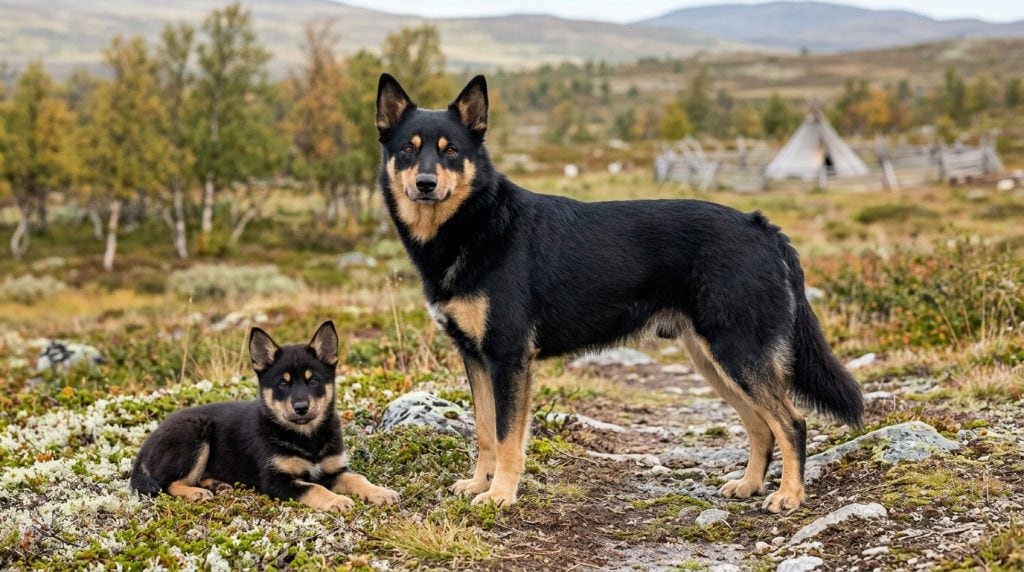
Living with a Lapponian Herder means embracing a dog that is both energetic and attentive. These dogs often form strong bonds with their families, showing a keen interest in joining daily activities. Their alert nature and willingness to engage make them a lively yet manageable presence in the home.
At a glance
Core care
- Size: Medium
- Energy: High
- Grooming: Low
- Shedding: Moderate
Support style
- Sensitivity: Moderate
- Training style: Willing
Breed guide
Choose a section to explore. These notes describe common patterns, but individual dogs vary widely.
The Lapponian Herder has its roots deeply embedded in the herding traditions of the Sámi people in Northern Scandinavia. Originally bred to manage reindeer, these dogs were valued for their endurance, intelligence, and ability to work in harsh climates. Today, these traits translate into a dog that thrives on having a purpose and enjoys being part of a family that can provide both mental and physical challenges. Their working heritage is evident in their alertness and readiness to engage with their surroundings.
Physically, the Lapponian Herder is a medium-sized dog, typically robust and agile. This physicality means they are well-suited to active lifestyles, often enjoying long walks, hikes, and outdoor play. Owners often notice their dog’s eagerness to explore and their ability to keep up with various activities. Their coat, while not overly long, is dense enough to provide protection against the elements, which is a nod to their origins in cold climates.
In terms of temperament, Lapponian Herders are known for their intelligence and cooperative nature. Many owners find them to be quick learners, eager to please, and responsive to training. However, their moderate sensitivity means they can be somewhat attuned to the moods and emotions of their human companions. This sensitivity, combined with their intelligence, often results in a dog that is both intuitive and responsive, making them a joy to train and live with.
While the Lapponian Herder tends to exhibit certain consistent traits, it’s important for potential owners to remember that each dog is an individual. Variations in personality, energy levels, and behaviour can occur, influenced by factors such as genetics, upbringing, and daily environment. Understanding this can help set realistic expectations and foster a positive relationship with these lively companions.
The Lapponian Herder is often described as a socially engaging breed, thriving on interaction with both humans and other animals. Their herding background contributes to a natural inclination to be observant and involved in their surroundings. Many owners notice that their Lapponian Herder is happiest when included in family activities, whether it’s a simple walk or a more structured task.
Their social nature is complemented by their intelligence and willingness to learn. This breed tends to respond well to training, often picking up commands quickly and showing a genuine eagerness to please. This trainability, combined with their moderate sensitivity, means they are usually attuned to their owner’s cues and emotions, making them responsive companions.
Owners often find that their Lapponian Herder is quite adaptable, able to adjust to different environments and situations with relative ease. However, their moderate sensitivity means they can sometimes be affected by changes in their environment or routine. This sensitivity is not typically overwhelming but does require a gentle and understanding approach to ensure they feel secure and confident.
While the breed generally exhibits these tendencies, it’s important to remember that individual dogs may vary. Factors such as early socialisation, training, and the individual dog’s personality all play a role in shaping behaviour. By understanding these nuances, owners can better appreciate the unique qualities their Lapponian Herder brings to their home.
A typical day for a Lapponian Herder involves a good mix of physical activity and mental stimulation. These dogs are high-energy and thrive on regular exercise, making them well-suited to active families who enjoy outdoor activities. Owners often find that their dogs relish long walks, runs, or hikes, and they can be excellent companions for those who enjoy exploring nature.
In addition to physical exercise, Lapponian Herders benefit from mental enrichment. Engaging them in activities that challenge their minds, such as puzzle toys or obedience training sessions, can help keep them mentally satisfied. Many owners find that incorporating games like fetch or agility courses can also provide a good balance of mental and physical stimulation.
As with many breeds, the exercise needs of a Lapponian Herder can change as they age. Puppies and young adults typically require more frequent and varied activities to burn off their abundant energy, while older dogs may appreciate a more relaxed pace. It’s important to tailor exercise routines to the individual dog’s age, health, and energy levels to ensure they remain happy and healthy.
While they enjoy being active, it’s crucial to avoid over-exercising, especially in extreme weather conditions. Their dense coats provide some protection against the cold, but care should be taken in hot weather to prevent overheating. Understanding their needs and adjusting activities accordingly can help ensure that a Lapponian Herder remains a content and well-adjusted member of the family.
Training a Lapponian Herder often feels like working with a willing and intelligent partner. These dogs tend to be eager to learn and respond well to positive reinforcement techniques. Owners frequently find that using treats, praise, and play as rewards can be particularly effective in maintaining their dog’s interest and motivation during training sessions.
Impulse control can sometimes be a challenge, particularly in younger dogs. Their natural curiosity and energy levels mean they may be easily distracted by their surroundings. Consistent training and patience are key to helping them develop the self-control needed to focus on tasks. Many owners find that short, frequent training sessions work best to keep their dog’s attention and prevent frustration.
Adolescence can bring its own set of challenges, as with many breeds. Lapponian Herders may test boundaries during this stage, requiring a firm yet gentle approach to maintain consistent training. Building a strong relationship based on trust and understanding is crucial during this time, helping to guide them through this developmental phase.
Overall, the Lapponian Herder’s trainability and willingness to engage make them a rewarding breed to work with. By fostering a positive training environment and maintaining consistency, owners can help their dogs develop into well-behaved and confident companions. For those new to dog training, seeking guidance from resources like “Puppy Beginnings: Building a Calm Start” can be beneficial.
The Lapponian Herder often fits well into homes that can accommodate their active lifestyle and social nature. They tend to thrive in environments where they have plenty of space to move and explore, making them well-suited to homes with secure gardens or access to outdoor spaces. Many owners find that their dogs enjoy being part of family activities, whether indoors or out.
Living with children and other pets can be a positive experience for this breed, provided they are properly socialised from a young age. Their herding instincts may sometimes lead them to try and ’round up’ family members or other animals, so supervision and training are important to ensure harmonious interactions. With the right guidance, they can be gentle and patient companions for children.
While they are adaptable, Lapponian Herders may not be the best fit for very small living spaces or for owners who are frequently away from home. They thrive on interaction and can become bored or anxious if left alone for long periods. Owners who can provide regular companionship and mental stimulation will likely find their dog to be a well-adjusted and happy member of the household.
Ultimately, the Lapponian Herder’s suitability to a home depends on the lifestyle and commitment of the owner. By understanding their needs and providing a supportive environment, these dogs can thrive and bring joy to their families.
Health is a crucial aspect of a Lapponian Herder’s overall wellbeing, influencing their behaviour and quality of life. Regular veterinary check-ups and a balanced diet are foundational to maintaining their health. Many owners find that a proactive approach to health care helps in identifying potential issues early, ensuring their dog remains active and happy.
Common health considerations for this breed include hip dysplasia and eye conditions, which are not uncommon in medium-sized herding breeds. Regular screening and monitoring can help manage these conditions effectively. Owners often notice that maintaining a healthy weight and providing appropriate exercise can contribute positively to their dog’s joint health.
Preventive care, such as vaccinations, flea and tick prevention, and dental hygiene, plays a significant role in keeping a Lapponian Herder healthy. Regular brushing and dental chews can help maintain oral health, while routine grooming allows for early detection of skin issues or parasites.
Understanding the signs of potential health issues and knowing when to seek veterinary advice is important. Changes in behaviour, appetite, or energy levels can sometimes indicate underlying health problems. By staying informed and attentive, owners can ensure their Lapponian Herder enjoys a long, healthy life.
The Lapponian Herder traces its origins back to the Sámi people of Northern Scandinavia, where they were bred primarily for herding reindeer. This role required a dog that was not only intelligent and agile but also capable of enduring harsh weather conditions. Their ability to work independently and cooperatively with humans made them invaluable to the Sámi, who relied on them for managing their herds.
The breed developed over time to meet the specific needs of herding in the challenging Arctic environment. They needed to be resilient, with a strong work ethic and the ability to make quick decisions. These traits are still evident in the breed today, contributing to their reputation as intelligent and reliable working dogs.
In modern times, the Lapponian Herder has transitioned from its traditional herding role to become a versatile companion dog. While they may not be herding reindeer in most households, their natural instincts and abilities make them well-suited to a variety of activities, from agility to obedience trials. Their history as a working breed is reflected in their need for mental and physical stimulation, which owners often find rewarding to provide.
Understanding the breed’s origins helps explain many of the traits seen in Lapponian Herders today. Their alertness, energy, and willingness to engage are all rooted in their historical role as herding dogs. For owners, appreciating this history can enhance their relationship with their dog, providing insight into their behaviour and needs.
What shapes individual dogs
- Early social experiences
- Training approach
- Environment & routine
- Genetics & breeding
- Health & pain
- Age / life stage
The Lapponian Herder has its roots deeply embedded in the herding traditions of the Sámi people in Northern Scandinavia. Originally bred to manage reindeer, these dogs were valued for their endurance, intelligence, and ability to work in harsh climates. Today, these traits translate into a dog that thrives on having a purpose and enjoys being part of a family that can provide both mental and physical challenges. Their working heritage is evident in their alertness and readiness to engage with their surroundings.
Physically, the Lapponian Herder is a medium-sized dog, typically robust and agile. This physicality means they are well-suited to active lifestyles, often enjoying long walks, hikes, and outdoor play. Owners often notice their dog’s eagerness to explore and their ability to keep up with various activities. Their coat, while not overly long, is dense enough to provide protection against the elements, which is a nod to their origins in cold climates.
In terms of temperament, Lapponian Herders are known for their intelligence and cooperative nature. Many owners find them to be quick learners, eager to please, and responsive to training. However, their moderate sensitivity means they can be somewhat attuned to the moods and emotions of their human companions. This sensitivity, combined with their intelligence, often results in a dog that is both intuitive and responsive, making them a joy to train and live with.
While the Lapponian Herder tends to exhibit certain consistent traits, it’s important for potential owners to remember that each dog is an individual. Variations in personality, energy levels, and behaviour can occur, influenced by factors such as genetics, upbringing, and daily environment. Understanding this can help set realistic expectations and foster a positive relationship with these lively companions.
The Lapponian Herder is often described as a socially engaging breed, thriving on interaction with both humans and other animals. Their herding background contributes to a natural inclination to be observant and involved in their surroundings. Many owners notice that their Lapponian Herder is happiest when included in family activities, whether it’s a simple walk or a more structured task.
Their social nature is complemented by their intelligence and willingness to learn. This breed tends to respond well to training, often picking up commands quickly and showing a genuine eagerness to please. This trainability, combined with their moderate sensitivity, means they are usually attuned to their owner’s cues and emotions, making them responsive companions.
Owners often find that their Lapponian Herder is quite adaptable, able to adjust to different environments and situations with relative ease. However, their moderate sensitivity means they can sometimes be affected by changes in their environment or routine. This sensitivity is not typically overwhelming but does require a gentle and understanding approach to ensure they feel secure and confident.
While the breed generally exhibits these tendencies, it’s important to remember that individual dogs may vary. Factors such as early socialisation, training, and the individual dog’s personality all play a role in shaping behaviour. By understanding these nuances, owners can better appreciate the unique qualities their Lapponian Herder brings to their home.
A typical day for a Lapponian Herder involves a good mix of physical activity and mental stimulation. These dogs are high-energy and thrive on regular exercise, making them well-suited to active families who enjoy outdoor activities. Owners often find that their dogs relish long walks, runs, or hikes, and they can be excellent companions for those who enjoy exploring nature.
In addition to physical exercise, Lapponian Herders benefit from mental enrichment. Engaging them in activities that challenge their minds, such as puzzle toys or obedience training sessions, can help keep them mentally satisfied. Many owners find that incorporating games like fetch or agility courses can also provide a good balance of mental and physical stimulation.
As with many breeds, the exercise needs of a Lapponian Herder can change as they age. Puppies and young adults typically require more frequent and varied activities to burn off their abundant energy, while older dogs may appreciate a more relaxed pace. It’s important to tailor exercise routines to the individual dog’s age, health, and energy levels to ensure they remain happy and healthy.
While they enjoy being active, it’s crucial to avoid over-exercising, especially in extreme weather conditions. Their dense coats provide some protection against the cold, but care should be taken in hot weather to prevent overheating. Understanding their needs and adjusting activities accordingly can help ensure that a Lapponian Herder remains a content and well-adjusted member of the family.
Training a Lapponian Herder often feels like working with a willing and intelligent partner. These dogs tend to be eager to learn and respond well to positive reinforcement techniques. Owners frequently find that using treats, praise, and play as rewards can be particularly effective in maintaining their dog’s interest and motivation during training sessions.
Impulse control can sometimes be a challenge, particularly in younger dogs. Their natural curiosity and energy levels mean they may be easily distracted by their surroundings. Consistent training and patience are key to helping them develop the self-control needed to focus on tasks. Many owners find that short, frequent training sessions work best to keep their dog’s attention and prevent frustration.
Adolescence can bring its own set of challenges, as with many breeds. Lapponian Herders may test boundaries during this stage, requiring a firm yet gentle approach to maintain consistent training. Building a strong relationship based on trust and understanding is crucial during this time, helping to guide them through this developmental phase.
Overall, the Lapponian Herder’s trainability and willingness to engage make them a rewarding breed to work with. By fostering a positive training environment and maintaining consistency, owners can help their dogs develop into well-behaved and confident companions. For those new to dog training, seeking guidance from resources like “Puppy Beginnings: Building a Calm Start” can be beneficial.
The Lapponian Herder often fits well into homes that can accommodate their active lifestyle and social nature. They tend to thrive in environments where they have plenty of space to move and explore, making them well-suited to homes with secure gardens or access to outdoor spaces. Many owners find that their dogs enjoy being part of family activities, whether indoors or out.
Living with children and other pets can be a positive experience for this breed, provided they are properly socialised from a young age. Their herding instincts may sometimes lead them to try and ’round up’ family members or other animals, so supervision and training are important to ensure harmonious interactions. With the right guidance, they can be gentle and patient companions for children.
While they are adaptable, Lapponian Herders may not be the best fit for very small living spaces or for owners who are frequently away from home. They thrive on interaction and can become bored or anxious if left alone for long periods. Owners who can provide regular companionship and mental stimulation will likely find their dog to be a well-adjusted and happy member of the household.
Ultimately, the Lapponian Herder’s suitability to a home depends on the lifestyle and commitment of the owner. By understanding their needs and providing a supportive environment, these dogs can thrive and bring joy to their families.
Health is a crucial aspect of a Lapponian Herder’s overall wellbeing, influencing their behaviour and quality of life. Regular veterinary check-ups and a balanced diet are foundational to maintaining their health. Many owners find that a proactive approach to health care helps in identifying potential issues early, ensuring their dog remains active and happy.
Common health considerations for this breed include hip dysplasia and eye conditions, which are not uncommon in medium-sized herding breeds. Regular screening and monitoring can help manage these conditions effectively. Owners often notice that maintaining a healthy weight and providing appropriate exercise can contribute positively to their dog’s joint health.
Preventive care, such as vaccinations, flea and tick prevention, and dental hygiene, plays a significant role in keeping a Lapponian Herder healthy. Regular brushing and dental chews can help maintain oral health, while routine grooming allows for early detection of skin issues or parasites.
Understanding the signs of potential health issues and knowing when to seek veterinary advice is important. Changes in behaviour, appetite, or energy levels can sometimes indicate underlying health problems. By staying informed and attentive, owners can ensure their Lapponian Herder enjoys a long, healthy life.
The Lapponian Herder traces its origins back to the Sámi people of Northern Scandinavia, where they were bred primarily for herding reindeer. This role required a dog that was not only intelligent and agile but also capable of enduring harsh weather conditions. Their ability to work independently and cooperatively with humans made them invaluable to the Sámi, who relied on them for managing their herds.
The breed developed over time to meet the specific needs of herding in the challenging Arctic environment. They needed to be resilient, with a strong work ethic and the ability to make quick decisions. These traits are still evident in the breed today, contributing to their reputation as intelligent and reliable working dogs.
In modern times, the Lapponian Herder has transitioned from its traditional herding role to become a versatile companion dog. While they may not be herding reindeer in most households, their natural instincts and abilities make them well-suited to a variety of activities, from agility to obedience trials. Their history as a working breed is reflected in their need for mental and physical stimulation, which owners often find rewarding to provide.
Understanding the breed’s origins helps explain many of the traits seen in Lapponian Herders today. Their alertness, energy, and willingness to engage are all rooted in their historical role as herding dogs. For owners, appreciating this history can enhance their relationship with their dog, providing insight into their behaviour and needs.
What shapes individual dogs
- Early social experiences
- Training approach
- Environment & routine
- Genetics & breeding
- Health & pain
- Age / life stage
Want support with this?
This course is relevant for owners of Lapponian Herders to help navigate the challenges of adolescence and build a strong foundation for training.