
Lancashire Heeler
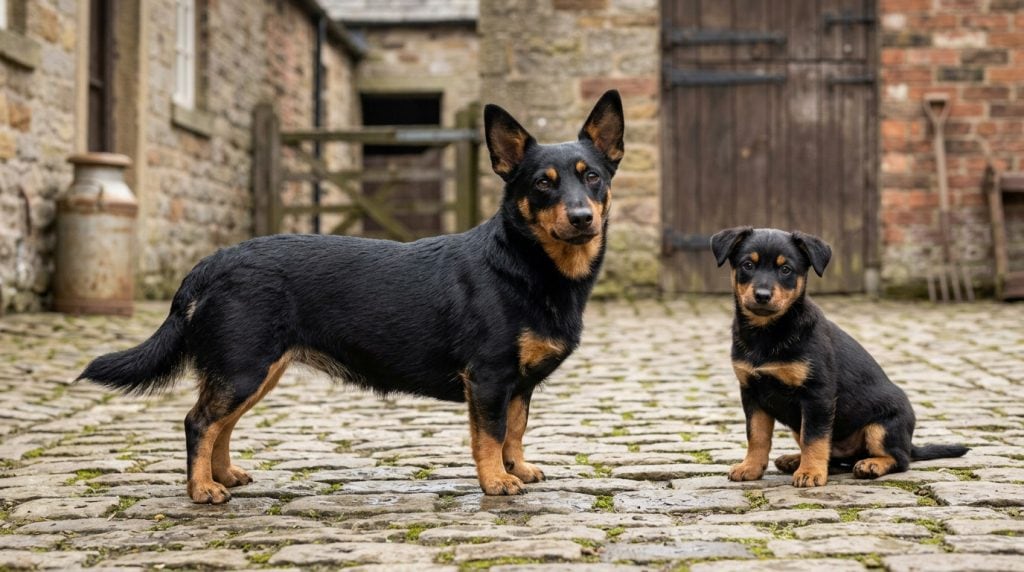
Living with a Lancashire Heeler often means sharing your home with a dog that is both spirited and affectionate. Their small size belies a big personality, and they frequently display a keen intelligence and a zest for life that keeps owners on their toes. Many find that these dogs form strong bonds with their families, enjoying both playtime and quiet companionship.
At a glance
Core care
- Size: Small
- Energy: Moderate to high
- Grooming: Low
- Shedding: Moderate
Support style
- Sensitivity: Moderate
- Training style: Willing
Breed guide
Choose a section to explore. These notes describe common patterns, but individual dogs vary widely.
The Lancashire Heeler has its roots deeply embedded in the pastoral landscapes of England, where it was originally bred to herd cattle and control vermin. This working heritage is still evident today in their alert and lively nature. Many owners notice that their Lancashire Heeler retains a strong instinct to chase and herd, which can be both endearing and occasionally challenging in a modern home setting. This breed’s history of working closely with humans has fostered a strong sense of loyalty and attentiveness, making them a delightful companion.
Physically, the Lancashire Heeler is compact and sturdy, with a body that is well-suited to its original herding tasks. Their small size makes them adaptable to various living environments, from apartments to larger homes with gardens. Despite their small stature, they possess a surprising amount of energy and agility, often seen in their playful antics and quick movements. Owners frequently appreciate their manageable size, which makes them easy to handle and transport.
Temperamentally, Lancashire Heelers are known for their cheerful and affectionate disposition. They typically enjoy being part of the family and often seek out interaction and attention. While they are generally good-natured, their herding instincts can sometimes lead to nipping or chasing behaviours, particularly in younger dogs. Socialisation and training can help manage these tendencies, allowing their friendly and loving nature to shine through.
As with any breed, individual Lancashire Heelers can vary in their behaviour and needs. While many are energetic and playful, others may be more reserved or independent. Prospective owners should be prepared to meet the needs of their specific dog, recognising that each Lancashire Heeler is a unique individual shaped by genetics, upbringing, and environment.
Lancashire Heelers are often described as having a vibrant and engaging personality, which makes them a joy to be around. Their social nature means they typically enjoy being involved in family activities and are often eager to participate in whatever is happening around them. This breed tends to form strong bonds with their human companions, showing a level of devotion that many owners find heartwarming.
Their herding background contributes to their alertness and responsiveness, traits that are often evident in their interactions. Lancashire Heelers are usually quick to notice changes in their environment and may bark to alert their owners of new developments. This can make them effective watchdogs, though it also means they may need guidance to manage their vocal tendencies appropriately.
Sensitivity in Lancashire Heelers is moderate, which means they can be attuned to the emotions and moods of their human companions. This sensitivity can be a double-edged sword; while it allows them to be empathetic and responsive, it also means they may become anxious or stressed in chaotic or overly loud environments. Owners often find that a calm, consistent approach helps these dogs feel secure and confident.
Trainability is generally high in this breed, thanks to their intelligence and willingness to please. Many owners find that positive reinforcement techniques work well, as Lancashire Heelers respond best to encouragement and rewards. While they are eager learners, it’s important to remember that each dog is an individual, and some may require more patience and consistency than others to reach their full potential.
A typical day for a Lancashire Heeler involves a mix of physical activity and mental stimulation to keep them happy and healthy. These small yet energetic dogs benefit from regular walks, play sessions, and opportunities to explore their surroundings. Many owners find that a couple of brisk walks a day, combined with some playtime in a secure area, usually satisfies their exercise needs.
While they enjoy physical activity, Lancashire Heelers also thrive on mental challenges. Puzzle toys, interactive games, and basic obedience training can provide the mental enrichment they need. These activities tap into their natural intelligence and curiosity, helping to prevent boredom and the development of unwanted behaviours.
As they age, the exercise needs of a Lancashire Heeler may change. Young dogs often have boundless energy and require more frequent activity, while older dogs might appreciate a more relaxed pace. Owners should be attentive to their dog’s energy levels and adjust their routines accordingly, ensuring they remain active and engaged throughout their lives.
It’s important to avoid over-exercising young Lancashire Heelers, as their developing joints can be sensitive. Gradually increasing exercise intensity and duration as they mature is a good strategy. Owners should also be mindful of hot weather, as these dogs can be prone to overheating. Providing plenty of water and shade during outdoor activities is essential to their wellbeing.
Training a Lancashire Heeler often feels like a rewarding partnership, as these dogs tend to be eager learners with a strong desire to please. Their intelligence and responsiveness mean that they usually pick up new commands quickly, especially when training is approached with patience and positivity. Owners often find that using treats, praise, and play as rewards helps to motivate and reinforce desired behaviours.
Impulse control can be a challenge, particularly in younger dogs who are full of energy and curiosity. Teaching basic commands like ‘sit’, ‘stay’, and ‘leave it’ can help manage their natural instincts to chase and explore. Consistent training from an early age helps to establish boundaries and encourages good manners, making daily life more enjoyable for both dog and owner.
Adolescence can be a challenging time for Lancashire Heelers, as their energy levels and independence may peak. During this phase, maintaining a routine and continuing with training is crucial. Owners often find that attending training classes or working with a professional can provide additional support and guidance, helping to navigate this sometimes tricky period.
Building a strong relationship based on trust and understanding is key to successful training with this breed. Consistency and clear communication help Lancashire Heelers understand what is expected of them, while a warm, encouraging approach fosters a positive training environment. Remembering that each dog is an individual, with their own pace of learning, is important for setting realistic expectations and achieving training success.
The Lancashire Heeler’s adaptable nature means they can fit into a variety of home environments, from city apartments to rural settings. Their small size and moderate energy levels make them suitable for both urban and suburban living, provided they receive adequate exercise and mental stimulation. Many owners find that these dogs thrive in homes where they can be part of the daily routine and enjoy regular interaction with their human companions.
This breed tends to do well in families, often forming strong bonds with children and adults alike. Their playful nature and affectionate disposition make them a popular choice for households looking for a lively yet manageable companion. However, due to their herding instincts, supervision is recommended when they are interacting with young children, to prevent any nipping or chasing behaviours.
Lancashire Heelers can also coexist peacefully with other pets, particularly if they are introduced at a young age. Early socialisation is key to ensuring they learn to interact appropriately with other animals. Owners often find that these dogs enjoy the company of other dogs, though their herding instincts may lead to playful chasing.
Ultimately, the best home for a Lancashire Heeler is one where they are considered a valued member of the family. They thrive in environments where they can participate in activities and enjoy both physical and mental engagement. Prospective owners should be prepared to invest time and energy into meeting their needs, ensuring a happy and harmonious life together.
The overall health and wellbeing of a Lancashire Heeler are closely connected to their daily care and lifestyle. Regular veterinary check-ups, a balanced diet, and appropriate exercise all contribute to maintaining their health. Owners often find that being proactive about their dog’s health helps to prevent potential issues and ensures a long, happy life.
Some health considerations specific to the breed include eye conditions such as primary lens luxation and persistent pupillary membranes. Regular eye examinations by a veterinarian can help detect and manage these conditions early. Additionally, patellar luxation, a knee joint issue, can occur, so monitoring their movement and consulting a vet if any lameness is observed is important.
Preventive care plays a crucial role in a Lancashire Heeler’s health. Maintaining a healthy weight through diet and exercise helps to prevent joint issues and other health problems. Owners should also ensure their dog is up-to-date with vaccinations and parasite control to protect against common diseases and pests.
It’s important for owners to be observant and responsive to any changes in their dog’s behaviour or physical condition. Early intervention can often make a significant difference in the outcome of health issues. A warm, supportive relationship with a trusted veterinarian is invaluable in navigating the health needs of a Lancashire Heeler, providing peace of mind and expert guidance.
The Lancashire Heeler’s history is a fascinating journey from the pastoral fields of England to the hearths of modern homes. Originally bred in the county of Lancashire, these small yet robust dogs were developed to herd cattle and control vermin. Their versatility and intelligence made them invaluable to farmers, who relied on their keen instincts and agility to manage livestock efficiently.
The breed’s development was influenced by the need for a dog that could work tirelessly in a variety of conditions. The Lancashire Heeler’s small size allowed them to nip at the heels of cattle without being kicked, while their tenacity and intelligence made them adept at controlling vermin populations. This dual-purpose role helped shape their character, resulting in a dog that is both alert and adaptable.
Over time, the Lancashire Heeler’s role shifted from purely working dog to companion animal. Their cheerful disposition and manageable size made them popular with families, who appreciated their lively nature and affectionate temperament. Despite their transition to a more domestic role, many of the breed’s original traits remain evident, such as their herding instincts and strong work ethic.
Today, the Lancashire Heeler is cherished for its unique blend of historical working traits and modern companionship qualities. Their story is a testament to the enduring bond between humans and dogs, showcasing how a breed can evolve while retaining the essence of its origins. For owners, understanding this history provides valuable insight into the behaviours and characteristics that make the Lancashire Heeler such a distinctive and beloved breed.
What shapes individual dogs
- Early social experiences
- Training approach
- Environment & routine
- Genetics & breeding
- Health & pain
- Age / life stage
The Lancashire Heeler has its roots deeply embedded in the pastoral landscapes of England, where it was originally bred to herd cattle and control vermin. This working heritage is still evident today in their alert and lively nature. Many owners notice that their Lancashire Heeler retains a strong instinct to chase and herd, which can be both endearing and occasionally challenging in a modern home setting. This breed’s history of working closely with humans has fostered a strong sense of loyalty and attentiveness, making them a delightful companion.
Physically, the Lancashire Heeler is compact and sturdy, with a body that is well-suited to its original herding tasks. Their small size makes them adaptable to various living environments, from apartments to larger homes with gardens. Despite their small stature, they possess a surprising amount of energy and agility, often seen in their playful antics and quick movements. Owners frequently appreciate their manageable size, which makes them easy to handle and transport.
Temperamentally, Lancashire Heelers are known for their cheerful and affectionate disposition. They typically enjoy being part of the family and often seek out interaction and attention. While they are generally good-natured, their herding instincts can sometimes lead to nipping or chasing behaviours, particularly in younger dogs. Socialisation and training can help manage these tendencies, allowing their friendly and loving nature to shine through.
As with any breed, individual Lancashire Heelers can vary in their behaviour and needs. While many are energetic and playful, others may be more reserved or independent. Prospective owners should be prepared to meet the needs of their specific dog, recognising that each Lancashire Heeler is a unique individual shaped by genetics, upbringing, and environment.
Lancashire Heelers are often described as having a vibrant and engaging personality, which makes them a joy to be around. Their social nature means they typically enjoy being involved in family activities and are often eager to participate in whatever is happening around them. This breed tends to form strong bonds with their human companions, showing a level of devotion that many owners find heartwarming.
Their herding background contributes to their alertness and responsiveness, traits that are often evident in their interactions. Lancashire Heelers are usually quick to notice changes in their environment and may bark to alert their owners of new developments. This can make them effective watchdogs, though it also means they may need guidance to manage their vocal tendencies appropriately.
Sensitivity in Lancashire Heelers is moderate, which means they can be attuned to the emotions and moods of their human companions. This sensitivity can be a double-edged sword; while it allows them to be empathetic and responsive, it also means they may become anxious or stressed in chaotic or overly loud environments. Owners often find that a calm, consistent approach helps these dogs feel secure and confident.
Trainability is generally high in this breed, thanks to their intelligence and willingness to please. Many owners find that positive reinforcement techniques work well, as Lancashire Heelers respond best to encouragement and rewards. While they are eager learners, it’s important to remember that each dog is an individual, and some may require more patience and consistency than others to reach their full potential.
A typical day for a Lancashire Heeler involves a mix of physical activity and mental stimulation to keep them happy and healthy. These small yet energetic dogs benefit from regular walks, play sessions, and opportunities to explore their surroundings. Many owners find that a couple of brisk walks a day, combined with some playtime in a secure area, usually satisfies their exercise needs.
While they enjoy physical activity, Lancashire Heelers also thrive on mental challenges. Puzzle toys, interactive games, and basic obedience training can provide the mental enrichment they need. These activities tap into their natural intelligence and curiosity, helping to prevent boredom and the development of unwanted behaviours.
As they age, the exercise needs of a Lancashire Heeler may change. Young dogs often have boundless energy and require more frequent activity, while older dogs might appreciate a more relaxed pace. Owners should be attentive to their dog’s energy levels and adjust their routines accordingly, ensuring they remain active and engaged throughout their lives.
It’s important to avoid over-exercising young Lancashire Heelers, as their developing joints can be sensitive. Gradually increasing exercise intensity and duration as they mature is a good strategy. Owners should also be mindful of hot weather, as these dogs can be prone to overheating. Providing plenty of water and shade during outdoor activities is essential to their wellbeing.
Training a Lancashire Heeler often feels like a rewarding partnership, as these dogs tend to be eager learners with a strong desire to please. Their intelligence and responsiveness mean that they usually pick up new commands quickly, especially when training is approached with patience and positivity. Owners often find that using treats, praise, and play as rewards helps to motivate and reinforce desired behaviours.
Impulse control can be a challenge, particularly in younger dogs who are full of energy and curiosity. Teaching basic commands like ‘sit’, ‘stay’, and ‘leave it’ can help manage their natural instincts to chase and explore. Consistent training from an early age helps to establish boundaries and encourages good manners, making daily life more enjoyable for both dog and owner.
Adolescence can be a challenging time for Lancashire Heelers, as their energy levels and independence may peak. During this phase, maintaining a routine and continuing with training is crucial. Owners often find that attending training classes or working with a professional can provide additional support and guidance, helping to navigate this sometimes tricky period.
Building a strong relationship based on trust and understanding is key to successful training with this breed. Consistency and clear communication help Lancashire Heelers understand what is expected of them, while a warm, encouraging approach fosters a positive training environment. Remembering that each dog is an individual, with their own pace of learning, is important for setting realistic expectations and achieving training success.
The Lancashire Heeler’s adaptable nature means they can fit into a variety of home environments, from city apartments to rural settings. Their small size and moderate energy levels make them suitable for both urban and suburban living, provided they receive adequate exercise and mental stimulation. Many owners find that these dogs thrive in homes where they can be part of the daily routine and enjoy regular interaction with their human companions.
This breed tends to do well in families, often forming strong bonds with children and adults alike. Their playful nature and affectionate disposition make them a popular choice for households looking for a lively yet manageable companion. However, due to their herding instincts, supervision is recommended when they are interacting with young children, to prevent any nipping or chasing behaviours.
Lancashire Heelers can also coexist peacefully with other pets, particularly if they are introduced at a young age. Early socialisation is key to ensuring they learn to interact appropriately with other animals. Owners often find that these dogs enjoy the company of other dogs, though their herding instincts may lead to playful chasing.
Ultimately, the best home for a Lancashire Heeler is one where they are considered a valued member of the family. They thrive in environments where they can participate in activities and enjoy both physical and mental engagement. Prospective owners should be prepared to invest time and energy into meeting their needs, ensuring a happy and harmonious life together.
The overall health and wellbeing of a Lancashire Heeler are closely connected to their daily care and lifestyle. Regular veterinary check-ups, a balanced diet, and appropriate exercise all contribute to maintaining their health. Owners often find that being proactive about their dog’s health helps to prevent potential issues and ensures a long, happy life.
Some health considerations specific to the breed include eye conditions such as primary lens luxation and persistent pupillary membranes. Regular eye examinations by a veterinarian can help detect and manage these conditions early. Additionally, patellar luxation, a knee joint issue, can occur, so monitoring their movement and consulting a vet if any lameness is observed is important.
Preventive care plays a crucial role in a Lancashire Heeler’s health. Maintaining a healthy weight through diet and exercise helps to prevent joint issues and other health problems. Owners should also ensure their dog is up-to-date with vaccinations and parasite control to protect against common diseases and pests.
It’s important for owners to be observant and responsive to any changes in their dog’s behaviour or physical condition. Early intervention can often make a significant difference in the outcome of health issues. A warm, supportive relationship with a trusted veterinarian is invaluable in navigating the health needs of a Lancashire Heeler, providing peace of mind and expert guidance.
The Lancashire Heeler’s history is a fascinating journey from the pastoral fields of England to the hearths of modern homes. Originally bred in the county of Lancashire, these small yet robust dogs were developed to herd cattle and control vermin. Their versatility and intelligence made them invaluable to farmers, who relied on their keen instincts and agility to manage livestock efficiently.
The breed’s development was influenced by the need for a dog that could work tirelessly in a variety of conditions. The Lancashire Heeler’s small size allowed them to nip at the heels of cattle without being kicked, while their tenacity and intelligence made them adept at controlling vermin populations. This dual-purpose role helped shape their character, resulting in a dog that is both alert and adaptable.
Over time, the Lancashire Heeler’s role shifted from purely working dog to companion animal. Their cheerful disposition and manageable size made them popular with families, who appreciated their lively nature and affectionate temperament. Despite their transition to a more domestic role, many of the breed’s original traits remain evident, such as their herding instincts and strong work ethic.
Today, the Lancashire Heeler is cherished for its unique blend of historical working traits and modern companionship qualities. Their story is a testament to the enduring bond between humans and dogs, showcasing how a breed can evolve while retaining the essence of its origins. For owners, understanding this history provides valuable insight into the behaviours and characteristics that make the Lancashire Heeler such a distinctive and beloved breed.
What shapes individual dogs
- Early social experiences
- Training approach
- Environment & routine
- Genetics & breeding
- Health & pain
- Age / life stage
Want support with this?
This course offers valuable insights into the behavioural nuances of the Lancashire Heeler, helping owners build a deeper understanding and connection with their dog.