
Leonberger
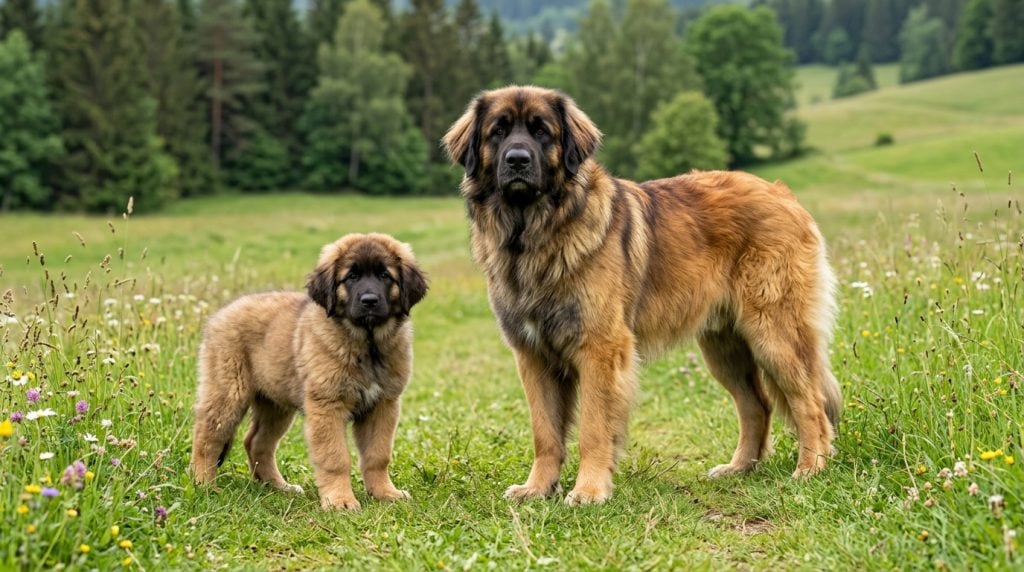
Living with a Leonberger often feels like sharing your home with a gentle giant. Their calm and affectionate nature makes them wonderful companions, especially for those who appreciate a dog that enjoys being part of the family. Despite their large size, they often display a surprising level of grace and sensitivity, making them attentive to the moods and needs of their human companions.
At a glance
Core care
- Size: Giant
- Energy: Moderate to high
- Grooming: Low
- Shedding: High
Support style
- Sensitivity: Moderate
- Training style: Willing
Breed guide
Choose a section to explore. These notes describe common patterns, but individual dogs vary widely.
The Leonberger’s history as a working dog is deeply embedded in its present-day character. Originally bred in Germany to resemble the lion on the town crest of Leonberg, these dogs were intended to be versatile workers and companions. This background explains their robust build and their willingness to engage in various activities, from pulling carts to providing companionship. Today, the Leonberger’s working roots manifest in their desire to be involved in family life, often seeking out tasks or simply enjoying the presence of their human companions.
Physically, Leonbergers are undeniably impressive, with their giant size and striking mane-like coats. This physicality means they are not just visually commanding but also require space to move comfortably. Owners often find that their homes need to accommodate not just the dog’s size but also their playful and sometimes boisterous nature. Despite their size, many Leonbergers are surprisingly agile, which can be a delightful surprise for those who expect a more cumbersome giant.
In terms of temperament, Leonbergers are known for their gentle and friendly disposition. Many owners notice their Leonberger’s tendency to form strong bonds with family members, often displaying a protective yet calm demeanor. While they are generally good-natured, individual dogs can vary, with some being more reserved or independent. This variation means that while many Leonbergers are sociable, some may prefer quieter interactions, especially with strangers.
Living with a Leonberger requires realistic expectations about their needs and behaviours. While they are generally adaptable, their size and energy levels mean they thrive in environments where they have space and opportunities for exercise. As with any breed, individual personalities can differ, influenced by factors like genetics, upbringing, and environment. Understanding these nuances helps in fostering a fulfilling relationship with this majestic breed.
Leonbergers are often noted for their sociable and affectionate nature. Many owners find that their Leonberger enjoys being around people, often seeking out attention and companionship. This social inclination is likely rooted in their history as family companions and working dogs, where being part of a team was integral. In everyday life, this means a Leonberger may often be found lounging near family members, ready to join in on any activity.
Their moderate sensitivity often translates into a keen awareness of their environment and the emotions of those around them. This can be a comforting trait, as many Leonbergers seem to intuitively understand when their presence is needed for a comforting nuzzle or a playful distraction. However, this sensitivity also means they can be affected by tension or stress in the household, so a calm and stable environment is beneficial.
When it comes to trainability, Leonbergers are generally willing participants. They respond well to positive reinforcement and consistent guidance, which aligns with their cooperative nature. Owners often find that training sessions are more successful when they are engaging and rewarding, rather than overly repetitive or harsh. This approach helps maintain their interest and reinforces the bond between dog and owner.
Despite their generally easygoing nature, Leonbergers can exhibit variations in temperament. Some may be more independent or reserved, while others are outgoing and eager to please. These differences highlight the importance of understanding each dog’s unique personality. By appreciating these individual traits, owners can tailor their approach to training and socialization, ensuring a harmonious relationship with their Leonberger.
A typical day for a Leonberger involves a balance of moderate exercise and relaxation. Given their size and energy levels, they benefit from daily walks and play sessions that allow them to stretch their legs and engage their minds. Activities like hiking or swimming can be particularly enjoyable for Leonbergers, as they often appreciate opportunities to explore and interact with their surroundings.
While they do enjoy physical activity, it’s important to remember that Leonbergers are not high-energy dogs that require constant stimulation. Instead, they thrive on a mix of exercise and downtime, making them well-suited to families who enjoy outdoor activities but also value quiet time at home. Mental enrichment can also be beneficial, with puzzle toys or training games helping to keep their minds active.
As Leonbergers age, their exercise needs may change. Puppies and young adults often have bursts of energy and enjoy more vigorous play, while older dogs might prefer gentler activities. It’s crucial to tailor exercise routines to the individual dog’s age and physical condition, ensuring they remain healthy and happy throughout their lives.
Owners should be mindful of not over-exercising Leonbergers, especially in hot weather, as their thick coats can make them prone to overheating. Providing plenty of water and shade during outdoor activities is essential. By understanding their exercise needs and adapting to their life stage, owners can help their Leonberger maintain a healthy and balanced lifestyle.
Training a Leonberger often feels like working with a willing and cooperative partner. Their natural inclination to please and their intelligence make them responsive to positive reinforcement techniques. Many owners find that Leonbergers respond best to training that is consistent, patient, and rewarding, rather than harsh or overly demanding.
Impulse control can sometimes be a challenge, particularly for young Leonbergers who are still learning their boundaries. It’s important to approach training with a focus on building a strong relationship, where the dog feels secure and understood. This foundation helps in managing any adolescent exuberance that may arise, ensuring that the training process remains positive and effective.
Consistency is key when training a Leonberger. They benefit from a routine that reinforces desired behaviours and provides clear expectations. This consistency helps them understand what is expected and reduces confusion, which can be particularly important during their adolescent phase when they may test boundaries more frequently.
Overall, training a Leonberger is a rewarding experience that strengthens the bond between dog and owner. By focusing on positive interactions and maintaining a calm and consistent approach, owners can help their Leonberger develop into a well-mannered and confident companion. For those looking to enhance their training skills, the course “Understand Your Dog: Dog Psychology for Beginners” can provide valuable insights into the nuances of canine behaviour.
Leonbergers tend to thrive in homes that can accommodate their size and need for companionship. While they can adapt to various living situations, they often do best in homes with ample space for them to move around comfortably. A garden or access to outdoor areas can be beneficial, providing them with a place to explore and play.
Families often find that Leonbergers integrate well into their daily lives, thanks to their gentle and patient nature. They can be particularly good with children, often displaying a protective yet calm demeanor. However, due to their size, supervision is recommended during interactions with small children to ensure everyone’s safety.
Living with other pets is generally possible for Leonbergers, as they tend to be sociable and accepting of other animals. Early socialization is key to fostering positive relationships with other pets, helping them learn to interact appropriately and comfortably.
Ultimately, the Leonberger’s suitability for a particular home depends on the individual dog’s personality and the family’s lifestyle. They are adaptable dogs that can fit into various environments, provided they receive the attention, exercise, and care they need. Understanding their needs and ensuring they align with the family’s lifestyle is essential for a harmonious living situation.
Health is a crucial aspect of a Leonberger’s overall wellbeing, influencing their behaviour and quality of life. Like many giant breeds, Leonbergers can be prone to certain health conditions, such as hip and elbow dysplasia, which can affect their mobility. Regular veterinary check-ups and maintaining a healthy weight can help manage these risks.
Leonbergers may also be susceptible to heart conditions, such as dilated cardiomyopathy. Monitoring their heart health through regular vet visits and being aware of any changes in energy levels or breathing can be important in catching potential issues early. Preventive care, including a balanced diet and appropriate exercise, supports their overall health.
Owners often notice that a healthy Leonberger is more active and engaged, reflecting their wellbeing in their behaviour. Conversely, health issues can sometimes manifest as changes in temperament or activity levels, so it’s important to be attentive to any shifts in their normal behaviour.
When it comes to health, proactive care and early intervention are key. Understanding the breed-specific health considerations and working closely with a veterinarian can help ensure that a Leonberger remains healthy and happy throughout their life. For those interested in furthering their knowledge, the course “Canine First Aid: A Practical Guide” offers valuable insights into managing health concerns effectively.
The Leonberger’s origins trace back to the mid-19th century in Leonberg, Germany. Heinrich Essig, a dog breeder and politician, aimed to create a breed that resembled the lion on the town’s crest. By crossing Newfoundland, Saint Bernard, and Great Pyrenees, he developed the Leonberger, a dog that combined the best traits of these breeds.
Originally, Leonbergers were used as versatile working dogs, excelling in tasks such as cart pulling and guarding. Their strength and gentle nature made them popular among European nobility, and they were often seen as symbols of status. This working heritage is still evident today in their robust build and willingness to engage in various activities.
As the breed developed, Leonbergers became known for their gentle temperament and loyalty. These traits made them excellent family companions, a role they continue to fill today. Their history as both working dogs and companions explains their adaptability and desire to be involved in family life.
Understanding the Leonberger’s history provides insight into their modern characteristics. Their origins as a breed designed for both work and companionship help explain their balance of strength and gentleness. This background helps owners appreciate the Leonberger’s unique blend of traits, making them cherished members of many households.
What shapes individual dogs
- Early social experiences
- Training approach
- Environment & routine
- Genetics & breeding
- Health & pain
- Age / life stage
The Leonberger’s history as a working dog is deeply embedded in its present-day character. Originally bred in Germany to resemble the lion on the town crest of Leonberg, these dogs were intended to be versatile workers and companions. This background explains their robust build and their willingness to engage in various activities, from pulling carts to providing companionship. Today, the Leonberger’s working roots manifest in their desire to be involved in family life, often seeking out tasks or simply enjoying the presence of their human companions.
Physically, Leonbergers are undeniably impressive, with their giant size and striking mane-like coats. This physicality means they are not just visually commanding but also require space to move comfortably. Owners often find that their homes need to accommodate not just the dog’s size but also their playful and sometimes boisterous nature. Despite their size, many Leonbergers are surprisingly agile, which can be a delightful surprise for those who expect a more cumbersome giant.
In terms of temperament, Leonbergers are known for their gentle and friendly disposition. Many owners notice their Leonberger’s tendency to form strong bonds with family members, often displaying a protective yet calm demeanor. While they are generally good-natured, individual dogs can vary, with some being more reserved or independent. This variation means that while many Leonbergers are sociable, some may prefer quieter interactions, especially with strangers.
Living with a Leonberger requires realistic expectations about their needs and behaviours. While they are generally adaptable, their size and energy levels mean they thrive in environments where they have space and opportunities for exercise. As with any breed, individual personalities can differ, influenced by factors like genetics, upbringing, and environment. Understanding these nuances helps in fostering a fulfilling relationship with this majestic breed.
Leonbergers are often noted for their sociable and affectionate nature. Many owners find that their Leonberger enjoys being around people, often seeking out attention and companionship. This social inclination is likely rooted in their history as family companions and working dogs, where being part of a team was integral. In everyday life, this means a Leonberger may often be found lounging near family members, ready to join in on any activity.
Their moderate sensitivity often translates into a keen awareness of their environment and the emotions of those around them. This can be a comforting trait, as many Leonbergers seem to intuitively understand when their presence is needed for a comforting nuzzle or a playful distraction. However, this sensitivity also means they can be affected by tension or stress in the household, so a calm and stable environment is beneficial.
When it comes to trainability, Leonbergers are generally willing participants. They respond well to positive reinforcement and consistent guidance, which aligns with their cooperative nature. Owners often find that training sessions are more successful when they are engaging and rewarding, rather than overly repetitive or harsh. This approach helps maintain their interest and reinforces the bond between dog and owner.
Despite their generally easygoing nature, Leonbergers can exhibit variations in temperament. Some may be more independent or reserved, while others are outgoing and eager to please. These differences highlight the importance of understanding each dog’s unique personality. By appreciating these individual traits, owners can tailor their approach to training and socialization, ensuring a harmonious relationship with their Leonberger.
A typical day for a Leonberger involves a balance of moderate exercise and relaxation. Given their size and energy levels, they benefit from daily walks and play sessions that allow them to stretch their legs and engage their minds. Activities like hiking or swimming can be particularly enjoyable for Leonbergers, as they often appreciate opportunities to explore and interact with their surroundings.
While they do enjoy physical activity, it’s important to remember that Leonbergers are not high-energy dogs that require constant stimulation. Instead, they thrive on a mix of exercise and downtime, making them well-suited to families who enjoy outdoor activities but also value quiet time at home. Mental enrichment can also be beneficial, with puzzle toys or training games helping to keep their minds active.
As Leonbergers age, their exercise needs may change. Puppies and young adults often have bursts of energy and enjoy more vigorous play, while older dogs might prefer gentler activities. It’s crucial to tailor exercise routines to the individual dog’s age and physical condition, ensuring they remain healthy and happy throughout their lives.
Owners should be mindful of not over-exercising Leonbergers, especially in hot weather, as their thick coats can make them prone to overheating. Providing plenty of water and shade during outdoor activities is essential. By understanding their exercise needs and adapting to their life stage, owners can help their Leonberger maintain a healthy and balanced lifestyle.
Training a Leonberger often feels like working with a willing and cooperative partner. Their natural inclination to please and their intelligence make them responsive to positive reinforcement techniques. Many owners find that Leonbergers respond best to training that is consistent, patient, and rewarding, rather than harsh or overly demanding.
Impulse control can sometimes be a challenge, particularly for young Leonbergers who are still learning their boundaries. It’s important to approach training with a focus on building a strong relationship, where the dog feels secure and understood. This foundation helps in managing any adolescent exuberance that may arise, ensuring that the training process remains positive and effective.
Consistency is key when training a Leonberger. They benefit from a routine that reinforces desired behaviours and provides clear expectations. This consistency helps them understand what is expected and reduces confusion, which can be particularly important during their adolescent phase when they may test boundaries more frequently.
Overall, training a Leonberger is a rewarding experience that strengthens the bond between dog and owner. By focusing on positive interactions and maintaining a calm and consistent approach, owners can help their Leonberger develop into a well-mannered and confident companion. For those looking to enhance their training skills, the course “Understand Your Dog: Dog Psychology for Beginners” can provide valuable insights into the nuances of canine behaviour.
Leonbergers tend to thrive in homes that can accommodate their size and need for companionship. While they can adapt to various living situations, they often do best in homes with ample space for them to move around comfortably. A garden or access to outdoor areas can be beneficial, providing them with a place to explore and play.
Families often find that Leonbergers integrate well into their daily lives, thanks to their gentle and patient nature. They can be particularly good with children, often displaying a protective yet calm demeanor. However, due to their size, supervision is recommended during interactions with small children to ensure everyone’s safety.
Living with other pets is generally possible for Leonbergers, as they tend to be sociable and accepting of other animals. Early socialization is key to fostering positive relationships with other pets, helping them learn to interact appropriately and comfortably.
Ultimately, the Leonberger’s suitability for a particular home depends on the individual dog’s personality and the family’s lifestyle. They are adaptable dogs that can fit into various environments, provided they receive the attention, exercise, and care they need. Understanding their needs and ensuring they align with the family’s lifestyle is essential for a harmonious living situation.
Health is a crucial aspect of a Leonberger’s overall wellbeing, influencing their behaviour and quality of life. Like many giant breeds, Leonbergers can be prone to certain health conditions, such as hip and elbow dysplasia, which can affect their mobility. Regular veterinary check-ups and maintaining a healthy weight can help manage these risks.
Leonbergers may also be susceptible to heart conditions, such as dilated cardiomyopathy. Monitoring their heart health through regular vet visits and being aware of any changes in energy levels or breathing can be important in catching potential issues early. Preventive care, including a balanced diet and appropriate exercise, supports their overall health.
Owners often notice that a healthy Leonberger is more active and engaged, reflecting their wellbeing in their behaviour. Conversely, health issues can sometimes manifest as changes in temperament or activity levels, so it’s important to be attentive to any shifts in their normal behaviour.
When it comes to health, proactive care and early intervention are key. Understanding the breed-specific health considerations and working closely with a veterinarian can help ensure that a Leonberger remains healthy and happy throughout their life. For those interested in furthering their knowledge, the course “Canine First Aid: A Practical Guide” offers valuable insights into managing health concerns effectively.
The Leonberger’s origins trace back to the mid-19th century in Leonberg, Germany. Heinrich Essig, a dog breeder and politician, aimed to create a breed that resembled the lion on the town’s crest. By crossing Newfoundland, Saint Bernard, and Great Pyrenees, he developed the Leonberger, a dog that combined the best traits of these breeds.
Originally, Leonbergers were used as versatile working dogs, excelling in tasks such as cart pulling and guarding. Their strength and gentle nature made them popular among European nobility, and they were often seen as symbols of status. This working heritage is still evident today in their robust build and willingness to engage in various activities.
As the breed developed, Leonbergers became known for their gentle temperament and loyalty. These traits made them excellent family companions, a role they continue to fill today. Their history as both working dogs and companions explains their adaptability and desire to be involved in family life.
Understanding the Leonberger’s history provides insight into their modern characteristics. Their origins as a breed designed for both work and companionship help explain their balance of strength and gentleness. This background helps owners appreciate the Leonberger’s unique blend of traits, making them cherished members of many households.
What shapes individual dogs
- Early social experiences
- Training approach
- Environment & routine
- Genetics & breeding
- Health & pain
- Age / life stage
Want support with this?
This course is relevant for Leonberger owners as it provides insights into understanding and nurturing their dog's unique temperament and behaviour.